Lisa Rowe Fraustino - Böcker
Visar alla böcker från författaren Lisa Rowe Fraustino. Handla med fri frakt och snabb leverans.
6 produkter
6 produkter
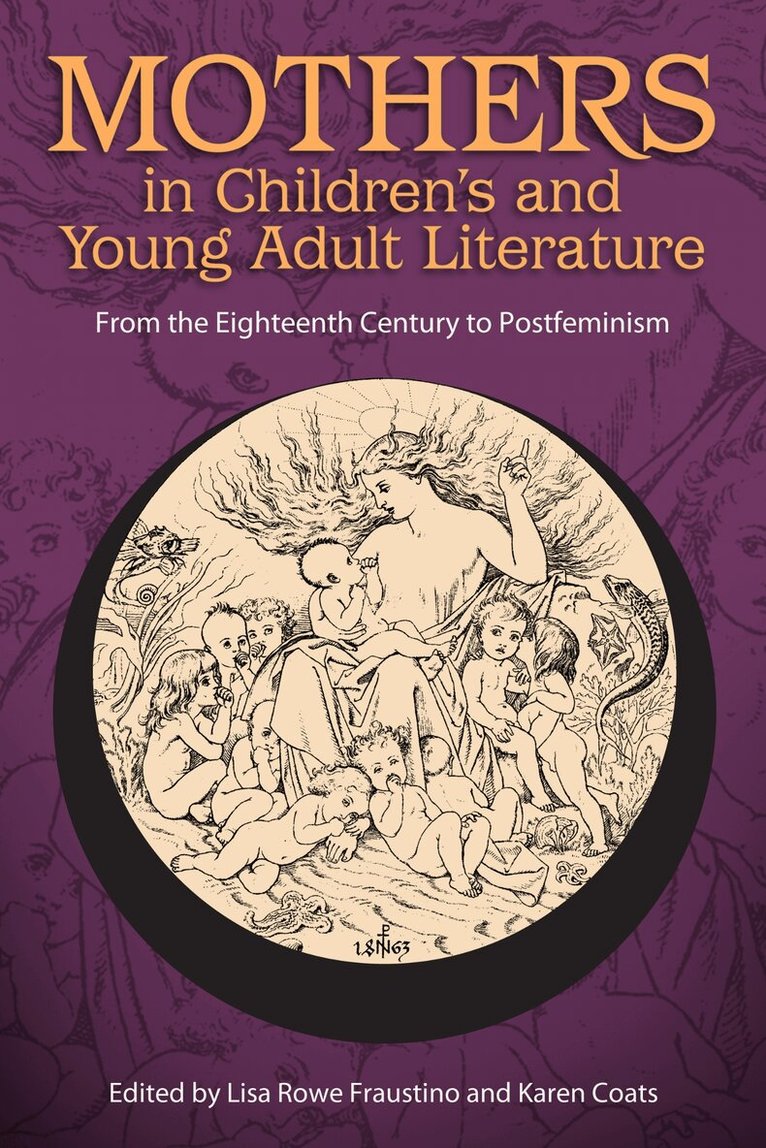
Mothers in Children's and Young Adult Literature
From the Eighteenth Century to Postfeminism
Inbunden, Engelska, 2016
1 350 kr
Skickas inom 10-15 vardagar
Living or dead, present or absent, sadly dysfunctional or merrily adequate, the figure of the mother bears enormous freight across a child's emotional and intellectual life. Given the vital role literary mothers play in books for young readers, it is remarkable how little scholarly attention has been paid to the representation of mothers outside of fairy tales and beyond studies of gender stereotypes. This collection of thirteen essays begins to fill a critical gap by bringing together a range of theoretical perspectives by a rich mix of senior scholars and new voices.Following an introduction in which the coeditors describe key trends in interdisciplinary scholarship, the book's first section focuses on the pedagogical roots of maternal influence in early children's literature. The next section explores the shifting cultural perspectives and subjectivities of the twentieth century. The third section examines the interplay of fantasy, reality, and the ethical dimensions of literary mothers. The collection ends with readings of postfeminist motherhood, from contemporary realism to dystopian fantasy.The range of critical approaches in this volume will provide multiple inroads for scholars to investigate richer readings of mothers in children's and young adult literature.
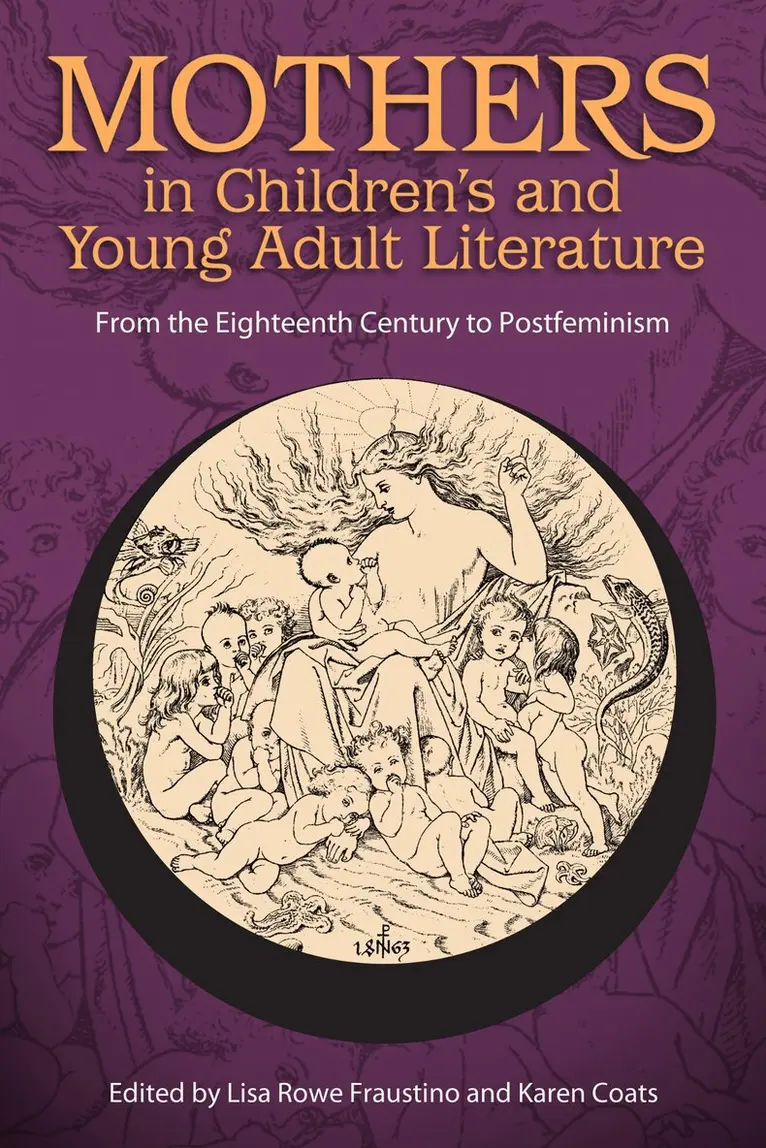
Mothers in Children's and Young Adult Literature
From the Eighteenth Century to Postfeminism
Häftad, Engelska, 2018
420 kr
Skickas inom 10-15 vardagar
Contributions by: Robin Calland, Lauren Causey, Karen Coats, Sara K. Day, Lisa Rowe Fraustino, Dorina K. Lazo Gilmore, Anna Katrina Gutierrez, Adrienne Kertzer, Kouen Kim, Alexandra Kotanko, Jennifer Mitchell, Mary Jeanette Moran, Julie Pfeiffer, and Donelle Ruwe.Living or dead, present or absent, sadly dysfunctional or merrily adequate, the figure of the mother bears enormous freight across a child's emotional and intellectual life. Given the vital role literary mothers play in books for young readers, it is remarkable how little scholarly attention has been paid to the representation of mothers outside of fairy tales and beyond studies of gender stereotypes. This collection of thirteen essays begins to fill a critical gap by bringing together a range of theoretical perspectives by a rich mix of senior scholars and new voices.The range of critical approaches in this volume will provide multiple inroads for scholars to investigate richer readings of mothers in children's and young adult literature.
1 331 kr
Skickas inom 7-10 vardagar
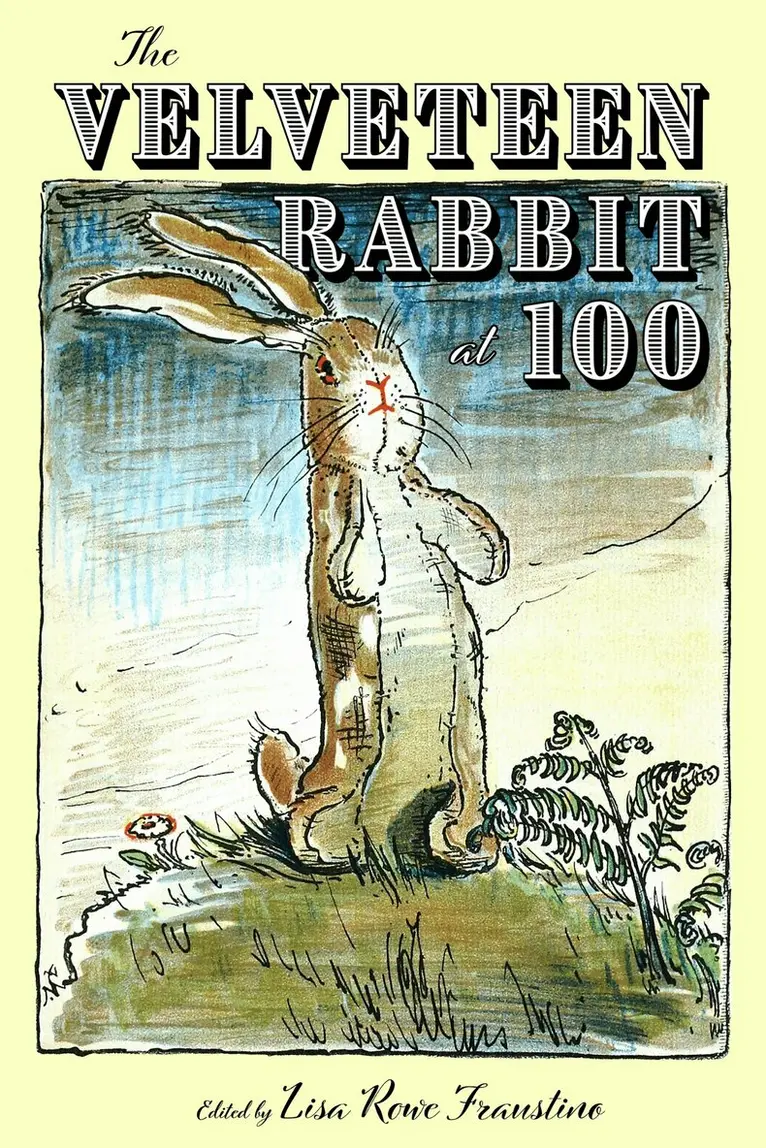
Contributions by Kelly Blewett, Claudia Camicia, Alisa Clapp-Itnyre, Lisa Rowe Fraustino, Elisabeth Graves, Karlie Herndon, KaaVonia Hinton, Holly Blackford Humes, Melanie Hurley, Kara K. Keeling, Maleeha Malik, Claudia Mills, Elena Paruolo, Scott T. Pollard, Jiwon Rim, Paige Sammartino, Adrianna Zabrzewska, and Wenduo ZhangFirst published in 1922 to immediate popularity, The Velveteen Rabbit by Margery Williams has never been out of print. The story has been adapted for film, television, and theater across a range of mediums including animation, claymation, live action, musical, and dance. Frequently, the story inspires a sentimental, nostalgic response—as well as a corresponding dismissive response from critics. It is surprising that, despite its longevity and popularity, The Velveteen Rabbit has inspired a relatively thin dossier of serious literary scholarship, a gap that this volume seeks to correct.While each essay can stand alone, the chapters in "The Velveteen Rabbit" at 100 flow in a coherent sequence from beginning to end, showing connections between readings from a wide array of critical approaches. Philosophical and cultural studies lead us to consider the meaning of love and reality in ways both timeless and temporal. The Velveteen Rabbit is an Anthropocene Rabbit. He is also disabled. Here a traditional exegetical reading sits alongside queering the text. Collectively, these essays more than double the amount of serious scholarship on The Velveteen Rabbit. Combining hindsight with evolving sensibilities about representation, the contributors offer thirteen ways of looking at this Rabbit that Margery Williams gave us—ways that we can also use to look at other classic storybooks.
420 kr
Skickas inom 10-15 vardagar
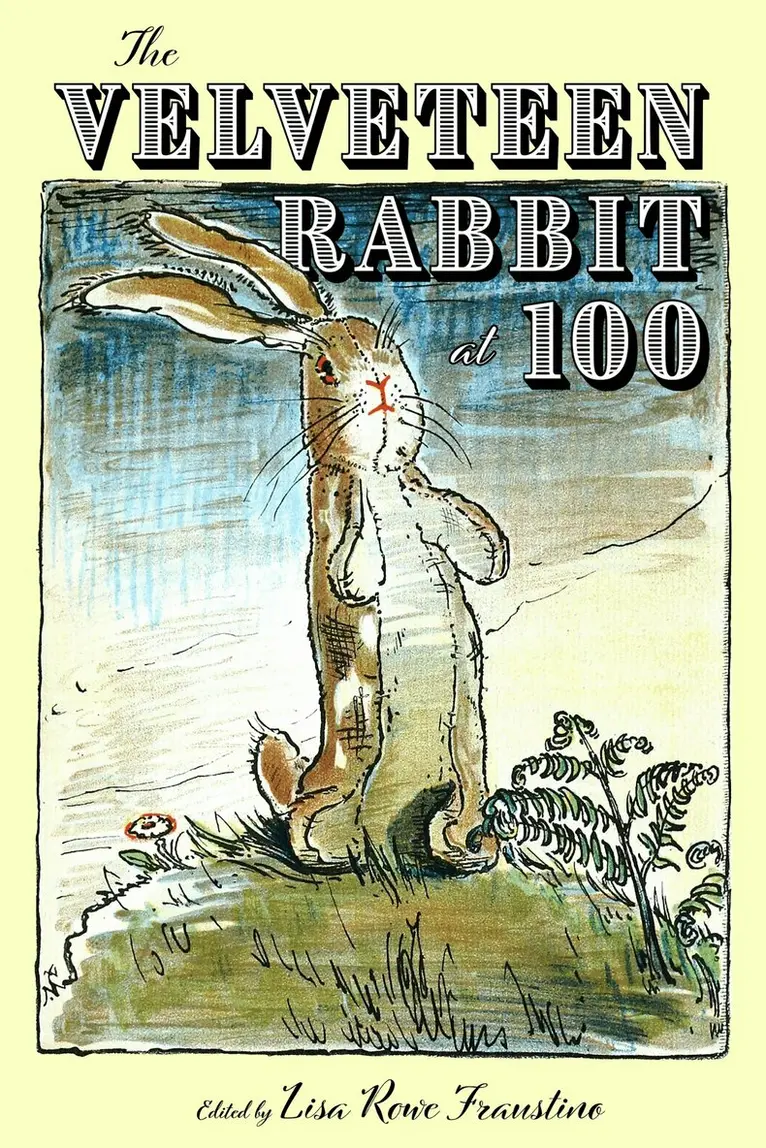
Contributions by Kelly Blewett, Claudia Camicia, Alisa Clapp-Itnyre, Lisa Rowe Fraustino, Elisabeth Graves, Karlie Herndon, KaaVonia Hinton, Holly Blackford Humes, Melanie Hurley, Kara K. Keeling, Maleeha Malik, Claudia Mills, Elena Paruolo, Scott T. Pollard, Jiwon Rim, Paige Sammartino, Adrianna Zabrzewska, and Wenduo ZhangFirst published in 1922 to immediate popularity, The Velveteen Rabbit by Margery Williams has never been out of print. The story has been adapted for film, television, and theater across a range of mediums including animation, claymation, live action, musical, and dance. Frequently, the story inspires a sentimental, nostalgic response—as well as a corresponding dismissive response from critics. It is surprising that, despite its longevity and popularity, The Velveteen Rabbit has inspired a relatively thin dossier of serious literary scholarship, a gap that this volume seeks to correct.While each essay can stand alone, the chapters in "The Velveteen Rabbit" at 100 flow in a coherent sequence from beginning to end, showing connections between readings from a wide array of critical approaches. Philosophical and cultural studies lead us to consider the meaning of love and reality in ways both timeless and temporal. The Velveteen Rabbit is an Anthropocene Rabbit. He is also disabled. Here a traditional exegetical reading sits alongside queering the text. Collectively, these essays more than double the amount of serious scholarship on The Velveteen Rabbit. Combining hindsight with evolving sensibilities about representation, the contributors offer thirteen ways of looking at this Rabbit that Margery Williams gave us—ways that we can also use to look at other classic storybooks.
170 kr
Tillfälligt slut
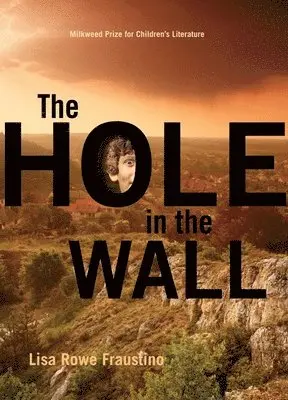
Eleven-year-old Sebby has found the perfect escape from his crummy house and bickering family: The Hole in the Wall. It's a pristine, beautiful glen in the midst of a devastated mining area behind Sebby's home. But not long after he finds it his world starts falling apart: his family's chickens disappear, colors start jumping off the wall and coming to life, and after sneaking a taste of raw cookie dough he finds himself with the mother of all stomachaches. When Sebby sets out to solve these mysteries, he and his twin sister, Barbie, get caught in a wild chase through the tunnels and caverns around The Hole in the Wall -- all leading them to the mining activities of one Stanley Odum, the hometown astrophysicist who's buying up all the land behind Sebby's home. Exactly what is Mr. Odum mining in his secret facility, and does it have anything to do with the mystery of the lost chickens and Sebby's stomachache? The answers to these questions go much further than the twins expect.
115 kr
Tillfälligt slut
Eleven-year-old Sebby has found the perfect escape from his crummy house and bickering family--a secret cave he calls "The Hole in the Wall." He discovers this astonishing cave in a pristine, beautiful glen in the midst of a devastated mining area behind his home. But it's not long after Sebby's found it that his world starts falling apart: His family's chickens disappear, colors start jumping off the wall and coming to life, and after sneaking a taste of raw cookie dough he finds himself with the mother of all stomachaches. When Sebby sets out to solve these mysteries, he and his twin sister Barbie get caught in a wild chase through the tunnels and caverns around The Hole in the Wall--all leading them to the mining activities of one Stanley Odum, the hometown astrophysicist who's buying up all the land behind Sebby's home. Exactly what is Mr. Odum mining in his secret facility, and does it have anything to do with the mystery of the lost chickens and Sebby's stomachache? The answers to these questions go much further than the twins ever imagined.