Lisi Oliver – författare
Visar alla böcker från författaren Lisi Oliver. Handla med fri frakt och snabb leverans.
9 produkter
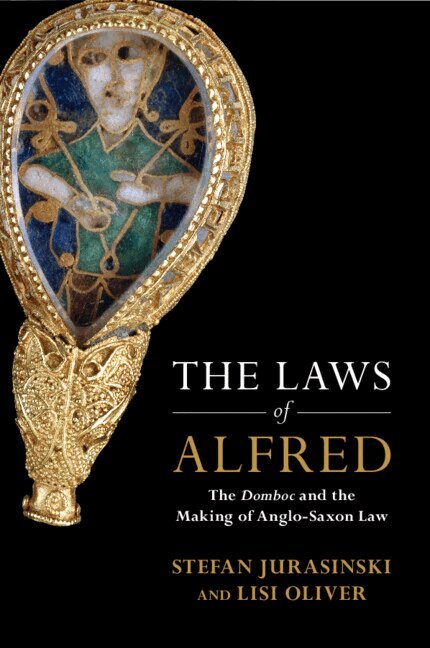
The Laws of Alfred
The Domboc and the Making of Anglo-Saxon Law
Av Stefan Jurasinski, Lisi Oliver
Häftad, 2023
499 kr
Lägg i varukorg
Alfred the Great's domboc ('book of laws') is the longest and most ambitious legal text of the Anglo-Saxon period. Alfred places his own laws, dealing with everything from sanctuary to feuding to the theft of bees, between a lengthy translation of legal passages from the Bible and the legislation …
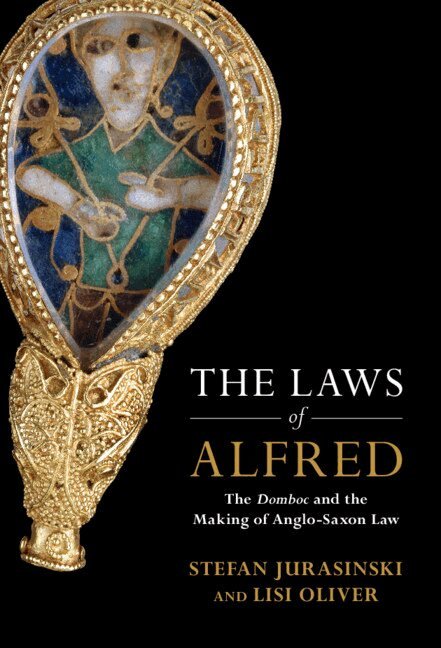
The Laws of Alfred
The Domboc and the Making of Anglo-Saxon Law
Av Stefan Jurasinski, Lisi Oliver
Inbunden, 2021
1391 kr
Lägg i varukorg
Alfred the Great's domboc ('book of laws') is the longest and most ambitious legal text of the Anglo-Saxon period. Alfred places his own laws, dealing with everything from sanctuary to feuding to the theft of bees, between a lengthy translation of legal passages from the Bible and the legislation …
Laws of Alfred
The Domboc and the Making of Anglo-Saxon Law
Av Lisi Oliver, Stefan Jurasinski
E-bok, 2021
403 kr
Lägg i varukorg
Alfred the Great''s domboc (''book of laws'') is the longest and most ambitious legal text of the Anglo-Saxon period. Alfred places his own laws, dealing with everything from sanctuary to feuding to the theft of bees, between a lengthy translation of legal passages from the Bible and the …
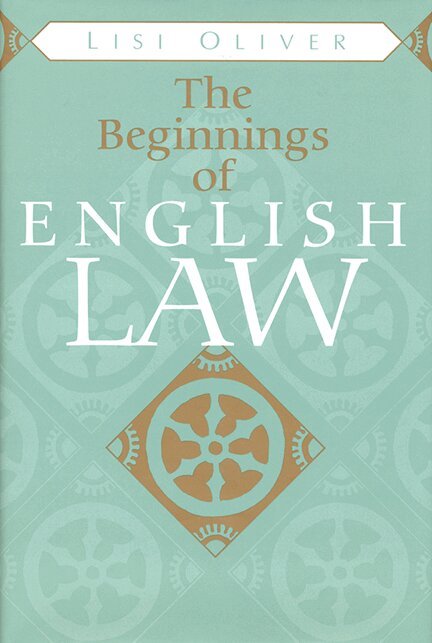
Beginnings of English Law
Av Lisi Oliver
Häftad, 2012
470 kr
Lägg i varukorg
The laws of Æthelbert of Kent (ca. 600), Hlohere and Eadric (685x686), and Wihtred (695), are the earliest laws from Anglo-Saxon England, and the first Germanic laws written in the vernacular. They are of unique importance as the only extant early medieval English laws that delineate the progress …
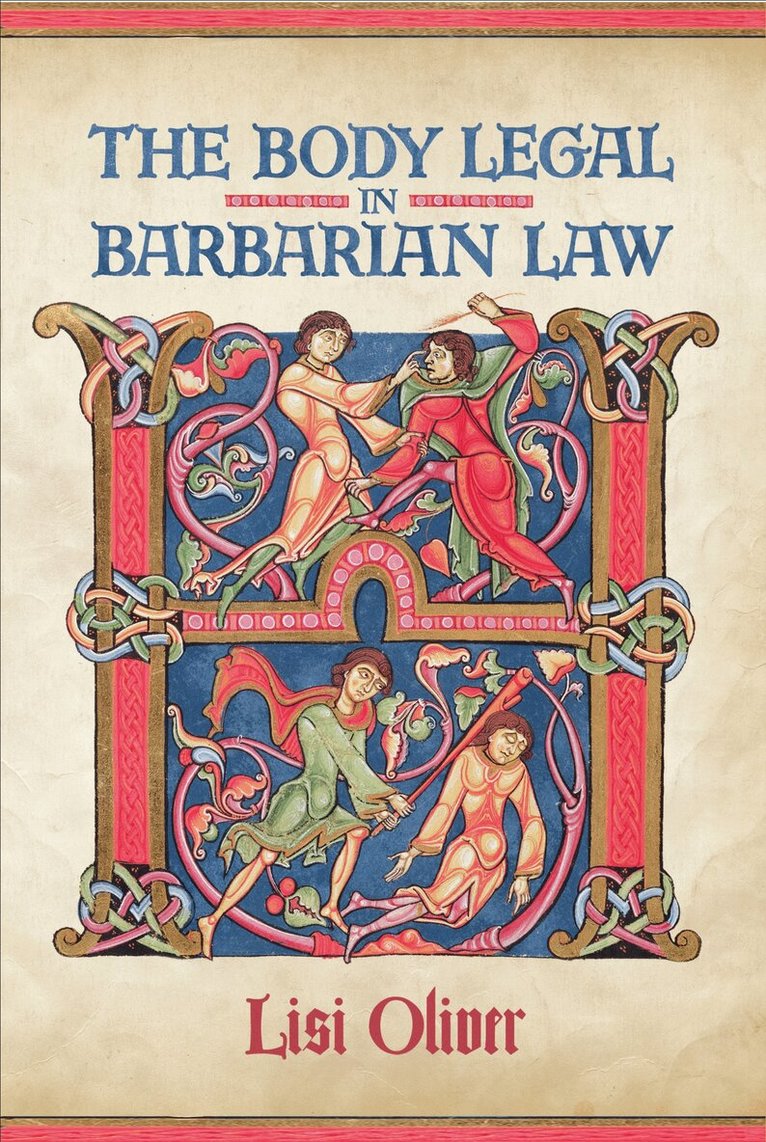
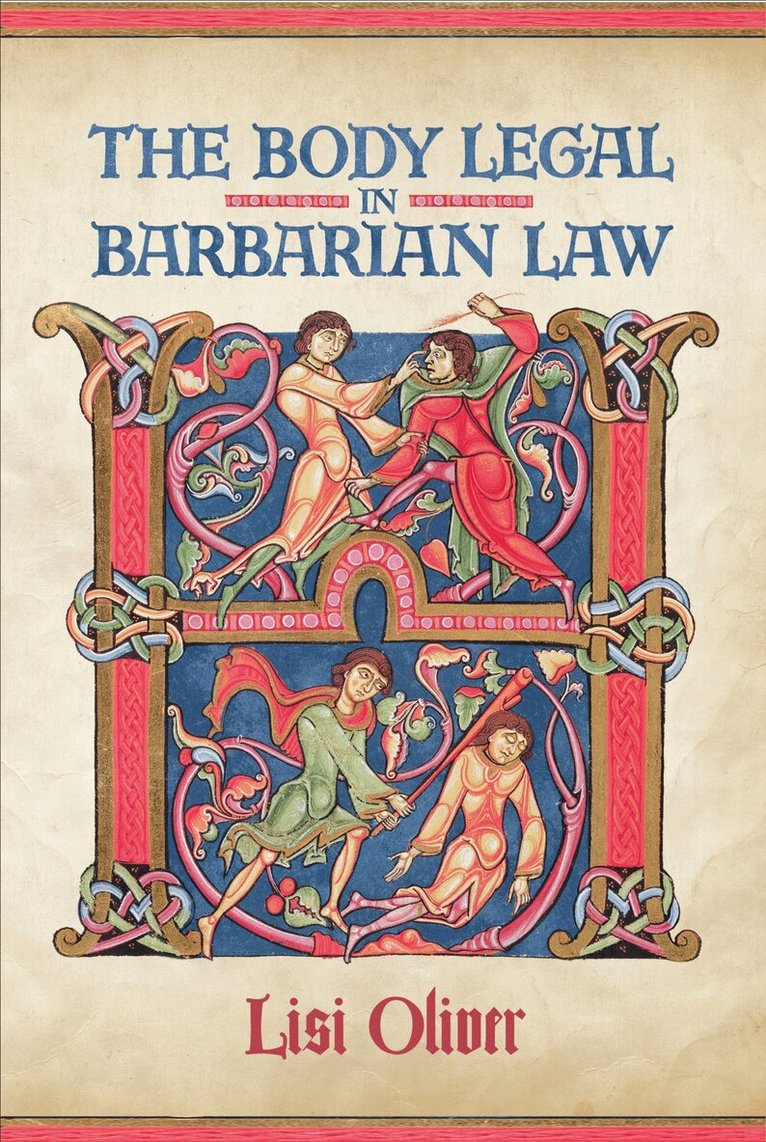
Body Legal in Barbarian Law
Av Lisi Oliver
E-bok, 2011
537 kr
Lägg i varukorg
The sixth to ninth centuries saw a flowering of written laws among the early Germanic tribes. These laws include tables of fines for personal injury, designed to offer a legal, non-violent alternative to blood feud. Using these personal injury tariffs, The Body Legal in Barbarian Law examines a …
Beginnings of English Law
Av Lisi Oliver
E-bok, 2012
602 kr
Lägg i varukorg
The laws of Æthelbert of Kent (ca. 600), Hlohere and Eadric (685x686), and Wihtred (695), are the earliest laws from Anglo-Saxon England, and the first Germanic laws written in the vernacular. They are of unique importance as the only extant early medieval English laws that delineate the progress …
Beginnings of English Law
Av Lisi Oliver
E-bok, 2013
537 kr
Lägg i varukorg
The laws of Æthelbert of Kent (ca. 600), Hlohere and Eadric (685x686), and Wihtred (695), are the earliest laws from Anglo-Saxon England, and the first Germanic laws written in the vernacular. They are of unique importance as the only extant early medieval English laws that delineate the progress …
Body Legal in Barbarian Law
Av Lisi Oliver
Häftad, 2022
412 kr
Lägg i varukorg
The sixth to ninth centuries saw a flowering of written laws among the early Germanic tribes. These laws include tables of fines for personal injury, designed to offer a legal, non-violent alternative to blood feud. Using these personal injury tariffs, The Body Legal in Barbarian Law examines a …