Livio Sansone – Författare
Visar alla böcker från författaren Livio Sansone. Handla med fri frakt och snabb leverans.
4 produkter
4 produkter
413 kr
Tillfälligt slut
2 014 kr
Skickas inom 3-6 vardagar
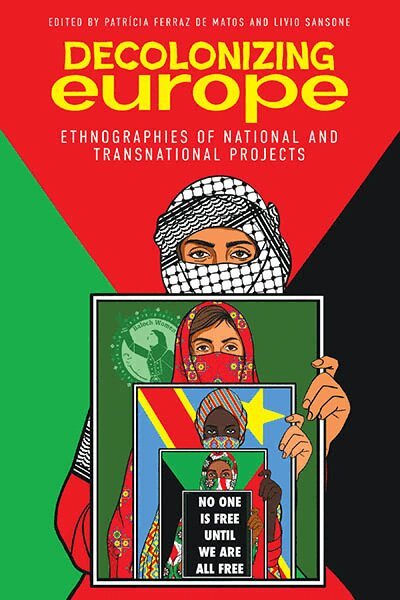
Revived by the global resonance of the Black Lives Matter movement in 2020, this book adds to the current discussion on the idea of decolonizing Europe. Drawing inspiration from the study of colonialism, postcolonialism and the imperative to decolonize knowledge and practice, the editors bring together a group of scholars approaching these issues through ethnographic inquiry. The volume explores how race, colonial legacies and structural inequality are addressed across diverse European contexts – north, central, eastern and southern – as well as in their entanglements with regions beyond Europe. It offers critical, grounded insights into the possibilities and challenges of decolonial thinking today.
Cesare Lombroso's Legacy in Latin America
How His Controversial Popularity as a Criminologist Remains
Inbunden, Engelska, 2026
1 568 kr
Kommande
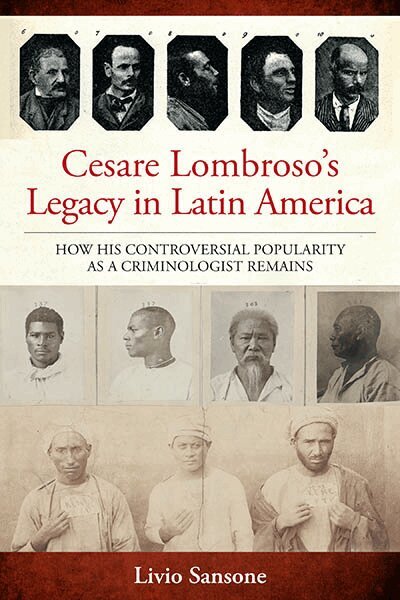
Cesare Lombroso is considered the founder of criminology with his theory distinguishing criminals from noncriminal by physical oddities. This book argues that the study of ethnography in Latin America should give more attention to the Lombroso school and the academic exchange between relatively marginal national anthropologies, such as the Italian and Latin American schools. From racial ideas in Italy at the end of the nineteenth century to Lombroso’s voyages to South America and his legacy after his passing, Cesare Lombroso in Latin America is presented through an anthropologist’s eye through interpretation of many explored and unexplored historical documents.
Del 1 - Africa Multiple
Field Station Bahia
Brazil in the Work of Lorenzo Dow Turner, E. Franklin Frazier and Frances and Melville Herskovits, 1935-1967
Inbunden, Engelska, 2023
1 534 kr
Skickas inom 5-8 vardagar
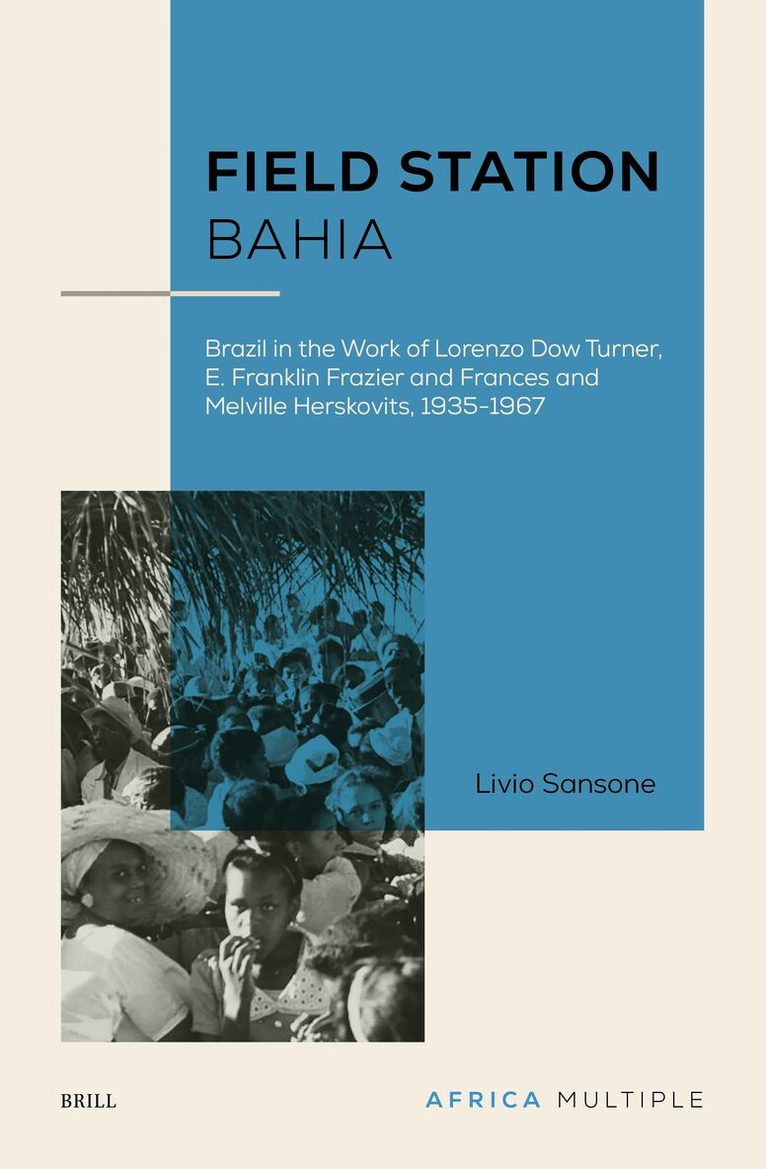
This book offers a new perspective on the making of Afro-Brazilian, African-American and African studies through the interrelated trajectory of E. Franklin Frazier, Lorenzo Dow Turner, Frances and Melville Herskovits in Brazil. The book compares the style, network and agenda of these different and yet somehow converging scholars, and relates them to the Brazilian intellectual context, especially Bahia, which showed in those days much less density and organization than the US equivalent. It is therefore a double comparison: between four Americans and between Americans and scholars based in Brazil.