Lois Shepherd - Böcker
Visar alla böcker från författaren Lois Shepherd. Handla med fri frakt och snabb leverans.
3 produkter
3 produkter
313 kr
Skickas inom 10-15 vardagar
Every day, thousands of people quietly face decisions as agonizing as those made famous in the Terri Schiavo case. Throughout that controversy, all kinds of people--politicians, religious leaders, legal and medical experts--made emphatic statements about the facts and offered even more certain opinions about what should be done. To many, courts were either ordering Terri's death by starvation or vindicating her constitutional rights. Both sides called for simple answers. If That Ever Happens to Me details why these simple answers were not right for Terri Schiavo and why they are not right for end-of-life decisions today.Lois Shepherd looks behind labels like ""starvation,"" ""care,"" or ""medical treatment"" to consider what care and feeding really mean, when feeding tubes might be removed, and why disability groups, the faithful, and even the dying themselves often suggest end-of-life solutions that they might later regret. For example, Shepherd cautions against living wills as a pat answer. She provides evidence that demanding letter-perfect documents can actually weaken, rather than bolster, patient choice. The actions taken and decisions made during Terri Schiavo's final years will continue to have repercussions for thousands of others--those nearing death, their families, health-care professionals, attorneys, lawmakers, clergy, media, researchers, and ethicists. If That Ever Happens to Me is an excellent choice for anyone interested in end-of-life law, policy, and ethics--particularly readers seeking a deeper understanding of the issues raised by Terri Schiavo's case.

809 kr
Skickas inom 10-15 vardagar
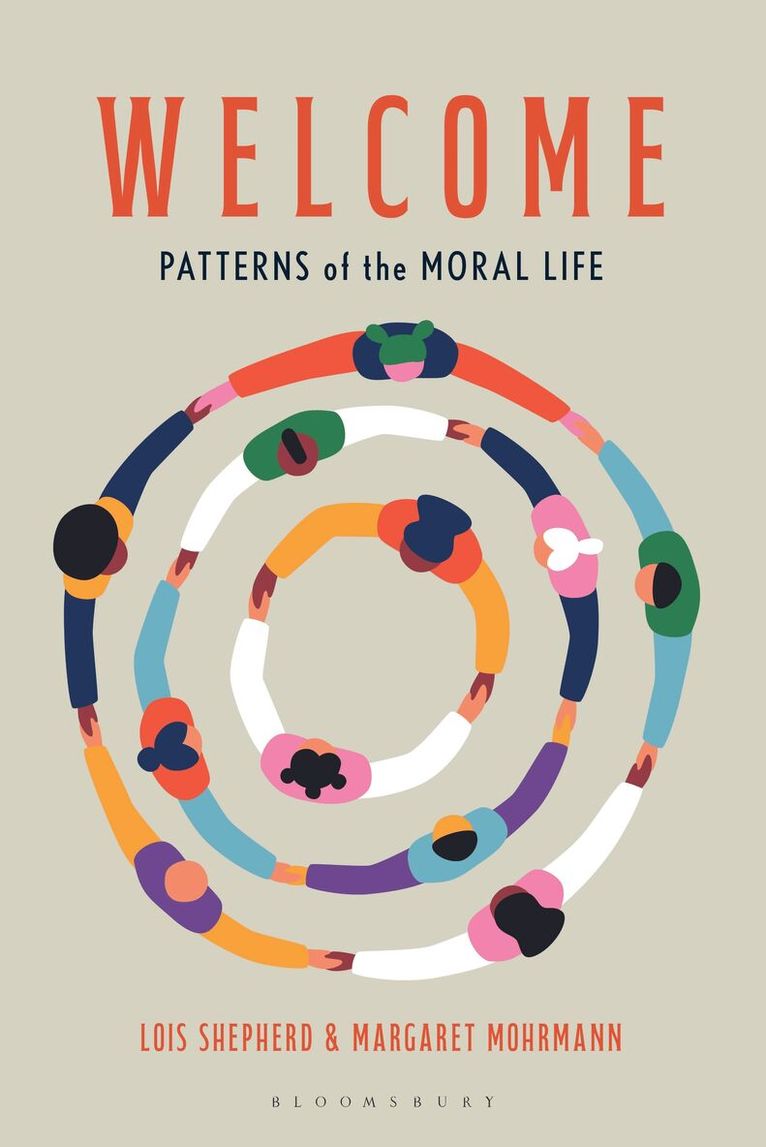
Welcome: Patterns of the Moral Life proposes a transformative concept that places the act of welcoming at the core of ethical living and human flourishing. This radical approach asserts that welcome is not merely a virtue or an act of kindness, but the foundational practice from which all other ethical behaviors arise. Through this lens, welcome becomes the primary orientation through which individuals and communities can achieve a harmonious and just society.The authors contend that being a welcoming person involves a deep, ongoing moral commitment that impacts every interaction and relationship. This obligation is mutual, extending to everyone in all settings, from healthcare environments to everyday social encounters. Welcome, they assert, is not only intertwined with responsibility but precedes it, providing the necessary openness to understand and fulfill our ethical obligations.The book's structure reflects its content, offering a series of “patterns”—interconnected stories, reflections, and practical examples—rather than a linear argument. These patterns illustrate how welcome influences human interaction, showing both its positive effects when present and the harm that results from its absence. Through this exploration, the authors encourage readers to embrace welcome in all aspects of life, suggesting that this practice is essential for creating inclusive, thriving communities.Drawing on rich personal experiences in law, medicine, and theology, the authors ground their discussion in real-world stories and case studies—including the case of an Australian couple living near a cliff who have saved over 500 suicidal people from jumping to their death—where the stakes of welcome are high. Welcome is both a practical guide and an introduction to a new way of understanding the world, inviting readers to engage in the ongoing, dynamic process of becoming more welcoming and, by extension, more ethical in their everyday lives.
284 kr
Skickas
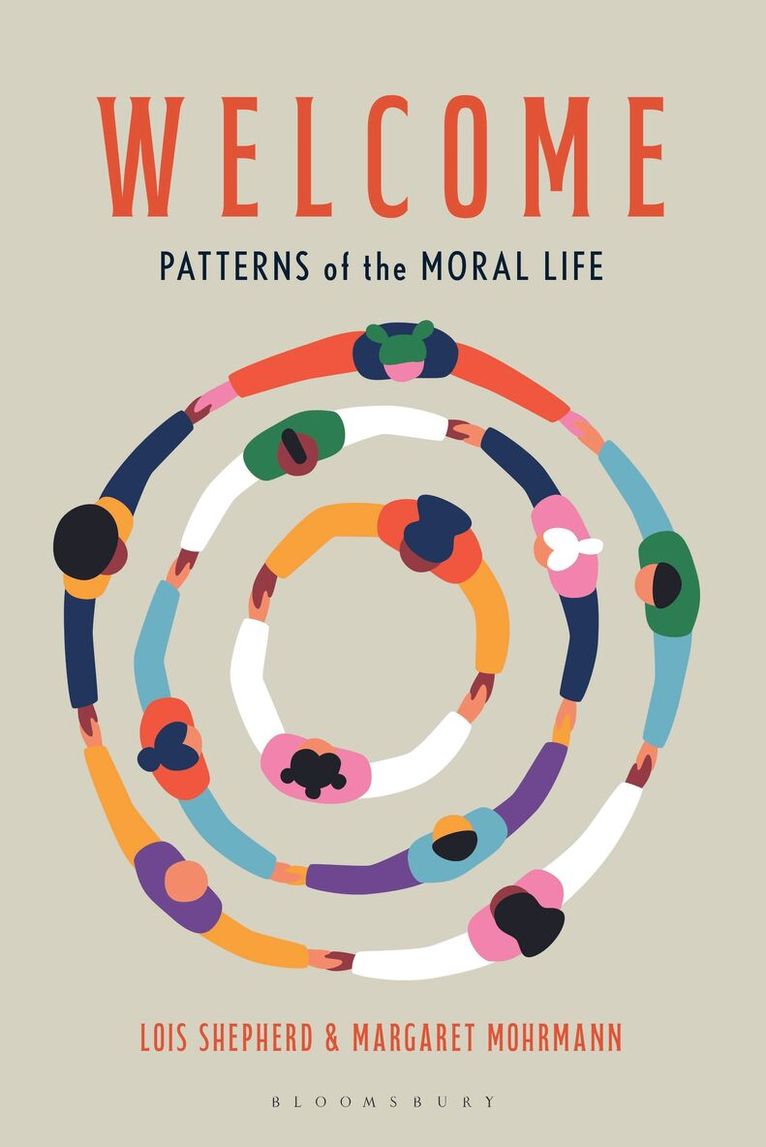
Welcome: Patterns of the Moral Life proposes a transformative concept that places the act of welcoming at the core of ethical living and human flourishing. This radical approach asserts that welcome is not merely a virtue or an act of kindness, but the foundational practice from which all other ethical behaviors arise. Through this lens, welcome becomes the primary orientation through which individuals and communities can achieve a harmonious and just society.The authors contend that being a welcoming person involves a deep, ongoing moral commitment that impacts every interaction and relationship. This obligation is mutual, extending to everyone in all settings, from healthcare environments to everyday social encounters. Welcome, they assert, is not only intertwined with responsibility but precedes it, providing the necessary openness to understand and fulfill our ethical obligations.The book's structure reflects its content, offering a series of “patterns”—interconnected stories, reflections, and practical examples—rather than a linear argument. These patterns illustrate how welcome influences human interaction, showing both its positive effects when present and the harm that results from its absence. Through this exploration, the authors encourage readers to embrace welcome in all aspects of life, suggesting that this practice is essential for creating inclusive, thriving communities.Drawing on rich personal experiences in law, medicine, and theology, the authors ground their discussion in real-world stories and case studies—including the case of an Australian couple living near a cliff who have saved over 500 suicidal people from jumping to their death—where the stakes of welcome are high. Welcome is both a practical guide and an introduction to a new way of understanding the world, inviting readers to engage in the ongoing, dynamic process of becoming more welcoming and, by extension, more ethical in their everyday lives.