Lorna Weir – författare
Visar alla böcker från författaren Lorna Weir. Handla med fri frakt och snabb leverans.
10 produkter
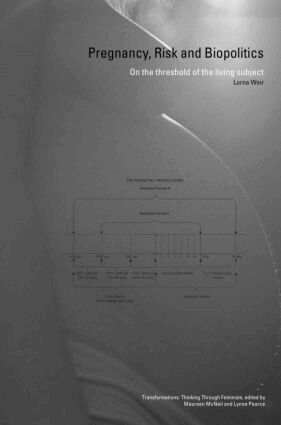
Pregnancy, Risk and Biopolitics
On the Threshold of the Living Subject
Av Lorna Weir
Häftad, 2006
851 kr
Lägg i varukorg
Traditionally, Euroamerican cultures have considered that human status was conferred at the conclusion to childbirth. However, in contemporary Euroamerican biomedicine, law and politics, the living subject is often claimed to pre-exist birth. In this fascinating book Lorna Weir argues that the …
Pregnancy, Risk and Biopolitics
On the Threshold of the Living Subject
Av Lorna Weir
Inbunden, 2006
2744 kr
Lägg i varukorg
Traditionally, Euroamerican cultures have considered that human status was conferred at the conclusion to childbirth. However, in contemporary Euroamerican biomedicine, law and politics, the living subject is often claimed to pre-exist birth. In this fascinating book Lorna Weir argues that the …
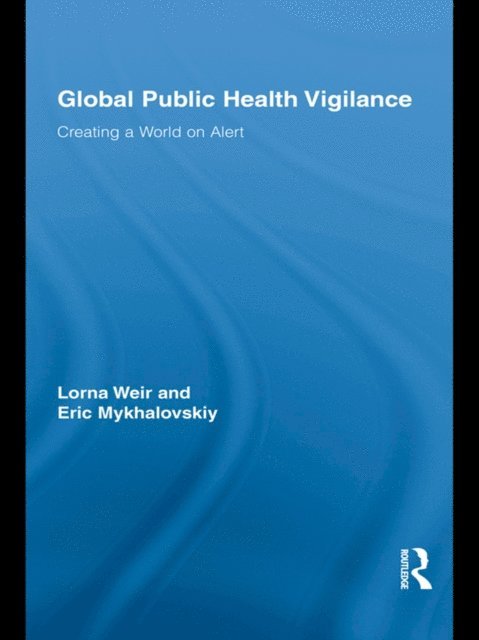
Global Public Health Vigilance
Creating a World on Alert
Av Lorna Weir, Eric Mykhalovskiy
Häftad, 2012
635 kr
Lägg i varukorg
Global Public Health Vigilance is the first sociological book to investigate recent changes in how global public health authorities imagine and respond to international threats to human health. This book explores a remarkable period of conceptual innovation during which infectious disease, …
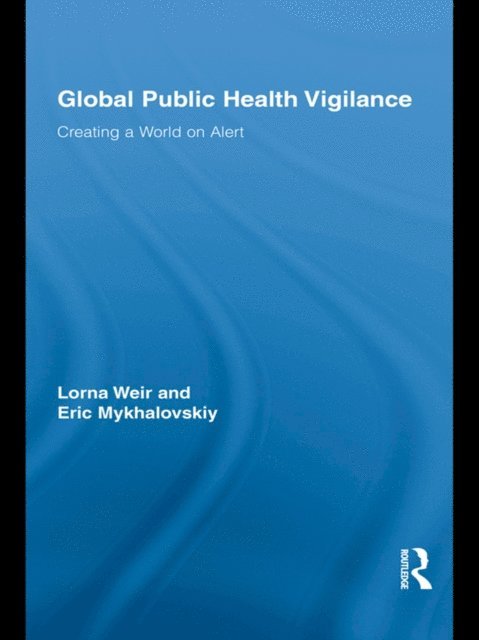
Global Public Health Vigilance
Creating a World on Alert
Av Lorna Weir, Eric Mykhalovskiy
Inbunden, 2010
2578 kr
Lägg i varukorg
Global Public Health Vigilance is the first sociological book to investigate recent changes in how global public health authorities imagine and respond to international threats to human health. This book explores a remarkable period of conceptual innovation during which infectious disease, …
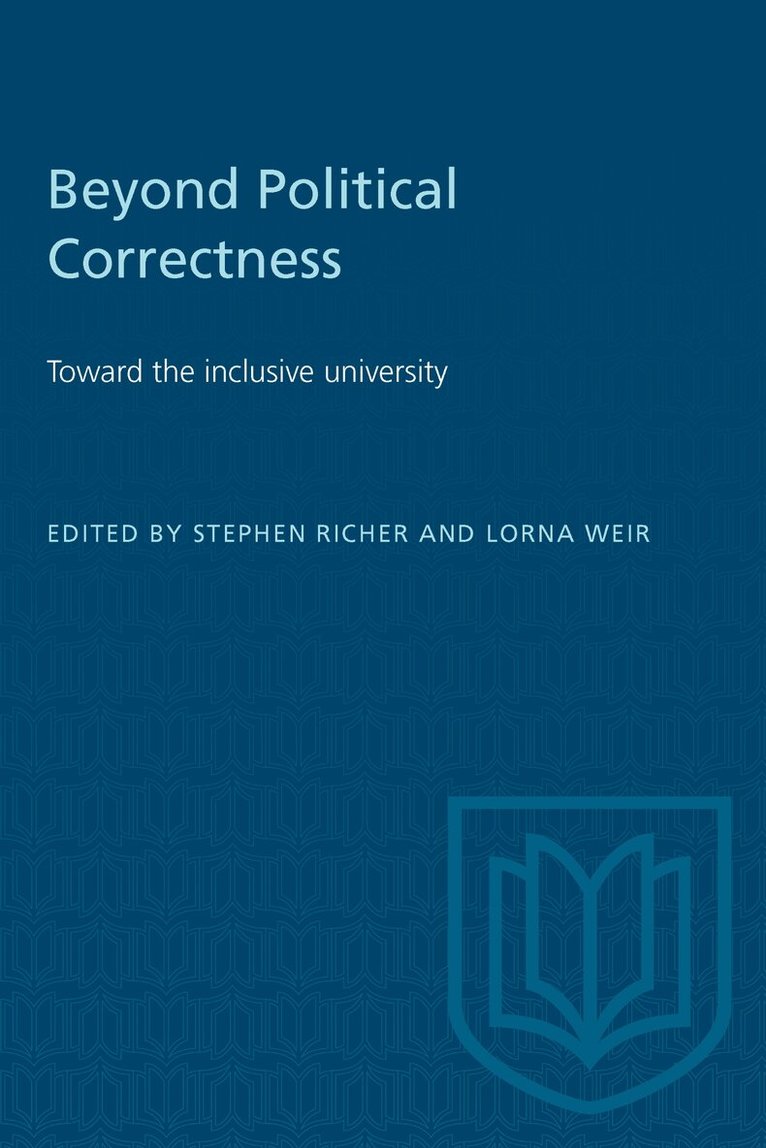
Beyond Political Correctness
Toward the Inclusive University
Häftad, 1995
370 kr
Lägg i varukorg
The term ‘political correctness’ has lately been transformed into a weapon of neo-conservatism. Once used to poke fun at social movements and civil-rights group for occasional lapses into rigidity, it has since become a popular handle for the neoconservative critique of higher education. Aimed at …
Pregnancy, Risk and Biopolitics
On the Threshold of the Living Subject
Av Lorna Weir
E-bok, 2006
1012 kr
Lägg i varukorg
Traditionally, Euroamerican cultures have considered that human status was conferred at the conclusion to childbirth. However, in contemporary Euroamerican biomedicine, law and politics, the living subject is often claimed to pre-exist birth. In this fascinating book Lorna Weir argues that the …
Pregnancy, Risk and Biopolitics
On the Threshold of the Living Subject
Av Lorna Weir
E-bok, 2006
1012 kr
Lägg i varukorg
Traditionally, Euroamerican cultures have considered that human status was conferred at the conclusion to childbirth. However, in contemporary Euroamerican biomedicine, law and politics, the living subject is often claimed to pre-exist birth. In this fascinating book Lorna Weir argues that the …
Global Public Health Vigilance
Creating a World on Alert
Av Eric Mykhalovskiy, Lorna Weir
E-bok, 2010
749 kr
Lägg i varukorg
Global Public Health Vigilance is the first sociological book to investigate recent changes in how global public health authorities imagine and respond to international threats to human health. This book explores a remarkable period of conceptual innovation during which infectious disease, …
Global Public Health Vigilance
Creating a World on Alert
Av Eric Mykhalovskiy, Lorna Weir
E-bok, 2010
733 kr
Lägg i varukorg
Global Public Health Vigilance is the first sociological book to investigate recent changes in how global public health authorities imagine and respond to international threats to human health. This book explores a remarkable period of conceptual innovation during which infectious disease, …
Beyond Political Correctness
Toward the Inclusive University
E-bok, 1995
473 kr
Lägg i varukorg
The term ‘political correctness’ has lately been transformed into a weapon of neo-conservatism. Once used to poke fun at social movements and civil-rights group for occasional lapses into rigidity, it has since become a popular handle for the neoconservative critique of higher education. Aimed at …