Louis Cozolino - Böcker
Visar alla böcker från författaren Louis Cozolino. Handla med fri frakt och snabb leverans.
15 produkter
15 produkter
Social Neuroscience of Education
Optimizing Attachment and Learning in the Classroom
Inbunden, Engelska, 2013
389 kr
Skickas inom 7-10 vardagar
This book explains how the brain, as a social organism, learns best throughout the lifespan, from our early schooling through late life. Positioning the brain as distinctly social, Louis Cozolino helps teachers make connections to neurobiological principles, with the goal of creating classrooms that nurture healthy attachment patterns and resilient psyches.Cozolino investigates what good teachers do to stimulate minds and brains to learn, especially when they succeed with difficult or “unteachable” students. He explores classroom teaching from the perspectives of social neuroscience and interpersonal neurobiology, showing how we can use the findings from these fields to maximize learning and stimulate the brain to grow. The book will have relevance to anyone concerned with twenty-first century learners and the social and emotional development of children.
Neuroscience of Human Relationships
Attachment and the Developing Social Brain
Inbunden, Engelska, 2014
601 kr
Skickas inom 7-10 vardagar
As human beings, we cherish our individuality yet we know that we live in constant relationship to others, and that other people play a significant part in regulating our emotional and social behavior. Although this interdependence is a reality of our existence, we are just beginning to understand that we have evolved as social creatures with interwoven brains and biologies. The human brain itself is a social organ and to truly understand being human, we must understand not only how we as whole people exist with others, but how our brains, themselves, exist in relationship to other brains.The first edition of this book tackled these important questions of interpersonal neurobiology—that the brain is a social organ built through experience—using poignant case examples from the author’s years of clinical experience. Brain drawings and elegant explanations of social neuroscience wove together emerging findings from the research literature to bring neuroscience to the stories of our lives.Since the publication of the first edition in 2006, the field of social neuroscience has grown at a mind-numbing pace. Technical advances now provide more windows into our inner neural universe and terms like attachment, empathy, compassion, and mindfulness have begun to appear in the scientific literature. Overall, there has been a deepening appreciation for the essential interdependence of brain and mind. More and more parents, teachers, and therapists are asking how brains develop, grow, connect, learn, and heal. The new edition of this book organizes this cutting-edge, abundant research and presents its compelling insights, reflecting a host of significant developments in social neuroscience.Our understanding of mirror neurons and their significance to human relationships has continued to expand and deepen and is discussed here. Additionally, this edition reflects the gradual shift in focus from individual brain structures to functional neural systems—an important and necessary step forward. A great deal of neural overlap has been discovered in brain activation when we are thinking about others and ourselves. This raises many questions including how we come to know others and whether the notion of an “individual self” is anything more than an evolutionary strategy to support our interconnection.In short, we are just beginning to see the larger implications of all neurological processes—how the architecture of the brain can help us to better understand individuals and our relationships. This book gives readers a deeper appreciation of how and why relationships have the power to reshape our brains throughout our life.
287 kr
Skickas inom 7-10 vardagar
An ideal text for teacher education and training and even teacher-parent workshops, this book applies laboratory findings from cognitive neuroscience to the practicalities of the classroom. Louis Cozolino equips teachers with the tools and skills they need to utilise the lessons of social neuroscience in the classroom and cultivate optimal learning.
284 kr
Skickas inom 7-10 vardagar
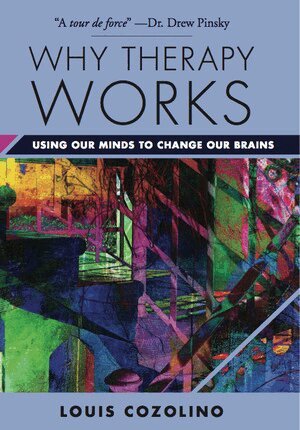
That psychotherapy works is a basic assumption of anyone who sees a therapist. But why does it work? And why does it matter that we understand how it works?In Why Therapy Works, Louis Cozolino explains the mechanisms of psychotherapeutic change from the bottom up, beginning with the brain, and how brains have evolved—especially how brains evolved to learn, unlearn and relearn, which is at the basis of lasting psychological change.Readers will learn why therapists have to look beyond just words, diagnoses and presenting problems to the inner histories of their clients in order to discover paths to positive change. The book also shows how our brains have evolved into social organs and how our interpersonal lives are a source of both pain and power. Readers will explore with Cozolino how our brains are programmed to connect in intimate relationships and come to understand the debilitating effects of anxiety, stress and trauma.Finally, the book will lead to an understanding of the power of story and narratives for fostering self-regulation, neural integration and positive change.Always, the focus of the book is in understanding underlying therapeutic change, moving beyond the particular of specific forms of therapy to the commonalities of human evolution, biology and experience.This book is for anyone who has experienced the benefits of therapy and wondered how it worked. It is for anyone thinking about whether therapy is right for them, and it is for anyone who has looked within themselves and marvelled at people's ability to experience profound transformation.
694 kr
Tillfälligt slut
185 kr
Skickas inom 7-10 vardagar
Few prejudices in Western society are more powerful than those concerning aging. Until recently, we have assumed that the story of aging is one of loss and decline. But there’s an entirely different truth. Yes, you can teach an old dog—or even a sort of old dog—new tricks.Is there a secret to staying young? It turns out that there are many, and they all begin with nurturing our existing relationships to foster brain health, keeping us happier and healthier.As readers of this book will learn, wisdom, enhanced social relationships, greater adaptation and flexibility (mental, if not physical!)—all these things can be attained as we grow older. Filled with both practical and thought-provoking suggestions, this book is a must-read for anyone who wants to age in style.
366 kr
Skickas
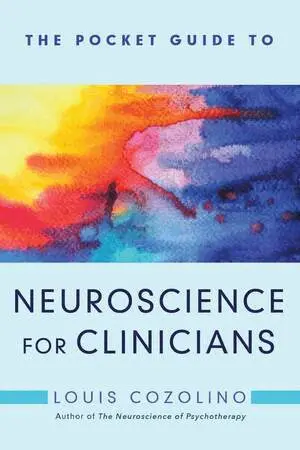
Louis Cozolino helps clinicians to broaden their thinking and deepen their clinical toolbox through an understanding of neuroscience, brain development, epigenetics and the role of attachment in brain development and behaviour.The effective therapist must have knowledge of evolution and neuroanatomy, as well as the systems of our brains and how they work together to give rise to who we are, how we thrive and why we suffer. This book will give clinicians all they need to understand:The social brainThe developing brainThe executive brainConsciousnessAttachmentTraumaMemoryThe latest information about clinical assessmentKey figures and terms of neuroscience, along with numerous case examples, bring the material to life.Cozolino is one of the most gifted clinical writers on neuroscience and his long- awaited pocket guide is a must-buy for any clinician working on the cutting edge of treatment.
320 kr
Skickas inom 7-10 vardagar
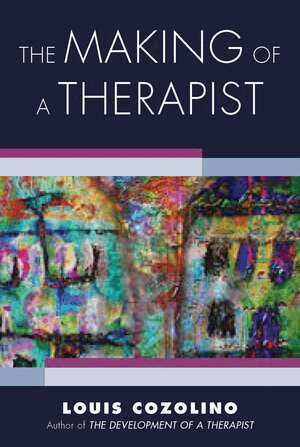
Veteran therapist and mental health writer Louis Cozolino’s classic text contains all of the things he wished someone had told him during the first weeks and months of his clinical training. Now available in paperback, the book includes guidance about working with your clients, such as how to: Cope with silenceHandle their direct questionsGet them to talk less and say moreIt also focuses on the inner experience of becoming a therapist and ways of thinking and feeling while sitting across from clients. It speaks honestly about not having all the answers, and shuttling up and down between your head and your heart as struggling clients sit before you. It balances the process of developing therapeutic skills while also taking an inner journey—to becoming the professional, and person, you hope to be. With a new introduction to the paperback edition, this book remains an essential clinical reference.A Test Bank is available for professors using the book as a course text.
338 kr
Skickas inom 7-10 vardagar
Louis Cozolino, one of our most compelling clinical writers, takes us inside the mind and heart of a seasoned therapist, carrying on the tradition of personal and professional writing begun in The Making of a Therapist. This book discusses some of the more abstract concepts and ways of interacting with clients such as relaxed curiosity, finding the secret ally and discovering the deep narrative. Also addressed are clinical concepts such as related states of mind, the process of change, free-floating attention and listening with the third ear.More than just theoretical commentary, the book offers concrete clinical advice for the experienced therapist and brings a fresh perspective to some of the most current clinical challenges including the complexities of executive functioning; treating clients with internet addiction; and taking responsibility for your continued personal growth, clinical supervision and education after leaving school.
440 kr
Skickas inom 7-10 vardagar
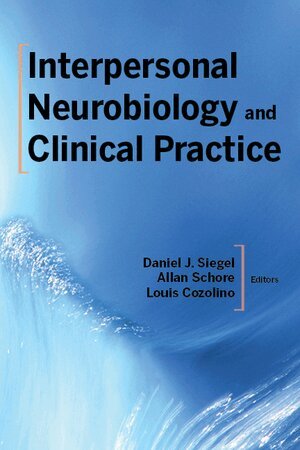
Books in the Norton Series on Interpersonal Neurobiology have collectively sold close to one million copies and contributed to a revolution in cutting-edge mental health care. An interpersonal neurobiology of human development enables us to understand that the structure and function of the mind and brain are shaped by experiences; especially those involving emotional relationships.Here, the three series editors have enlisted some of the most widely read IPNB authors to reflect on the impact of IPNB on their clinical practice and offer words of wisdom to the hundreds of thousands of IPNB-informed clinicians around the world. Topics include:Dan Hill on dysregulation and impaired states of consciousnessDeb Dana on the polyvagal perspectiveBonnie Badenoch on therapeutic presenceKathy Steele on motivational systems in complex trauma
167 kr
Skickas inom 7-10 vardagar
From best-selling author Louis Cozolino, the essentials of the interconnection between brain, mind and relationships. Each Quick Reference Guide places the essentials of Interpersonal Neurobiology (IPNB)—the theory of interconnection between brain, mind and relationships—at the practitioner’s fingertips. Designed to be at the therapist’s side for easy reference, this 8.5"×11" laminated card presents a facet of this omnipresent topic in six easy-to-follow panels. These Quick Reference Guides are perfect as a brief refresher for the practitioner as well as a tool for their students and clients.
167 kr
Skickas inom 7-10 vardagar
This Quick Reference Guide places the essentials of Interpersonal Neurobiology (IPNB)—the theory of interconnection between brain, mind and relationships—at the practitioner’s fingertips. Designed to be at the therapist’s side for easy reference, a 8.5"×11" laminated card presents a facet of this omnipresent topic in six easy-to-follow panels. Readers will find diagnosis criteria and treatment modalities for various forms of trauma as well as an overview of attachment theory and the essential neuroscience concepts of attachment. Quick Reference Guides are perfect as a brief refresher for the practitioner as well as a tool for their students and clients.
193 kr
Skickas inom 7-10 vardagar
This Quick Reference Guide places the essentials of Interpersonal Neurobiology (IPNB)—the theory of interconnection between brain, mind and relationships—at the practitioner’s fingertips. Designed to be at the therapist’s side for easy reference, a 8.5"×11" laminated card presents a facet of this omnipresent topic in six easy-to-follow panels. Readers will find diagnosis criteria and treatment modalities for various forms of trauma as well as an overview of attachment theory and the essential neuroscience concepts of attachment. Quick Reference Guides are perfect as a brief refresher for the practitioner as well as a tool for their students and clients.
628 kr
Skickas inom 7-10 vardagar
This ground-breaking book explores the revolution in psychotherapy that brought an understanding of the social nature of people’s brains into a therapeutic context. Louis Cozolino is a master at synthesising neuroscience and demonstrating how it applies to psychotherapy practice. Here, he argues that all forms of psychotherapy are successful to the extent to which they enhance change in relevant neural circuits.Beginning with an overview of the intersecting fields of neuroscience and psychotherapy, this book delves into the brain’s inner workings, from basic neuronal building blocks to complex systems of memory, language and the organisation of experience. In this updated edition, readers will also find new content on the evolutionary foundations of psychotherapy; the necessity of gaining broad perspectives on mind, brain and culture in clinical training; the importance of interpreting research with the human brain’s biases in mind; the debatable applicability of Eurocentric perceptions of “self” and more.
Executive Functioning and Psychotherapy
The New Neuroscience of Adaptive Intelligence
Häftad, Engelska, 2025
428 kr
Skickas inom 7-10 vardagar
Executive functioning (EF) can be defined as a person’s ability to successfully navigate their physical, intellectual and social worlds. Interest in EF is expanding within psychotherapy, but like many scientific concepts which are adapted to the consulting room, there is a great deal of confusion and misinformation surrounding EF within clinical and lay communities.In this book, Louis Cozolino—a master of translating complex neuroscientific concepts into digestible, applicable literature for therapists and laypeople alike—is joined by experts Chloe Drulis and Carly Trissler to illuminate how our brains and minds successfully navigate the challenges of day-to-day life. The book offers a new, neurodynamic model of EF that explains the three main executive systems in the brain and the specific ways that they influence how we think, focus and solve problems. This neurobiological framework highlights the interconnectedness of cognition, emotion and relationships, providing readers with a deeper understanding of how humans function and strategies to improve outcomes in therapy, parenting, executive coaching and personal development.