Louis Fiset - Böcker
Visar alla böcker från författaren Louis Fiset. Handla med fri frakt och snabb leverans.
4 produkter
4 produkter
1 199 kr
Skickas inom 7-10 vardagar
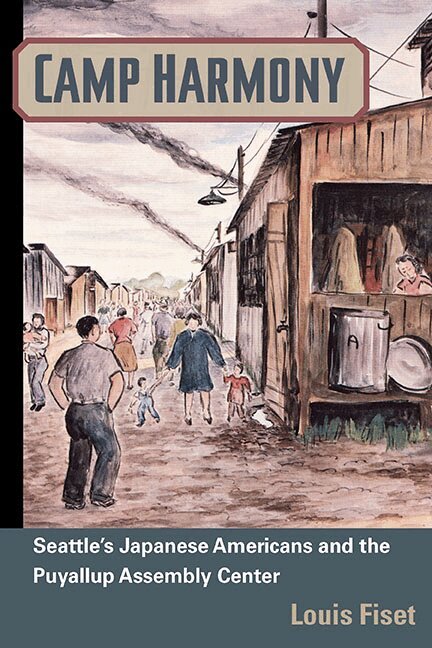
This book is the first full portrait of a single assembly center--located at the Western Washington fairgrounds at Puyallup, outside Seattle--that held Japanese Americans for four months prior to their transfer to a relocation center during World War II. Gathering archival evidence and eyewitness accounts, Louis Fiset reconstructs the events leading up to the incarceration as they unfolded on a local level: arrests of Issei leaders, Nikkei response to the war dynamics, debates within the white community, and the forced evacuation of the Nikkei community from Bainbridge Island. The book explores the daily lives of the more than seven thousand inmates at "Camp Harmony," detailing how they worked, played, ate, and occasionally fought with each other and with their captors. Fiset also examines the inmates' community life, health care, and religious activities. He includes details on how army surveyors selected the center's site, oversaw its construction, and managed the transfer of inmates to the more permanent Minidoka Relocation Center in Idaho.
291 kr
Skickas inom 7-10 vardagar
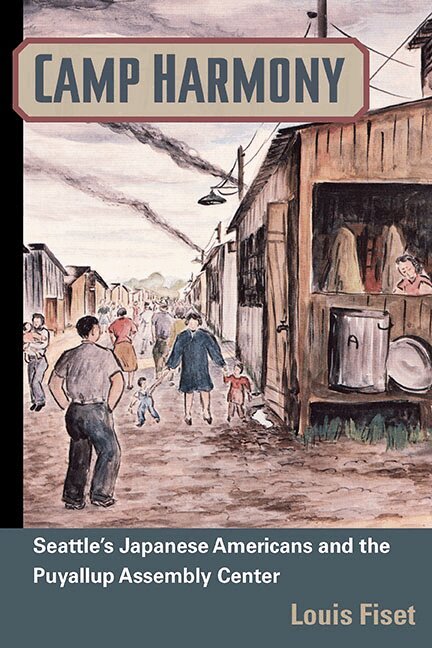
This book is the first full portrait of a single assembly center--located at the Western Washington fairgrounds at Puyallup, outside Seattle--that held Japanese Americans for four months prior to their transfer to a relocation center during World War II. Gathering archival evidence and eyewitness accounts, Louis Fiset reconstructs the events leading up to the incarceration as they unfolded on a local level: arrests of Issei leaders, Nikkei response to the war dynamics, debates within the white community, and the forced evacuation of the Nikkei community from Bainbridge Island. The book explores the daily lives of the more than seven thousand inmates at "Camp Harmony," detailing how they worked, played, ate, and occasionally fought with each other and with their captors. Fiset also examines the inmates' community life, health care, and religious activities. He includes details on how army surveyors selected the center's site, oversaw its construction, and managed the transfer of inmates to the more permanent Minidoka Relocation Center in Idaho.
512 kr
Skickas inom 3-6 vardagar
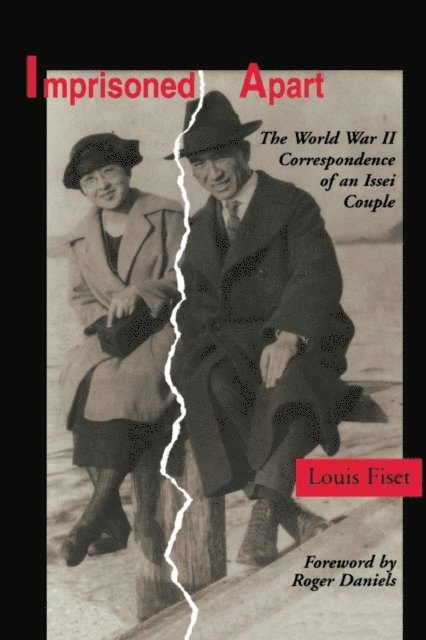
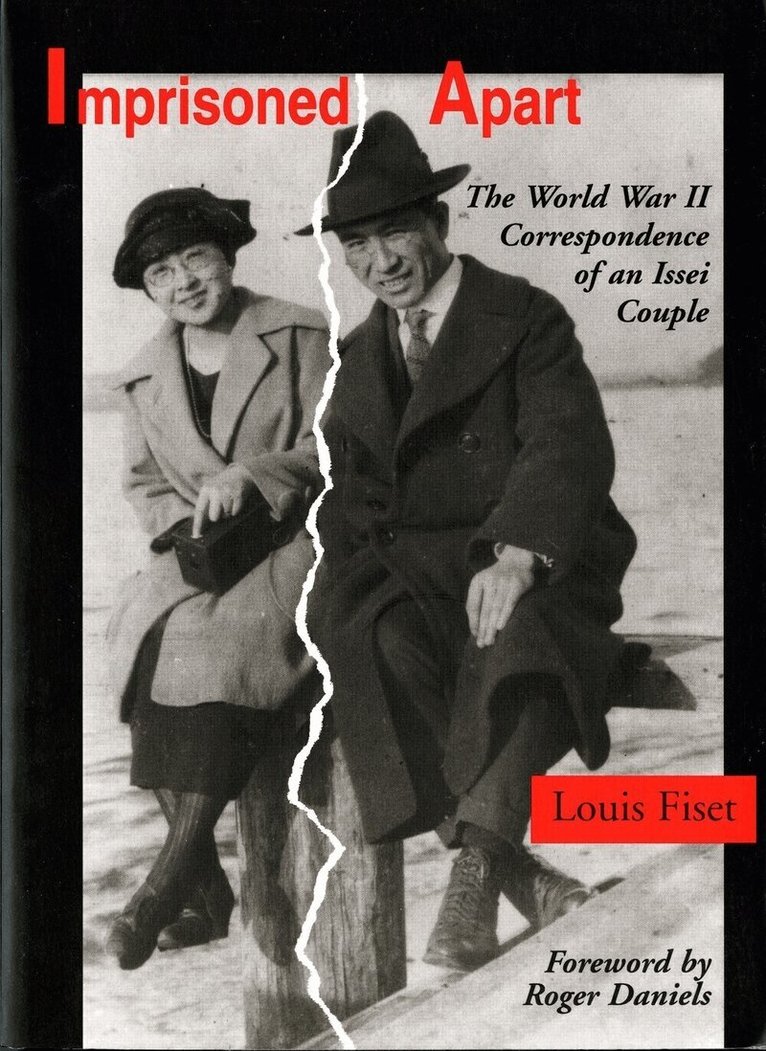
“Please don’t cry,” wrote Iwao Matsushita to his wife Hanaye, telling her he was to be interned for the duration of the war. He was imprisoned in Fort Missoula, Montana, and she was incarcerated at the Minidoka Relocation Center in southwestern Idaho. Their separation would continue for more than two years.Imprisoned Apart is the poignant story of a young teacher and his bride who came to Seattle from Japan in 1919 so that he might study English language and literature, and who stayed to make a home. On the night of December 7, 1941, the FBI knocked at the Matsushitas’ door and took Iwao away, first to jail at the Seattle Immigration Stateion and then, by special train, windows sealed and guards at the doors, to Montana. He was considered an enemy alien, “potentially dangerous to public safety,” because of his Japanese birth and professional associations.The story of Iwao Matsushita’s determination to clear his name and be reunited with his wife, and of Hanaye Matsushita’s growing confusion and despair, unfolds in their correspondence, presented here in full. Their cards and letters, most written in Japanese, some in English when censors insisted, provided us with the first look at life inside Fort Missoula, one of the Justice Department’s wartime camp for enemy aliens. Because Iwao was fluent in both English and Japanese, his communications are always articulate, even lyrical, if restrained. Hanaye communicated briefly and awkwardly in English, more fully and openly in Japanese.Fiset presents a most affecting human story and helps us to read between the lines, to understand what was happening to this gentle, sensitive pair. Hanaye suffered the emotional torment of disruption and displacement from everything safe and familiar. Iwao, a scholarly man who, despite his imprisonment, did not falter in his committment to his adopted country, suffered the ignominity of suspicion of being disloyal. After the war, he worked as a subject specialist at the University of Washington’s Far Eastern Library and served as principal of Seattle’s Japanese Language School, faithful to the Japanese American community until his death in 1979.
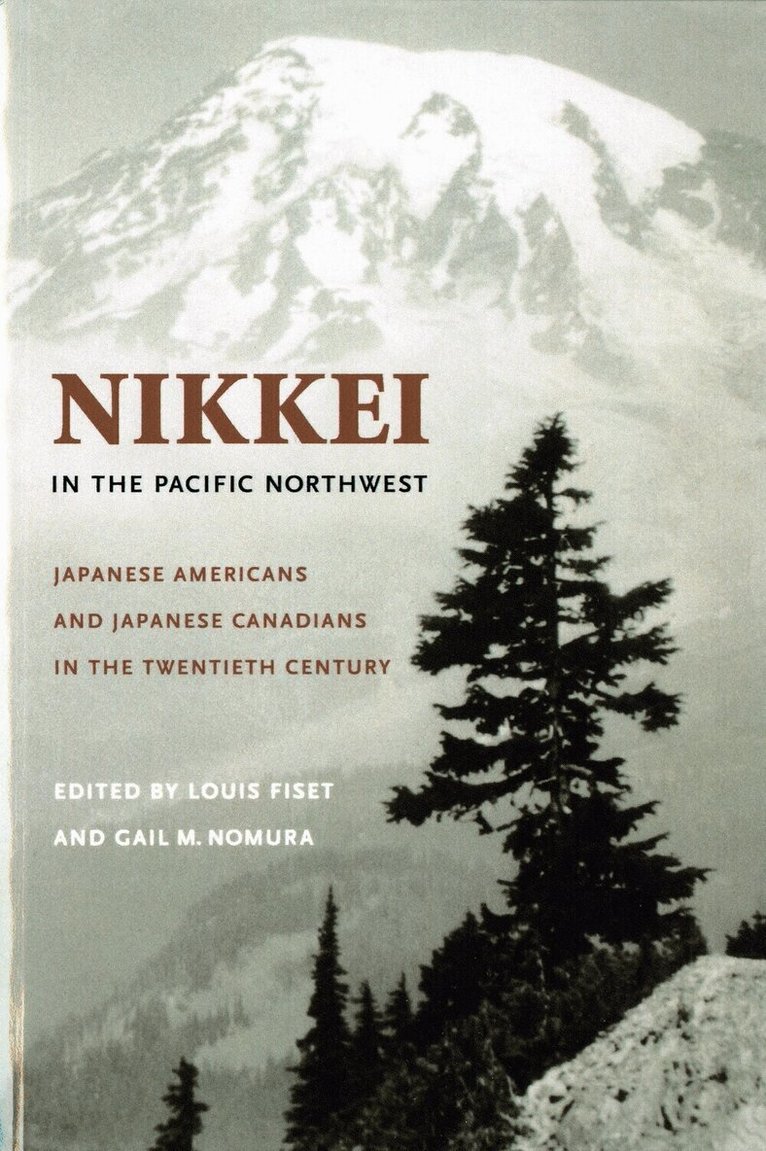
Nikkei in the Pacific Northwest
Japanese Americans and Japanese Canadians in the Twentieth Century
Häftad, Engelska, 2005
444 kr
Skickas inom 7-10 vardagar
Challenging the notion that Nikkei individuals before and during World War II were helpless pawns manipulated by forces beyond their control, the diverse essays in this rich collection focus on the theme of resistance within Japanese American and Japanese Canadian communities to twentieth-century political, cultural, and legal discrimination. They illustrate how Nikkei groups were mobilized to fight discrimination through assertive legal challenges, community participation, skillful print publicity, and political and economic organization.Comprised of all-new and original research, this is the first anthology to highlight the contributions and histories of Nikkei within the entire Pacific Northwest, including British Columbia.