Louis T. Wells – författare
Visar alla böcker från författaren Louis T. Wells. Handla med fri frakt och snabb leverans.
4 produkter
4 produkter
E-bok
Engelska, 2006389 kr
Läs direkt efter köp
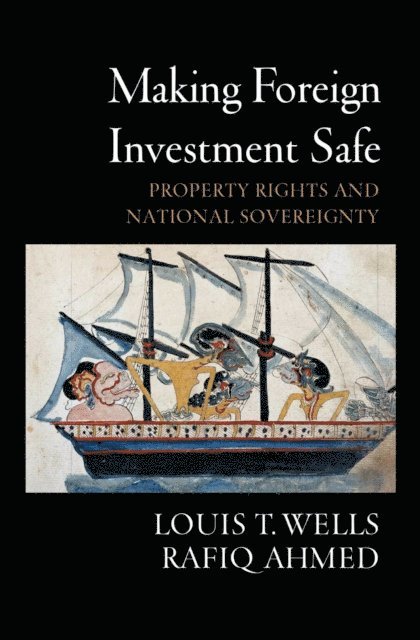
With real case stories, Wells and Ahmed bring to life both the hopes for and the failures of international guarantees of property rights for investors in the developing world. Their cases focus on infrastructure projects, but the lessons apply equally to many other investments. In the 1990''s inexperienced firms from rich countries jumped directly into huge projects in some of the world''s least developed countries. Their investments reflected almost unbridled enthusiasm for emerging markets and trust in new international guarantees. Yet within a few years the business pages of the world press were reporting an exploding number of serious disputes between foreign investors and governments. As the expected bonanzas proved elusive and the protections weaker than anticipated, many foreign investors became disenchanted with emerging markets. So bad were the outcomes in some cases that a few notable infrastructure firms came close to bankruptcy; several others hurriedly fled poor countries as projects soured. In this book, Louis Wells and Rafiq Ahmed show why disputes developed, point out how investments and disputes have changed over time, explore why various firms responded differently to crises, and question the basic wisdom of some of the enthusiasm for privatization. The authors tell how firms, countries, and multilateral development organizations can build a conflict-management system that balances the legitimate economic and social concerns of the host countries and those of investors. Without these changes, multinational corporations will lose profitable opportunities and poor countries will not gain the contributions that foreign investment can make toward alleviating poverty.
Inbunden, Engelska, 2007
466 kr
Skickas inom 5-8 vardagar
The 1980s and 1990s brought new protections to foreign investors in risky countries. Yet, the assurances failed to meet investors needs, imposed sometimes inordinate costs on poor countries, and widely rankled nationalistic sensibilities. The book's case histories suggest reforms for international arbitration and official investment insurance and offer lessons for managers who want to make their investments more secure.
E-bok
PDF, Engelska, 2006389 kr
Läs direkt efter köp
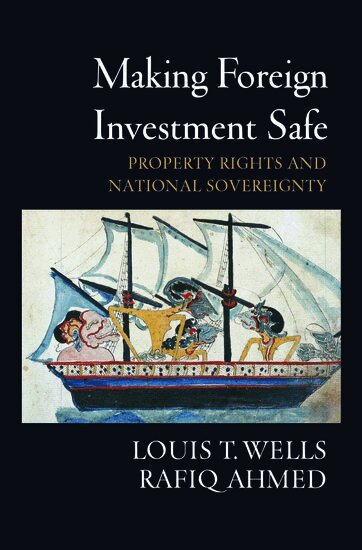
With real case stories, Wells and Ahmed bring to life both the hopes for and the failures of international guarantees of property rights for investors in the developing world. Their cases focus on infrastructure projects, but the lessons apply equally to many other investments. In the 1990''s inexperienced firms from rich countries jumped directly into huge projects in some of the world''s least developed countries. Their investments reflected almost unbridled enthusiasm for emerging markets and trust in new international guarantees. Yet within a few years the business pages of the world press were reporting an exploding number of serious disputes between foreign investors and governments. As the expected bonanzas proved elusive and the protections weaker than anticipated, many foreign investors became disenchanted with emerging markets. So bad were the outcomes in some cases that a few notable infrastructure firms came close to bankruptcy; several others hurriedly fled poor countries as projects soured. In this book, Louis Wells and Rafiq Ahmed show why disputes developed, point out how investments and disputes have changed over time, explore why various firms responded differently to crises, and question the basic wisdom of some of the enthusiasm for privatization. The authors tell how firms, countries, and multilateral development organizations can build a conflict-management system that balances the legitimate economic and social concerns of the host countries and those of investors. Without these changes, multinational corporations will lose profitable opportunities and poor countries will not gain the contributions that foreign investment can make toward alleviating poverty.
Häftad, Engelska, 2000
291 kr
Skickas inom 10-15 vardagar
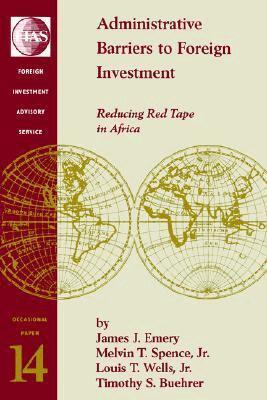
When at every turn, they find a new twist, or a new requirement, foreign investors in Africa can be easily discouraged from setting up businesses. Although many African governments have liberalized and reformed investment policies and promote themselves as investment sites, the reality facing investors differs greatly. To help change the "lack of investor response" to Africa's enticements, this book examines the administrative constraints to investment in several African countries. It presents the experience that confronts investors when they set up a company. The case histories demonstrate how the morass of licenses, approvals, permits, and other requirements that result in undue delays and unforeseen costs encourage bribery and corruption and foster an environment of pervasive uncertainty for all investors. The chapters are divided into four areas, which correspond roughly to the chronological process of investment. They are: general approvals, licenses, and registrations; specialized approvals; requirements to gain access to land, site development, and utility connections; and operational requirements.This publication will be of interest to government officials, academics, and investment firms.