Lucí Cavallero - Böcker
Visar alla böcker från författaren Lucí Cavallero. Handla med fri frakt och snabb leverans.
3 produkter
3 produkter
869 kr
Skickas inom 7-10 vardagar
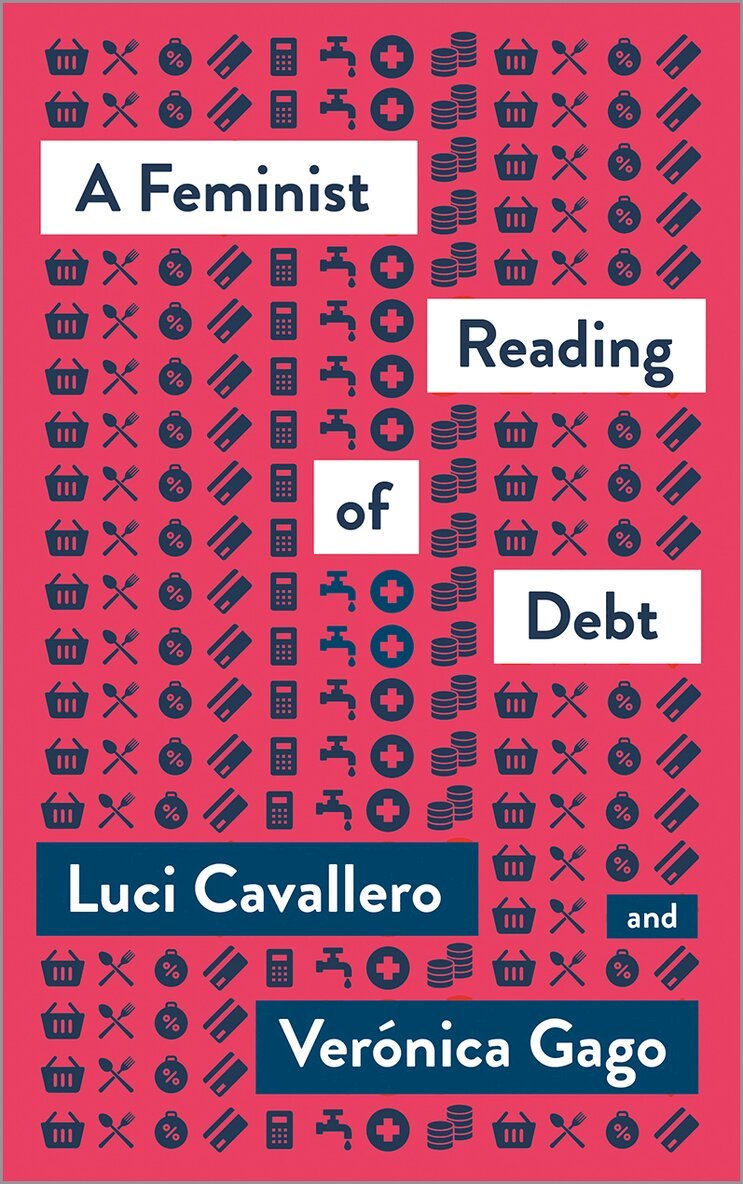
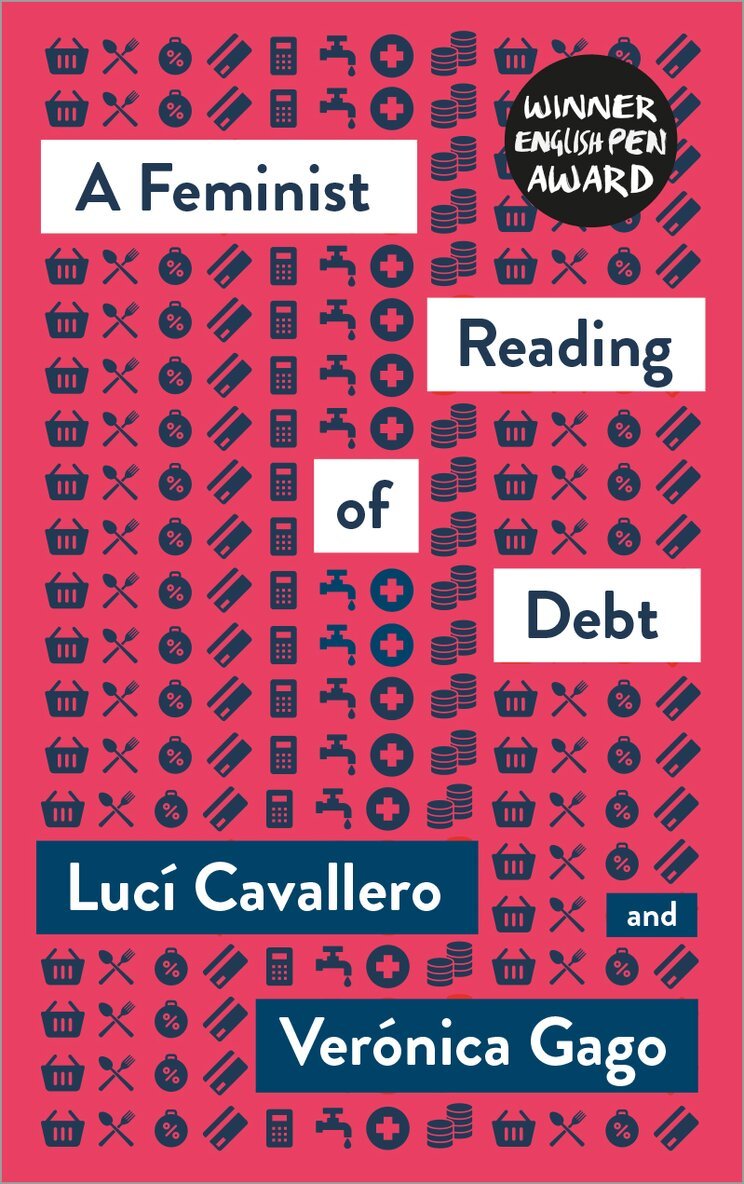
***Winner of an English PEN Award 2021***In this sharp intervention, authors Lucí Cavallero and Verónica Gago defiantly develop a feminist understanding of debt, showing its impact on women and members of the LGBTQ+ community and examining the relationship between debt and social reproduction.Exploring the link between financial activity and the rise of conservative forces in Latin America, the book demonstrates that debt is intimately linked to gendered violence and patriarchal notions of the family. Yet, rather than seeing these forces as insurmountable, the authors also show ways in which debt can be resisted, drawing on concrete experiences and practices from Latin America and around the world.Featuring interviews with women in Argentina and Brazil, the book reveals the real-life impact of debt and how it falls mainly on the shoulders of women, from the household to the wider effects of national debt and austerity. However, through discussions around experiences of work, prisons, domestic labour, agriculture, family, abortion and housing, a narrative of resistance emerges.Translated by Liz Mason-Deese.
179 kr
Skickas inom 7-10 vardagar
***Winner of an English PEN Award 2021***In this sharp intervention, authors Lucí Cavallero and Verónica Gago defiantly develop a feminist understanding of debt, showing its impact on women and members of the LGBTQ+ community and examining the relationship between debt and social reproduction.Exploring the link between financial activity and the rise of conservative forces in Latin America, the book demonstrates that debt is intimately linked to gendered violence and patriarchal notions of the family. Yet, rather than seeing these forces as insurmountable, the authors also show ways in which debt can be resisted, drawing on concrete experiences and practices from Latin America and around the world.Featuring interviews with women in Argentina and Brazil, the book reveals the real-life impact of debt and how it falls mainly on the shoulders of women, from the household to the wider effects of national debt and austerity. However, through discussions around experiences of work, prisons, domestic labour, agriculture, family, abortion and housing, a narrative of resistance emerges.Translated by Liz Mason-Deese.
152 kr
Skickas inom 5-8 vardagar
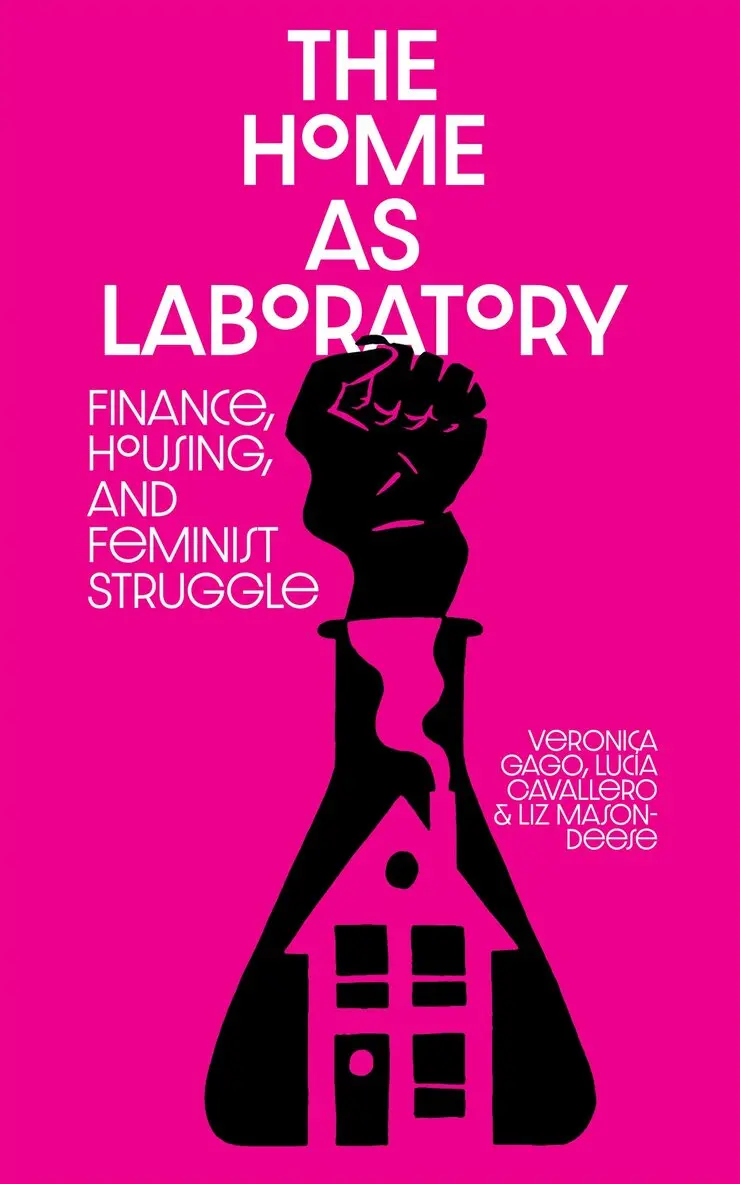
The home has become a laboratory for capital but also for forms of financial disobedience. It has become increasingly clear that home is not a site of private life and isolation, but a battleground where the conflict over the reorganization of working days, over what even counts as labor, is waged. In the very spaces that capital historically sought to portray as an “unproductive” and apolitical space, and refused to pay for, now emerge new forms of debt and profit extraction. Although the home has been transformed into a favored site of finance’s colonization of social life and of experimentation for capital, this is not a finished process—or one without its resistance. The Home as Laboratory traces this story through the links between debt and financial technologies, the violence of property, and reproductive and feminized labor, and everyday forms of feminist organizing. Drawing on militant research and interventions with feminist organizers in informal settlements and renters’ organizations in Buenos Aires, Luci Cavallero, Verónica Gago, and Liz Mason-Deese offer a powerful feminist methodology that points to the vital space of the home as an open dispute. They critically analyze the changes that have occurred in domestic routines, in labor dynamics, in the very cuts imposed by the pandemic’s reorganization of the sensible and of logistics. Thus, the home—its spatiality, functioning, and dynamics—suffered from reconfigurations during these novel years of the COVID-19 pandemic that have not ended. Yet, these processes are also resisted by feminist organizations, which have put the question of debt at the forefront of alliance-building, political education, and public interventions.