Lucianne Lavin - Böcker
Visar alla böcker från författaren Lucianne Lavin. Handla med fri frakt och snabb leverans.
5 produkter
5 produkter
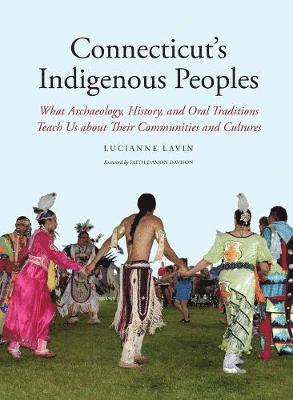
Connecticut's Indigenous Peoples: What Archaeology, History, and Oral Traditions Teach Us about Their Communities and Cultures
Häftad, Engelska
208 kr
Tillfälligt slut
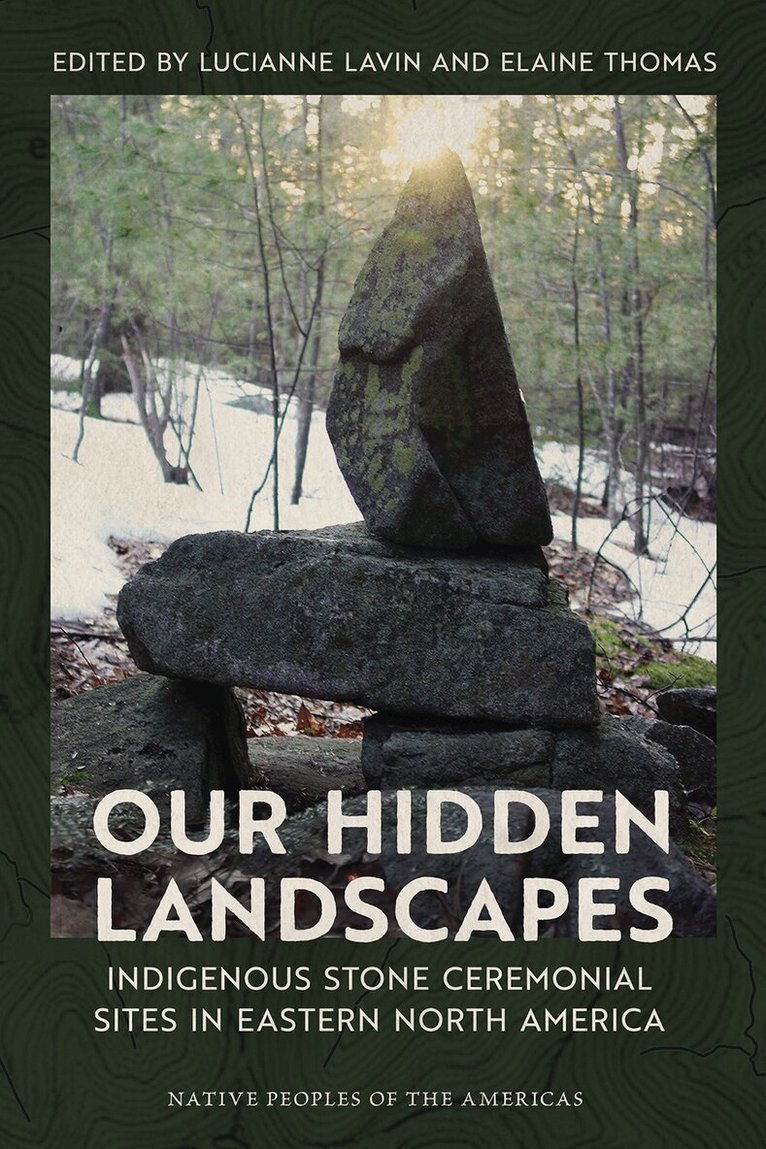
Our Hidden Landscapes
Indigenous Stone Ceremonial Sites in Eastern North America
Inbunden, Engelska, 2023
817 kr
Skickas inom 7-10 vardagar
Challenging traditional and long-standing understandings, this volume provides an important new lens for interpreting stone structures that had previously been attributed to settler colonialism. Instead, the contributors to this volume argue that these locations are sacred Indigenous sites.This volume introduces readers to eastern North America’s Indigenous ceremonial stone landscapes (CSLs)--sacred sites whose principal identifying characteristics are built stone structures that cluster within specific physical landscapes. Our Hidden Landscapes presents these often unrecognized sites as significant cultural landscapes in need of protection and preservation.In this book, Native American authors provide perspectives on the cultural meaning and significance of CSLs and their characteristics, while professional archaeologists and anthropologists provide a variety of approaches for better understanding, protecting, and preserving them. The chapters present overwhelming evidence in the form of oral tradition, historic documentation, ethnographies, and archaeological research that these important sites created and used by Indigenous peoples are deserving of protection.This work enables archaeologists, historians, conservationists, foresters, and members of the general public to recognize these important ritual sites.ContributorsNohham Rolf Cachat-SchillingRobert DeFossesJames GageMary GageDoug HarrisJulia A. KingLucianne LavinJohannes (Jannie) H. N. LoubserFrederick W. MartinNorman MullerCharity Moore NortonPaul A. RobinsonLaurie W. RushScott M. StricklandElaine ThomasKathleen Patricia ThraneMatthew Victor Weiss
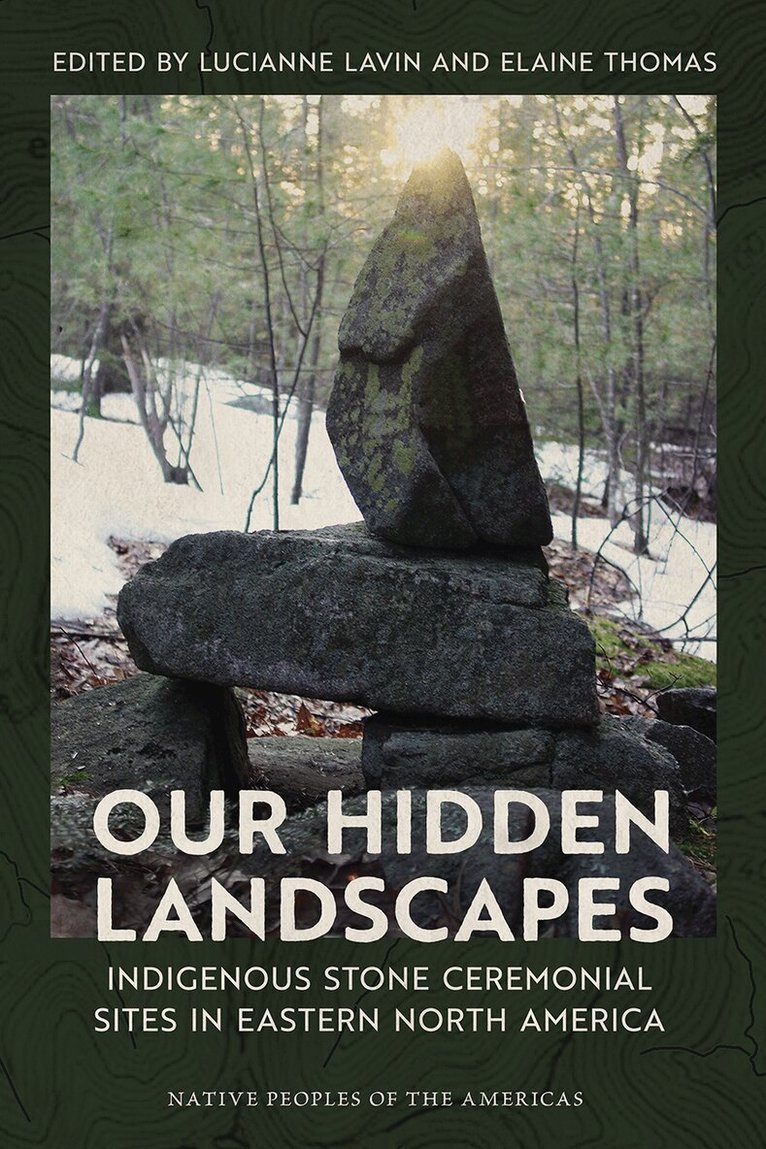
Our Hidden Landscapes
Indigenous Stone Ceremonial Sites in Eastern North America
Häftad, Engelska, 2025
409 kr
Skickas inom 11-20 vardagar
Challenging traditional and long-standing understandings, this volume provides an important new lens for interpreting stone structures that had previously been attributed to settler colonialism. Instead, the contributors to this volume argue that these locations are sacred Indigenous sites.This volume introduces readers to eastern North America's Indigenous ceremonial stone landscapes (CSLs) - sacred sites whose principal identifying characteristics are built stone structures that cluster within specific physical landscapes. Our Hidden Landscapes presents these often unrecognized sites as significant cultural landscapes in need of protection and preservation.In this book, Native American authors provide perspectives on the cultural meaning and significance of CSLs and their characteristics, while professional archaeologists and anthropologists provide a variety of approaches for better understanding, protecting, and preserving them. The chapters present overwhelming evidence in the form of oral tradition, historic documentation, ethnographies, and archaeological research that these important sites created and used by Indigenous peoples are deserving of protection.This work enables archaeologists, historians, conservationists, foresters, and members of the general public to recognize these important ritual sites.ContributorsNohham Rolf Cachat-SchillingRobert DeFossesJames GageMary GageDoug HarrisJulia A. KingLucianne LavinJohannes (Jannie) H. N. LoubserFrederick W. MartinNorman MullerCharity Moore NortonPaul A. RobinsonLaurie W. RushScott M. StricklandElaine ThomasKathleen Patricia ThraneMatthew Victor Weiss
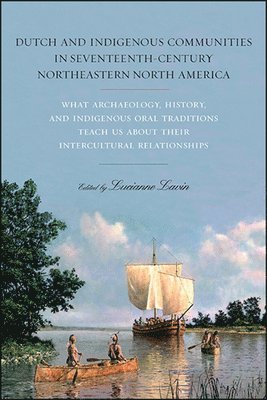
Dutch and Indigenous Communities in Seventeenth-Century Northeastern North America
What Archaeology, History, and Indigenous Oral Traditions Teach Us about Their Intercultural Relationships
Häftad, Engelska, 2022
611 kr
Skickas inom 3-6 vardagar
Examines the significant impact of Dutch traders and settlers on the early history of Northeastern North America, and their relationships with its Indigenous peoples.This volume of essays by historians and archaeologists offers an introduction to the significant impact of Dutch traders and settlers on the early history of Northeastern North America, as well as their extensive and intensive relationships with its Indigenous peoples. Often associated with the Hudson River Valley, New Netherland actually extended westward into present day New Jersey and Delaware and eastward to Cape Cod. Further, New Netherland was not merely a clutch of Dutch trading posts: settlers accompanied the Dutch traders, and Dutch colonists founded towns and villages along Long Island Sound, the mid-Atlantic coast, and up the Connecticut, Hudson, and Delaware River valleys. Unfortunately, few nonspecialists are aware of this history, especially in what was once eastern and western New Netherland (southern New England and the Delaware River Valley, respectively), and the essays collected here help strengthen the case that the Dutch deserve a more prominent position in future history books, museum exhibits, and school curricula than they have previously enjoyed.The archaeological content includes descriptions of both recent excavations and earlier, unpublished archaeological investigations that provide new and exciting insights into Dutch involvement in regional histories, particularly within Long Island Sound and inland New England. Although there were some incidences of cultural conflict, the archaeological and documentary findings clearly show the mutually tolerant, interdependent nature of Dutch-Indigenous relationships through time. One of the essays, by a Mohawk community member, provides a thought-provoking Indigenous perspective on Dutch–Native American relationships that complements and supplements the considerations of his fellow writers. The new archaeological and ethnohistoric information in this book sheds light on the motives, strategies, and sociopolitical maneuvers of seventeenth-century Native leadership, and how Indigenous agency helped shape postcontact histories in the American Northeast.
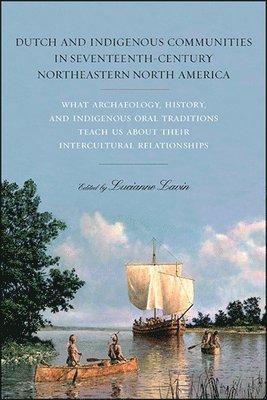
Dutch and Indigenous Communities in Seventeenth-Century Northeastern North America
What Archaeology, History, and Indigenous Oral Traditions Teach Us about Their Intercultural Relationships
Inbunden, Engelska, 2021
1 019 kr
Skickas
Examines the significant impact of Dutch traders and settlers on the early history of Northeastern North America, and their relationships with its Indigenous peoples.This volume of essays by historians and archaeologists offers an introduction to the significant impact of Dutch traders and settlers on the early history of Northeastern North America, as well as their extensive and intensive relationships with its Indigenous peoples. Often associated with the Hudson River Valley, New Netherland actually extended westward into present day New Jersey and Delaware and eastward to Cape Cod. Further, New Netherland was not merely a clutch of Dutch trading posts: settlers accompanied the Dutch traders, and Dutch colonists founded towns and villages along Long Island Sound, the mid-Atlantic coast, and up the Connecticut, Hudson, and Delaware River valleys. Unfortunately, few nonspecialists are aware of this history, especially in what was once eastern and western New Netherland (southern New England and the Delaware River Valley, respectively), and the essays collected here help strengthen the case that the Dutch deserve a more prominent position in future history books, museum exhibits, and school curricula than they have previously enjoyed.The archaeological content includes descriptions of both recent excavations and earlier, unpublished archaeological investigations that provide new and exciting insights into Dutch involvement in regional histories, particularly within Long Island Sound and inland New England. Although there were some incidences of cultural conflict, the archaeological and documentary findings clearly show the mutually tolerant, interdependent nature of Dutch-Indigenous relationships through time. One of the essays, by a Mohawk community member, provides a thought-provoking Indigenous perspective on Dutch–Native American relationships that complements and supplements the considerations of his fellow writers. The new archaeological and ethnohistoric information in this book sheds light on the motives, strategies, and sociopolitical maneuvers of seventeenth-century Native leadership, and how Indigenous agency helped shape postcontact histories in the American Northeast.