Lucie Béraud-Sudreau – författare
371 kr
Skickas inom 10-15 vardagar
422 kr
Läs direkt efter köp
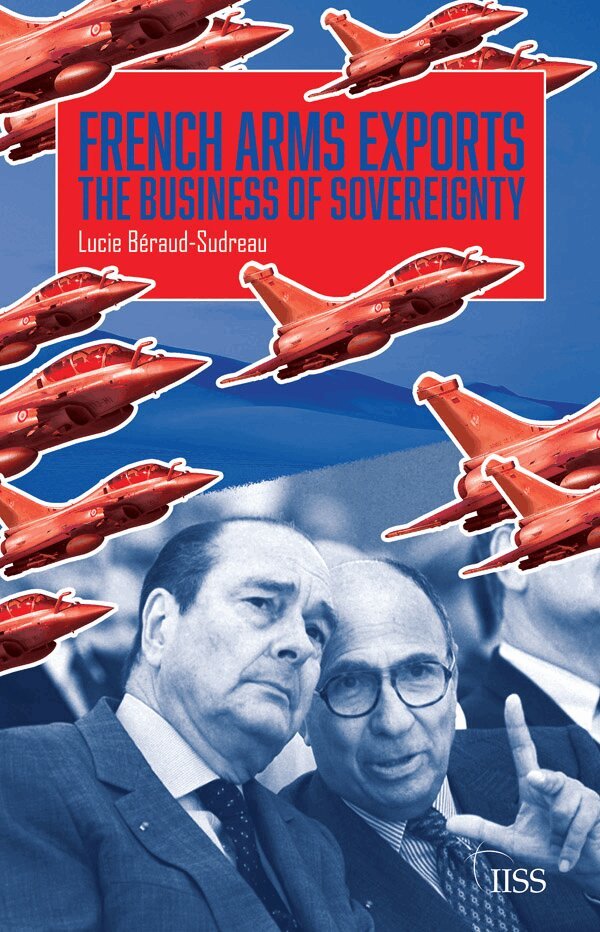
From De Gaulle onwards, France’s strategic independence has been predicated on self-sufficiency in modern weapons. To achieve and maintain the requisite defence-industrial base, in the context of limited domestic orders, Paris sought to promote the export of its arms. During the Cold War, this underpinned but was also an expression of France’s determination to resist bipolar domination. France offered customers around the world an alternative to reliance on one superpower or the other; and in doing so it generated the revenue to support an extensive domestic arms industry. The end of the Cold War ushered in fundamental changes, however: Western defence spending shrank and the global market was turned upside down. While France’s arms-export policy was less affected by human-rights concerns than other democracies, it was not immune to pressures stemming from the consolidation of Europe’s defence-industrial base and the increased interest of the EU in regulating the arms trade.
This Adelphi book considers how France has responded to changing political and market circumstances in the way that it promotes and controls the export of weapons. It examines the rationale for considering a liberal arms-export policy as essential to French independence, and the institutional arrangements that underpinned this. It tracks the dramatic changes in the global arms market since 1990, in terms of demand and market competition, and charts the response of the French government to these changes. The book underlines how the French machinery of government, as a directing force behind the defence industry, has been resistant to the notion of export restraint – even in the case of sales to authoritarian regimes. However, it argues that France now faces a dilemma over whether to continue with a long-successful course, or to moderate its independence through greater collaboration to bolster European integration and better compete globally.
422 kr
Läs direkt efter köp
From De Gaulle onwards, France’s strategic independence has been predicated on self-sufficiency in modern weapons. To achieve and maintain the requisite defence-industrial base, in the context of limited domestic orders, Paris sought to promote the export of its arms. During the Cold War, this underpinned but was also an expression of France’s determination to resist bipolar domination. France offered customers around the world an alternative to reliance on one superpower or the other; and in doing so it generated the revenue to support an extensive domestic arms industry. The end of the Cold War ushered in fundamental changes, however: Western defence spending shrank and the global market was turned upside down. While France’s arms-export policy was less affected by human-rights concerns than other democracies, it was not immune to pressures stemming from the consolidation of Europe’s defence-industrial base and the increased interest of the EU in regulating the arms trade.
This Adelphi book considers how France has responded to changing political and market circumstances in the way that it promotes and controls the export of weapons. It examines the rationale for considering a liberal arms-export policy as essential to French independence, and the institutional arrangements that underpinned this. It tracks the dramatic changes in the global arms market since 1990, in terms of demand and market competition, and charts the response of the French government to these changes. The book underlines how the French machinery of government, as a directing force behind the defence industry, has been resistant to the notion of export restraint – even in the case of sales to authoritarian regimes. However, it argues that France now faces a dilemma over whether to continue with a long-successful course, or to moderate its independence through greater collaboration to bolster European integration and better compete globally.
519 kr
Läs direkt efter köp
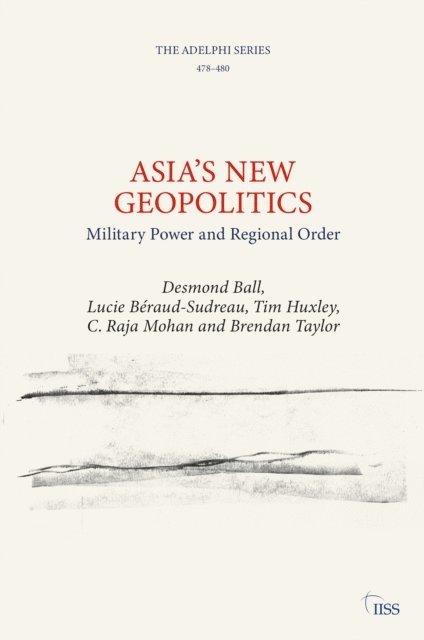
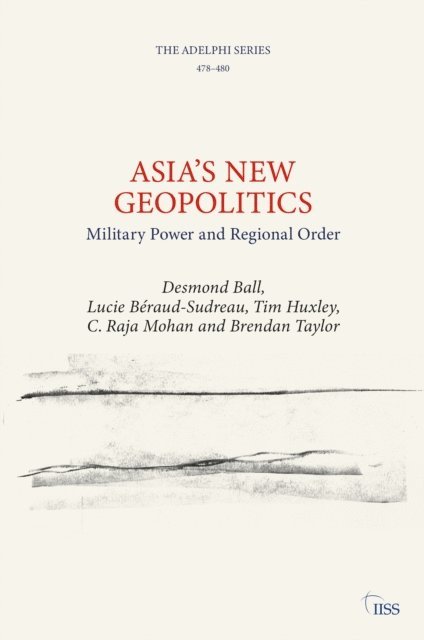
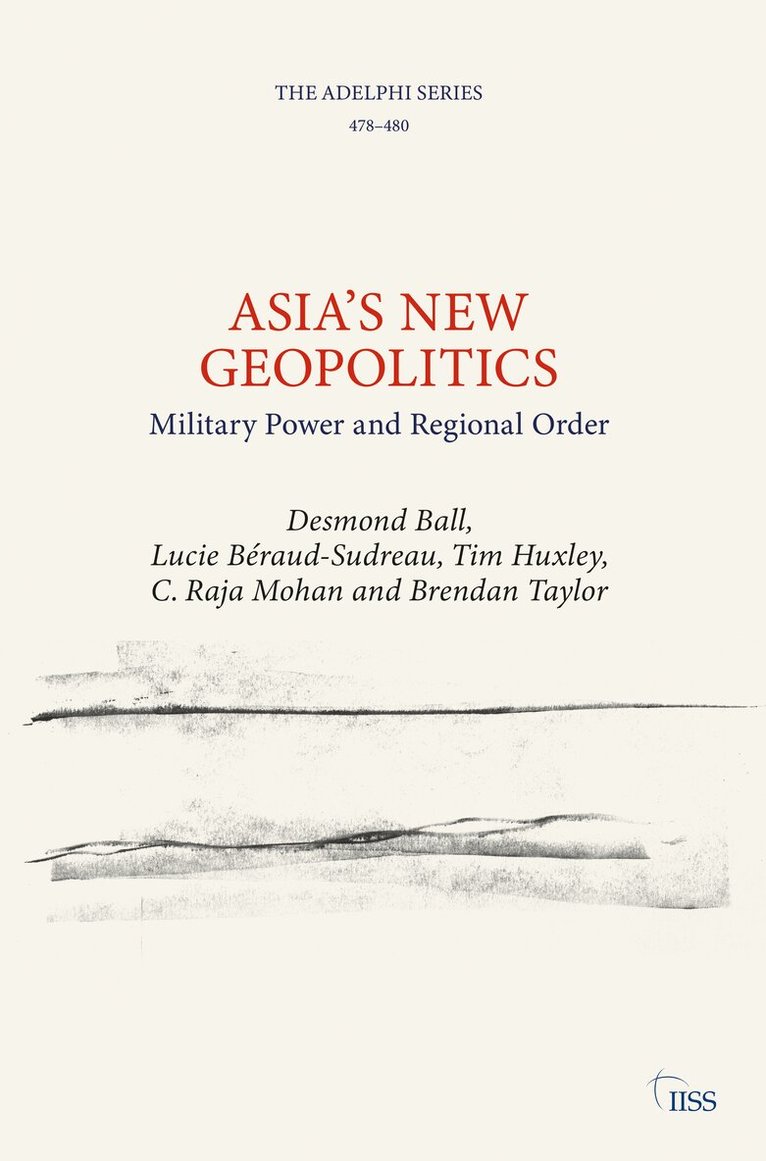
Intensifying geopolitical rivalries, rising defence spending and the proliferation of the latest military technology across Asia suggest that the region is set for a prolonged period of strategic contestation. None of the three competing visions for the future of Asian order – a US-led ‘Free and Open Indo-Pacific’, a Chinese-centred order, or the ASEAN-inspired ‘Indo-Pacific Outlook’ – is likely to prevail in the short to medium term. In the absence of a new framework, the risk of open conflict is heightened, and along with it the need for effective mechanisms to maintain peace and stability.
As Asia’s leaders seek to rebuild their economies and societies in the wake of COVID-19, they would do well to reflect upon the lessons offered by the pandemic and their applicability in the strategic realm. The societies that have navigated the crisis most effectively have been able to do so by putting in place stringent protective measures. Crisis-management and -avoidance mechanisms – and even, in the longer term, wider arms control – can be seen as the strategic equivalent of such measures, and as such they should be pursued with urgency in Asia to reduce the risks of an even greater calamity.
519 kr
Läs direkt efter köp
Intensifying geopolitical rivalries, rising defence spending and the proliferation of the latest military technology across Asia suggest that the region is set for a prolonged period of strategic contestation. None of the three competing visions for the future of Asian order – a US-led ‘Free and Open Indo-Pacific’, a Chinese-centred order, or the ASEAN-inspired ‘Indo-Pacific Outlook’ – is likely to prevail in the short to medium term. In the absence of a new framework, the risk of open conflict is heightened, and along with it the need for effective mechanisms to maintain peace and stability.
As Asia’s leaders seek to rebuild their economies and societies in the wake of COVID-19, they would do well to reflect upon the lessons offered by the pandemic and their applicability in the strategic realm. The societies that have navigated the crisis most effectively have been able to do so by putting in place stringent protective measures. Crisis-management and -avoidance mechanisms – and even, in the longer term, wider arms control – can be seen as the strategic equivalent of such measures, and as such they should be pursued with urgency in Asia to reduce the risks of an even greater calamity.
455 kr
Skickas inom 10-15 vardagar