Lucie Dušková – författare
Visar alla böcker från författaren Lucie Dušková. Handla med fri frakt och snabb leverans.
2 produkter
2 produkter
Inbunden, Engelska, 2022
1 417 kr
Skickas inom 5-8 vardagar
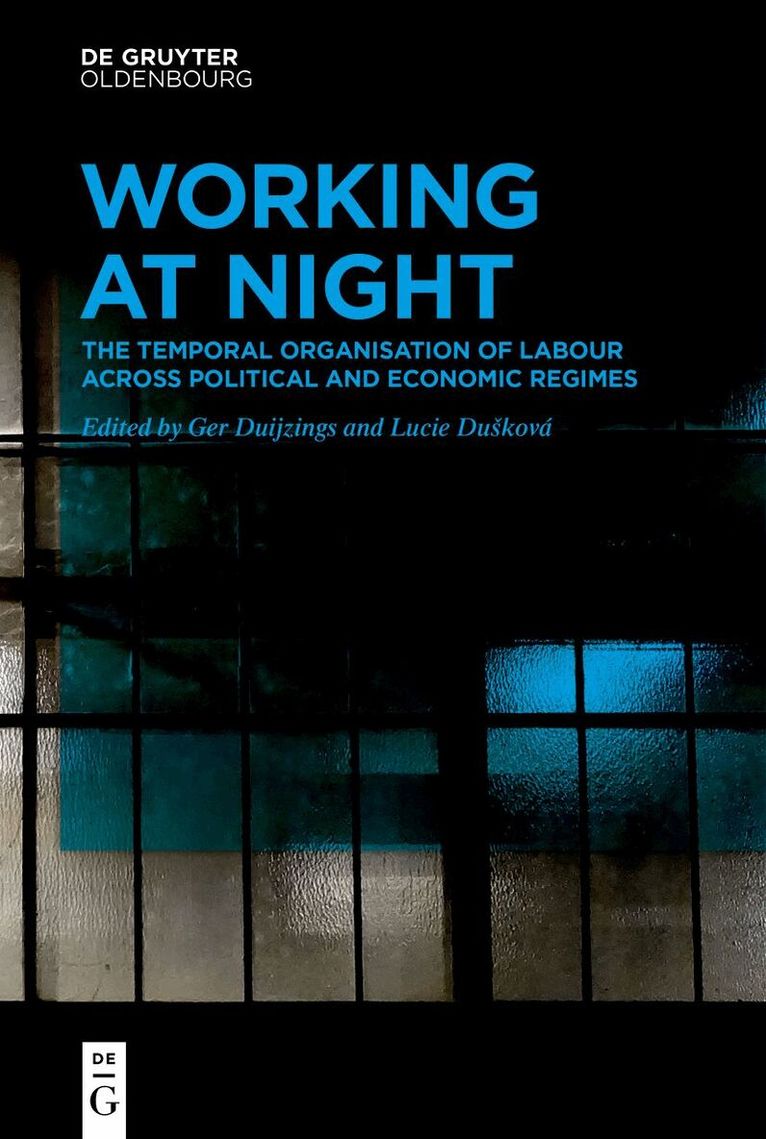
The night represents almost universally a special, liminal or "out of the ordinary" temporal zone with its own meanings, possibilities and dangers, and political, cultural, religious and social implications. Only in the modern era was the night systematically "colonised" and nocturnal activity "normalised," in terms of (industrial) labour and production processes. Although the globalised 24/7 economy is usually seen as the outcome of capitalist modernisation, development and expansion starting in the late nineteenth century, other consecutive and more recent political and economic systems adopted perpetual production systems as well, extending work into the night and forcing workers to work the "night shift," normalising it as part of an alternative non-capitalist modernity. This volume draws attention to the extended work hours and night shift work, which have remained underexplored in the history of labour and the social science literature. By describing and comparing various political and economic "regimes," it argues that, from the viewpoint of global labour history, night labour and the spread of 24/7 production and services should not be seen, only and exclusively, as an epiphenomenon of capitalist production, but rather as one of the outcomes of industrial modernity.
Inbunden, Engelska, 2026
1 757 kr
Kommande
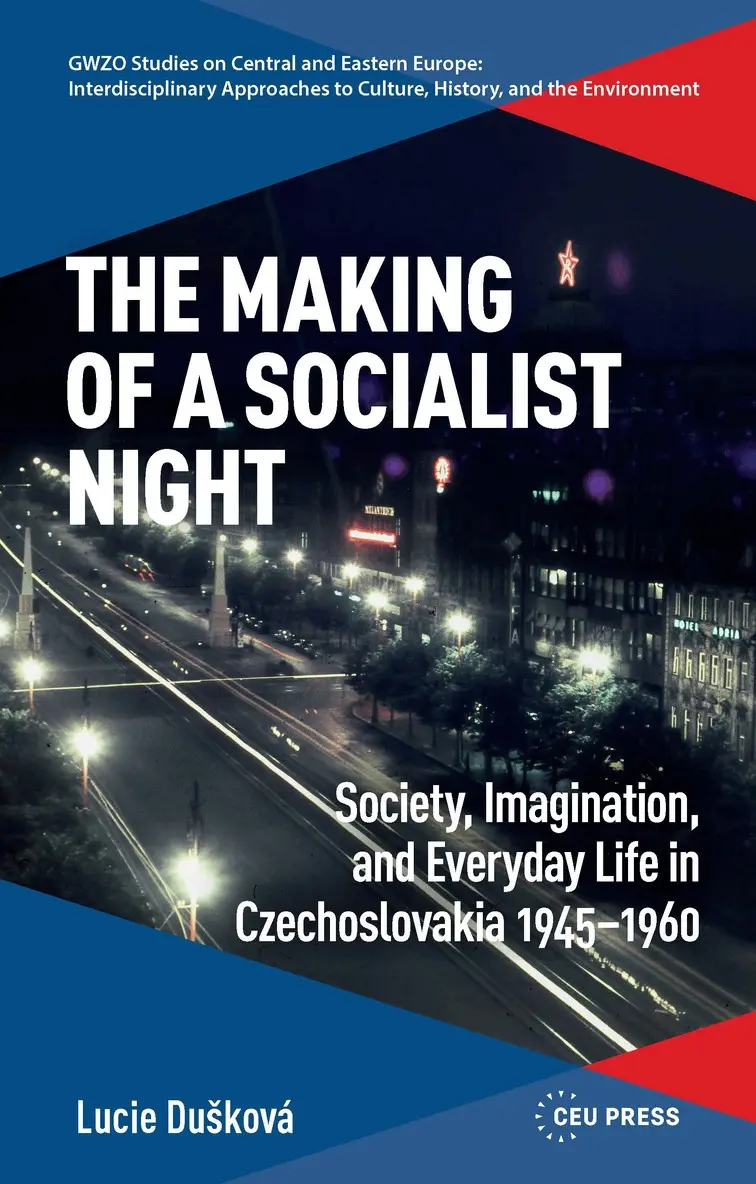
Is there such a thing as a socialist night? And if so, what characterises it? What does it look like, what meanings are attached to it, who inhabits it, and what activities take place within it? In answering these questions, this book takes the reader on a journey through the mental world of post-war Czechoslovak society, the glamour and misery of Czechoslovak cities at night, and the lives and activities of various social groups for whom the night formed a natural environment. This is the first book to apply the insights of the field of night studies to the study of state socialism, uncovering often unexpected connections that emerge when the night is placed at the centre of analysis. At the same time, it raises the important question of what was actually “socialist” about the socialist night?