Lucille H. Campey - Böcker
Visar alla böcker från författaren Lucille H. Campey. Handla med fri frakt och snabb leverans.
10 produkter
10 produkter
373 kr
Skickas inom 3-6 vardagar
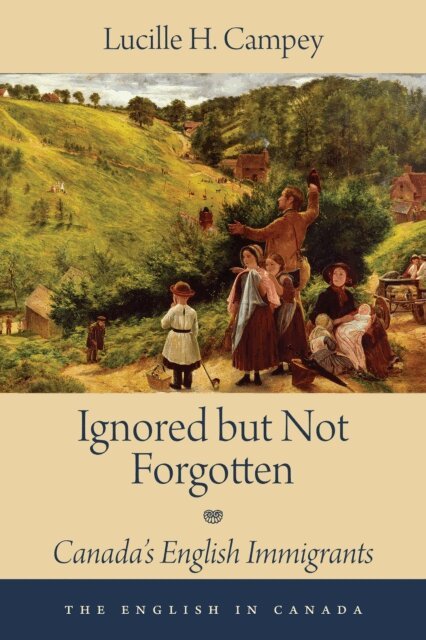
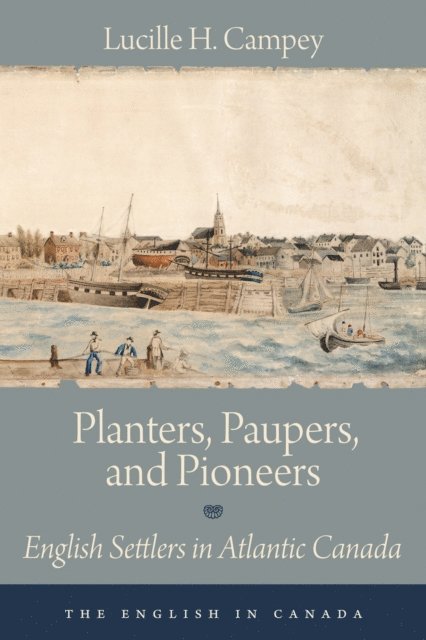
The story of early English Canadian immigration to Canada is finally told in detail. Ignored but Not Forgotten is a compelling and moving account of one of Canada’s foremost immigrant groups: the story of the great migration of English people to Canada that peaked during the early twentieth century. Based on wide-ranging documentary and statistical sources from both countries, it sets out the various events that propelled this immigration saga, which begins in the seventeenth century with the influx of English people to Atlantic Canada, moves on a century later to Ontario and Quebec, and continues into the late nineteenth century with the arrival of the English in the golden West. The great stream of English people who came to the Prairies and British Columbia in search of land and job opportunities represents one of the most iconic periods of Canada’s pioneering history. Widely ignored in the past as an immigrant group, the English are now being given the attention they deserve. The author reveals their outstanding contribution to Canada’s settlement and subsequent development and challenges the assumption that English Canadians were a privileged elite. In fact, most came from humble backgrounds. This is essential reading for genealogists and general readers wishing to appreciate why the English immigrated to Canada and the enormity of their achievements.
377 kr
Skickas inom 3-6 vardagar
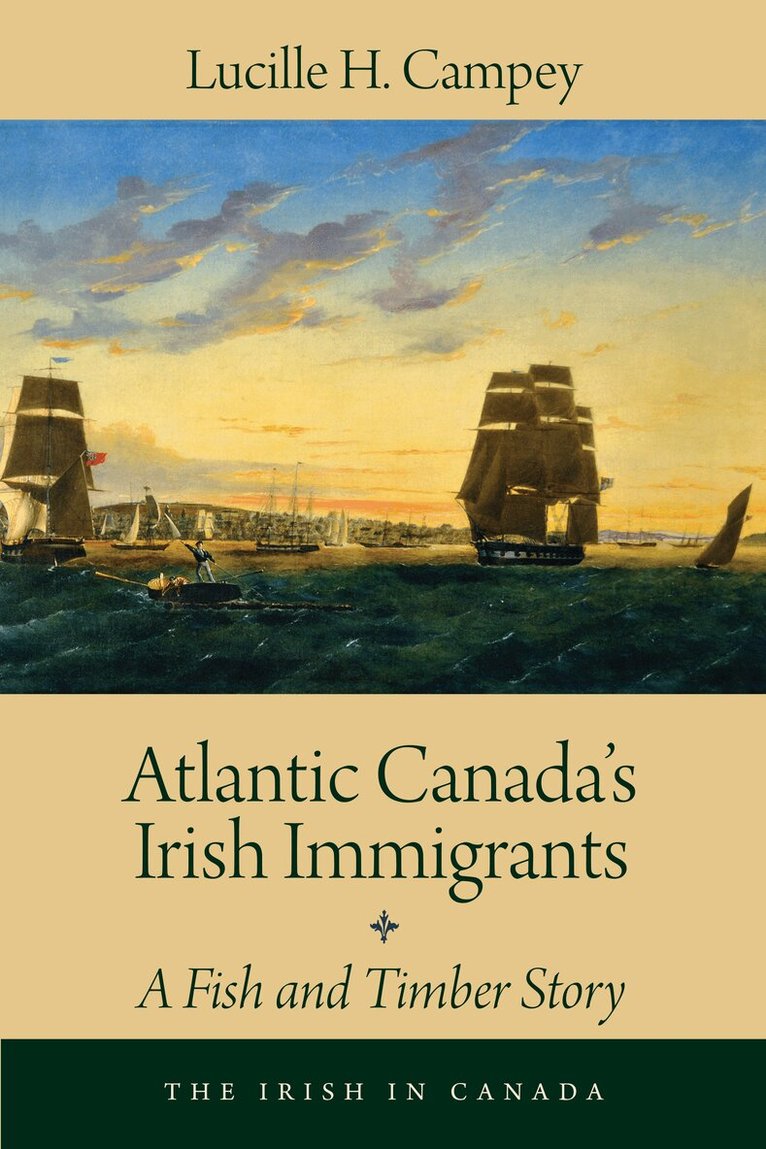
A transformative work that explodes assumptions about the importance of the Great Irish Potato Famine to Irish immigration.In this major study, Lucille Campey traces the relocation of around ninety thousand Irish people to their new homes in Atlantic Canada. She shatters the widespread misconception that the exodus was primarily driven by dire events in Ireland. The Irish immigration saga is not solely about what happened during the Great Potato Famine of the 1840s; it began a century earlier.Although they faced great privations and had to overcome many obstacles, the Irish actively sought the better life that Atlantic Canada offered. Far from being helpless exiles lacking in ambition who went lemming-like to wherever they were told to go, the Irish grabbed their opportunities and prospered in their new home.Campey gives these settlers a voice. Using wide-ranging documentary sources, she provides new insights about why the Irish left and considers why they chose their various locations in Nova Scotia, New Brunswick, Prince Edward Island, and Newfoundland. She highlights how, through their skills and energy, they benefitted themselves and contributed much to the development of Atlantic Canada.This is essential reading for anyone wishing to understand the history of the Irish exodus to North America and provides a mine of information useful to family historians.
300 kr
Tillfälligt slut
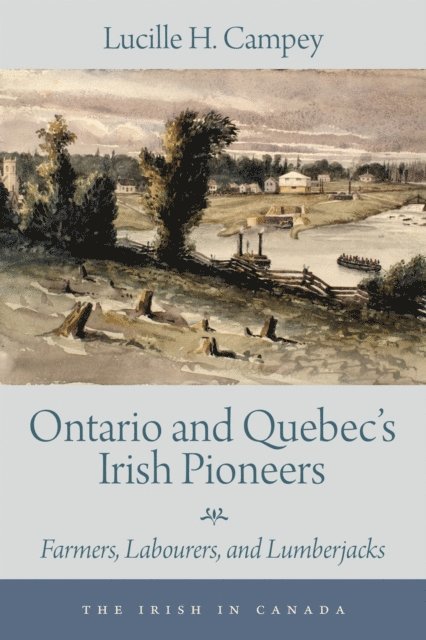
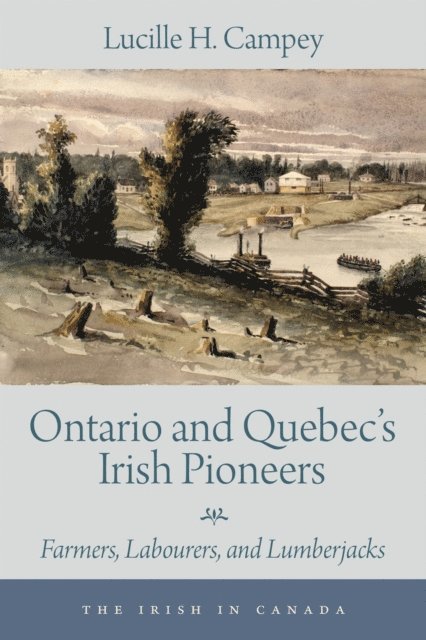
The compelling story of Canada’s Irish pioneers, revealing the enormous scope of their achievements.Beginning in the eighteenth century, an increasing number of Irish people sought the better life that Ontario and Quebec offered. Set free from the stifling economic and social constraints that held them back in their homeland, they prospered. And yet, strangely enough, they continue to be mourned as victims.In this second book of the Irish in Canada series, Lucille Campey takes on the victim-ridden mythology of destitute Irish immigrants fleeing the famine of the 1840s. In fact, the Irish influx to Quebec and Ontario began a century earlier.Comprehensive and extensive research has been distilled to produce an informative and lively account of this great immigration saga, whose roots date back to the time of the British Conquest of New France in 1763.
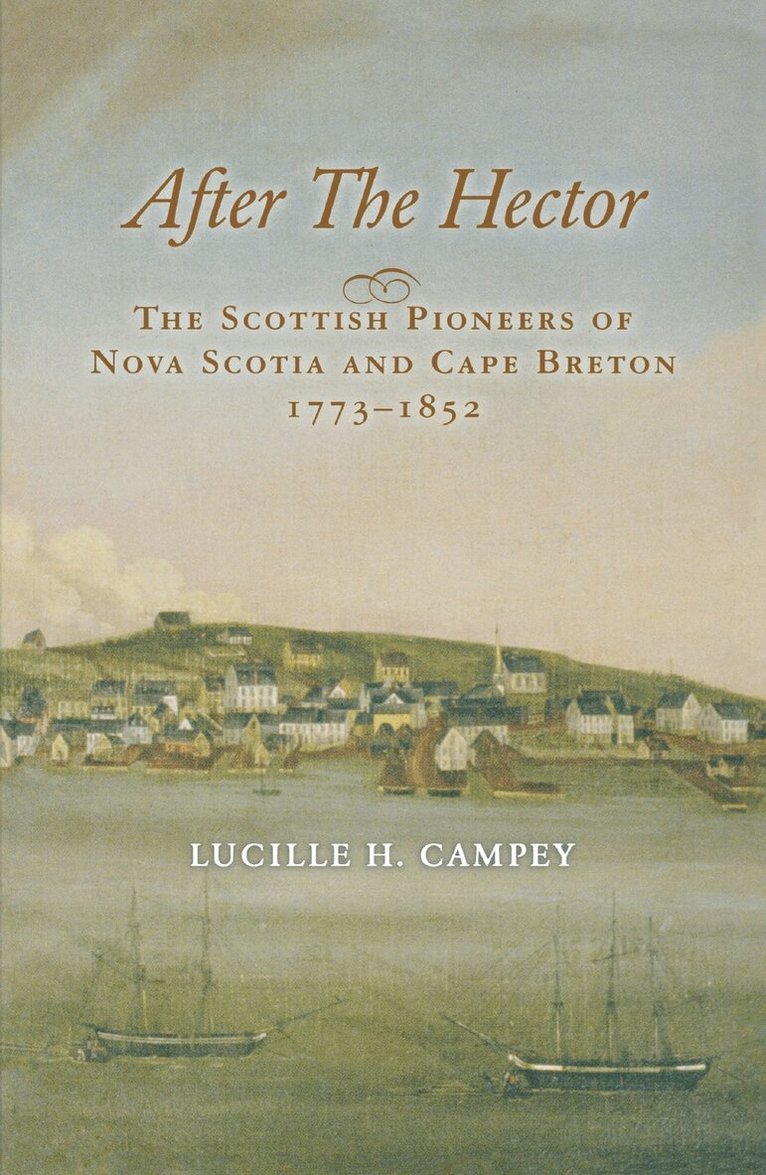
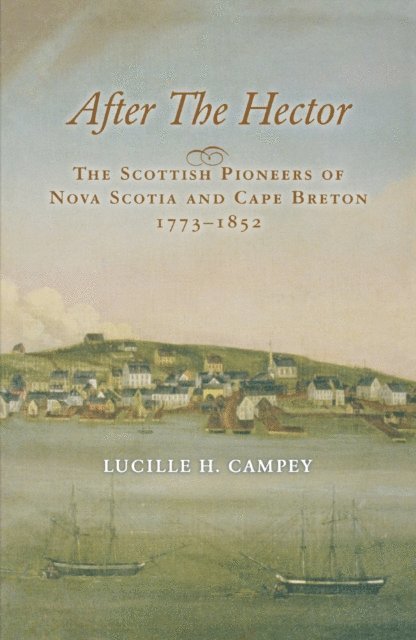
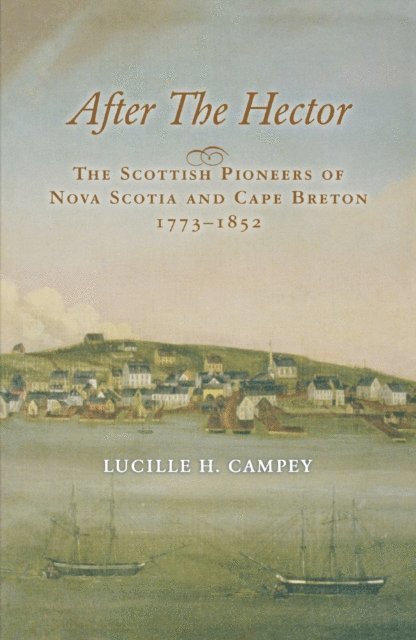
After the Hector
The Scottish Pioneers of Nova Scotia and Cape Breton, 1773-1852
Häftad, Engelska, 2007
318 kr
Skickas inom 3-6 vardagar
This is the first fully documented and detailed account, produced in recent times, of one of the greatest early migrations of Scots to North America. The arrival of the Hector in 1773, with nearly 200 Scottish passengers, sparked a huge influx of Scots to Nova Scotia and Cape Breton. Thousands of Scots, mainly from the Highlands and Islands, streamed into the province during the late 1700s and the first half of the nineteenth century. Lucille Campey traces the process of emigration and explains why Scots chose their different settlement locations in Nova Scotia and Cape Breton. Much detailed information has been distilled to provide new insights on how, why and when the province came to acquire its distinctive Scottish communities. Challenging the widely held assumption that this was primarily a flight from poverty, After the Hector reveals how Scots were being influenced by positive factors, such as the opportunity for greater freedoms and better livelihoods. The suffering and turmoil of the later Highland Clearances have cast a long shadow over earlier events, creating a false impression that all emigration had been forced on people. Hard facts show that most emigration was voluntary, self-financed and pursued by people expecting to improve their economic prospects. A combination of push and pull factors brought Scots to Nova Scotia, laying down a rich and deep seam of Scottish culture that continues to flourish. Extensively documented with all known passenger lists and details of over three hundred ship crossings, this book tells their story. "The saga of the Scots who found a home away from home in Nova Scotia, told in a straightforward, unembellished, no-nonsense style with some surprises along the way. This book contains much of vital interest to historians and genealogists." - Professor Edward J. Cowan, University of Glasgow "…a well-written, crisp narrative that provides a useful outline of the known Scottish settlements up to the middle of the 19th century…avoid[s] the sentimental ’victim & scapegoat approach’ to the topic and instead has provided an account of the attractions and mechanisms of settlement…." - Professor Michael Vance, St. Mary’s University, Halifax
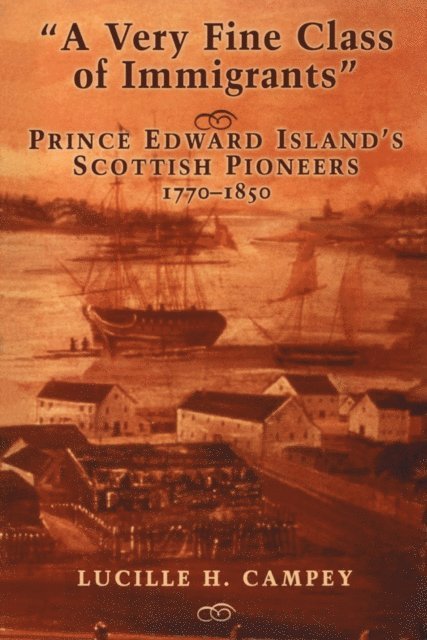
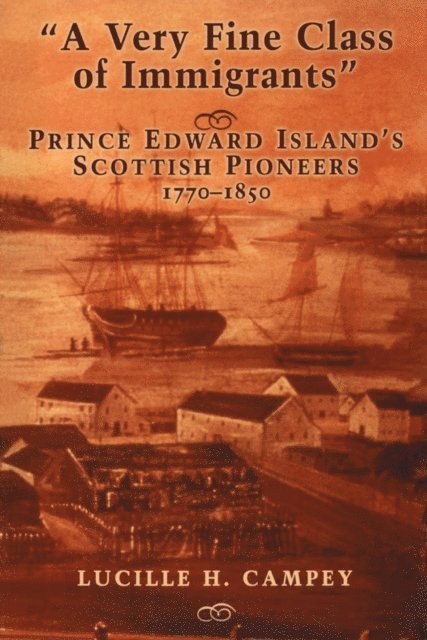
A Very Fine Class of Immigrants
Prince Edward Island's Scottish Pioneers, 1770-1850
Häftad, Engelska, 2007
213 kr
Tillfälligt slut
180 kr
Tillfälligt slut
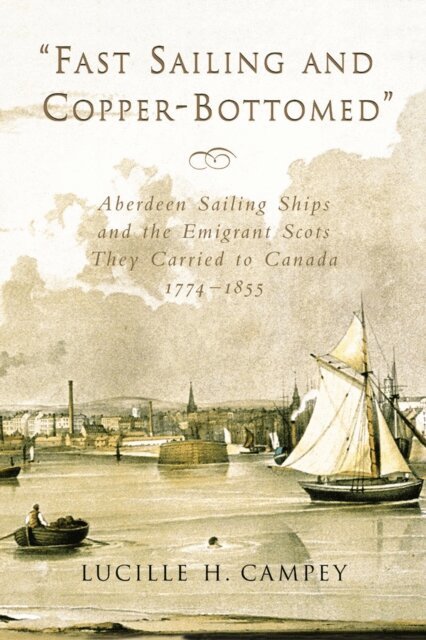
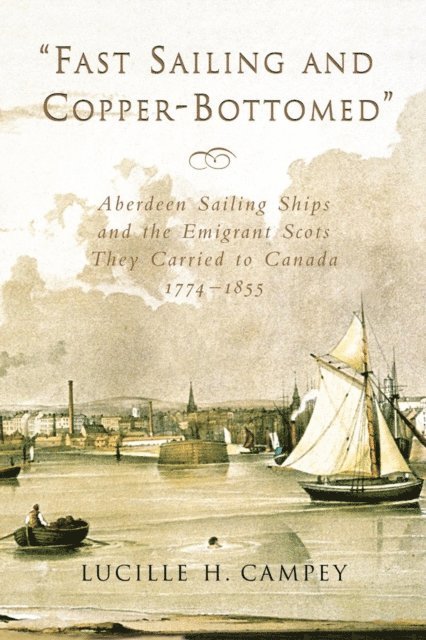
Fast Sailing and Copper-Bottomed
Aberdeen Sailing Ships and the Emigrant Scots They Carried to Canada, 1774-1855
Häftad, Engelska, 2002
185 kr
Tillfälligt slut
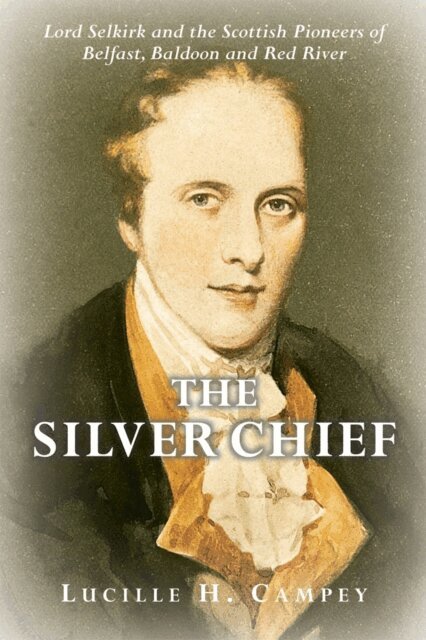
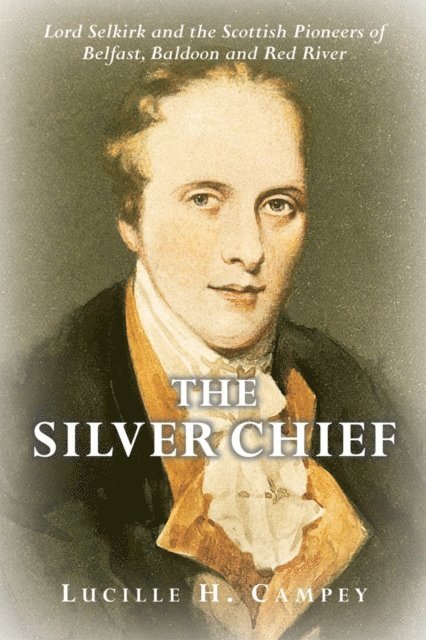
Silver Chief
Lord Selkirk and the Scottish Pioneers of Belfast, Baldoon and Red River
Häftad, Engelska, 2003
185 kr
Tillfälligt slut
345 kr
Skickas inom 3-6 vardagar
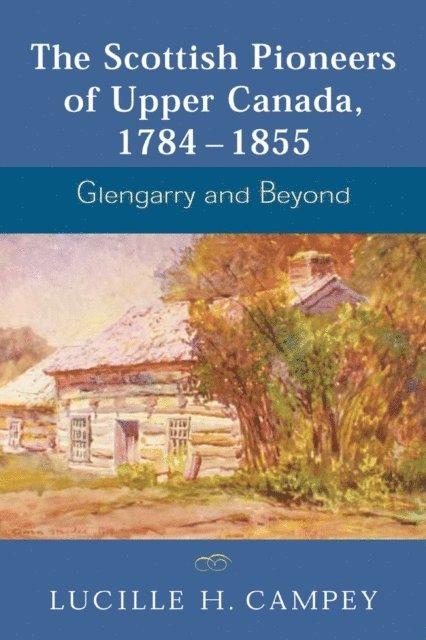
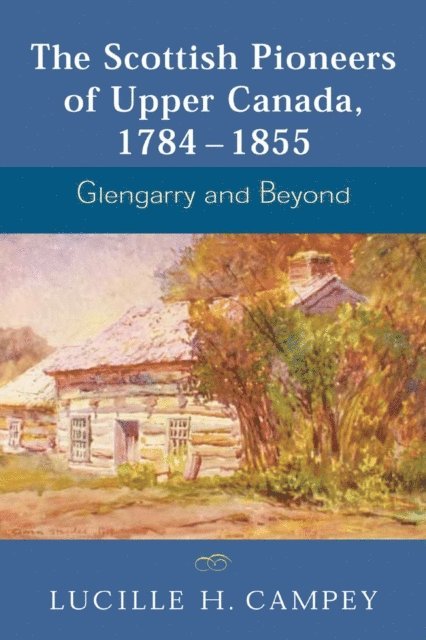
Glengarry, Upper Canada’s first major Scottish settlement, was established in 1784 by Highlanders from Inverness-shire. Worsening economic conditions in Scotland, coupled with a growing awareness of Upper Canadas opportunities, led to a growing tide of emigration that eventually engulfed all of Scotland and gave the province its many Scottish settlements. Pride in their culture gave Scots a strong sense of identity and self-worth. These factors contributed to their success and left Upper Canada with firmly rooted Scottish traditions.Individual settlements have been well observed, but the overall picture has never been pieced together. Why did Upper Canada have such appeal to Scots? What was their impact on the province? Why did they choose their different settlement locations? Drawing on new and wide-ranging sources author Lucille H. Campey charts the progress of Scottish settlement throughout Upper Canada. This book contains much descriptive information, including all known passenger lists. It gives details of the 550 ships, which made over 900 crossings and carried almost 100,000 emigrant Scots. The book describes the enterprise and independence shown by the pioneers who were helped on their way by some remarkable characters such as Thomas Talbot, Lord Selkirk, John Galt, Archibald McNab and William Dickson. Providing a fascinating overview of the emigration process, it is essential reading for both historians and genealogists.Scots were some of the provinces earliest pioneers and they were always at the cutting edge of each new frontier. They were a founding people who had an enormous influence on the provinces early development."I am happy to commend Lucille Campeys latest book on Scottish settlement patterns in Canada. The product of meticulous research, The Scottish Pioneers of Upper Canada has much to offer both genealogists and general readers, as it weaves together statistical information, institutional histories and personal accounts to produce a fascinating picture of the multi-dimensional networks that underpinned the transatlantic movement and brought 100,000 Scots to Upper Canada during the seven decades reviewed. Persistent myths of helpless exile are challenged, as the preconditions and processes of emigration are analyzed, along with the cultural traditions imported by the ’trail blazers and border guards’ who laid the foundations of Canadas most populous province." - Marjory Harper, Reader in History, University of Aberdeen"With a real feel for the sacrifice and the emotional turmoil of the pioneers, Lucille H. Campey has one again got her audience to face the raw heritage common to every Scots-Canadian. This is an excellent read, full of fascinating detail dug from much archival research. This book is another splendid addition to a series of much interest to both historians and genealogists." - Professor Graeme Morton, Scottish Studies Foundation Chair, University of Guelph

213 kr
Tillfälligt slut