Lucy Evans - Böcker
Visar alla böcker från författaren Lucy Evans. Handla med fri frakt och snabb leverans.
4 produkter
4 produkter
1 208 kr
Skickas inom 5-8 vardagar
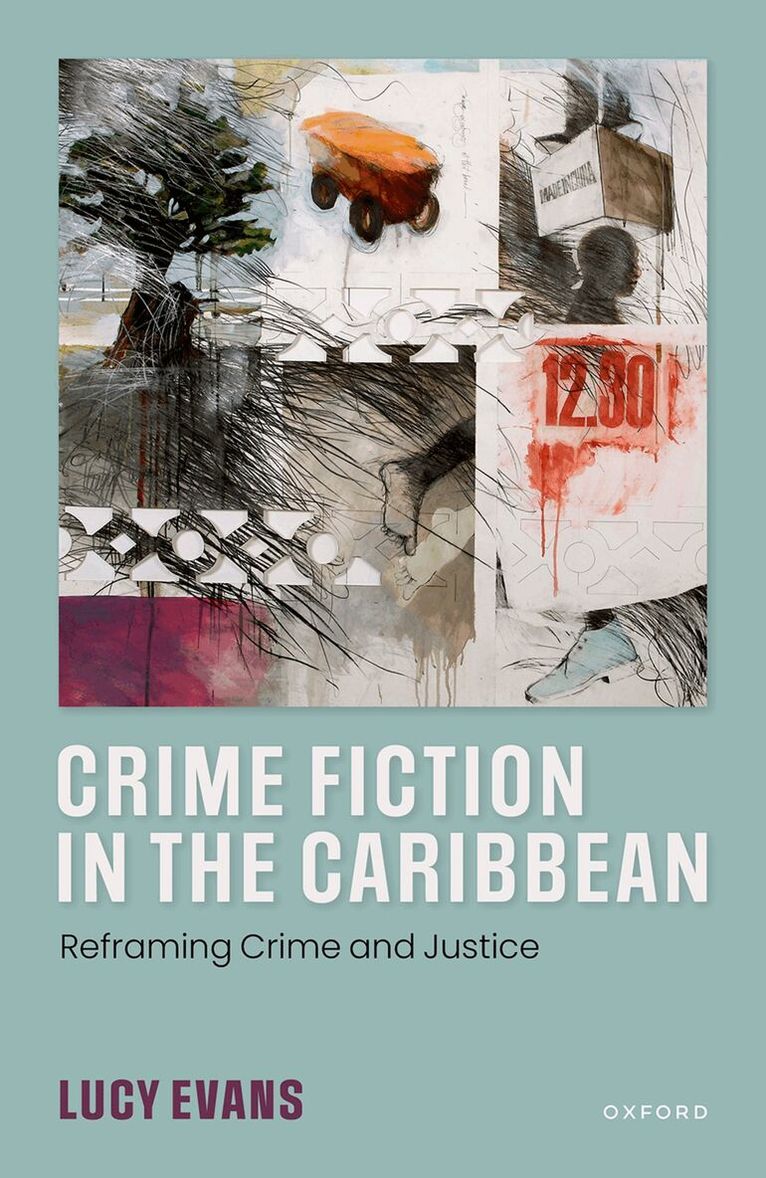
Crime Fiction in the Caribbean: Reframing Crime and Justice is the first academic book to focus on crime fiction by anglophone Caribbean writers. It explores how contemporary writers experiment with the crime genre in order to convey, contextualize, and comment on crime and justice in Caribbean countries. Lucy Evans reads crime fiction as a versatile mode of writing that can be politically engaged, and that-in a Caribbean context-can expose power structures embedded in the region's multi-layered history of colonial conquest, genocide of Indigenous populations, plantation agriculture, transatlantic slavery, and indentured labour. This book covers fiction set in Trinidad and Tobago, Jamaica, Guyana, Barbados, Grenada, and Haiti, discussing novels by Elizabeth Nunez, Jacob Ross, Marlon James, Harischandra Khemraj, Esther Figueroa, Edwidge Danticat, Cherie Jones, and several others. Evans considers how fiction by anglophone Caribbean writers not only reflects upon the social realities of crime and crime control in the Caribbean, but also at times contests or complicates scholarly, popular, and legal perspectives. She argues that through their engagement with the crime genre, these writers raise pressing questions about what constitutes crime and justice in a Caribbean context, and about accountability. Looking beyond the traditional focus of crime fiction and criminology on individual acts of wrongdoing, their fiction highlights systemic social harms rooted in the region's colonial past. Reading crime fiction through the lens of criminological research, Crime Fiction in the Caribbean brings the study of literary writing into scholarly debate on crime in the Caribbean. At the same time, it extends the global turn in crime fiction studies, focusing on a region that has been sidelined even in studies which examine the genre's international dimensions.
Del 27 - British Library Tales of the Weird
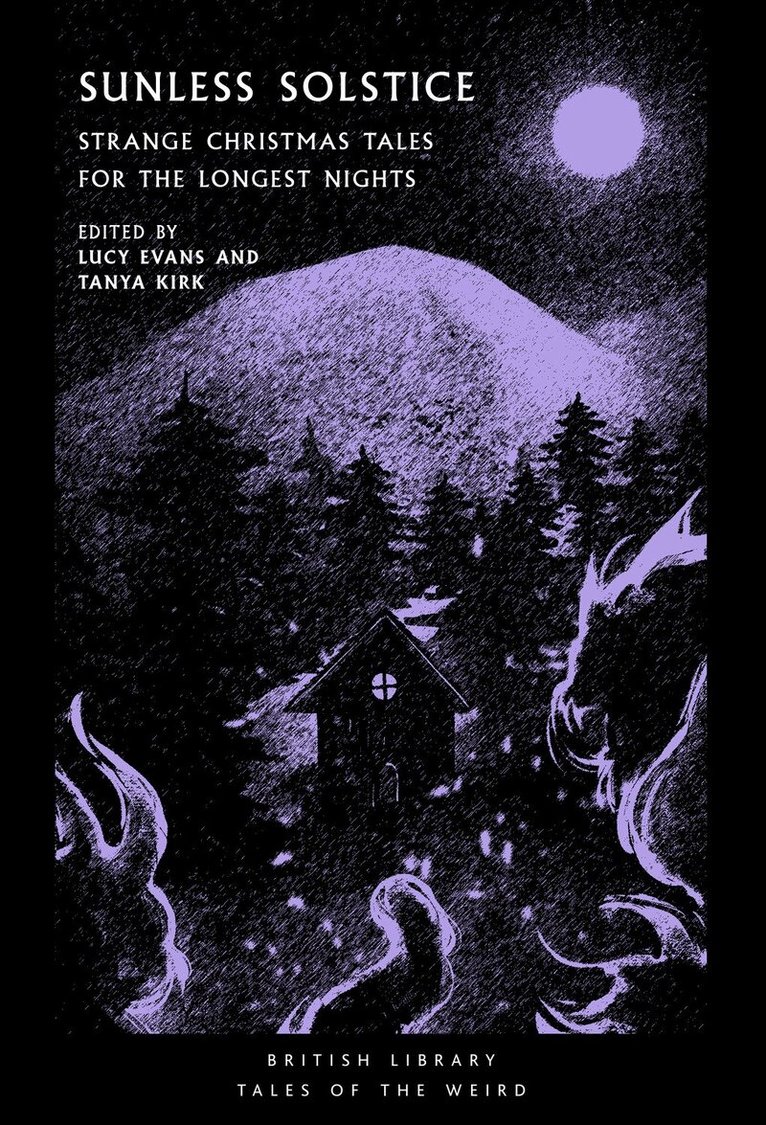
Sunless Solstice
Strange Christmas Tales for the Longest Nights
Häftad, Engelska, 2021
171 kr
Skickas inom 5-8 vardagar
'Like any other boy I expected ghost stories at Christmas, that was the time for them. What I had not expected, and now feared, was that such things should actually become real.'Strange things happen on the dark wintry nights of December. Welcome to a new collection of haunting Christmas tales, ranging from traditional Victorian chillers to weird and uncanny episodes by twentieth-century horror masters including Daphne du Maurier and Robert Aickman.Lurking in the blizzard are menacing cat spirits, vengeful trees, malignant forces on the mountainside and a skater skirting the line between the mortal and spiritual realms. Wrap up warm - and prepare for the longest nights of all.
Del 16 - Postcolonialism Across the Disciplines
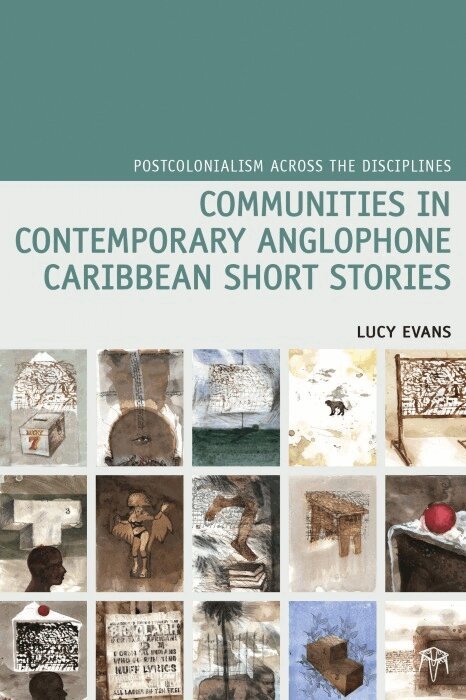
Communities in Contemporary Anglophone Caribbean Short Stories
Inbunden, Engelska, 2014
2 118 kr
Skickas inom 7-10 vardagar
This book examines the representation of community in contemporary Anglophone Caribbean short stories, focusing on the most recent wave of Caribbean short story writers following the genre's revival in the mid 1980s. The first extended study of Caribbean short stories, it presents the phenomenon of interconnected stories as a significant feature of late twentieth and early twenty-first century Anglophone Caribbean literary cultures. It contends that the short story collection and cycle, literary forms regarded by genre theorists as necessarily concerned with representations of community, are particularly appropriate and enabling as a vehicle through which to conceptualise Caribbean communities. The book covers short story collections and cycles by Olive Senior, Earl Lovelace, Kwame Dawes, Alecia Mckenzie, Lawrence Scott, Mark Mcwatt, Robert Antoni and Dionne Brand. It argues that the form of interconnected stories is a crucial part of these writers' imagining of communities which may be fractured, plural and fraught with tensions, but which nevertheless hold together. The book takes an interdisciplinary approach to the study of community, bringing literary representations of community into dialogue with models of community developed in the field of Caribbean anthropology. The works analysed are set in Trinidad, Jamaica and Guyana, and in several cases the setting extends to the Caribbean diaspora in Europe and North America. Looking in turn at rural, urban, national and global communities, the book draws attention to changing conceptions of community around the turn of the millennium.
Del 16 - Postcolonialism Across the Disciplines
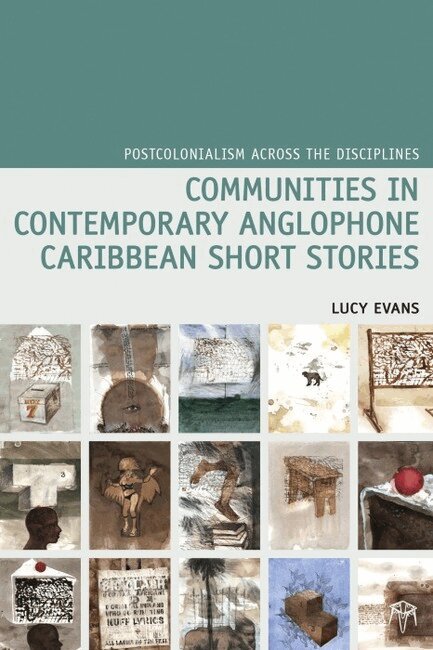
Communities in Contemporary Anglophone Caribbean Short Stories
Häftad, Engelska, 2021
536 kr
Skickas inom 7-10 vardagar
This book examines the representation of community in contemporary Anglophone Caribbean short stories, focusing on the most recent wave of Caribbean short story writers following the genre's revival in the mid 1980s. The first extended study of Caribbean short stories, it presents the phenomenon of interconnected stories as a significant feature of late twentieth and early twenty-first century Anglophone Caribbean literary cultures. It contends that the short story collection and cycle, literary forms regarded by genre theorists as necessarily concerned with representations of community, are particularly appropriate and enabling as a vehicle through which to conceptualise Caribbean communities. The book covers short story collections and cycles by Olive Senior, Earl Lovelace, Kwame Dawes, Alecia Mckenzie, Lawrence Scott, Mark Mcwatt, Robert Antoni and Dionne Brand. It argues that the form of interconnected stories is a crucial part of these writers' imagining of communities which may be fractured, plural and fraught with tensions, but which nevertheless hold together. The book takes an interdisciplinary approach to the study of community, bringing literary representations of community into dialogue with models of community developed in the field of Caribbean anthropology. The works analysed are set in Trinidad, Jamaica and Guyana, and in several cases the setting extends to the Caribbean diaspora in Europe and North America. Looking in turn at rural, urban, national and global communities, the book draws attention to changing conceptions of community around the turn of the millennium.