
Ludovica Ottaviano – författare
Visar alla böcker från författaren Ludovica Ottaviano. Handla med fri frakt och snabb leverans.
3 produkter
3 produkter
2 195 kr
Skickas inom 10-15 vardagar
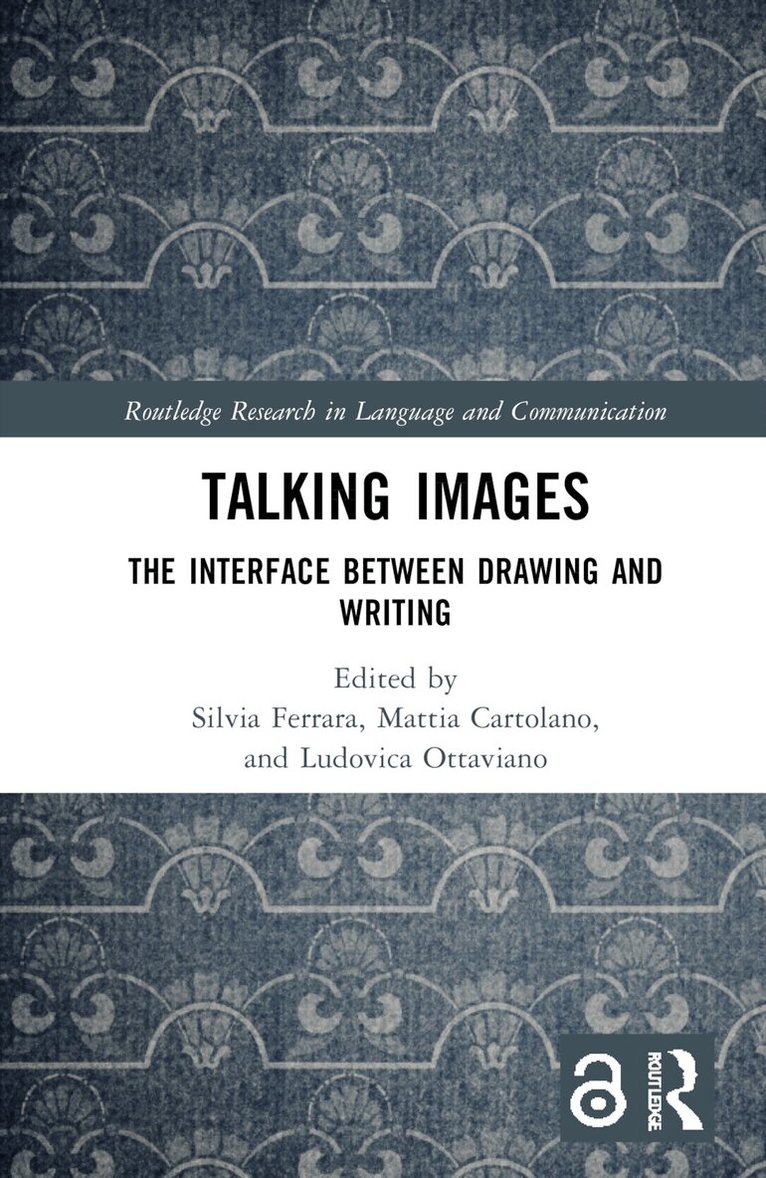
This innovative collection offers a holistic portrait of the multimodal communication potential of images from the Upper Paleolithic through to today, showcasing image-based creativity throughout the centuries.The volume seeks to extend the boundaries of our understanding of what language and writing can do to show how language can be understood as part of broader codes, as well as how images and figural objects can contribute to meaning-making in communication. The book is divided into four parts, each exploring a different dimension of the interplay between representation, symbolic meaning, and perception in the study of images, drawing on case studies from around the world. The first part looks at cognitive approaches to the earliest symbol-making while the second considers the interaction between images and writing in early scripts. The third part addresses images outside their boxes, showcasing how ancient communication devices can be reinterpreted. The final part features chapters reflecting on embodied semiotic approaches to the representation of images.This book will be of interest to scholars in semiotics, archaeology, cognitive psychology, and linguistic and cultural anthropology.The Open Access version of this book, available at http://www.taylorfrancis.com, has been made available under a Creative Commons CC BY-NC-ND license 4.0 license.
609 kr
Skickas inom 10-15 vardagar
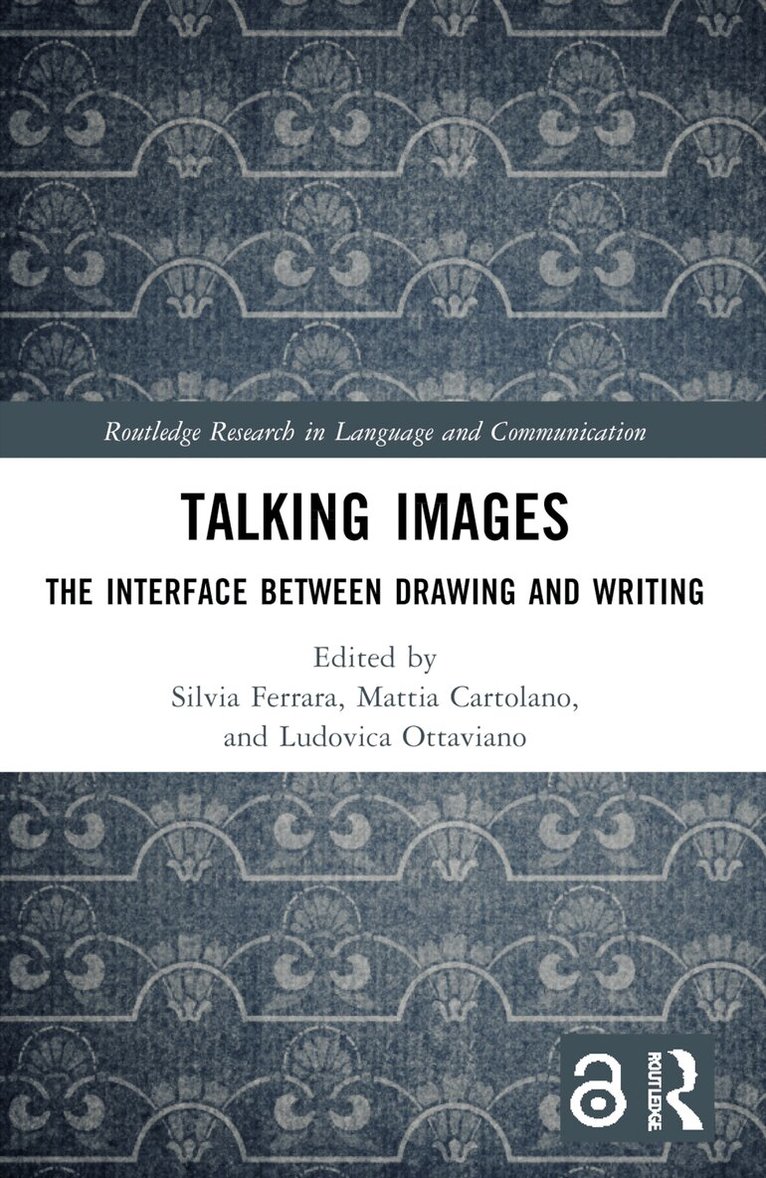
This innovative collection offers a holistic portrait of the multimodal communication potential of images from the Upper Paleolithic through to today, showcasing image-based creativity throughout the centuries.The volume seeks to extend the boundaries of our understanding of what language and writing can do to show how language can be understood as part of broader codes, as well as how images and figural objects can contribute to meaning-making in communication. The book is divided into four parts, each exploring a different dimension of the interplay between representation, symbolic meaning, and perception in the study of images, drawing on case studies from around the world. The first part looks at cognitive approaches to the earliest symbol-making while the second considers the interaction between images and writing in early scripts. The third part addresses images outside their boxes, showcasing how ancient communication devices can be reinterpreted. The final part features chapters reflecting on embodied semiotic approaches to the representation of images.This book will be of interest to scholars in semiotics, archaeology, cognitive psychology, and linguistic and cultural anthropology.The Open Access version of this book, available at http://www.taylorfrancis.com, has been made available under a Creative Commons CC BY-NC-ND license 4.0 license.

2 066 kr
Kommande
This volume offers a broad and interdisciplinary exploration of the aesthetic dimensions and expressive richness of Chinese writing, spanning from the first attestations of sign-making to modern attempts of integrating innovative art forms. Moving beyond the conventional aesthetic categories of shufa, commonly translated as “Chinese calligraphy”, it proposes a novel approach for understanding the aesthetics of Sino-writing, an inclusive term for writing systems that have adopted and adapted Chinese characters. This approach reconsiders aesthetics as a process grounded in bodily experiences and shaped by cultural context. The contributors highlight how function, aesthetics, and artistic status of writing in China have responded to and conceptually transformed with shifts in media, materiality, and cultural meaning. They examine the transformation of character forms, stylistic variations, and spatial arrangements, as well as scribal techniques and gestures and in the interconnection between calligraphy and other art forms across historical periods. Evidence is taken from graphic productions from the Late Neolithic and Bronze Age, inscriptions on bones, characters brushed on paper or silk, performances in urban spaces, and calligraphic experiments in digital visual art forms. Contributions from experts in aesthetics, philosophy, psychology, art history, and both ancient writing and contemporary calligraphy open a novel, interdisciplinary dialogue on the Chinese art of writing. This makes it an essential read not only for scholars of Chinese studies but also for those interested in global art, culture, and the embodied experience of visual language.