Ludvig Norman - Böcker
Visar alla böcker från författaren Ludvig Norman. Handla med fri frakt och snabb leverans.
8 produkter
8 produkter
345 kr
Skickas inom 7-10 vardagar
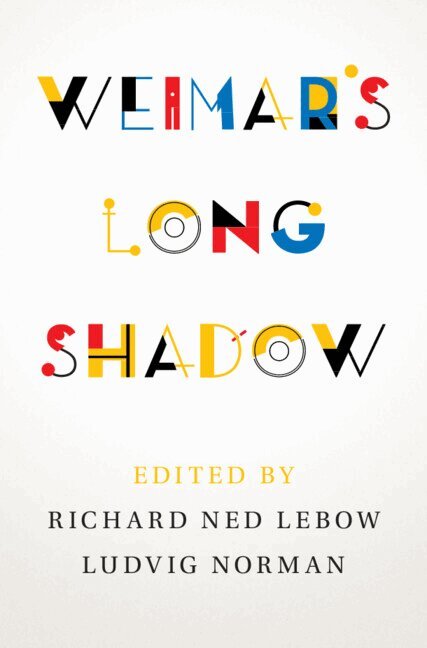
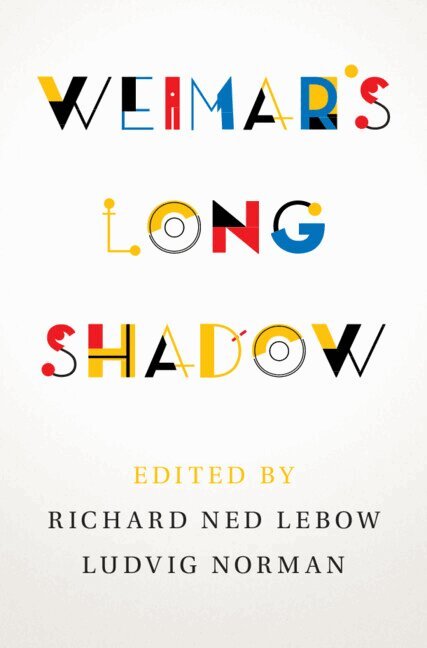
Weimar casts a long shadow over post-war political thought. The Weimar Republic is used to understand contemporary threats to democracy and to critique or defend modernity. It has generated a series of political lessons that are invoked whenever democracies are challenged. This book questions the historical validity of most of these lessons and their applicability to contemporary political orders. It shows how Weimar lessons are often influenced by partial and superficial readings of events, often intended to advance particular political projects. The chapters give detailed accounts of how so-called Weimar lessons have influenced, if not shaped, political debates in Germany, elsewhere in Europe, and the United States.
Robustness and Fragility of Political Orders
Leader Assessments, Responses, and Consequences
Inbunden, Engelska, 2022
1 166 kr
Skickas inom 7-10 vardagar
This volume focuses on the assessments political actors make of the relative fragility and robustness of political orders. The core argument developed and explored throughout its different chapters is that such assessments are subjective and informed by contextually specific historical experiences that have important implications for how leaders respond. Their responses, in turn, feed into processes by which political orders change. The volume's contributions span analyses of political orders at the state, regional and global levels. They demonstrate that assessments of fragility and robustness have important policy implications but that the accuracy of assessments can only be known with certainty ex post facto. The volume will appeal to scholars and advanced students of international relations and comparative politics working on national and international orders.
Robustness and Fragility of Political Orders
Leader Assessments, Responses, and Consequences
Häftad, Engelska, 2024
349 kr
Skickas inom 7-10 vardagar
This volume focuses on the assessments political actors make of the relative fragility and robustness of political orders. The core argument developed and explored throughout its different chapters is that such assessments are subjective and informed by contextually specific historical experiences that have important implications for how leaders respond. Their responses, in turn, feed into processes by which political orders change. The volume's contributions span analyses of political orders at the state, regional and global levels. They demonstrate that assessments of fragility and robustness have important policy implications but that the accuracy of assessments can only be known with certainty ex post facto. The volume will appeal to scholars and advanced students of international relations and comparative politics working on national and international orders.
1 060 kr
Skickas inom 7-10 vardagar
Weimar casts a long shadow over post-war political thought. The Weimar Republic is used to understand contemporary threats to democracy and to critique or defend modernity. It has generated a series of political lessons that are invoked whenever democracies are challenged. This book questions the historical validity of most of these lessons and their applicability to contemporary political orders. It shows how Weimar lessons are often influenced by partial and superficial readings of events, often intended to advance particular political projects. The chapters give detailed accounts of how so-called Weimar lessons have influenced, if not shaped, political debates in Germany, elsewhere in Europe, and the United States.
671 kr
Skickas inom 10-15 vardagar
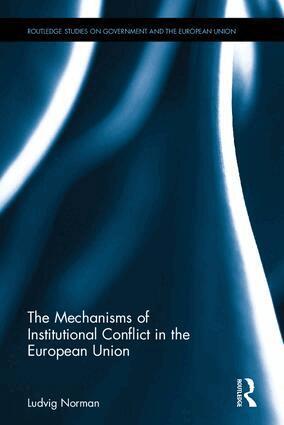
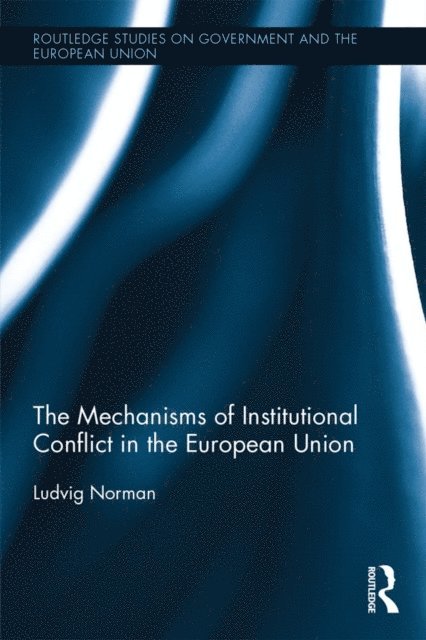
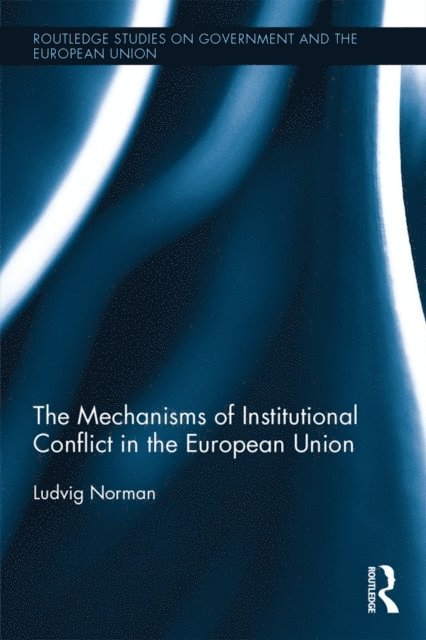
How institutional conflicts arise in international political orders and the conditions shaping the outcomes of such conflicts has become the object of considerable contemporary focus. This book considers the dynamics of institutional conflict and institutional change in international organizations, specifically focusing on the European Union, the most highly integrated international political order on the globe. In a world where political decision making increasingly takes place above the nation state level, it theorises the social mechanisms that lead to the point at which these tensions become explicit and the customary functioning of international political orders tips into outright conflict between different organizational entities. Taking a constructivist approach, it examines two in-depth case studies - in the field of Justice and Home Affairs (JHA) and the EU’s Common Foreign and Security Policy (CFSP) - to explain the dynamics of the processes that lead up to institutional conflicts and provide some explanation for their final outcomes.This text will be of key interest to fields of and European Integration, EU Politics and more broadly International Relations.
2 155 kr
Skickas inom 10-15 vardagar
How institutional conflicts arise in international political orders and the conditions shaping the outcomes of such conflicts has become the object of considerable contemporary focus. This book considers the dynamics of institutional conflict and institutional change in international organizations, specifically focusing on the European Union, the most highly integrated international political order on the globe. In a world where political decision making increasingly takes place above the nation state level, it theorises the social mechanisms that lead to the point at which these tensions become explicit and the customary functioning of international political orders tips into outright conflict between different organizational entities. Taking a constructivist approach, it examines two in-depth case studies - in the field of Justice and Home Affairs (JHA) and the EU’s Common Foreign and Security Policy (CFSP) - to explain the dynamics of the processes that lead up to institutional conflicts and provide some explanation for their final outcomes.This text will be of key interest to fields of and European Integration, EU Politics and more broadly International Relations.
Dilemmas of European Democracy
New Perspectives on Democratic Politics in the European Union
Inbunden, Engelska, 2023
1 817 kr
Skickas inom 3-6 vardagar
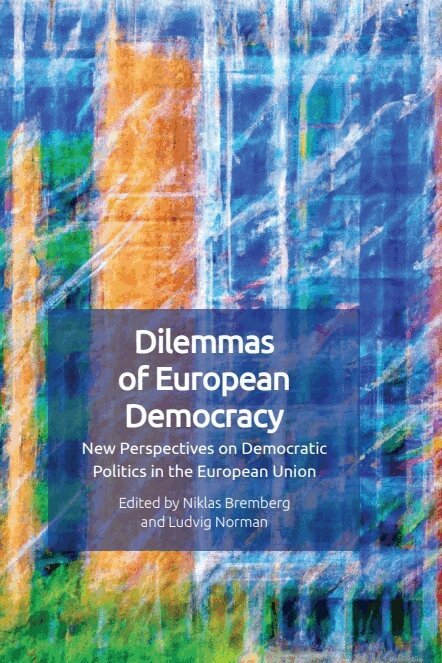
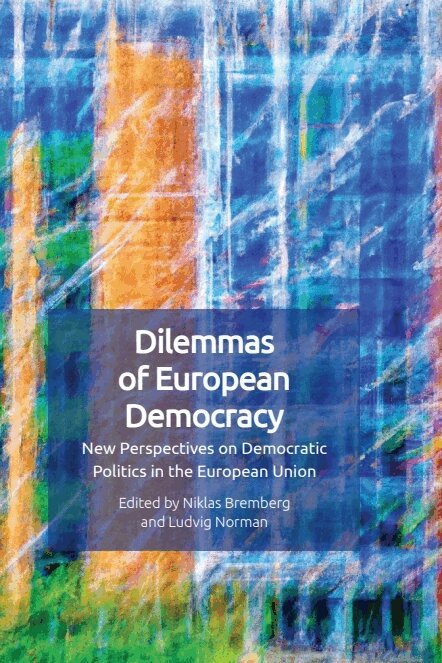
Reassesses the democratic quality of European integrationAdvances the understanding of what twenty-first century democracy in Europe is and what it can bePresents new perspectives on under-explored dilemmas related to specific aspects of democracy in the context of European integration and against the background of political shifts in Europe in recent decadesProvides an alternative to 'grand theory' approaches to EU democracy and scholarly debates on the EU's 'democratic deficit'Includes chapters by leading scholars in the field, that supply new perspectives on democratic dilemmas from the point of view of in-depth engagements with key aspects of European democracyBringing together leading and emerging scholars on European politics, this collection explores how dilemmas associated with key democratic concepts can be understood in relation to the EU.The book renews our understanding of EU democracy in ways that are more attentive to the multiple fault lines and cleavages that structure this political order. It focuses on a set of democratic dilemmas inherent to EU democracy, including representation, deliberation, sovereignty, citizenship, democratic contestation and market, to provide discussions on the specific tensions and trade-offs associated to a particular concept. The book engages in the theoretical groundwork necessary for assessing and analysing the specific dilemmas that arise when translating democratic concepts into concrete institutional designs in the European setting.
Dilemmas of European Democracy
New Perspectives on Democratic Politics in the European Union
Häftad, Engelska, 2025
239 kr
Skickas
Bringing together leading and emerging scholars on European politics, this collection explores how dilemmas associated with key democratic concepts can be understood in relation to the EU. The book renews our understanding of EU democracy in ways that are more attentive to the multiple fault lines and cleavages that structure this political order. It focuses on a set of democratic dilemmas inherent to EU democracy, including representation, deliberation, sovereignty, citizenship, democratic contestation and market, to provide discussions on the specific tensions and trade-offs associated to a particular concept. The book engages in the theoretical groundwork necessary for assessing and analysing the specific dilemmas that arise when translating democratic concepts into concrete institutional designs in the European setting.