Luis S. Villacañas de Castro - Böcker
Visar alla böcker från författaren Luis S. Villacañas de Castro. Handla med fri frakt och snabb leverans.
3 produkter
3 produkter
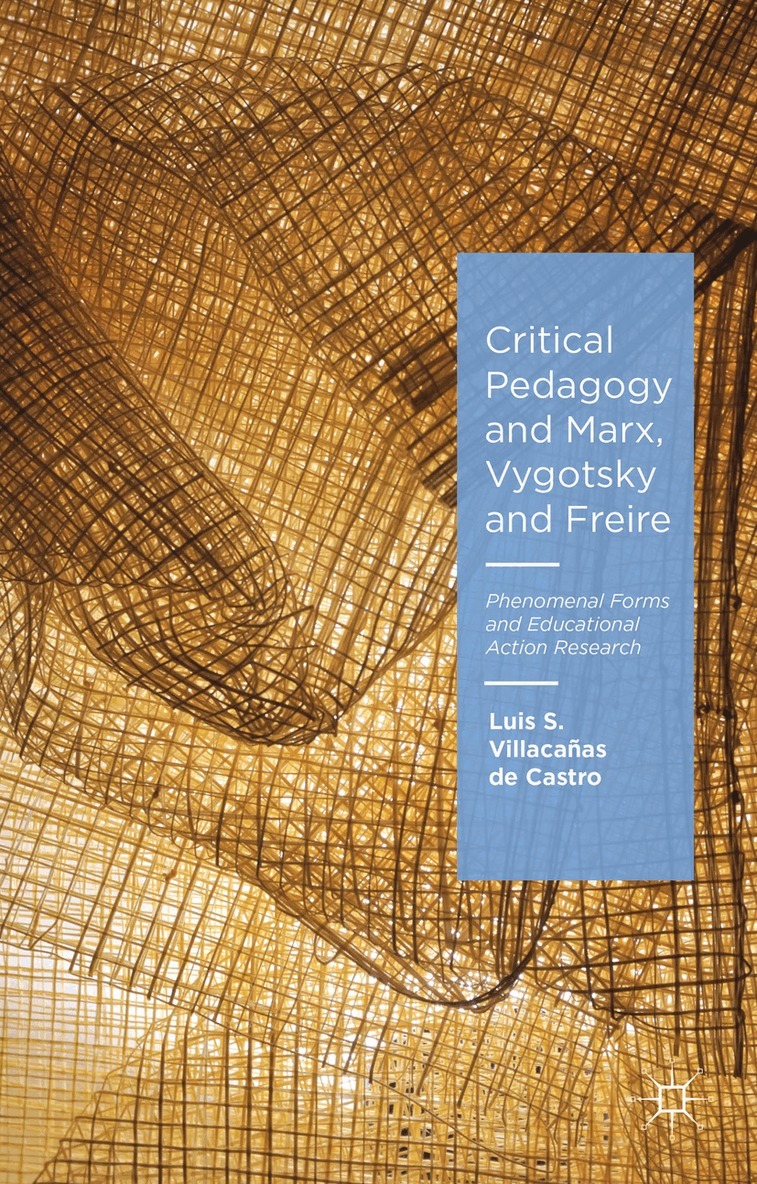
Critical Pedagogy and Marx, Vygotsky and Freire
Phenomenal Forms and Educational Action Research
Inbunden, Engelska, 2015
1 031 kr
Skickas inom 10-15 vardagar
This book explores Marx's theory of the phenomenal forms in relation to critical pedagogy and educational action research, arguing that phenomenal forms pose a pedagogical obstacle to any endeavour that seeks to expand an individual's awareness of the larger social whole.
Del 102 - New Perspectives on Language and Education
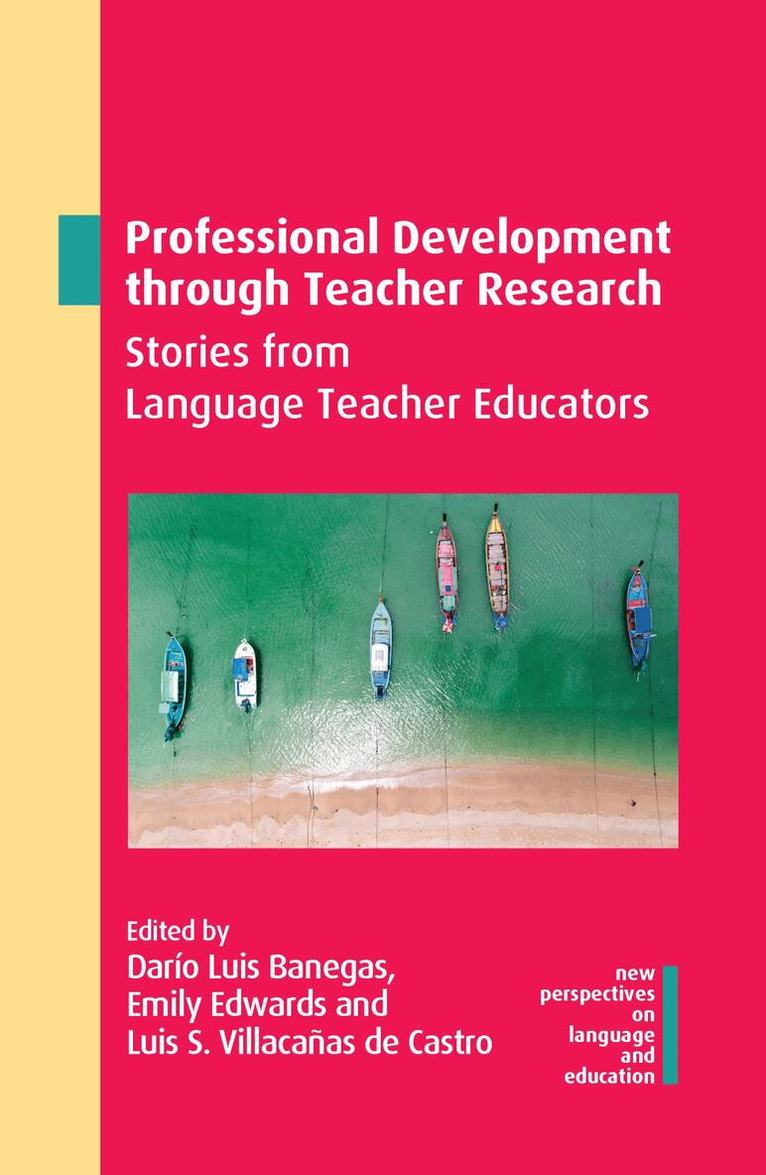
Professional Development through Teacher Research
Stories from Language Teacher Educators
Inbunden, Engelska, 2022
1 594 kr
Skickas inom 5-8 vardagar
Little is known about how language teacher educators become, and also develop professionally as, teachers of teachers. One avenue for teacher education professional development is that of teacher research, whereby teacher educators can not only improve their practices in their immediate context but also help develop transformative pedagogies in wider contexts by sharing their research. This volume aims to understand how language teacher educators around the world continue developing professionally by examining their own teaching practices. It seeks to understand the professional gains teacher educators see in conducting research with their own students/future teachers; to promote knowledge democratisation by including teacher educators from under-represented contexts such as Latin America and Africa; to examine language teacher educators’ motivations to write for publication; and to reduce the gap between educational research and educational practice in BA and MA programmes in language teaching.
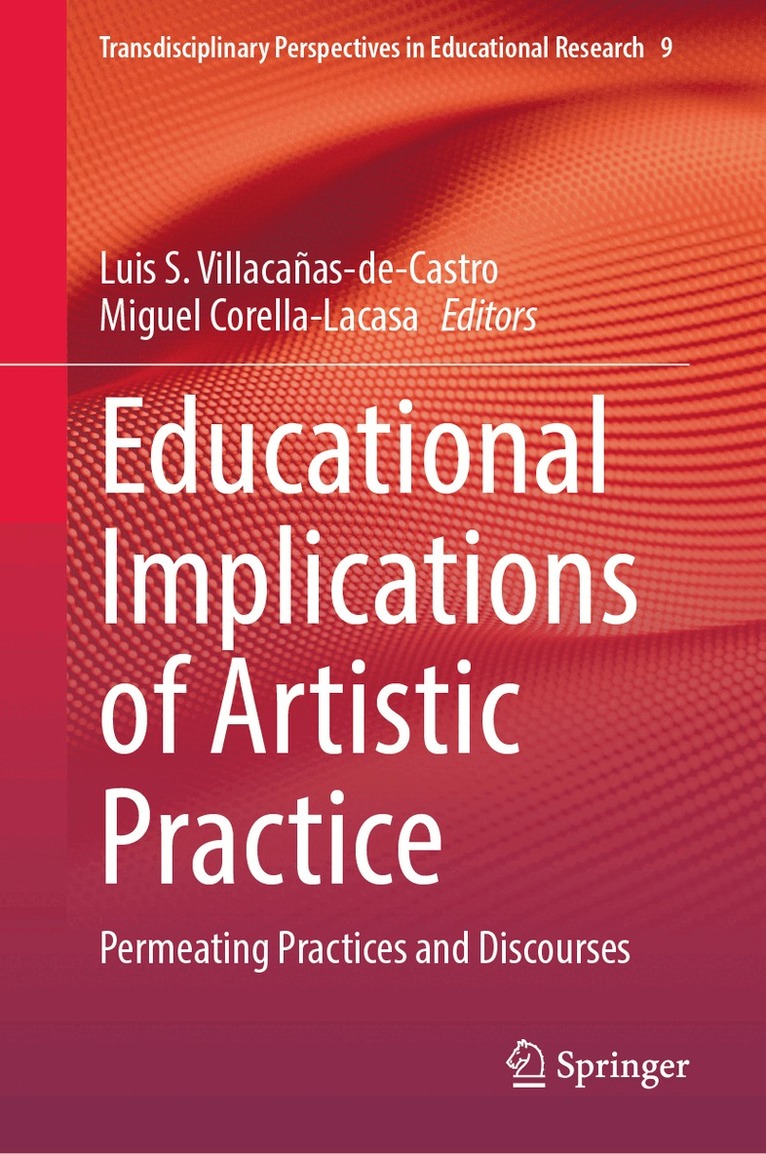
Educational Implications of Artistic Practice
Permeating Practices and Discourses
Inbunden, Engelska, 2025
1 635 kr
Skickas inom 10-15 vardagar
This collection draws on a range of frameworks from the fields of aesthetics, philosophy, and political theory to discuss how art has been characterized across the humanities. It derives consequences for educational institutions, pedagogy, and teachers of specific curricular areas. The book addresses issues such as how art has been defined, what its affordances are for educators, whether artistic practice is an intrinsically educational process, whether museums and galleries are educational institutions and, conversely, whether schools may also qualify as artistic laboratories. Through these and more questions, the book approaches the education-art nexus from both sides of the relationship with chapters that either look at education through art, or at art through education. The contributors belong to education, aesthetic, and arts university departments and report on a variety of interdisciplinary research projects. As a result, the volume provides both theoretical insights into the distinct means and purposes of art, and lively illustrations of the affordances that art holds for educators in different institutions and contexts. Although rooted for the most part in the Spanish-speaking world, the volume embraces a glocal perspective whereby contemporary tendencies and discussions are embodied and transmitted through rich and textured qualitative case studies.