Lynn Pearson - Böcker
Visar alla böcker från författaren Lynn Pearson. Handla med fri frakt och snabb leverans.
7 produkter
7 produkter
173 kr
Skickas
Our streets are enriched by a huge variety of objects, from water fountains and horse troughs to post boxes, signposts and more. Collectively, these objects are known as street furniture.From Roman-era milestones to modern infrastructure disguised as artwork, they tell us much about contemporary life. This book relates the compelling history of street furnitureʼs design and manufacture, featuring notable architects and major ironfounders, as well as curiosities like King Edward VIII post boxes. It brings the story right up to date, detailing the new generation of environmentally friendly and digitally connected street furniture. The book also charts the dangers to our streetscapes, which are particularly vulnerable to change, with heritage street furniture at risk of being forgotten or lost.This book includes many fascinating images of surviving street furniture and vanished pieces, with archive material allowing readers to see long-gone items in use. It will appeal to those interested in social and transport history, in how we lived in the past, and indeed how we may live in the future.
173 kr
Skickas
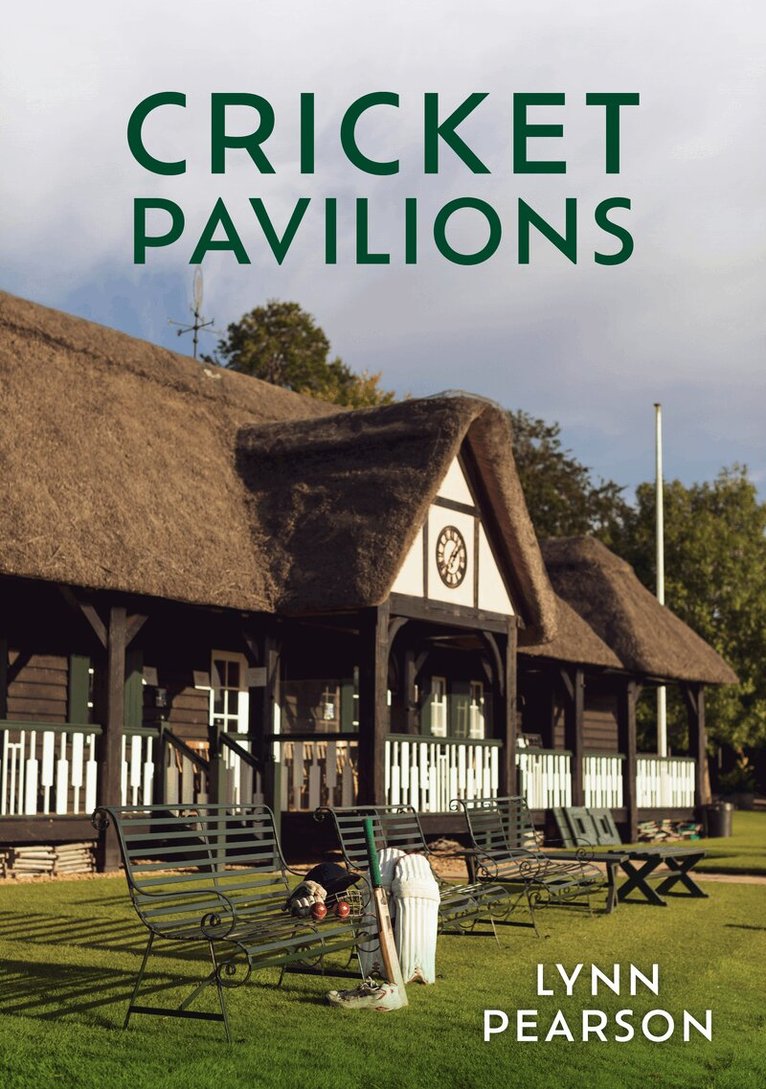
When cricket was democratised and taken up more widely in the nineteenth century, the pavilion became an essential item for every cricket club. Pavilions provide the necessary facilities – changing areas, room to eat, drink and socialise, an external clock, a scoreboard, a view of the pitch – but also a home for the trophies, scorebooks, records and archives that embody the history and heritage of a club. Whether thatched pavilions on village greens, ornate Victorian structures or modernist icons, the cricket pavilion is at the heart of the game’s architectural, social and cultural significance.Superbly illustrated throughout, this book will be of interest to those who enjoy the game and appreciate the rich variety of architectural styles represented in cricket pavilions across the country.
267 kr
Skickas inom 7-10 vardagar
By the end of Queen Victoria's reign, factories had become an inescapable part of the townscape, their chimneys dominating urban views while their labourers filled the streets, coming and going between work and home. This book is concerned with the architecture, planning and design of those factories that were part of the second wave of the industrial revolution. The book's geographical range encompasses the whole of the British Isles while its time span covers the Victorian and Edwardian eras, 1837- 1910, and the period leading up to the First World War. It also looks back to earlier buildings and gives some consideration to the interwar years and beyond, including the fate of our factory heritage in the twenty-first century. Factories, not surprisingly given their early working conditions, have had a bad press. It is sometimes forgotten that they were often the centres of thriving local communities, while their physical presence and wonderfully varied buildings enlivened our towns and cities. It is time for a new look at factory architecture.
830 kr
Skickas inom 7-10 vardagar
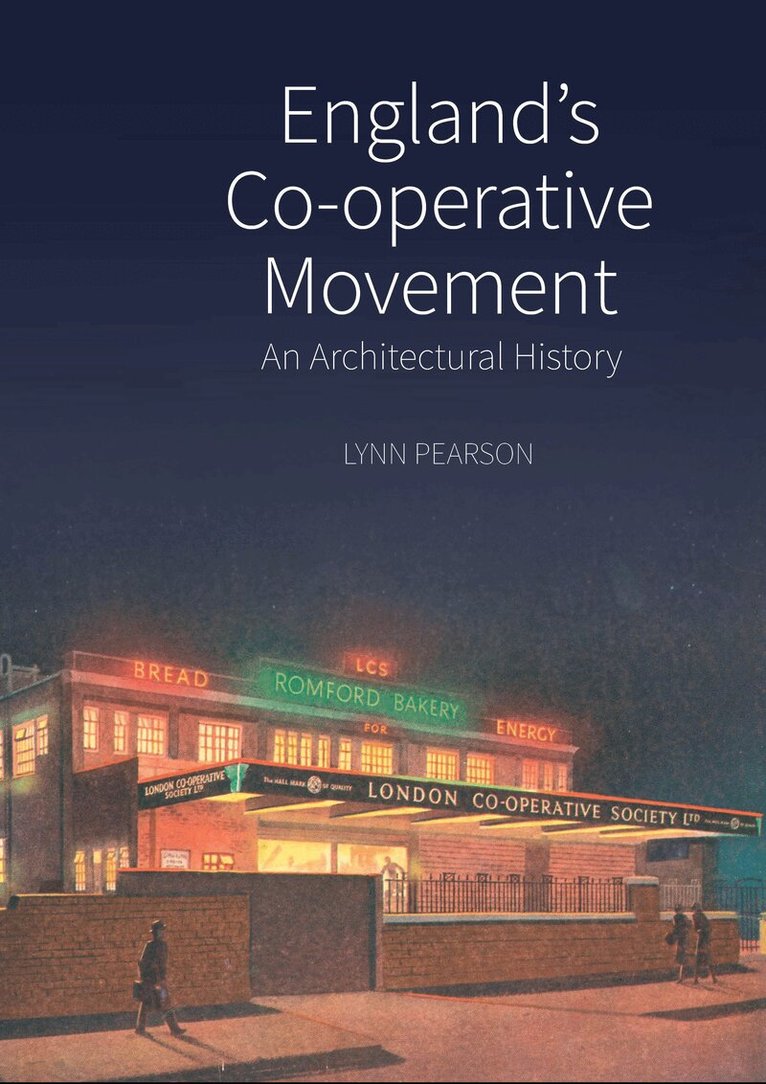
The neighbourhood co-op store was an essential element in the English shopping landscape for a century and more. Initially identified by the iconic co-operative symbols of beehives and wheatsheaves, eclectic store designs by local architects made a lasting impact on the townscape. Robustly independent local co-operative societies and lack of overall branding happily produced an unusually diverse range of architectural styles. And they were much more than just shops – their integrated educational facilities, libraries and halls made them a focal point for communities. The Co-op eventually offered a ‘cradle to grave’ service for its members.Behind the network of stores was the Co-operative Wholesale Society, the federal body responsible for manufacturing and distribution. Its factories employed thousands during the productive peak of the 1930s, and its architects brought modern design standards to bear on the whole gamut of co-op buildings.Co-op architecture is still around us countrywide, with everything from Victorian edifices to post-war artworks there to be seen and enjoyed. Using a wonderful selection of archive and modern illustrations, this book reveals the intriguing story behind the co-op’s buildings, from corner shops to vast department stores and innovative industrial structures. Remember, it’s all at the co-op now!
402 kr
Skickas inom 7-10 vardagar
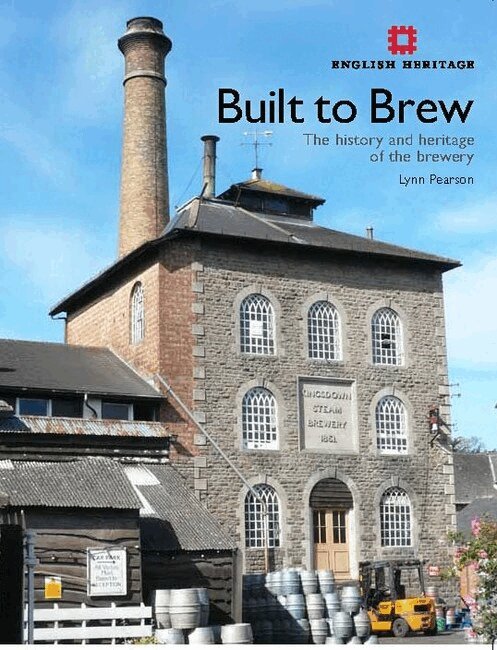
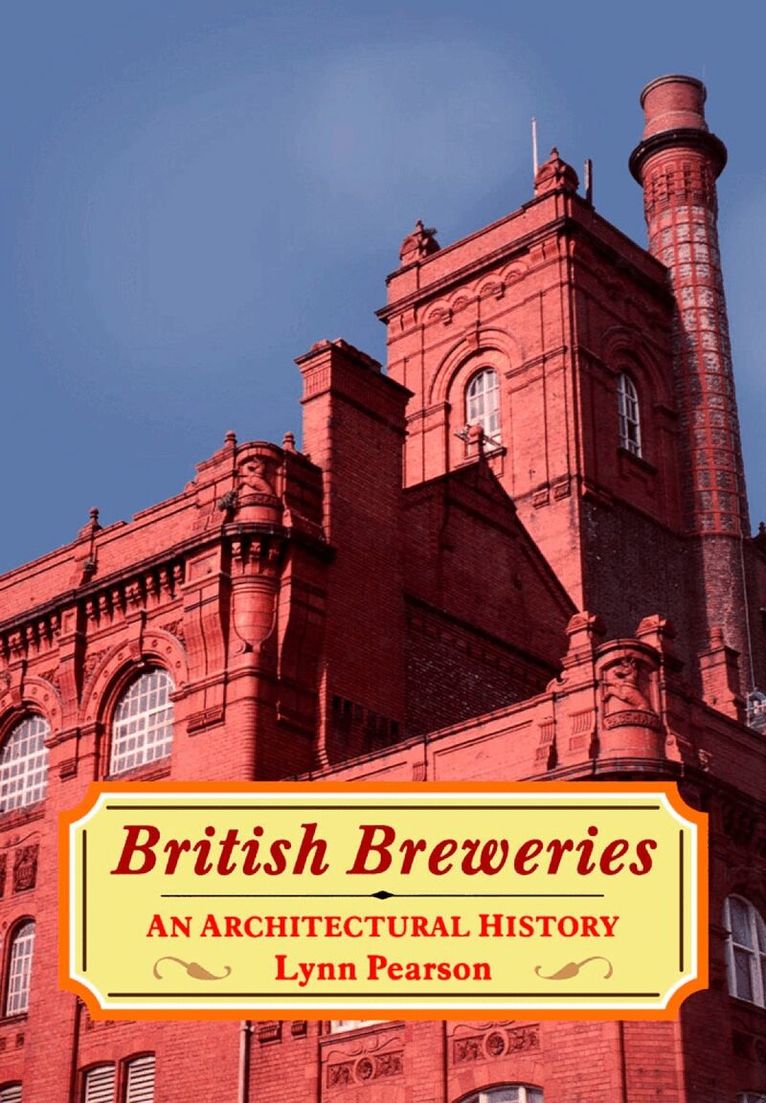
Beer has been brewed in England since Neolithic times, and this book combines a thoroughly enjoyable exploration of beer’s history and built heritage with new in-depth research into the nuts and bolts of its production. Based around England’s breweries, but occasionally ranging further afield, it tells the intriguing story of the growth of this significant industry. From Georgian brewing magnates who became household names – and their brewhouses notable tourist attractions – through magnificently ornate Victorian towers to the contemporary resurgence of microbreweries, the text throws new light on brewers and the distinctive architecture of their buildings. Detailed chapters explain what makes a brewery work, revealing the functions of sometimes enormous brewing vessels, the astonishing skills of coppersmiths and engineers, the work of heroic mill horses and the innovative steam engines which replaced them. The wider context of the brewing industry is also investigated, bringing out the breadth of the ‘beerscape’, including those buildings put up with brewing profits such as the original Shakespeare Memorial Theatre in Stratford-upon-Avon. A brewery index allows readers to find which sites are extant and can still be visited. Traditional working breweries are to be treasured and celebrated, but complementing these, the book looks to the future, considering constructive redevelopment as part of our national brewing heritage. This fascinating and lavishly illustrated work shows how deeply interwoven beer and brewing are within English culture. If you care about beer, industry or England, this book is for you. Winner of the 2015 Association for Industrial Archaeology's Peter Neaverson Award for Outstanding Scholarship in Industrial Archaeology.
1 039 kr
Skickas inom 10-15 vardagar
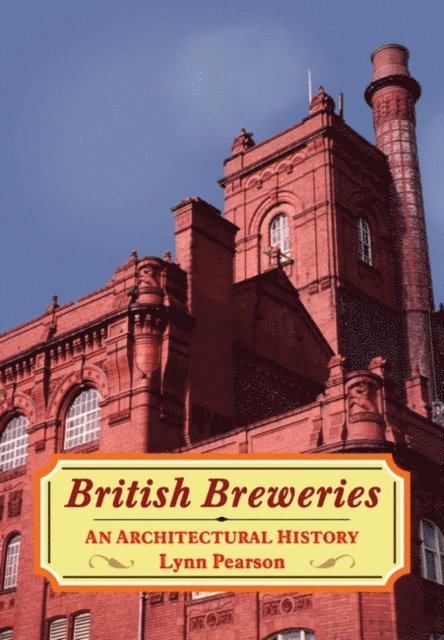
Covering the history of the architecture of breweries, this account ranges from the country house brewhouse of the 18th century to the great breweries of Georgian and Victorian England, which reached their ornate peak in the 1880s and 1890s. It deals with the practical considerations that brewers' architects and engineers had to take into account, as well as the architectural styles and the decorative features employed. The author has also included a gazetteer of brewery architecture.
328 kr
Skickas inom 7-10 vardagar
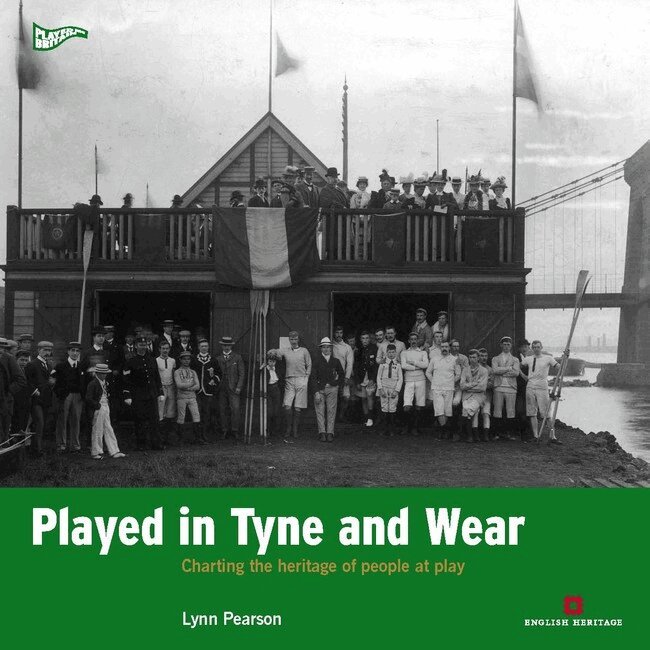
It used to be said that whenever a football manager needed a goal scorer all he had to do was travel to the North East, call down a mineshaft and up would pop a centre forward. But while the careers of Alan Shearer, Raich Carter, Bobby Robson, Brian Clough and Jackie Milburn all attest to the famous description of the North East as 'the hotbed of football', the region's miners and shipbuilders were just as likely to be formidable boxers, rowers, runners, cricketers or pigeon-racers. In "Played in Tyne and Wear", the 16th book in English Heritage's groundbreaking "Played in Britain" series, architectural historian Lynn Pearson guides the reader on an intimate tour of the area's sporting treasures; from the site of the celebrated Blaydon Races in Newcastle to a cockfighting pit in Tynemouth, and from the cantilevered heights of Sunderland's Stadium of Light to the homespun delights of Britain's only listed pigeon cree in Ryhope. On Newcastle's Town Moor - on of the great open spaces of urban Britain - Pearson traces the path of the Toon's old racecourse and the haunts of strong-armed pot-share bowlers (whose matches drew tens of thousands of gamblers in the 19th century), while an echo from the other side of the Moor recalls the smoky clamour of the 5,000 capacity St James' Hall, where the likes of 'Seaman' Tommy Watson and Jack Casey 'the Sunderland Assassin' drew massive crowds between the wars. The River Tyne itself has witnessed many an epic rowing battle, not least featuring the legendary oarsman Harry Clasper, whose funeral drew an estimated 100,000 to the streets in 1870. More recently the likes of Brendan Foster and Steve Cram have continued the North East's reputation for great athletes and for great events, such as the Great North Run and the now annual Gateshead Grand Prix. Lesser known gems from the Victorian era include the Ashbrooke sports ground in Sunderland, a real tennis court at Jesmnd, and a handball wall in Wallsend, while the region is dotted with charming bowls and tennis pavilions, golf courses and cricket grounds. Profusely illustrated with archive images, specially commissioned contemporary photography and detailed mapping, Pearson's study may not get Geordies and Mackems to bury the past, but it shows they have sporting heritage aplenty to share as neighbours.