M. Rodwan Abouharb - Böcker
Visar alla böcker från författaren M. Rodwan Abouharb. Handla med fri frakt och snabb leverans.
4 produkter
4 produkter
428 kr
Skickas inom 7-10 vardagar
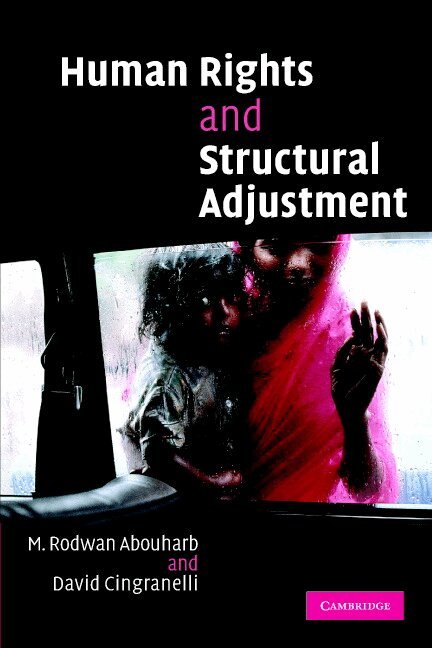
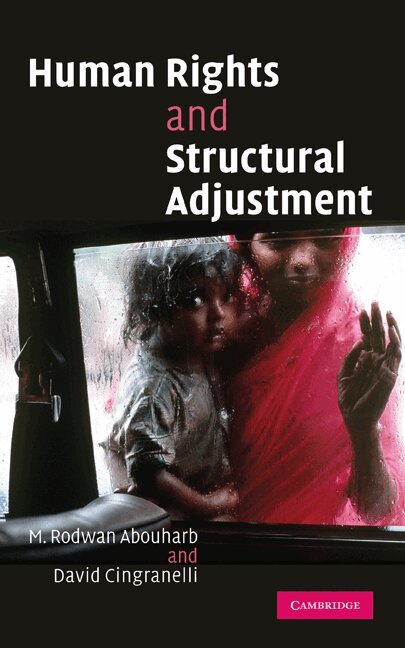
'Structural adjustment' has been a central part of the development strategy for the 'third world'. Loans made by the World Bank and the IMF have been conditional on developing countries pursuing rapid economic liberalization programmes as it was believed this would strengthen their economies in the long run. M. Rodwan Abouharb and David Cingranelli argue that, conversely, structural adjustment agreements usually cause increased hardship for the poor, greater civil conflict, and more repression of human rights, therefore resulting in a lower rate of economic development. Greater exposure to structural adjustment has increased the prevalence of anti-government protests, riots and rebellion. It has led to less respect for economic and social rights, physical integrity rights, and worker rights, but more respect for democratic rights. Based on these findings, the authors recommend a human rights-based approach to economic development.
1 192 kr
Skickas inom 7-10 vardagar
'Structural adjustment' has been a central part of the development strategy for the 'third world'. Loans made by the World Bank and the IMF have been conditional on developing countries pursuing rapid economic liberalization programmes as it was believed this would strengthen their economies in the long run. M. Rodwan Abouharb and David Cingranelli argue that, conversely, structural adjustment agreements usually cause increased hardship for the poor, greater civil conflict, and more repression of human rights, therefore resulting in a lower rate of economic development. Greater exposure to structural adjustment has increased the prevalence of anti-government protests, riots and rebellion. It has led to less respect for economic and social rights, physical integrity rights, and worker rights, but more respect for democratic rights. Based on these findings, the authors recommend a human rights-based approach to economic development.
753 kr
Skickas inom 7-10 vardagar
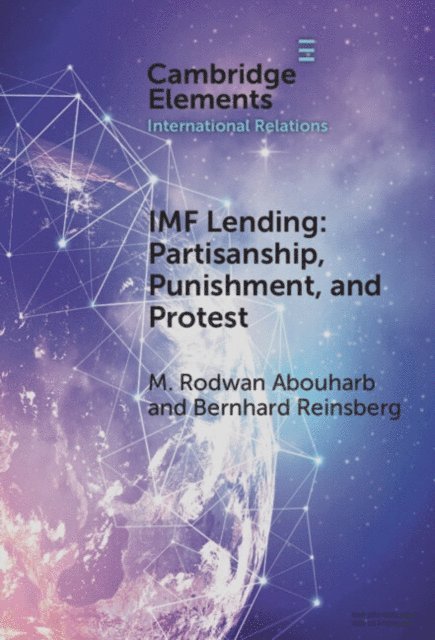
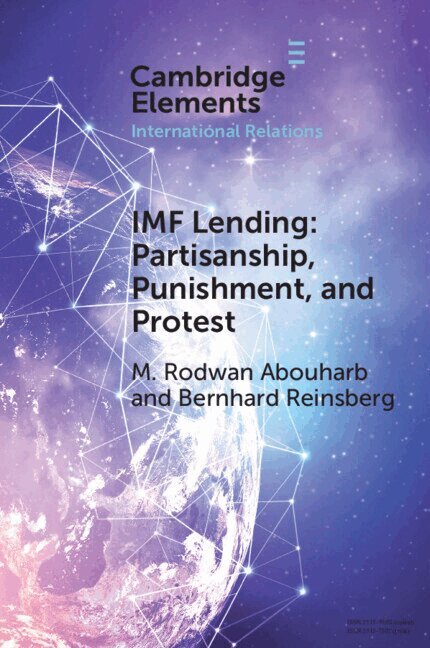
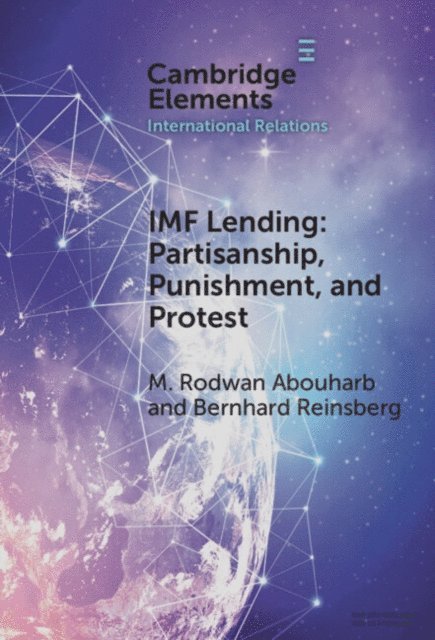
This Element argues that governments allocate adjustment burdens strategically to protect their supporters, imposing adjustment costs upon the supporters of their opponents, who then protest in response. Using large-N micro-level survey data from three world regions and a global survey, it discusses the local political economy of International Monetary Fund (IMF) lending. It finds that opposition supporters in countries under IMF structural adjustment programs (SAP) are more likely to report that the IMF SAP increased economic hardships than government supporters and countries without IMF exposure. In addition, it finds that partisan gaps in IMF SAP evaluations widen in IMF program countries with an above-median number of conditions, suggesting that opposition supporters face heavier adjustment burdens, and that opposition supporters who think SAPs made their lives worse are more likely to protest. This title is also available as Open Access on Cambridge Core.
234 kr
Skickas inom 7-10 vardagar
This Element argues that governments allocate adjustment burdens strategically to protect their supporters, imposing adjustment costs upon the supporters of their opponents, who then protest in response. Using large-N micro-level survey data from three world regions and a global survey, it discusses the local political economy of International Monetary Fund (IMF) lending. It finds that opposition supporters in countries under IMF structural adjustment programs (SAP) are more likely to report that the IMF SAP increased economic hardships than government supporters and countries without IMF exposure. In addition, it finds that partisan gaps in IMF SAP evaluations widen in IMF program countries with an above-median number of conditions, suggesting that opposition supporters face heavier adjustment burdens, and that opposition supporters who think SAPs made their lives worse are more likely to protest. This title is also available as Open Access on Cambridge Core.