M. Rosen – författare
Visar alla böcker från författaren M. Rosen. Handla med fri frakt och snabb leverans.
4 produkter
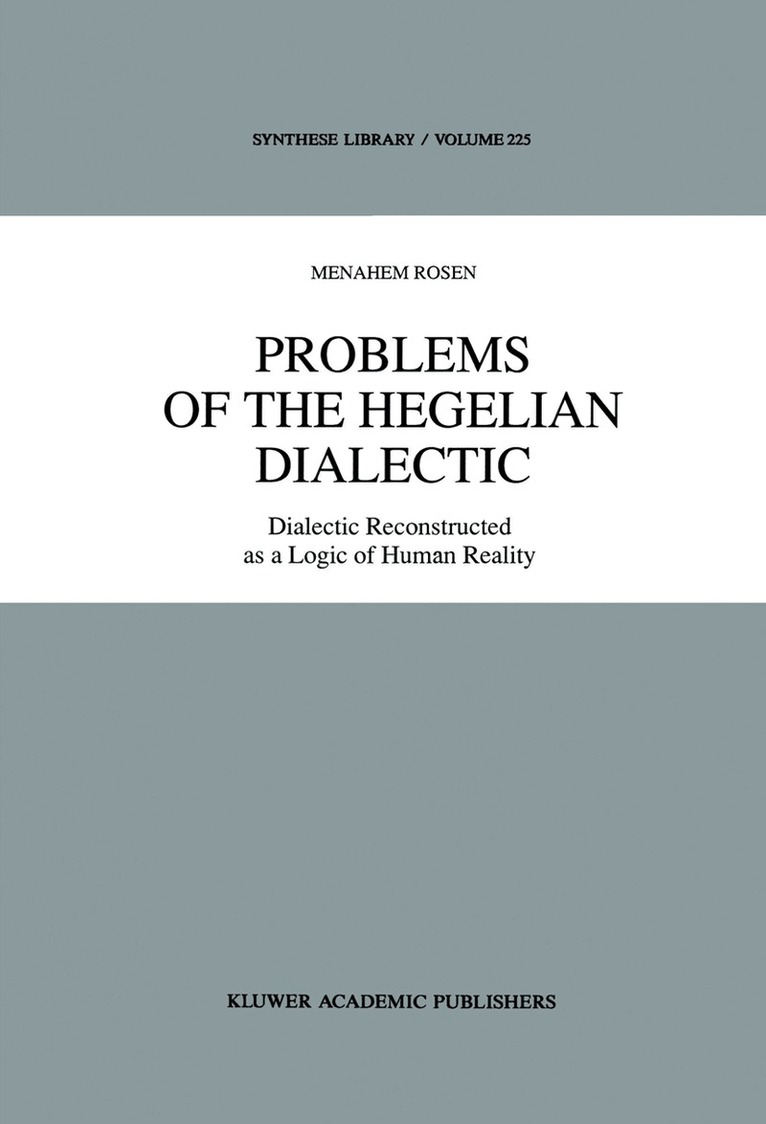
Problems of the Hegelian Dialectic
Dialectic Reconstructed as a Logic of Human Reality
Av M. Rosen
Inbunden, 1992
1643 kr
Lägg i varukorg
In this book, I deal with some fundamental problems of the Hegelian dialectic. For this purpose, I take a middle course between total scepticism, which considers dialectic as a devastator sophistry with no respect even for the non-contradiction principle, and authoritarian dogmatism, which claims …
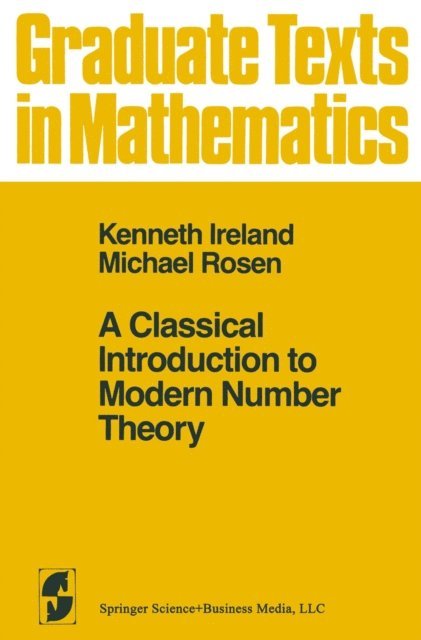
Classical Introduction to Modern Number Theory
Av M. Rosen, K. Ireland
E-bok, 2013
1140 kr
Lägg i varukorg
This book is a revised and greatly expanded version of our book Elements of Number Theory published in 1972. As with the first book the primary audience we envisage consists of upper level undergraduate mathematics majors and graduate students. We have assumed some familiarity with the material in …
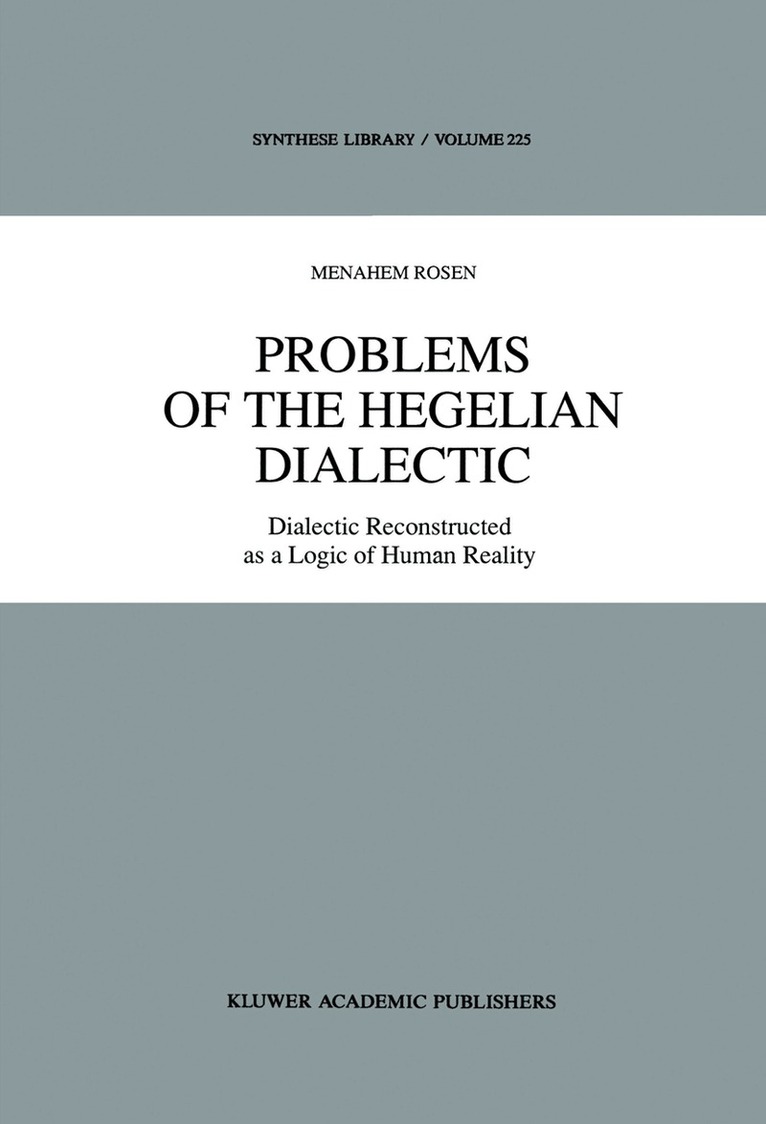
Problems of the Hegelian Dialectic
Dialectic Reconstructed as a Logic of Human Reality
Av M. Rosen
Häftad, 2012
1638 kr
Lägg i varukorg
In this book, I deal with some fundamental problems of the Hegelian dialectic. For this purpose, I take a middle course between total scepticism, which considers dialectic as a devastator sophistry with no respect even for the non-contradiction principle, and authoritarian dogmatism, which claims …
Problems of the Hegelian Dialectic
Dialectic Reconstructed as a Logic of Human Reality
Av M. Rosen
E-bok, 2012
2044 kr
Lägg i varukorg
In this book, I deal with some fundamental problems of the Hegelian dialectic. For this purpose, I take a middle course between total scepticism, which considers dialectic as a devastator sophistry with no respect even for the non-contradiction principle, and authoritarian dogmatism, which claims …