M. Steven Shackley - Böcker
Visar alla böcker från författaren M. Steven Shackley. Handla med fri frakt och snabb leverans.
6 produkter
6 produkter
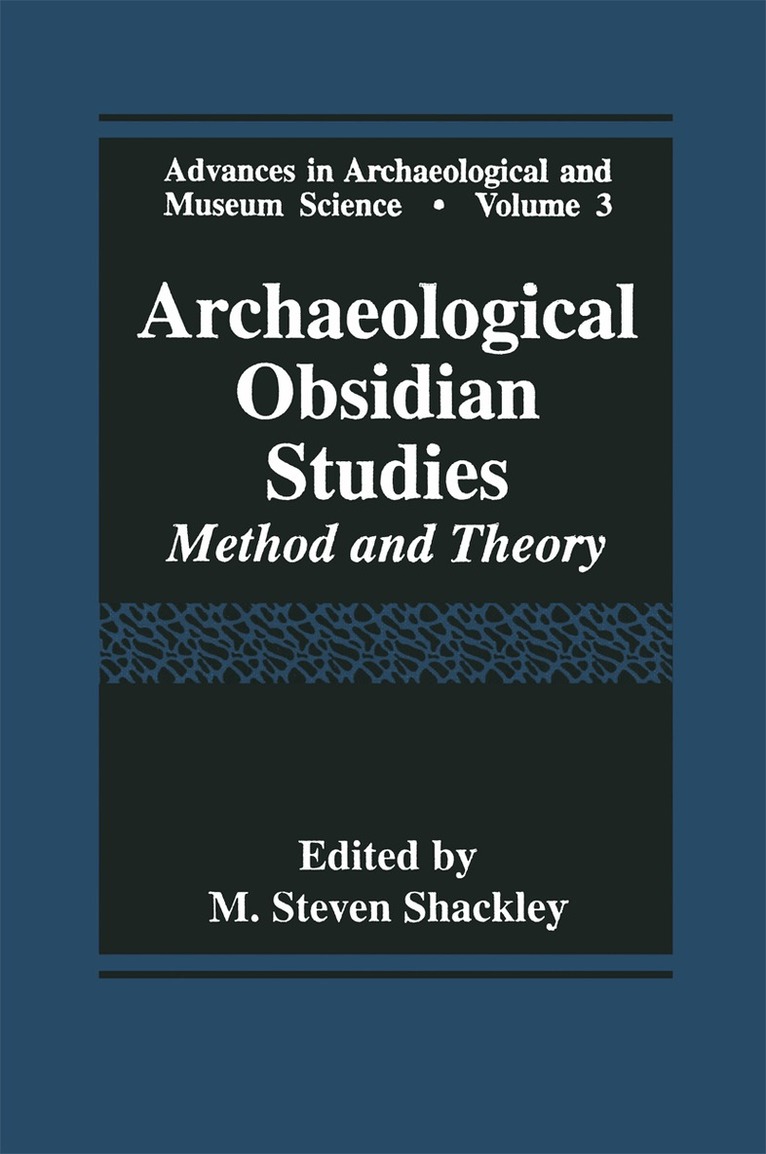
Del 3 - Advances in Archaeological and Museum Science
Archaeological Obsidian Studies
Method and Theory
Inbunden, Engelska, 1998
1 094 kr
Skickas inom 10-15 vardagar
This volume is the third in the Advances in Archaeological and Museum Science series sponsored by the Society for Archaeological Sciences (SAS). The purpose of this series is to provide summaries of advances in various topics in ar chaeometry, archaeological science, environmental archaeology, preservation technology, and museum conservation. The SAS exists to encourage interdisciplinary collaboration between archaeologists and colleagues in the natural and physical sciences. SAS mem bers are drawn from many disciplinary fields. However, they all share a common belief that physical science techniques and methods constitute an essential component of contemporary archaeological field and laboratory studies. The series editors wish to thank the reviewers of each of the chapters in this volume for their excellent comments and suggestions. We also wish to thank Chriss jones for her invaluable assistance in the preparation of the texts for submission to the publisher. xi Preface As noted in the introductory chapter, this volume is the second major review of research progress in the study of archaeological obsidian. An earlier book, Advances in Obsidian Glass Studies: Archaeological and Geochemical Perspectives, appeared in 1976. A comparison of the treatment of topics reflected in this earlier work and that contained in this volume not only highlights important advances in the quality and depth of research on archaeological obsidian over more than a quarter of a century but also illustrates more generally some characteristics of developments in the archaeological science field in general.
649 kr
Skickas inom 11-20 vardagar
Obsidian was long valued by ancient peoples as a raw material for producing stone tools, and archaeologists have increasingly come to view obsidian studies as a crucial aid in understanding the past. Steven Shackley now shows how the geochemical and contextual analyses of archaeological obsidian can be applied to the interpretation of social and economic organization in the ancient Southwest. This book, the capstone of decades of investigation, integrates a wealth of obsidian research in one volume. It covers advances in analytical chemistry and field petrology that have enhanced our understanding of obsidian source heterogeneity, presents the most recent data on and interpretations of archaeological obsidian sources in the Southwest, and explores the ethnohistorical and contemporary background for obsidian use in indigenous societies. Shackley provides a thorough examination of the geological origin of obsidian in the region and the methods used to collect raw material and determine its chemical composition, and descriptions of obsidian sources throughout the Southwest.He then describes the occurrence of obsidian artifacts and shows how their geochemical fingerprints allow archaeologists to make conclusions regarding the procurement of obsidian. The book presents three groundbreaking applications of obsidian source studies. It first discusses an application to early Preceramic groups, showing how obsidian sources can reflect the range they inhabited over time as well as their social relationships during the Archaic period. It then offers an examination of the Late Classic Salado in Arizona's Tonto Basin, where obsidian data, along with ceramic and architectural evidence, suggest that Mogollon migrants lived in economic and social harmony with the Hohokam, all the while maintaining relationships with their homeland. Finally, it provides an intensive look at social identity and gender differences in the Preclassic Hohokam of central Arizona, where obsidian source provenance and projectile point styles suggest that male Hohokam sought to create a stylistically defined identity in at least three areas of the Hohokam core area. These male 'sodalities were organized quite differently from female ceramic production groups.Today, obsidian research in the American Southwest enjoys an equal standing with ceramic, faunal, and floral studies as a method of revealing social process and change in prehistory. Shackley's book discusses the ways in which archaeologists should approach obsidian research, no matter what the region, offering a thorough survey of archaeological obsidian studies that will have methodological and theoretical applications worldwide. The volume includes an extensive glossary created specifically for archaeologists.
605 kr
Skickas inom 10-15 vardagar
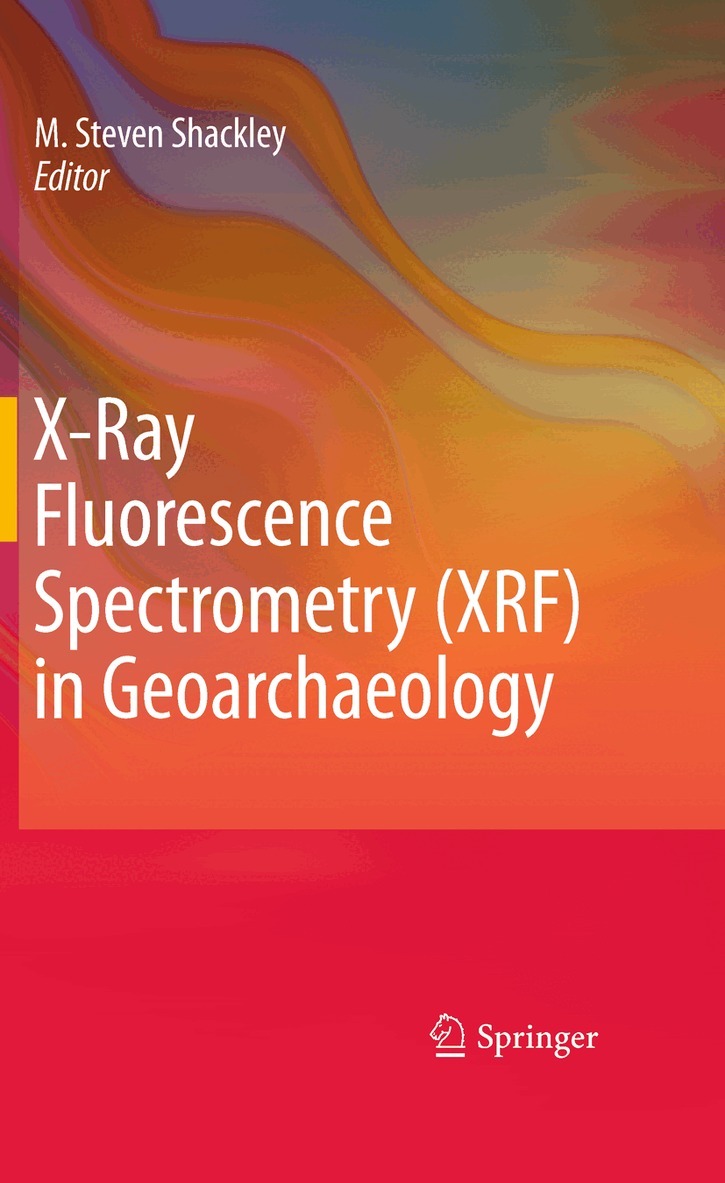
Since the 1960s, x-ray fluorescence spectrometry (XRF), both wavelength and energy-dispersive have served as the workhorse for non-destructive and destructive analyses of archaeological materials. Recently eclipsed by other instrumentation such as LA-ICP-MS, XRF remains the mainstay of non-destructive chemical analyses in archaeology, particularly for volcanic rocks, and most particularly for obsidian. In a world where heritage and repatriation issues drive archaeological method and theory, XRF remains an important tool for understanding the human past, and will remain so for decades to come.Currently, there is no comprehensive book in XRF applications in archaeology at a time when the applications of portable XRF and desktop XRF instrumentation are exploding particularly in anthropology and archaeology departments worldwide. The contributors to this volume are the experts in the field, and most are at the forefront of the newest applications of XRF to archaeological problems. It covers all relevant aspects of the field for those using the newest XRF technologies to deal with very current issues in archaeology.
605 kr
Skickas inom 10-15 vardagar
Since the 1960s, x-ray fluorescence spectrometry (XRF), both wavelength and energy-dispersive have served as the workhorse for non-destructive and destructive analyses of archaeological materials. Recently eclipsed by other instrumentation such as LA-ICP-MS, XRF remains the mainstay of non-destructive chemical analyses in archaeology, particularly for volcanic rocks, and most particularly for obsidian. In a world where heritage and repatriation issues drive archaeological method and theory, XRF remains an important tool for understanding the human past, and will remain so for decades to come.Currently, there is no comprehensive book in XRF applications in archaeology at a time when the applications of portable XRF and desktop XRF instrumentation are exploding particularly in anthropology and archaeology departments worldwide. The contributors to this volume are the experts in the field, and most are at the forefront of the newest applications of XRF to archaeological problems. It covers all relevant aspects of the field for those using the newest XRF technologies to deal with very current issues in archaeology.
1 094 kr
Skickas inom 10-15 vardagar
This volume is the third in the Advances in Archaeological and Museum Science series sponsored by the Society for Archaeological Sciences (SAS). The purpose of this series is to provide summaries of advances in various topics in ar chaeometry, archaeological science, environmental archaeology, preservation technology, and museum conservation. The SAS exists to encourage interdisciplinary collaboration between archaeologists and colleagues in the natural and physical sciences. SAS mem bers are drawn from many disciplinary fields. However, they all share a common belief that physical science techniques and methods constitute an essential component of contemporary archaeological field and laboratory studies. The series editors wish to thank the reviewers of each of the chapters in this volume for their excellent comments and suggestions. We also wish to thank Chriss jones for her invaluable assistance in the preparation of the texts for submission to the publisher. xi Preface As noted in the introductory chapter, this volume is the second major review of research progress in the study of archaeological obsidian. An earlier book, Advances in Obsidian Glass Studies: Archaeological and Geochemical Perspectives, appeared in 1976. A comparison of the treatment of topics reflected in this earlier work and that contained in this volume not only highlights important advances in the quality and depth of research on archaeological obsidian over more than a quarter of a century but also illustrates more generally some characteristics of developments in the archaeological science field in general.
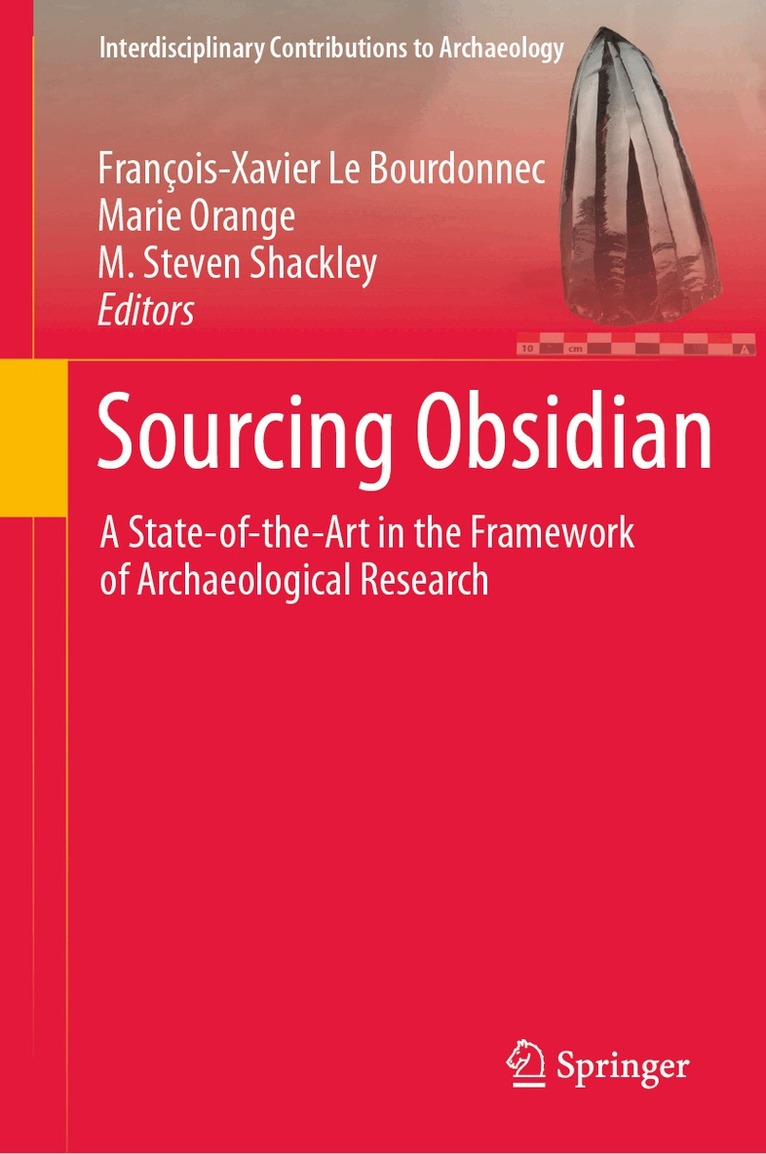
Sourcing Obsidian
A State-of-the-Art in the Framework of Archaeological Research
Inbunden, Engelska, 2026
5 232 kr
Kommande
This comprehensive book covers the state-of-the-art in obsidian sourcing studies including both current and obsolete practices in the framework of archaeological research. It addresses methodological advances and methodological issues, latest fieldwork research, and application around the world, by region.This book fosters discussion and reflection on the success story that is obsidian sourcing in Archaeology, to go beyond the conventional manual format. It addresses the methodological issues through a diversity of experts with different approaches and practices, presents the current practices related to the fieldwork aspect of obsidian sourcing studies, and offers an overview of the ongoing fieldwork research across the world. The book provides students and scholars with an up-to-date overview of the current research in the field, as well as a reflection on past and present methodological practices.