Madeleine Dobie - Böcker
Visar alla böcker från författaren Madeleine Dobie. Handla med fri frakt och snabb leverans.
4 produkter
4 produkter
1 594 kr
Skickas inom 10-15 vardagar
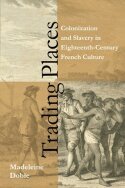
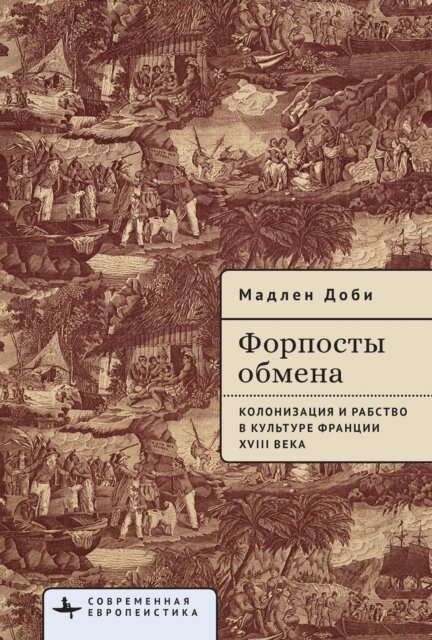
In Trading Places, Madeleine Dobie explores the place of the colonial world in the culture of the French Enlightenment. She shows that until a turning point in the late 1760s questions of colonization and slavery occupied a very marginal position in literature, philosophy, and material and visual culture. In an exploration of the causes and modalities of this silence, Dobie traces the displacement of colonial questions onto two more familiar—and less ethically challenging—aspects of Enlightenment thought: exoticization of the Orient and fascination with indigenous Amerindian cultures. Expanding the critical analysis of the cultural imprint of colonization to encompass commodities as well as texts, Dobie considers how tropical raw materials were integrated into French material culture. In an original exploration of the textile and furniture industries Dobie considers consumer goods both as sites of representation and as vestiges of the labor of the enslaved. Turning to the closing decades of the eighteenth century, Dobie considers how silence evolved into discourse. She argues that sustained examination of the colonial order was made possible by the rise of economic liberalism, which attacked the prevailing mercantilist doctrine and formulated new perspectives on agriculture, labor (including slavery), commerce, and global markets. Questioning recent accounts of late Enlightenment "anticolonialism," she shows that late eighteenth-century French philosophers opposed slavery while advocating the expansion of a "liberalized" colonial order. Innovative and interdisciplinary, Trading Places combines literary and historical analysis with new research into political economy and material culture.
335 kr
Skickas inom 10-15 vardagar
In Trading Places, Madeleine Dobie explores the place of the colonial world in the culture of the French Enlightenment. She shows that until a turning point in the late 1760s questions of colonization and slavery occupied a very marginal position in literature, philosophy, and material and visual culture. In an exploration of the causes and modalities of this silence, Dobie traces the displacement of colonial questions onto two more familiar—and less ethically challenging—aspects of Enlightenment thought: exoticization of the Orient and fascination with indigenous Amerindian cultures. Expanding the critical analysis of the cultural imprint of colonization to encompass commodities as well as texts, Dobie considers how tropical raw materials were integrated into French material culture. In an original exploration of the textile and furniture industries Dobie considers consumer goods both as sites of representation and as vestiges of the labor of the enslaved. Turning to the closing decades of the eighteenth century, Dobie considers how silence evolved into discourse. She argues that sustained examination of the colonial order was made possible by the rise of economic liberalism, which attacked the prevailing mercantilist doctrine and formulated new perspectives on agriculture, labor (including slavery), commerce, and global markets. Questioning recent accounts of late Enlightenment "anticolonialism," she shows that late eighteenth-century French philosophers opposed slavery while advocating the expansion of a "liberalized" colonial order. Innovative and interdisciplinary, Trading Places combines literary and historical analysis with new research into political economy and material culture.
308 kr
Skickas inom 7-10 vardagar
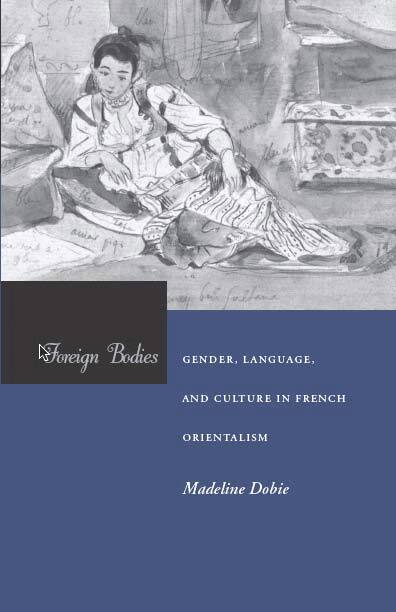
Building on the critical foundations established by Edward Said in Orientalism, Foreign Bodies examines the relationship between the Orientalist tradition in French art and literature and France's colonial history. It focuses on a central dimension of this exchange: the prevalent figure of the "oriental woman," and the interplay of race and gender in both domestic and colonial history. It also offers a genealogy of contemporary French attitudes to Islamic culture, in which beliefs about sexuality and gender relations continue to occupy a privileged place.The author examines the extent to which the rhetorical status and political implications of Orientalism register the changing circumstances of French colonial activity, tracing the convergence, or divergence, of colonial practice and the literary record. She also argues against the tendency, in both historical and theoretical writing on colonialism, to divide center from margins, metropolitan from colonial. Instead, she shows how colonial products and ideas permeated the domestic culture and shaped its evolution.Finally, the book proposes that the feminine figures of Orientalist texts are often interwoven with representations of language, and more specifically with representations of language as an alien and resistant code—something other than the transparent medium of ideas. It suggests that in promoting awareness that language is not simply the neutral medium of thought and experience, these veiled figures of language function as "foreign bodies," creating disruptive effects within an economy orchestrated toward the production of knowledge of the other.However, the book also argues against the view, espoused by certain critics, that the self-reflexivity of Orientalist writing fully counteracts its polarizing political effects, arguing instead for a process of "double reading" that acknowledges both the geopolitical power encoded within Orientalist representation and the ways in which specific texts resist this power.
Comparative Literary History of Modern Slavery
The Atlantic world and beyond. Volume I: Slavery, literature and the emotions
Inbunden, Engelska, 2024
2 059 kr
Skickas
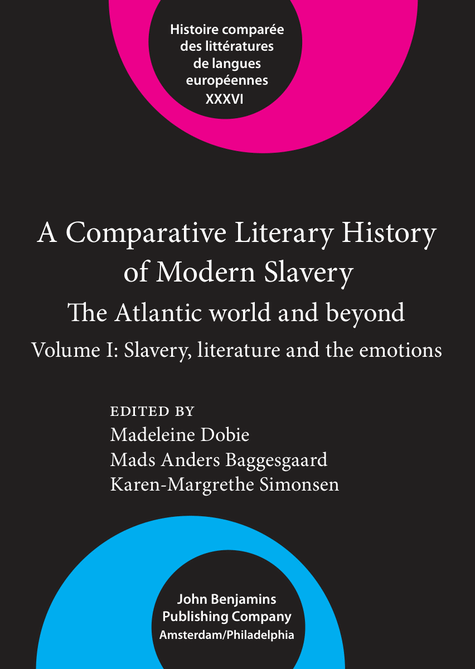
The first volume of A Comparative Literary History of Modern Slavery explores literary representations of enslavement with a focus on the emotions. The contributors consider how the diverse emotions generated by slavery have been represented over a historical period stretching from the 16th century to the present and across regions, languages, media and genres. The seventeen chapters explore different framings of emotional life in terms of ‘sentiments’ and ‘affects’ and consider how emotions intersect with literary registers and movements such as melodrama and realism. They also examine how writers, including some formerly enslaved people, sought to activate the feelings of readers, notably in the context of abolitionism. In addition to obvious psychological responses to slavery such as fear, sorrow and anger, they explore minor-key affects such as shame, disgust and nostalgia and address the complexity of depicting love and intimacy in situations of domination. Two forthcoming volumes explore the literary history of slavery in relation to memory and to practices of authorship.