Madhuja Mukherjee - Böcker
Visar alla böcker från författaren Madhuja Mukherjee. Handla med fri frakt och snabb leverans.
5 produkter
5 produkter
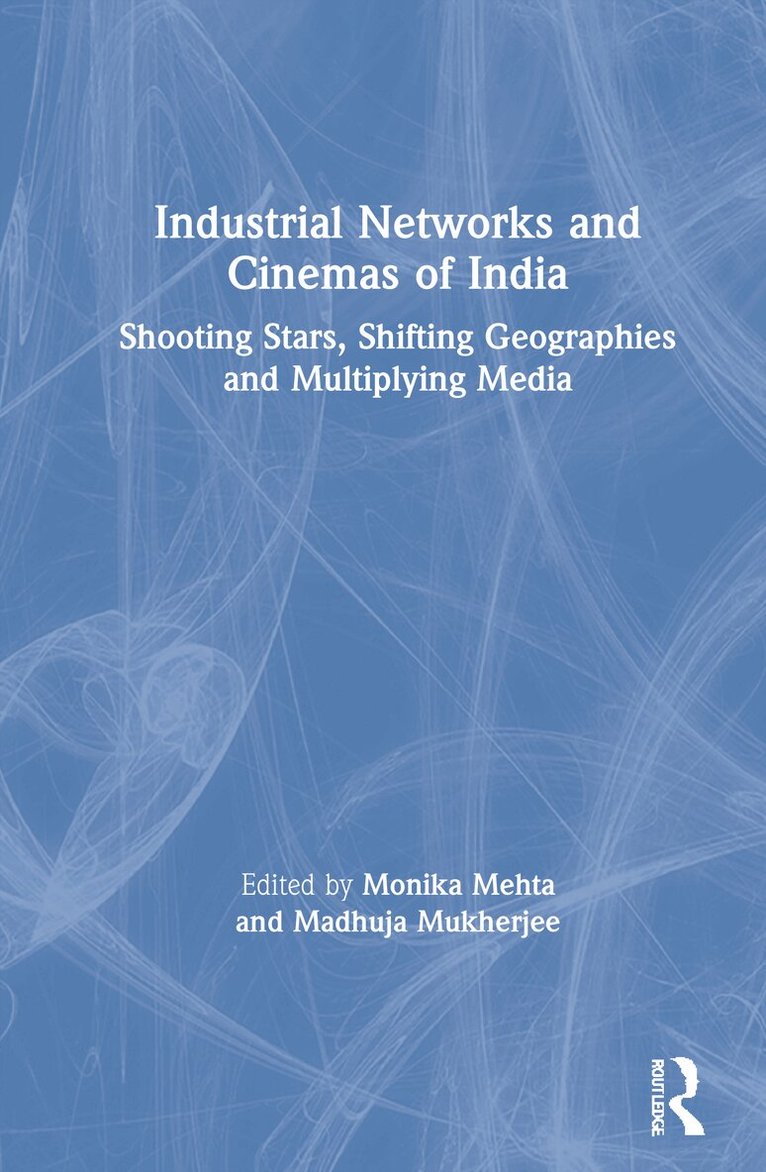
Industrial Networks and Cinemas of India
Shooting Stars, Shifting Geographies and Multiplying Media
Inbunden, Engelska, 2020
2 098 kr
Skickas inom 10-15 vardagar
This volume points to the limits of models such as regional, national, and transnational, and develops ‘network’ as a conceptual category to study cinemas of India. Through grounded and interdisciplinary research, it shows how film industries located in disparate territories have not functioned as isolated units and draws attention to the industrial traffic – of filmic material, actors, performers, authors, technicians, genres, styles, sounds, expertise, languages, and capital, across trans-regional contexts -- since the inception of cinema. It excavates histories of film production, distribution and exhibition, and their connections beyond regional and national boundaries, and between places, industrial practices, and multiple media.The chapters in this volume address a range of themes such as transgressive female figures; networks of authors and technicians; trans-regional production links and changing technologies, and new media geographies. By tracking manifold changes in the contexts of transforming media, and inter-connections between diverse industrial nodal points, this book expands the critical vocabulary in media and production studies and foregrounds new methods for examining cinema.A generative account of industrial networks, this volume will be useful for scholars and researchers of film studies, cinema studies, media studies, production studies, media sociology, gender studies, South Asian studies, and cultural studies.
1 301 kr
Skickas inom 10-15 vardagar
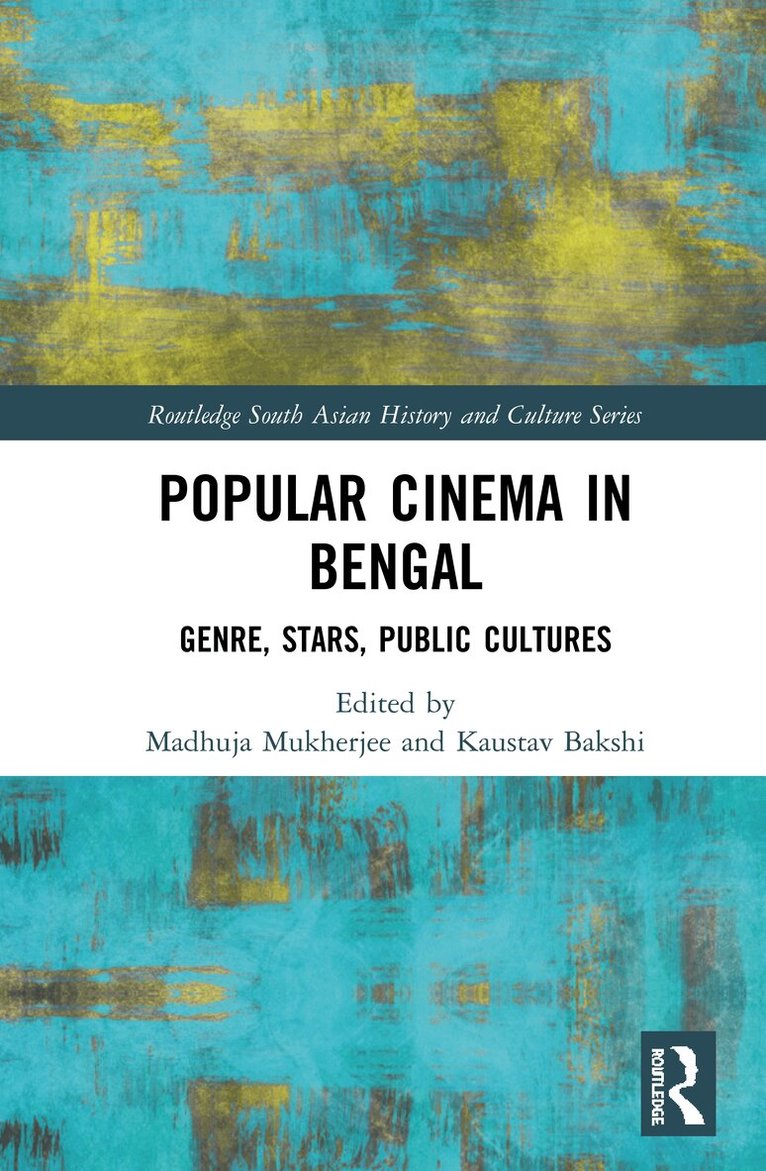
Popular Cinema in Bengal marks a decisive turn in studies of Bengali language cinema by shifting the focus from auteur and text-based studies to exhaustive readings of the film industry. The book covers a wide range of themes and issues, including: generic tropes (like comedy and action); iconic figurations (of the detective and the city); (female) stars such as Kanan Bala, Sadhana Bose and Aparna Sen; intensities of public debates (subjects of high and low cultures, taste, viewership, gender and sexuality); print cultures (including posters, magazines and song-booklets); cinematic spaces; and trans-media and trans-cultural traffic. By locating cinema within the crosscurrents of geo-political transformations, the book highlights the new and persuasive research that has materialised over the last decade. The authors raise pertinent questions regarding 'regional' cinema as a category, in relation to 'national' cinema models, and trace the non-linear journey of the popular via multiple (media) trajectories. They address subjects of physicality, sexuality and its representations, industrial change, spaces of consumption, and cinema’s meandering directions through global circuits and low-end networks. Highlighting the ever-changing contours of cinema in Bengal in all its popular forms and proposing a new historiography, Popular Cinema in Bengal will be of great interest to scholars of film studies and South-Asian popular culture. The chapters were originally published in the journal South Asian History and Culture.
Industrial Networks and Cinemas of India
Shooting Stars, Shifting Geographies and Multiplying Media
Häftad, Engelska, 2020
688 kr
Skickas inom 10-15 vardagar
This volume points to the limits of models such as regional, national, and transnational, and develops ‘network’ as a conceptual category to study cinemas of India. Through grounded and interdisciplinary research, it shows how film industries located in disparate territories have not functioned as isolated units and draws attention to the industrial traffic – of filmic material, actors, performers, authors, technicians, genres, styles, sounds, expertise, languages, and capital, across trans-regional contexts -- since the inception of cinema. It excavates histories of film production, distribution and exhibition, and their connections beyond regional and national boundaries, and between places, industrial practices, and multiple media.The chapters in this volume address a range of themes such as transgressive female figures; networks of authors and technicians; trans-regional production links and changing technologies, and new media geographies. By tracking manifold changes in the contexts of transforming media, and inter-connections between diverse industrial nodal points, this book expands the critical vocabulary in media and production studies and foregrounds new methods for examining cinema.A generative account of industrial networks, this volume will be useful for scholars and researchers of film studies, cinema studies, media studies, production studies, media sociology, gender studies, South Asian studies, and cultural studies.
565 kr
Skickas inom 10-15 vardagar
Popular Cinema in Bengal marks a decisive turn in studies of Bengali language cinema by shifting the focus from auteur and text-based studies to exhaustive readings of the film industry. The book covers a wide range of themes and issues, including: generic tropes (like comedy and action); iconic figurations (of the detective and the city); (female) stars such as Kanan Bala, Sadhana Bose and Aparna Sen; intensities of public debates (subjects of high and low cultures, taste, viewership, gender and sexuality); print cultures (including posters, magazines and song-booklets); cinematic spaces; and trans-media and trans-cultural traffic. By locating cinema within the crosscurrents of geo-political transformations, the book highlights the new and persuasive research that has materialised over the last decade. The authors raise pertinent questions regarding 'regional' cinema as a category, in relation to 'national' cinema models, and trace the non-linear journey of the popular via multiple (media) trajectories. They address subjects of physicality, sexuality and its representations, industrial change, spaces of consumption, and cinema’s meandering directions through global circuits and low-end networks. Highlighting the ever-changing contours of cinema in Bengal in all its popular forms and proposing a new historiography, Popular Cinema in Bengal will be of great interest to scholars of film studies and South-Asian popular culture. The chapters were originally published in the journal South Asian History and Culture.
2 160 kr
Skickas inom 10-15 vardagar
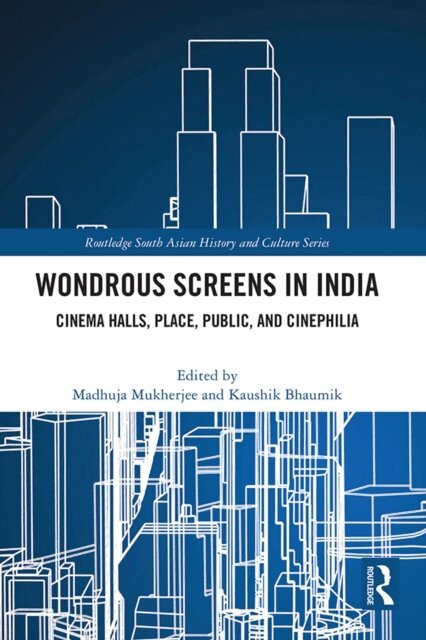
This book brings together fifteen chapters involving extraordinary primary material, evidences, and experiences of the rapidly shrinking single-screen spaces and transforming viewing cultures in the big cities and towns across India. It emphasizes on the material history of cinema – a history of one hundred years and more, intrinsically linked with accounts of the late colonial period, nation, democracy, as well as film industry, flow of capital, movement of people, traffic of the cinematic, urban and public cultures. The volume unpacks the history of cinema in India by exploring collective experiences at the site of cinema-halls.Scholars of cinema have considered subjects of infrastructure, micro- industries, industrial networks, media-ecologies, intermediality, as well as matters of performance, media-forms, and the labouring body. This volume complicates existing researches via the study of exhibition sites at Mumbai, Kolkata, Hyderabad, Allahabad, Pune, Jamshedpur, Tirunelveli, Anantnag, and Srinagar. By problematizing the nostalgic gaze hovering over defunct single-theatres, the volume produces a pioneering reading of manifold film cultures in India. It focuses on history of places, peoples, practices, film publicity, architecture, urban and peri-urban spaces to generate a social history of cinema; rethinks issues of tangible and intangible archives; and provides methods to address the lacunae within cinema studies.This interdisciplinary volume will be invaluable to scholars and students across multiple fields including cinema and media studies, cultural studies, urban studies, visual studies, South Asian studies, and social history. It will be particularly useful for researchers working on film industry and exhibition cultures, viewership, urban history, media archaeology, and socio-political aspects of cinema.The chapters in this book were originally published as special issues of South Asian History and Culture.