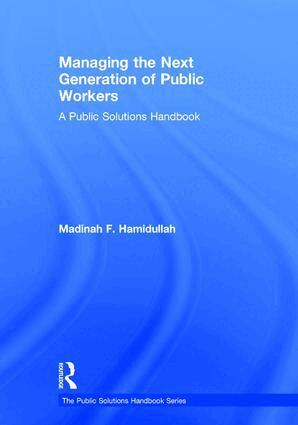
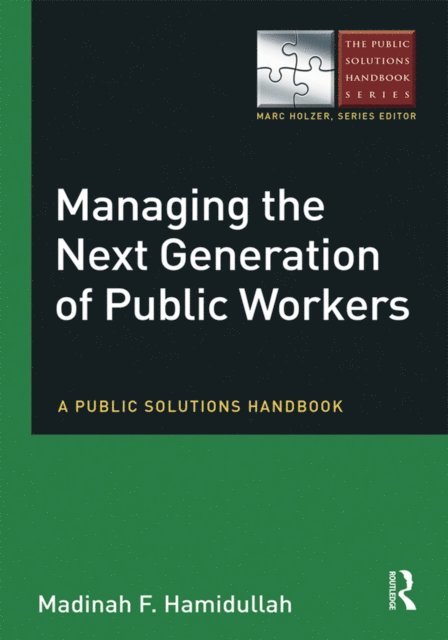
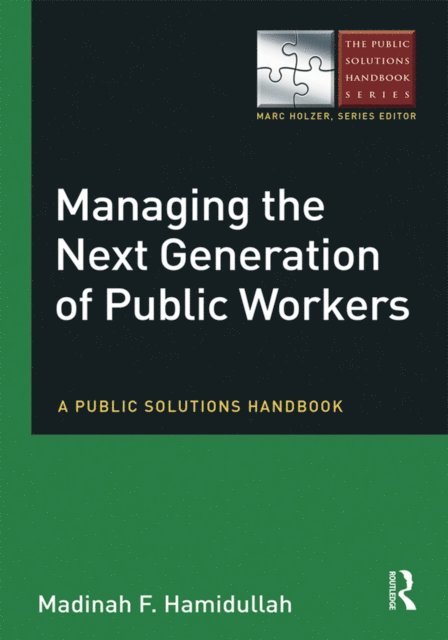
Madinah F. Hamidullah – författare
1 574 kr
Läs direkt efter köp
With over 20 million people on its payroll, the government is the largest employer in the country. Managing people who do the nation’s work is of critical importance to politicians, government leaders, and citizens alike. Personnel Management in Government: Politics and Process, eighth edition, examines the progress and innovations that public personnel professionals are making to address changes in the political, legal, and managerial environment of government. It provides students with a comprehensive understanding of human resource management within its historical and political context in the public sector.
A number of new developments are addressed in the eighth edition, including discussion of:
Human resource management in nonprofit organizations in an all-new, dedicated chapter
Current and future challenges to recruitment and hiring, including the use of social media in recruitment
Privatization and contracting out
The rise of employment "at will" policies
Digital technology or "digitalization" in HRM and the need to enhance cybersecurity
Managing performance with human capital analytics
Increased reliance on telework
States’ attacks on public sector labor unions
HRM changes under the Trump administration
Since publication of the first edition in 1977, Personnel Management in Government has addressed issues not yet considered mainstream, but that have proven central to the development of the field over time. This long-standing but no less innovative textbook is required reading for all students of public, government, and non-profit personnel management.
1 574 kr
Läs direkt efter köp
With over 20 million people on its payroll, the government is the largest employer in the country. Managing people who do the nation’s work is of critical importance to politicians, government leaders, and citizens alike. Personnel Management in Government: Politics and Process, eighth edition, examines the progress and innovations that public personnel professionals are making to address changes in the political, legal, and managerial environment of government. It provides students with a comprehensive understanding of human resource management within its historical and political context in the public sector.
A number of new developments are addressed in the eighth edition, including discussion of:
Human resource management in nonprofit organizations in an all-new, dedicated chapter
Current and future challenges to recruitment and hiring, including the use of social media in recruitment
Privatization and contracting out
The rise of employment "at will" policies
Digital technology or "digitalization" in HRM and the need to enhance cybersecurity
Managing performance with human capital analytics
Increased reliance on telework
States’ attacks on public sector labor unions
HRM changes under the Trump administration
Since publication of the first edition in 1977, Personnel Management in Government has addressed issues not yet considered mainstream, but that have proven central to the development of the field over time. This long-standing but no less innovative textbook is required reading for all students of public, government, and non-profit personnel management.
751 kr
Skickas inom 10-15 vardagar
2 324 kr
Skickas inom 10-15 vardagar
1 366 kr
Skickas inom 10-15 vardagar
860 kr
Läs direkt efter köp
Managing the Next Generation of Public Workers is a fresh and energetic look at the changing climate of diversity in the public and nonprofit workplace.
The workforce of the twenty-first century represents unparalleled complexity: Baby Boomers, GenX, GenY, and Millennials. Although that diversity may be challenging and often overwhelming for public managers, Madinah Hamidullah emphasizes the potential strengths that can be drawn from complex multigenerational relationships.
This handbook offers public and nonprofit managers the tools necessary to address generational differences and questions such as:
• How do the newer generations in the workplace differ on such fundamentals as work ethic, family values, and retirement horizons?
• Are they recruited differently and do they expect a different mix of benefits—perhaps a better work-life balance as a tradeoff for a lower salary?
• How can diverse, generational perspectives in the workplace add value by questioning old, traditional assumptions?
• Will approaches to organizational decision making necessarily change as new generations take over?
The book is for public and nonprofit managers who recognize the challenges of managing a multigenerational workforce, and are therefore seeking helpful insights. This volume is a roadmap not only for human resource (HR) managers, but for all managers who must address the complexities of the human condition—complexities that are complicated by the most rapid succession of workforce generations that we have yet seen.
860 kr
Läs direkt efter köp
Managing the Next Generation of Public Workers is a fresh and energetic look at the changing climate of diversity in the public and nonprofit workplace.
The workforce of the twenty-first century represents unparalleled complexity: Baby Boomers, GenX, GenY, and Millennials. Although that diversity may be challenging and often overwhelming for public managers, Madinah Hamidullah emphasizes the potential strengths that can be drawn from complex multigenerational relationships.
This handbook offers public and nonprofit managers the tools necessary to address generational differences and questions such as:
• How do the newer generations in the workplace differ on such fundamentals as work ethic, family values, and retirement horizons?
• Are they recruited differently and do they expect a different mix of benefits—perhaps a better work-life balance as a tradeoff for a lower salary?
• How can diverse, generational perspectives in the workplace add value by questioning old, traditional assumptions?
• Will approaches to organizational decision making necessarily change as new generations take over?
The book is for public and nonprofit managers who recognize the challenges of managing a multigenerational workforce, and are therefore seeking helpful insights. This volume is a roadmap not only for human resource (HR) managers, but for all managers who must address the complexities of the human condition—complexities that are complicated by the most rapid succession of workforce generations that we have yet seen.