Magdalena Waligorska – författare
Visar alla böcker från författaren Magdalena Waligorska. Handla med fri frakt och snabb leverans.
11 produkter
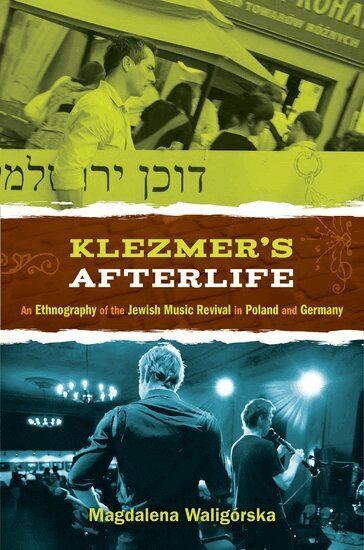
Klezmer's Afterlife
An Ethnography of the Jewish Music Revival in Poland and Germany
Häftad, 2013
589 kr
Lägg i varukorg
Klezmer in Europe has been a controversial topic ever since this traditional Jewish wedding music made it to the concert halls and discos of Berlin, Warsaw, Budapest and Prague. Played mostly by non-Jews and for non-Jews, it was hailed as "fakelore," "Jewish Disneyland" and even "cultural …
Klezmer's Afterlife
An Ethnography of the Jewish Music Revival in Poland and Germany
Inbunden, 2013
2753 kr
Lägg i varukorg
Klezmer in Europe has been a controversial topic ever since this traditional Jewish wedding music made it to the concert halls and discos of Berlin, Warsaw, Budapest and Prague. Played mostly by non-Jews and for non-Jews, it was hailed as "fakelore," "Jewish Disneyland" and even "cultural …
Klezmer's Afterlife
An Ethnography of the Jewish Music Revival in Poland and Germany
E-bok, 2013
403 kr
Lägg i varukorg
Klezmer in Europe has been a controversial topic ever since this traditional Jewish wedding music made it to the concert halls and discos of Berlin, Warsaw, Budapest and Prague. Played mostly by non-Jews and for non-Jews, it was hailed as "fakelore," "Jewish Disneyland" and even "cultural …
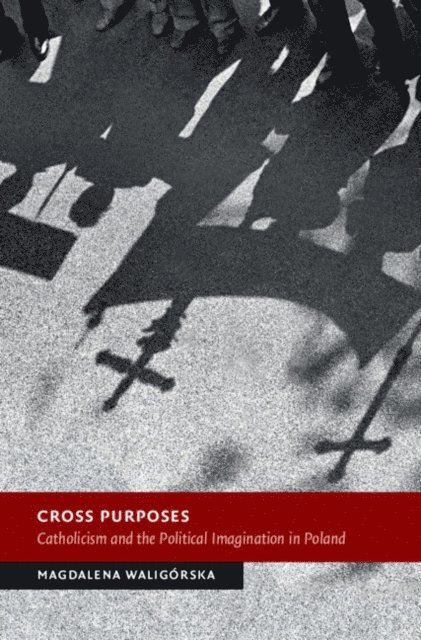
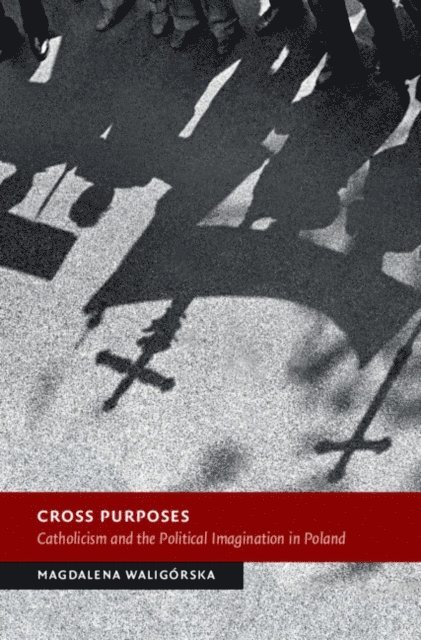
Cross Purposes
Catholicism and the Political Imagination in Poland
E-bok, 2022
423 kr
Lägg i varukorg
No other symbol is as omnipresent in Poland as the cross. This multilayered and contradictory icon features prominently in public spaces and state institutions. It is anchored in the country''s visual history, inspires protest culture, and dominates urban and rural landscapes. The cross recalls …
Cross Purposes
Catholicism and the Political Imagination in Poland
E-bok, 2022
427 kr
Lägg i varukorg
No other symbol is as omnipresent in Poland as the cross. This multilayered and contradictory icon features prominently in public spaces and state institutions. It is anchored in the country''s visual history, inspires protest culture, and dominates urban and rural landscapes. The cross recalls …
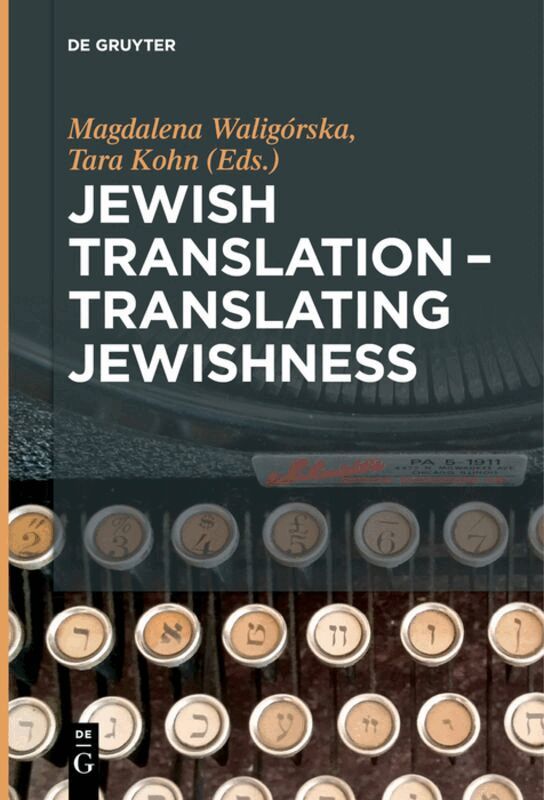
Jewish Translation - Translating Jewishness
Av Magdalena Waligórska, Tara Kohn
Inbunden, 2018
1355 kr
Lägg i varukorg
This interdisciplinary volume looks at one of the central cultural practices within the Jewish experience: translation. With contributions from literary and cultural scholars, historians, and scholars of religion, the book considers different aspects of Jewish translation, starting from the early …
Jewish Translation - Translating Jewishness
Av Tara Kohn, Magdalena Waligorska
E-bok, 2018
1248 kr
Lägg i varukorg
This interdisciplinary volume looks at one of the central cultural practices within the Jewish experience: translation. With contributions from literary and cultural scholars, historians, and scholars of religion, the book considers different aspects of Jewish translation, starting from the early …
Jewish Translation - Translating Jewishness
Av Tara Kohn, Magdalena Waligorska
E-bok, 2018
1208 kr
Lägg i varukorg
This interdisciplinary volume looks at one of the central cultural practices within the Jewish experience: translation. With contributions from literary and cultural scholars, historians, and scholars of religion, the book considers different aspects of Jewish translation, starting from the early …
Jewish Translation - Translating Jewishness
Av Magdalena Waligórska, Tara Kohn
Häftad, 2019
383 kr
Lägg i varukorg
This interdisciplinary volume looks at one of the central cultural practices within the Jewish experience: translation. With contributions from literary and cultural scholars, historians, and scholars of religion, the book considers different aspects of Jewish translation, starting from the early …
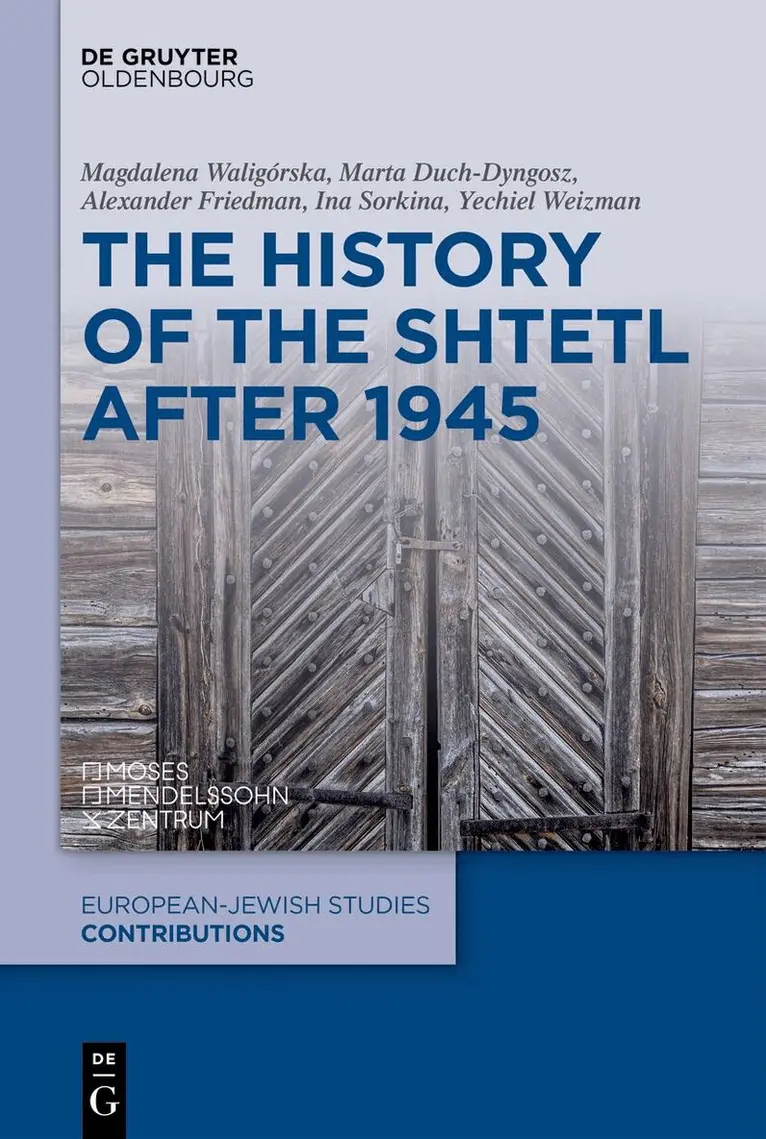
History of the Shtetl after 1945
Av Magdalena Waligórska, Marta Duch-Dyngosz m. fl.
Inbunden, 2026
1403 kr
Lägg i varukorg
The History of the Shtetl after 1945 is the first book-length social history of the aftermath of the Holocaust in the Eastern European countryside and of the mass-scale repopulation, domestication and adaptation of vacated Jewish spaces. After the Holocaust, the shtetl began to be perceived in …
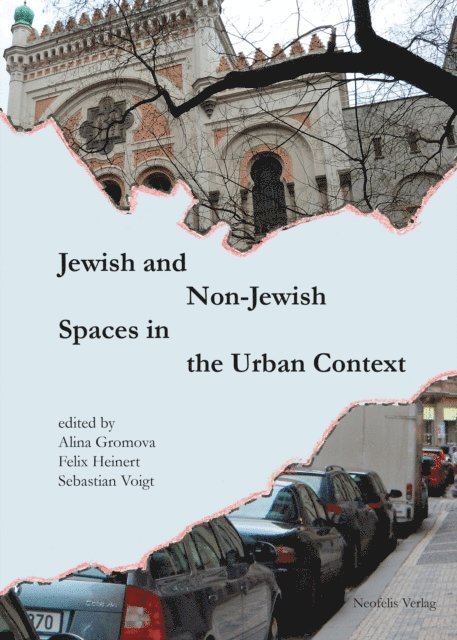
Jewish and Non-Jewish Spaces in the Urban Context
Av Mirjam Zadoff, Magdalena Waligorska m. fl.
E-bok, 2015
307 kr
Lägg i varukorg
The unifying thread of the interdisciplinary volume Jewish and Non-Jewish Spaces in the Urban Context is the fact that Jewish spaces are almost always generated in relation to non-Jewish spaces; they determine and influence each other.This general phenomenon will be scrutinized and put to the test …