Małgorzata Łukianow – författare
Visar alla böcker från författaren Małgorzata Łukianow. Handla med fri frakt och snabb leverans.
6 produkter
6 produkter
Inbunden, Engelska, 2026
2 193 kr
Skickas inom 10-15 vardagar
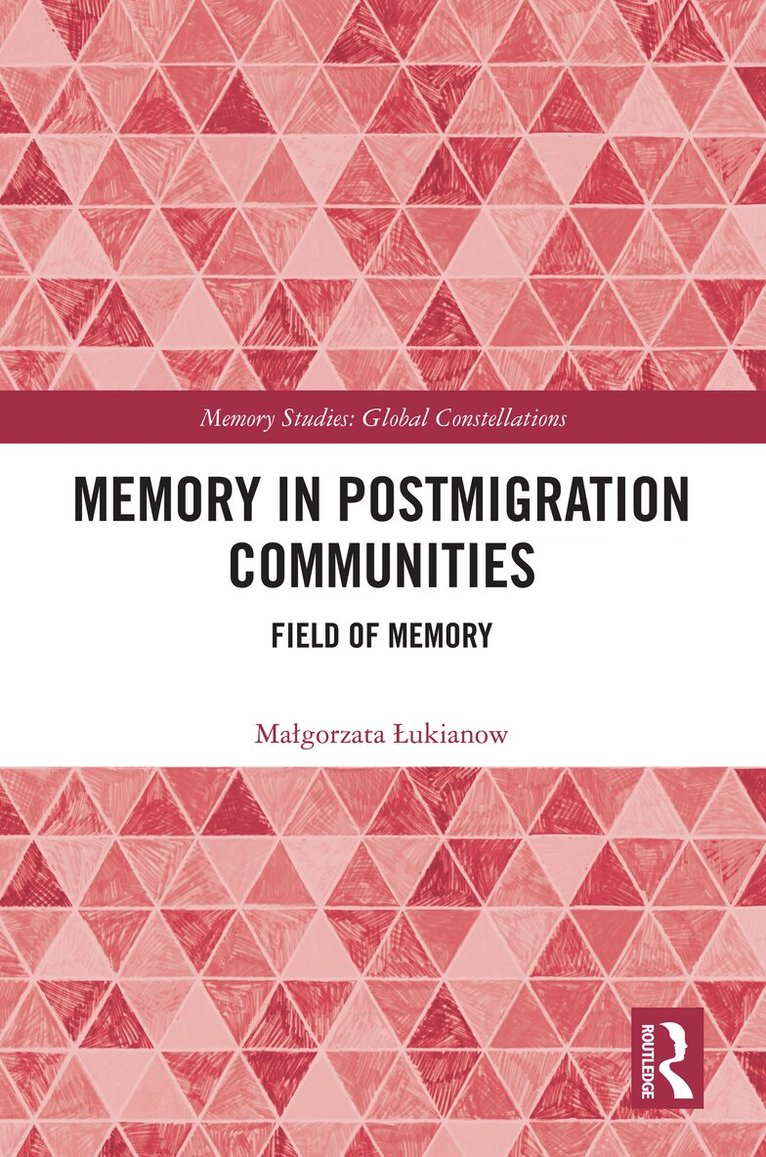
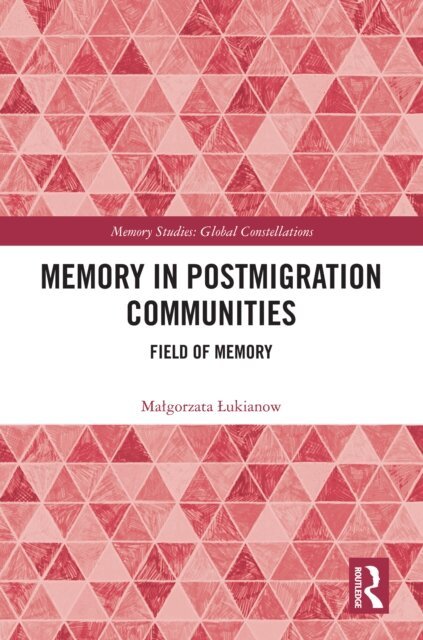
This book offers an exploration of Postmigration memory fields—spaces where multiple and often conflicting memory narratives of the same past event intersect within a limited locality. Focusing on Poland and the remembrance of the postwar and post-communist periods, it examines what happens when diverse mnemonic trajectories converge in small communities: how memories coexist, clash, merge, or become silenced.By defining and illustrating diverse modes of social memory formation, the book explores how communities decide what becomes their heritage and how families, local authorities, and cultural institutions work to balance overlapping, and sometimes conflicting, memories within a shared space. Can a local museum that strives to encompass multiple narratives still act as a cohesive bearer of identity? Can families with ancestors from dispersed regions weave a coherent story about themselves?Combining theoretical insight with grounded ethnographic analysis, Memory in Postmigration Communities provides conceptual and methodological tools for studying societies shaped by total or large-scale population exchange. It will appeal to scholars and students of sociology, anthropology, history, and memory studies interested in collective remembrance, local identity, and post-displacement heritage.
E-bok
PDF, Engelska, 2026746 kr
Läs direkt efter köp
This book offers an exploration of Postmigration memory fields-spaces where multiple and often conflicting memory narratives of the same past event intersect within a limited locality. Focusing on Poland and the remembrance of the postwar and post-communist periods, it examines what happens when diverse mnemonic trajectories converge in small communities: how memories coexist, clash, merge, or become silenced.By defining and illustrating diverse modes of social memory formation, the book explores how communities decide what becomes their heritage and how families, local authorities, and cultural institutions work to balance overlapping, and sometimes conflicting, memories within a shared space. Can a local museum that strives to encompass multiple narratives still act as a cohesive bearer of identity? Can families with ancestors from dispersed regions weave a coherent story about themselves?Combining theoretical insight with grounded ethnographic analysis, Memory in Postmigration Communities provides conceptual and methodological tools for studying societies shaped by total or large-scale population exchange. It will appeal to scholars and students of sociology, anthropology, history, and memory studies interested in collective remembrance, local identity, and post-displacement heritage.
E-bok
Engelska, 2026746 kr
Läs direkt efter köp
This book offers an exploration of Postmigration memory fields-spaces where multiple and often conflicting memory narratives of the same past event intersect within a limited locality. Focusing on Poland and the remembrance of the postwar and post-communist periods, it examines what happens when diverse mnemonic trajectories converge in small communities: how memories coexist, clash, merge, or become silenced.By defining and illustrating diverse modes of social memory formation, the book explores how communities decide what becomes their heritage and how families, local authorities, and cultural institutions work to balance overlapping, and sometimes conflicting, memories within a shared space. Can a local museum that strives to encompass multiple narratives still act as a cohesive bearer of identity? Can families with ancestors from dispersed regions weave a coherent story about themselves?Combining theoretical insight with grounded ethnographic analysis, Memory in Postmigration Communities provides conceptual and methodological tools for studying societies shaped by total or large-scale population exchange. It will appeal to scholars and students of sociology, anthropology, history, and memory studies interested in collective remembrance, local identity, and post-displacement heritage.
Inbunden, Engelska, 2023
1 458 kr
Skickas inom 10-15 vardagar
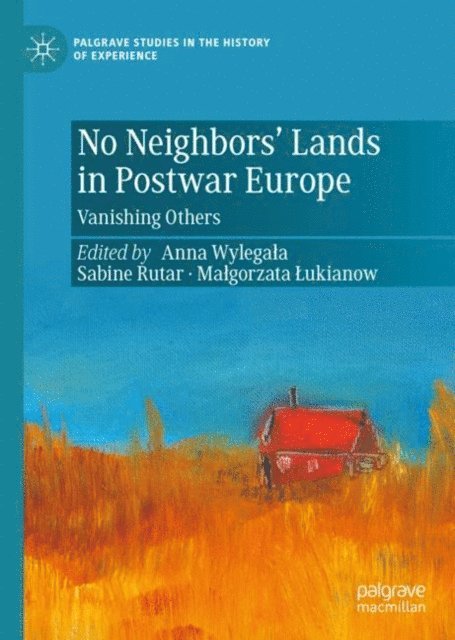
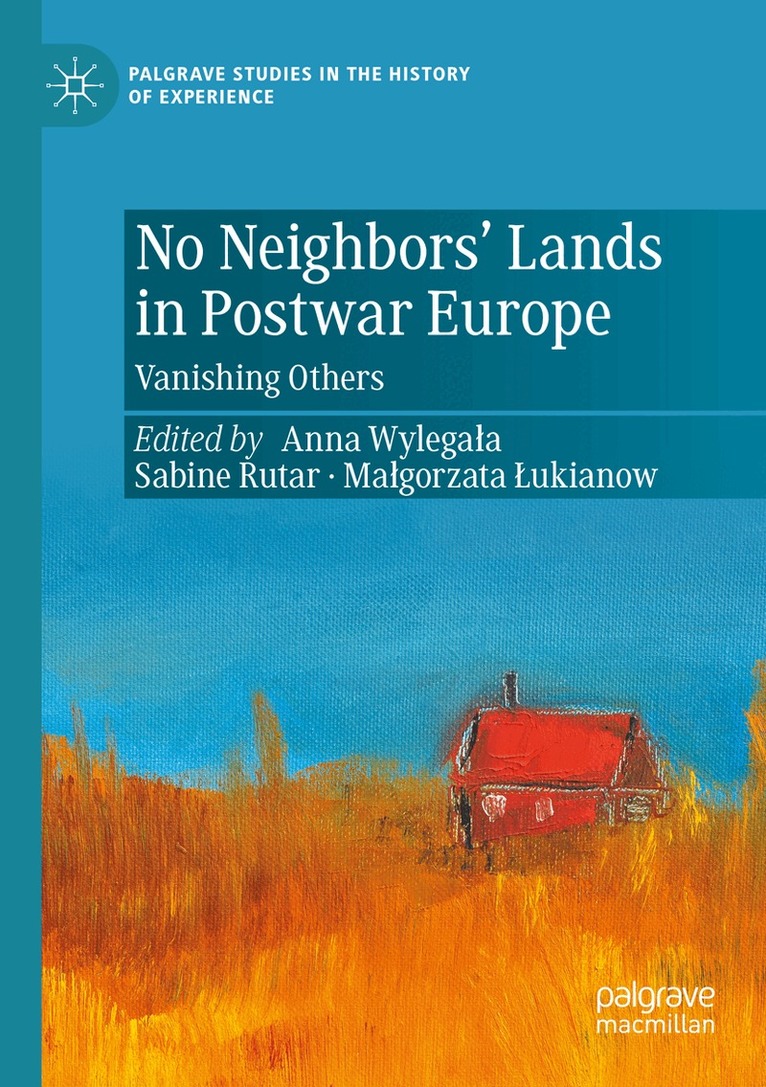
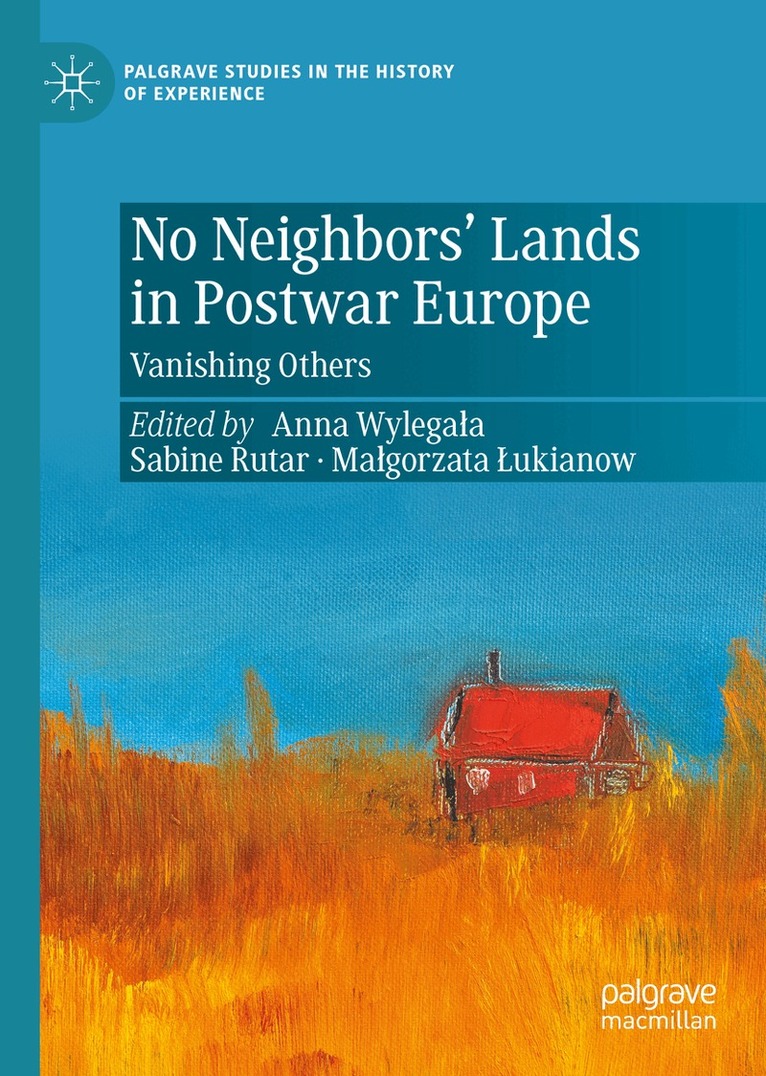
This book focuses on the social voids that were the result of occupation, genocide, mass killings, and population movements in Europe during and after the Second World War. Historians, sociologists, and anthropologists adopt comparative perspectives on those who now lived in ‘cleansed’ borderlands. Its contributors explore local subjectivities of social change through the concept of ‘No Neighbors’ Lands’: How does it feel to wear the dress of your murdered neighbor? How does one get used to friends, colleagues, and neighbors no longer being part of everyday life? How is moral, social, and legal order reinstated after one part of the community participated in the ethnic cleansing of another? How is order restored psychologically in the wake of neighbors watching others being slaughtered by external enemies? This book sheds light on how destroyed European communities, once multi-ethnic and multi-religious, experienced postwar reconstruction, attempted to come to terms with what had happened, and negotiated remembrance.Chapter 7 and 13 are available open access under a Creative Commons Attribution 4.0 International License via link.springer.com.
E-bok
Engelska, 20231 745 kr
Läs direkt efter köp
This book focuses on the social voids that were the result of occupation, genocide, mass killings, and population movements in Europe during and after the Second World War. Historians, sociologists, and anthropologists adopt comparative perspectives on those who now lived in ‘cleansed’ borderlands. Its contributors explore local subjectivities of social change through the concept of ‘No Neighbors’ Lands’: How does it feel to wear the dress of your murdered neighbor? How does one get used to friends, colleagues, and neighbors no longer being part of everyday life? How is moral, social, and legal order reinstated after one part of the community participated in the ethnic cleansing of another? How is order restored psychologically in the wake of neighbors watching others being slaughtered by external enemies? This book sheds light on how destroyed European communities, once multi-ethnic and multi-religious, experienced postwar reconstruction, attempted to come to terms with what had happened, and negotiated remembrance.Chapter 7 and 13 are available open access under a Creative Commons Attribution 4.0 International License via link.springer.com.
Häftad, Engelska, 2024
1 458 kr
Skickas inom 10-15 vardagar
This book focuses on the social voids that were the result of occupation, genocide, mass killings, and population movements in Europe during and after the Second World War. Historians, sociologists, and anthropologists adopt comparative perspectives on those who now lived in ‘cleansed’ borderlands. Its contributors explore local subjectivities of social change through the concept of ‘No Neighbors’ Lands’: How does it feel to wear the dress of your murdered neighbor? How does one get used to friends, colleagues, and neighbors no longer being part of everyday life? How is moral, social, and legal order reinstated after one part of the community participated in the ethnic cleansing of another? How is order restored psychologically in the wake of neighbors watching others being slaughtered by external enemies? This book sheds light on how destroyed European communities, once multi-ethnic and multi-religious, experienced postwar reconstruction, attempted to come to terms with what had happened, and negotiated remembrance.Chapter 7 and 13 are available open access under a Creative Commons Attribution 4.0 International License via link.springer.com.