Man Bun Kwan - Böcker
Visar alla böcker från författaren Man Bun Kwan. Handla med fri frakt och snabb leverans.
3 produkter
3 produkter
775 kr
Skickas inom 11-20 vardagar
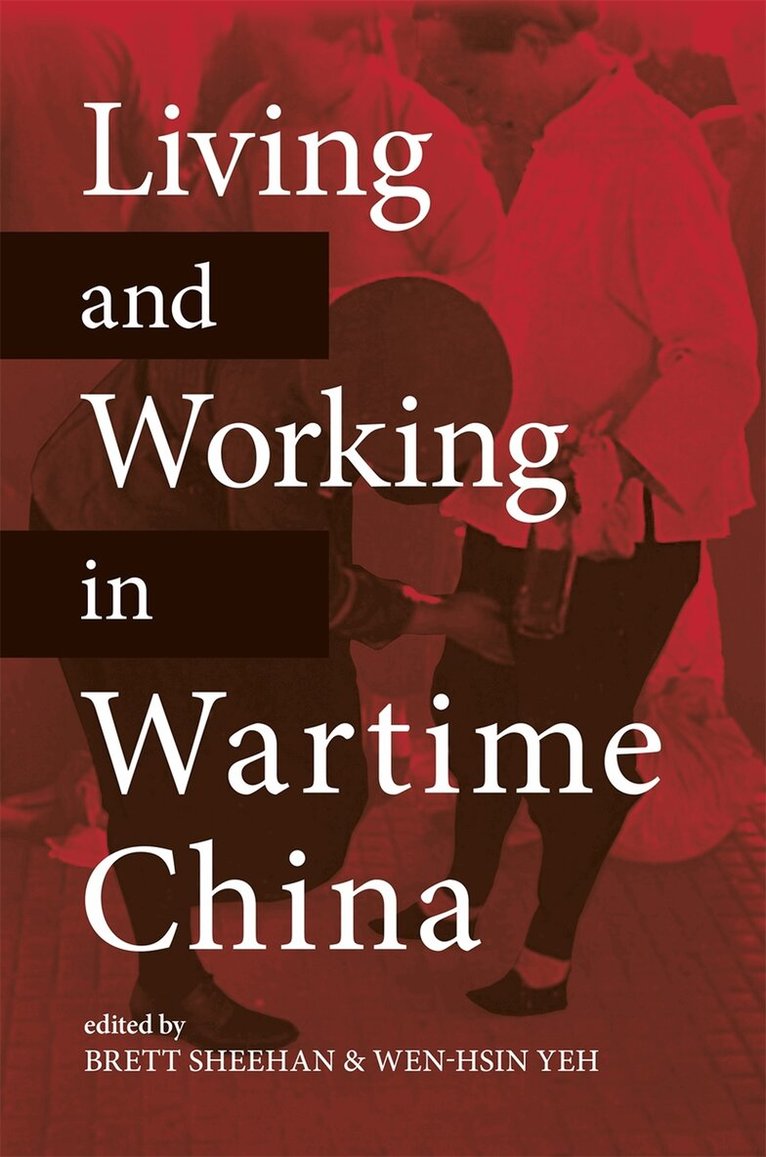
Covering the years of Japanese invasion during World War II from 1937 to 1945, this essay collection recounts Chinese experiences of living and working under conditions of war. Each of the regimes that ruled a divided China—occupation governments, Chinese Nationalists, and Chinese Communists—demanded and glorified the full commitment of the people and their resources in the prosecution of war. Through stories of both everyday people and mid-level technocrats charged with carrying out the war, this book brings to light the enormous gap between the leadership’s demands and the reality of everyday life. Eight long years of war exposed the unrealistic nature of elite demands for unreserved commitment. As the political leaders faced numerous obstacles in material mobilization and retreated to rhetoric of spiritual resistance, the Chinese populace resorted to localized strategies ranging from stoic adaptation to cynical profiteering, articulated variously with touches of humor and tragedy.These localized strategies are examined through stories of people at varying classes and levels of involvement in living, working, and trying to work through the war under the different regimes. In less than a decade, millions of Chinese were subjects of disciplinary regimes that dictated the celebration of holidays, the films available for viewing, the stories told in tea houses, and the restrictions governing the daily operations and participants of businesses—thus impacting the people of China for years to come. This volume looks at the narratives of those affected by the war and regimes to understand perspectives of both sides of the war and its total outcomes. Living and Working in Wartime China depicts the brutal micromanaging of ordinary lives, devoid of compelling national purposes, that both undercut the regimes’ relationships with their people and helped establish the managerial infrastructure of authoritarian regimes in subsequent postwar years.
292 kr
Skickas inom 7-10 vardagar
Covering the years of Japanese invasion during World War II from 1937 to 1945, this essay collection recounts Chinese experiences of living and working under conditions of war. Each of the regimes that ruled a divided China—occupation governments, Chinese Nationalists, and Chinese Communists—demanded and glorified the full commitment of the people and their resources in the prosecution of war. Through stories of both everyday people and mid-level technocrats charged with carrying out the war, this book brings to light the enormous gap between the leadership’s demands and the reality of everyday life. Eight long years of war exposed the unrealistic nature of elite demands for unreserved commitment. As the political leaders faced numerous obstacles in material mobilization and retreated to rhetoric of spiritual resistance, the Chinese populace resorted to localized strategies ranging from stoic adaptation to cynical profiteering, articulated variously with touches of humor and tragedy.These localized strategies are examined through stories of people at varying classes and levels of involvement in living, working, and trying to work through the war under the different regimes. In less than a decade, millions of Chinese were subjects of disciplinary regimes that dictated the celebration of holidays, the films available for viewing, the stories told in tea houses, and the restrictions governing the daily operations and participants of businesses—thus impacting the people of China for years to come. This volume looks at the narratives of those affected by the war and regimes to understand perspectives of both sides of the war and its total outcomes. Living and Working in Wartime China depicts the brutal micromanaging of ordinary lives, devoid of compelling national purposes, that both undercut the regimes’ relationships with their people and helped establish the managerial infrastructure of authoritarian regimes in subsequent postwar years.
2 350 kr
Skickas inom 5-8 vardagar
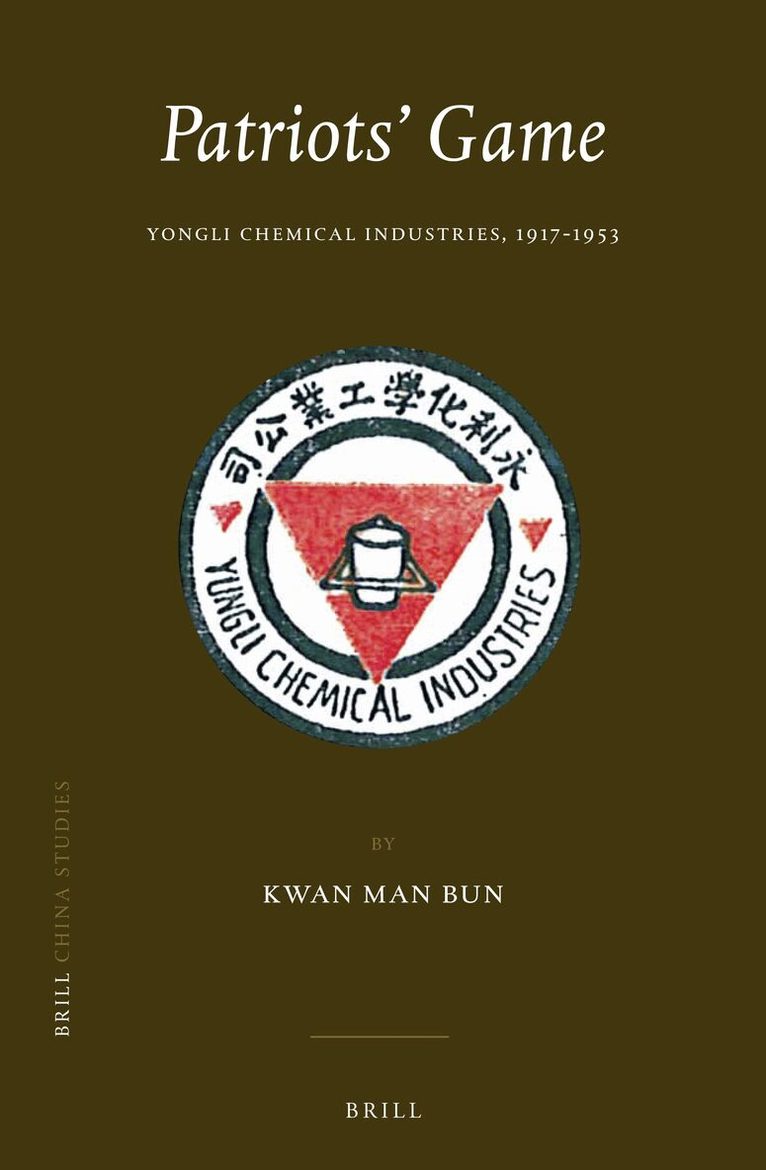
“When thinking about modern China’s chemical industry, forget not Fan Xudong,” so declared Mao Zedong publicly after 1949. Although Mao might have united front politics in mind when invoking Fan as a paragon of the national bourgeoisie, why would the chairman praise a champion of private enterprise? How did Fan Xudong and his colleagues build Yongli from scratch into one of the largest industrial conglomerates in modern China amid predatory foreign competition and domestic strife? What were his secrets of success? Drawing from company documents, government archives, and personal correspondences, this book traces Yongli’s birth, growth, nationalization, and how Fan and his colleagues pursued a third path of national development between for-profit private enterprise and state ownership.