Mara Kozelsky – författare
Visar alla böcker från författaren Mara Kozelsky. Handla med fri frakt och snabb leverans.
9 produkter
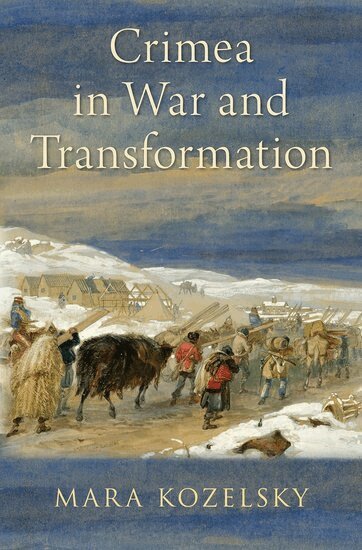
Crimea in War and Transformation
Inbunden, 2018
1493 kr
Lägg i varukorg
Crimea in War and Transformation is the first book to examine the terrible toll of violence on Crimean civilians and landscapes from mobilization through reconstruction. When war landed on Crimea's coast in September 1854, multiple armies instantly doubled the peninsula's population. Engineering …
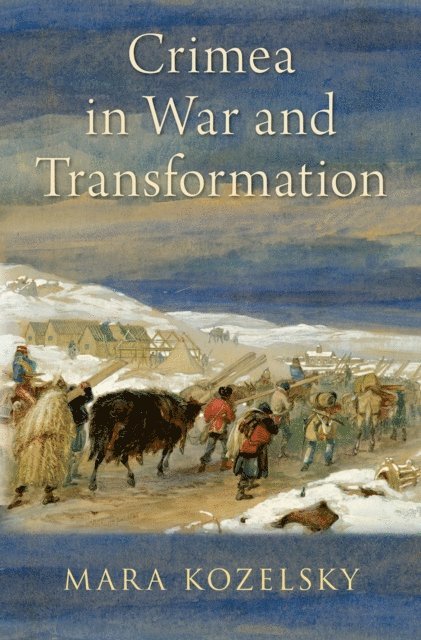
Crimea in War and Transformation
E-bok, 2018
1057 kr
Lägg i varukorg
Crimea in War and Transformation is the first book to examine the terrible toll of violence on Crimean civilians and landscapes from mobilization through reconstruction. When war landed on Crimea''s coast in September 1854, multiple armies instantly doubled the peninsula''s population. Engineering …
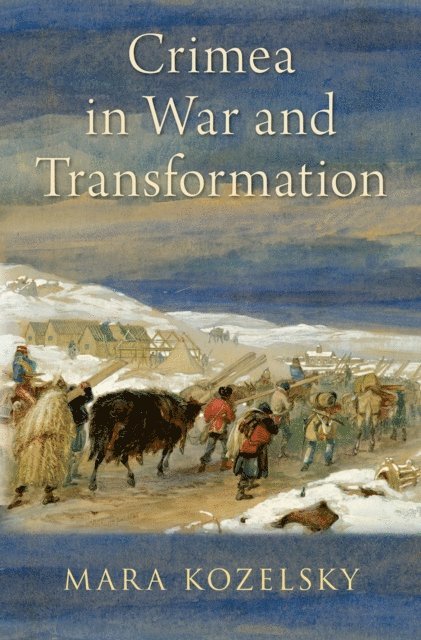
Crimea in War and Transformation
E-bok, 2018
1057 kr
Lägg i varukorg
Crimea in War and Transformation is the first book to examine the terrible toll of violence on Crimean civilians and landscapes from mobilization through reconstruction. When war landed on Crimea''s coast in September 1854, multiple armies instantly doubled the peninsula''s population. Engineering …
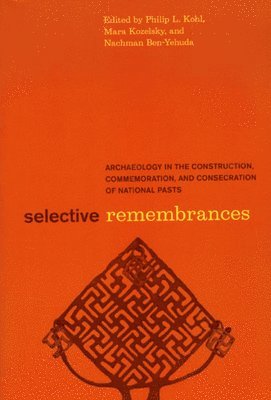
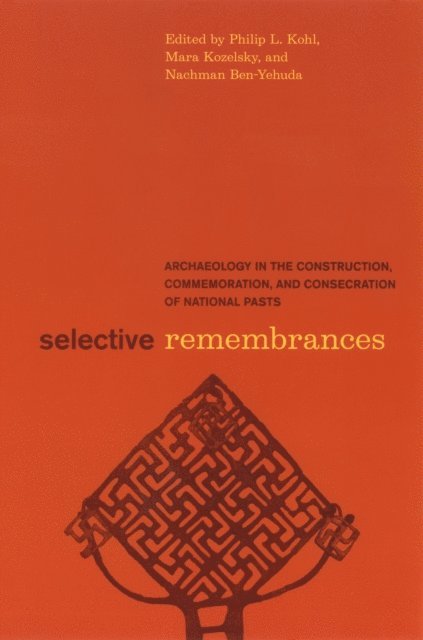
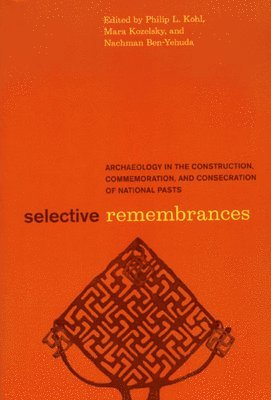
Selective Remembrances
Archaeology in the Construction, Commemoration, and Consecration of National Pasts
Av Philip L. Kohl, Mara Kozelsky m. fl.
Häftad, 2008
332 kr
Lägg i varukorg
When political geography changes, how do reorganized or newly formed states justify their rule and create a sense of shared history for their people? Often, the essays in "Selective Remembrances" reveal, they turn to archaeology, employing the field and its findings to develop nationalistic …
Selective Remembrances
Archaeology in the Construction, Commemoration, and Consecration of National Pasts
Av Nachman Ben-Yehuda, Mara Kozelsky m. fl.
E-bok, 2008
722 kr
Lägg i varukorg
When political geography changes, how do reorganized or newly formed states justify their rule and create a sense of shared history for their people? Often, the essays in Selective Remembrances reveal, they turn to archaeology, employing the field and its findings to develop nationalistic feelings …
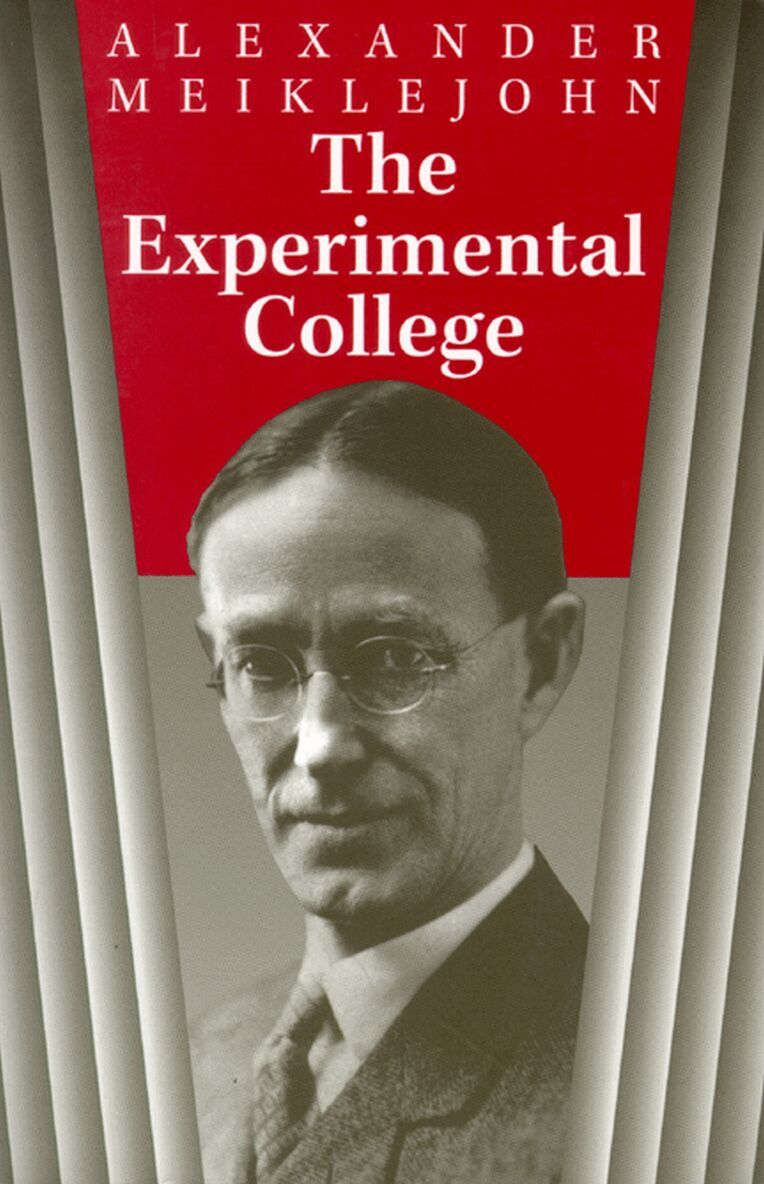
Experimental College
Av Alexander Meiklejohn, Mara Kozelsky
Häftad, 2001
283 kr
Lägg i varukorg
A classic in the history of American higher education The Experimental College is the record of a radical experiment in university education. Established at the University of Wisconsin in Madison in 1927 by innovative educational theorist Alexander Meiklejohn, the ""Experimental College"" itself …
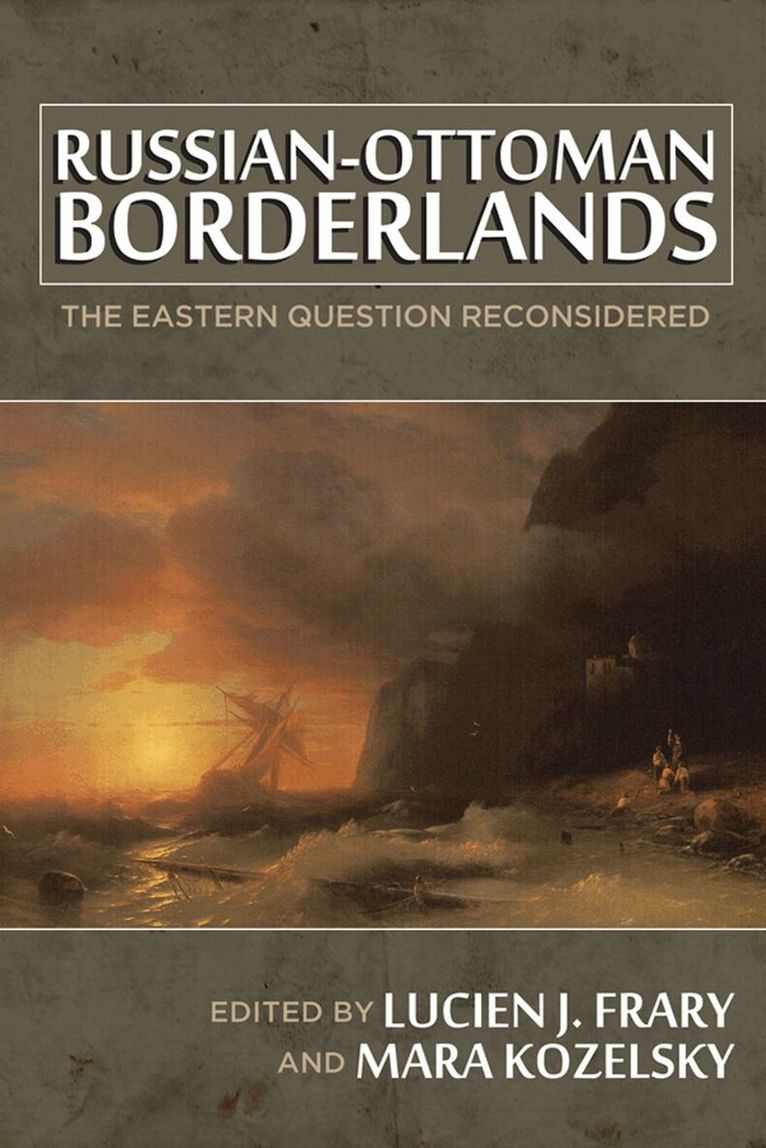
Russian-Ottoman Borderlands
The Eastern Question Reconsidered
Av Lucien J. Frary, Mara Kozelsky
Häftad, 2014
402 kr
Lägg i varukorg
During the nineteenth century—as violence, population dislocations, and rebellions unfolded in the borderlands between the Russian and Ottoman Empires—European and Russian diplomats debated the “Eastern Question,” or, “What should be done about the Ottoman Empire?” Russian-Ottoman Borderlands …
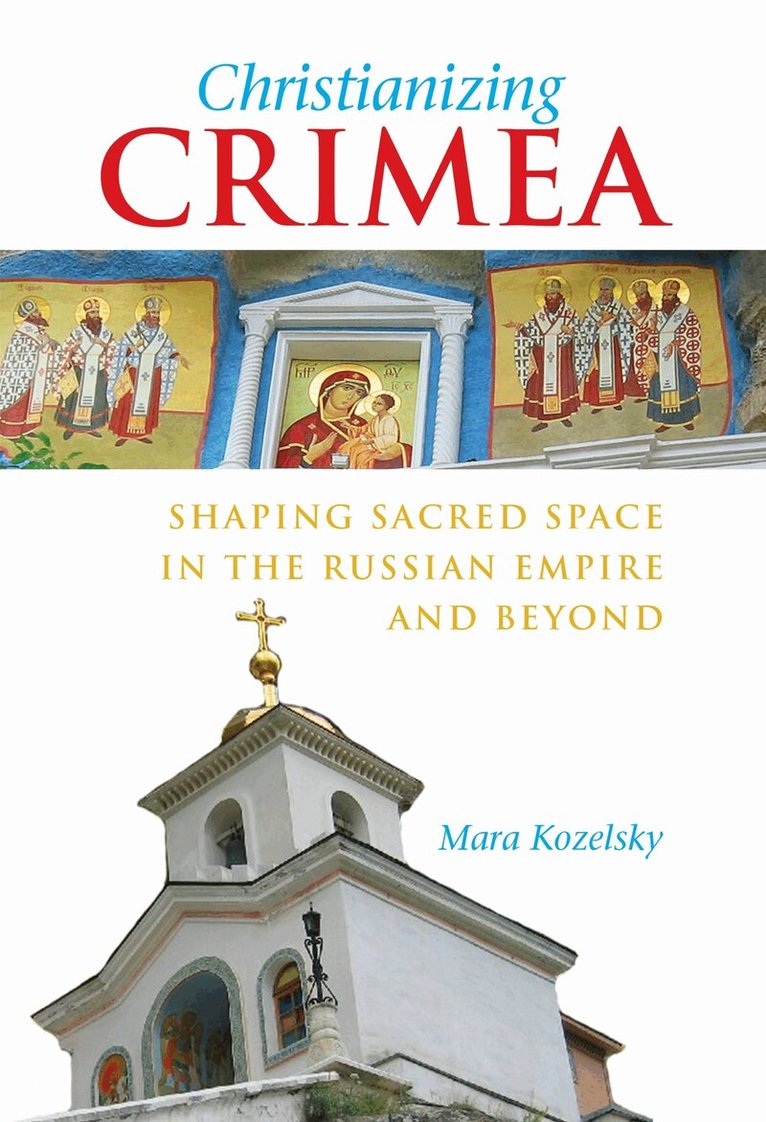
Christianizing Crimea
Shaping Sacred Space in the Russian Empire and Beyond
Inbunden, 2009
604 kr
Lägg i varukorg
In nineteenth-century Russia, religious culture permeated politics at the highest levels, and Orthodox Christian groups—including refugees from the Russo-Ottoman wars as well as the church itself—influenced Russian domestic and foreign policy. Likewise, Russian policy with the Ottoman Empire …
Selective Remembrances
Archaeology in the Construction, Commemoration, and Consecration of National Pasts
Av Philip L. Kohl, Mara Kozelsky m. fl.
Inbunden, 2007
877 kr
Tillfälligt slut
When political geography changes, how do reorganized or newly formed states justify their rule and create a sense of shared history for their people? Often, the essays in "Selective Remembrances" reveal, they turn to archaeology, employing the field and its findings to develop nationalistic …