Marc Jonathan Blitz – författare
Visar alla böcker från författaren Marc Jonathan Blitz. Handla med fri frakt och snabb leverans.
10 produkter
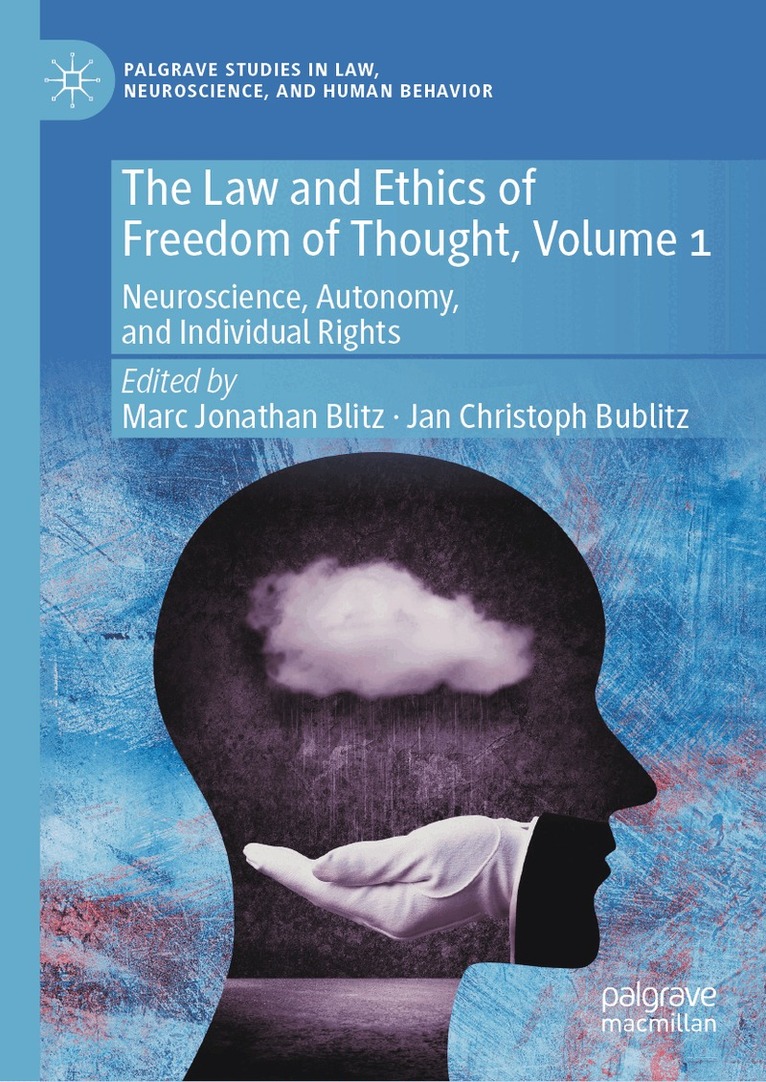
Law and Ethics of Freedom of Thought, Volume 1
Neuroscience, Autonomy, and Individual Rights
Av Marc Jonathan Blitz, Jan Christoph Bublitz
Inbunden, 2021
1534 kr
Lägg i varukorg
Freedom of thought is one of the great and venerable notions of Western thought, often celebrated in philosophical texts – and described as a crucial right in American, European, and International Law, and in that of other jurisdictions. What it means more precisely is, however, anything but clear; …
Law and Ethics of Freedom of Thought, Volume 1
Neuroscience, Autonomy, and Individual Rights
Av Jan Christoph Bublitz, Marc Jonathan Blitz
E-bok, 2021
1792 kr
Lägg i varukorg
Freedom of thought is one of the great and venerable notions of Western thought, often celebrated in philosophical texts – and described as a crucial right in American, European, and International Law, and in that of other jurisdictions. What it means more precisely is, however, anything but clear; …
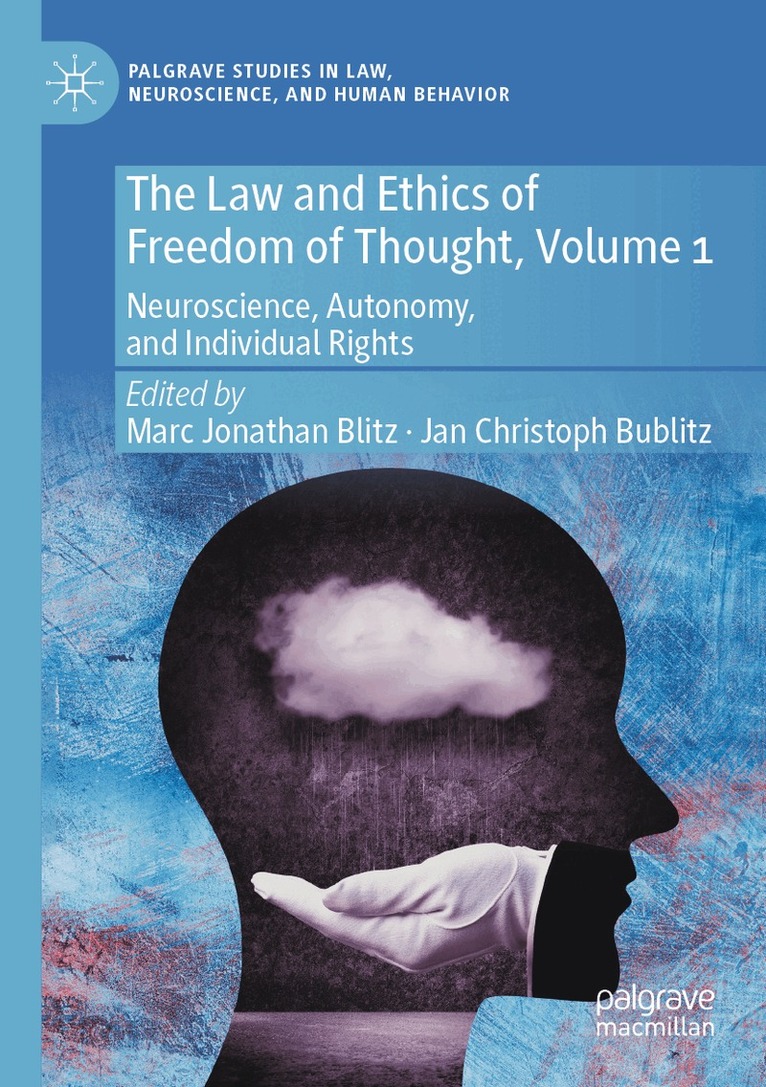
Law and Ethics of Freedom of Thought, Volume 1
Neuroscience, Autonomy, and Individual Rights
Av Marc Jonathan Blitz, Jan Christoph Bublitz
Häftad, 2022
1534 kr
Lägg i varukorg
Freedom of thought is one of the great and venerable notions of Western thought, often celebrated in philosophical texts – and described as a crucial right in American, European, and International Law, and in that of other jurisdictions. What it means more precisely is, however, anything but clear; …
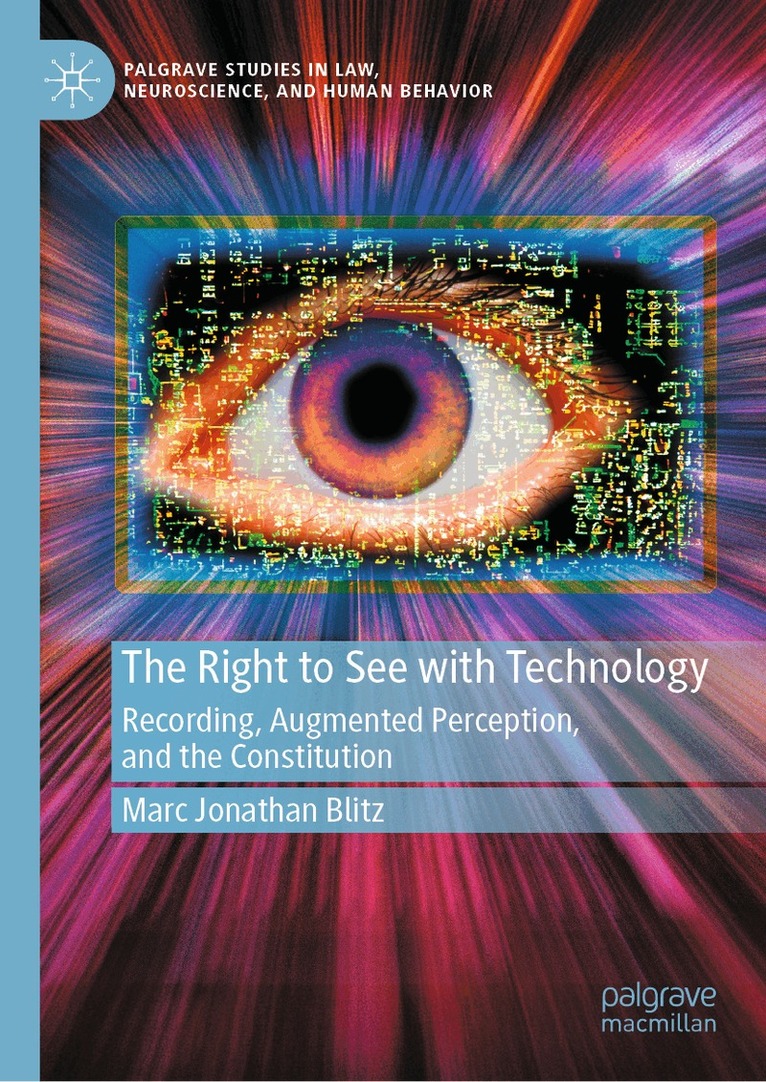
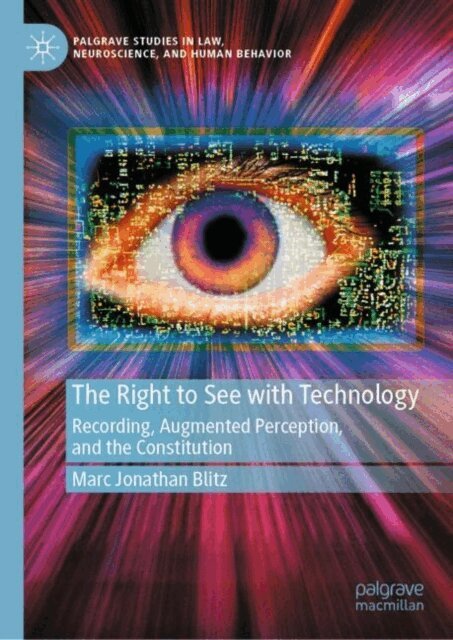
Right to See with Technology
Recording, Augmented Perception, and the Constitution
Inbunden, 2025
443 kr
Lägg i varukorg
This book asks if we have a constitutional right to see or sense our surroundings with technology. Do we have a constitutional right to record our surroundings with cameras embedded in smartphones or drones? Or to enhance our vision with extended reality technology, bionic eyes, or brain-computer …
Right to See with Technology
Recording, Augmented Perception, and the Constitution
E-bok, 2025
525 kr
Lägg i varukorg
This book asks if we have a constitutional right to see or sense our surroundings with technology. Do we have a constitutional right to record our surroundings with cameras embedded in smartphones or drones? Or to enhance our vision with extended reality technology, bionic eyes, or brain-computer …
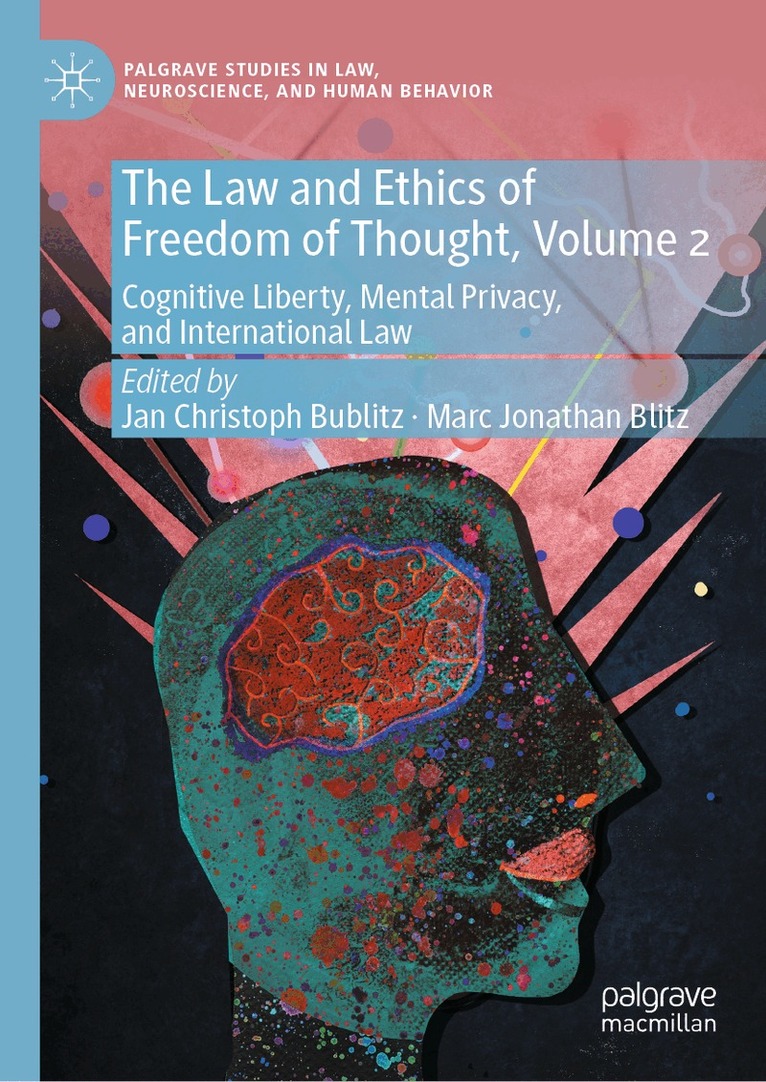
Law and Ethics of Freedom of Thought, Volume 2
Cognitive Liberty, Mental Privacy, and International Law
Av Jan Christoph Bublitz, Marc Jonathan Blitz
Inbunden, 2026
1261 kr
Lägg i varukorg
This book is the second volume of The Law and Ethics of Freedom of Thought. The first, published in 2021, explored conceptual questions regarding what a right to freedom of thought does or should protect, the history of that concept, and its implications in the twenty-first century. This volume …
Law and Ethics of Freedom of Thought, Volume 2
Cognitive Liberty, Mental Privacy, and International Law
Av Marc Jonathan Blitz, Jan Christoph Bublitz
E-bok, 2026
1492 kr
Lägg i varukorg
This book is the second volume of The Law and Ethics of Freedom of Thought. The first, published in 2021, explored conceptual questions regarding what a right to freedom of thought does or should protect, the history of that concept, and its implications in the twenty-first century. This volume …
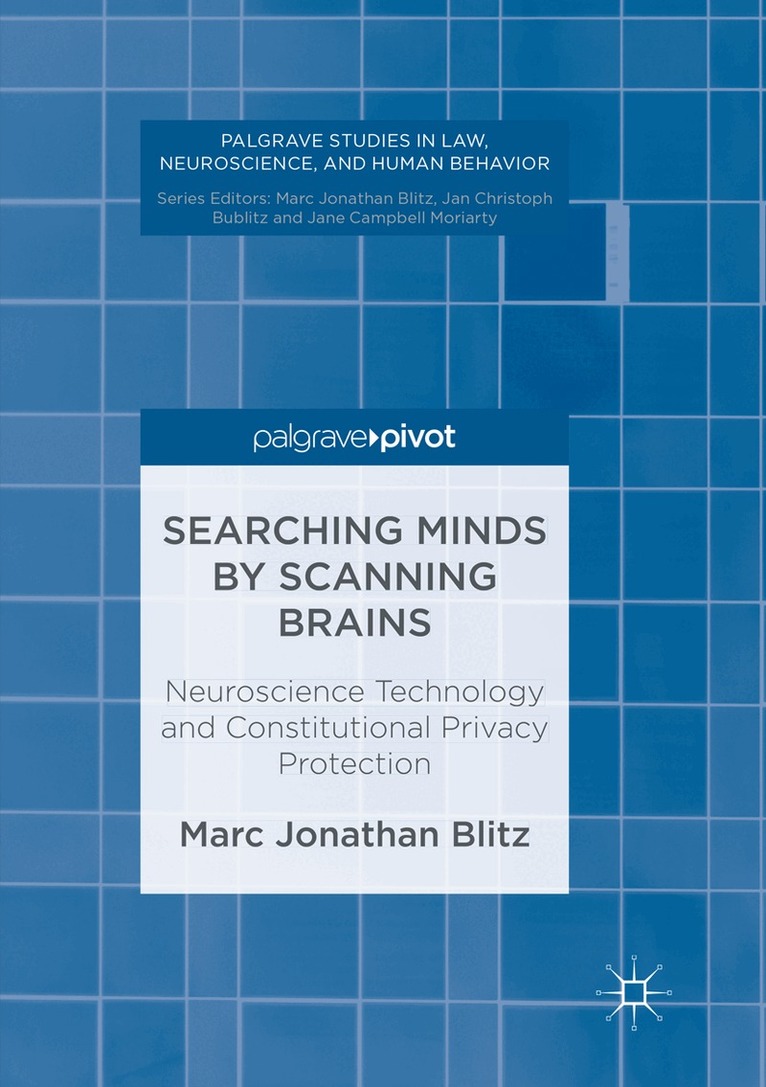
Searching Minds by Scanning Brains
Neuroscience Technology and Constitutional Privacy Protection
Inbunden, 2017
557 kr
Lägg i varukorg
This book examines the ethical and legal challenges presented by modern techniques of memory retrieval, especially within the context of potential use by the US government in courts of law. Specifically, Marc Blitz discusses the Fourth Amendment’s protections against unreasonable searches and the …
Searching Minds by Scanning Brains
Neuroscience Technology and Constitutional Privacy Protection
E-bok, 2017
792 kr
Lägg i varukorg
This book examines the ethical and legal challenges presented by modern techniques of memory retrieval, especially within the context of potential use by the US government in courts of law. Specifically, Marc Blitz discusses the Fourth Amendment’s protections against unreasonable searches and the …
Searching Minds by Scanning Brains
Neuroscience Technology and Constitutional Privacy Protection
Häftad, 2018
588 kr
Lägg i varukorg
This book examines the ethical and legal challenges presented by modern techniques of memory retrieval, especially within the context of potential use by the US government in courts of law. Specifically, Marc Blitz discusses the Fourth Amendment’s protections against unreasonable searches and the …