Marcus Baynes-Rock - Böcker
Visar alla böcker från författaren Marcus Baynes-Rock. Handla med fri frakt och snabb leverans.
3 produkter
3 produkter
374 kr
Skickas inom 7-10 vardagar
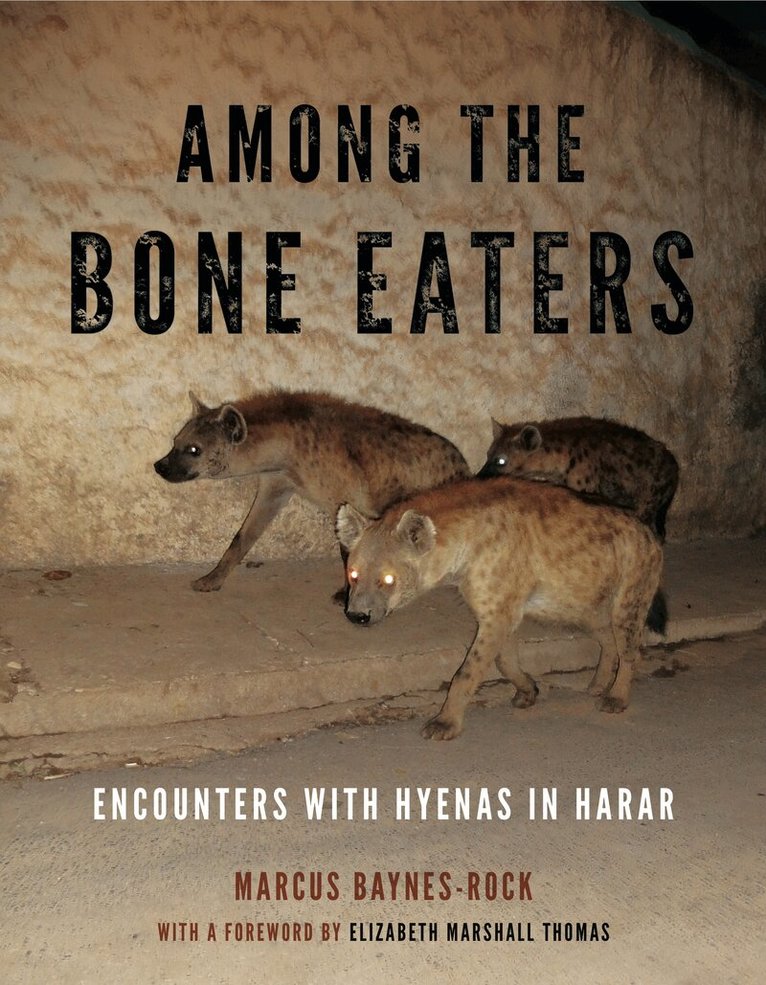
Biologists studying large carnivores in wild places usually do so from a distance, using telemetry and noninvasive methods of data collection. So what happens when an anthropologist studies a clan of spotted hyenas, Africa’s second-largest carnivores, up close—and in a city of a hundred thousand inhabitants? In Among the Bone Eaters, Marcus Baynes-Rock takes us to the ancient city of Harar in Ethiopia, where the gey waraba (hyenas of the city) are welcome in the streets and appreciated by the locals for the protection they provide from harmful spirits and dangerous “mountain” hyenas. They’ve even become a local tourist attraction.At the start of his research in Harar, Baynes-Rock contended with difficult conditions, stone-throwing children, intransigent bureaucracy, and wary hyena subjects intent on avoiding people. After months of frustration, three young hyenas drew him into the hidden world of the Sofi clan. He discovered the elements of a hyena’s life, from the delectability of dead livestock and the nuisance of dogs to the unbounded thrill of hyena chase-play under the light of a full moon. Baynes-Rock’s personal relations with the hyenas from the Sofi clan expand the conceptual boundaries of human-animal relations. This is multispecies ethnography that reveals its messy, intersubjective, dangerously transformative potential.
196 kr
Skickas inom 7-10 vardagar
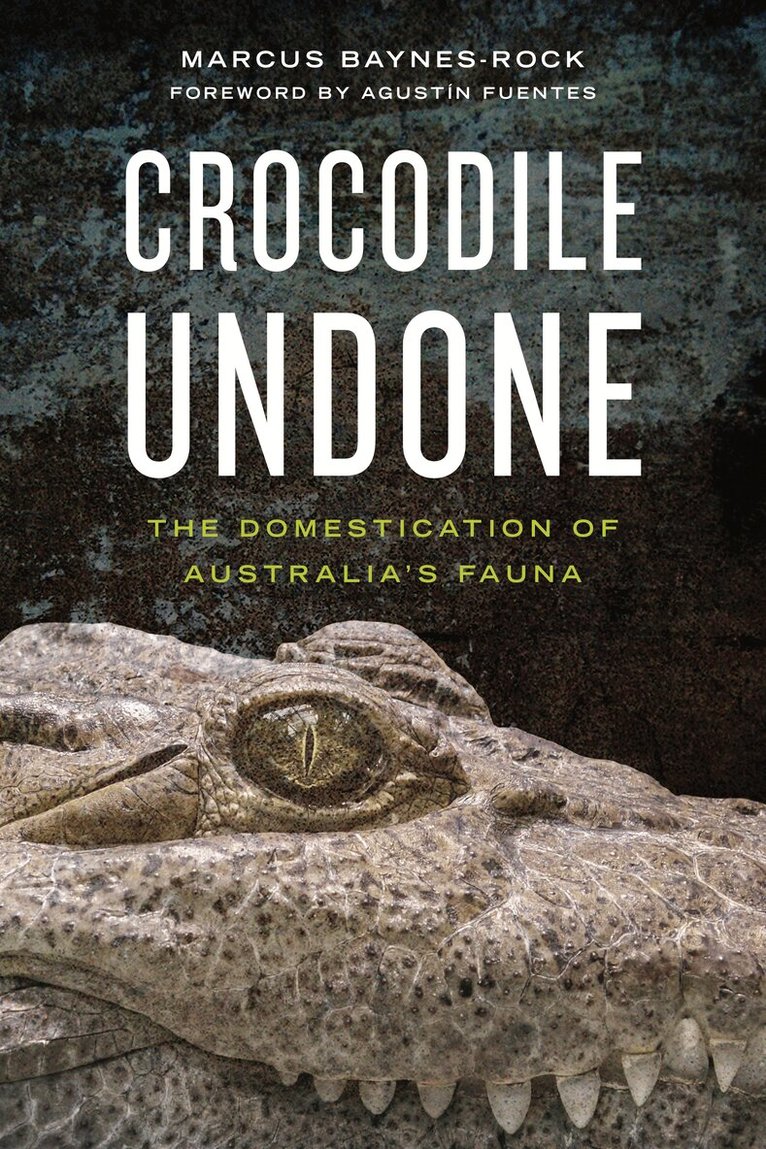
Across the world, animals are being domesticated at an unprecedented rate and scale. But what exactly is domestication, and what does it tell us about ourselves? In this book, Marcus Baynes-Rock seeks the common thread linking stories about the domestication of Australia's native animals, arguing that domestication is part of a process by which late modernity threatens to undo the world.In a deeply personal account, the author tells of his encounters with crocodiles and emus behind fences, dingoes and kangaroos crossing boundaries, and native bees producing honey in his suburban backyard. Drawing on comparisons between Aboriginal and colonial Australians, Baynes-Rock reveals how the domestication of Australia’s fauna is a process of “unmaking.” As an extension of late modernity, the connections that tie humans and other animals to wider ecologies are being severed, threatening to isolate us and our domesticates from the rest of the world. It is here that Baynes-Rock reveals a key difference between Aboriginal and colonial Australian modes of landscape management: while one is focused on a systemic approach and sees humans as integral to ecological integrity, the other seeks to sever domesticates from ecological processes. The question that emerges is: How might we reconfigure and maintain these connections without undoing humanity?Written in the author’s characteristically frank, passionate, and humorous style, Crocodile Undone takes the reader on a journey across both physical and philosophical landscapes. This fascinating narrative will appeal to anyone interested in the vital connections between humans and animals.
2 258 kr
Kommande
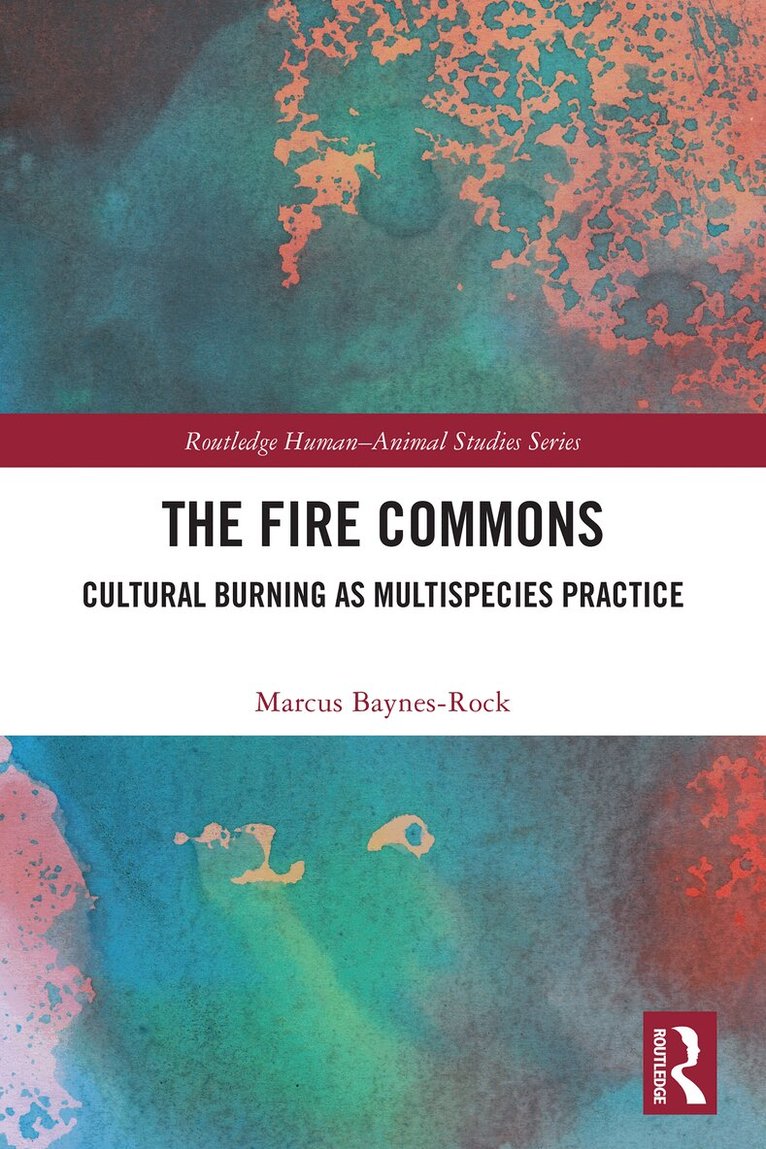
This book explores the multispecies dimensions of First Nations burning practices and shows how these integrate with Aboriginal ontologies to resist the ideological and structural violence of colonisation.Under the shadow of climate driven catastrophes, cultural burning is undergoing a resurgence as a tradition-based remedy to contemporary ecological breakdown. However, while colonial states offer support for cultural burning programs, they simultaneously threaten to undermine their ideological foundations. This book describes a world of relational, multispecies land management in which Indigenous relations with land challenge the colonial triumvirate of modernity, state and capitalism. By telling the stories of these human/animal entanglements it suggests pathways toward democratising fire so that land management can be truly decolonised.Serving as an intervention in contemporary environmental discourse, advocating for a more holistic and relational understanding of fire in the Anthropocene, this book will appeal to policymakers, conservationists and researchers in the fields of Environmental Sciences, Ecology, Human Geography, Indigenous studies, and Posthumanism.