Marcus Brittain – författare
Visar alla böcker från författaren Marcus Brittain. Handla med fri frakt och snabb leverans.
9 produkter
Archaeologies of Cultural Contact
At the Interface
Av Marcus Brittain, Timothy Clack
E-bok, 2022
1416 kr
Lägg i varukorg
Archaeologies of Cultural Contact undertakes an exploration of cultural transfer, with a particular focus on the combination and modification of both material and behavioural attributes under conditions of contact. From globalization and displacement to cultural legitimization and identity …
Archaeologies of Cultural Contact
At the Interface
Av Marcus Brittain, Timothy Clack
E-bok, 2022
1416 kr
Lägg i varukorg
Archaeologies of Cultural Contact undertakes an exploration of cultural transfer, with a particular focus on the combination and modification of both material and behavioural attributes under conditions of contact. From globalization and displacement to cultural legitimization and identity …
Archaeologies of Cultural Contact
At the Interface
Av Timothy Clack, Marcus Brittain
Inbunden, 2022
1586 kr
Lägg i varukorg
Archaeologies of Cultural Contact undertakes an exploration of cultural transfer, with a particular focus on the combination and modification of both material and behavioural attributes under conditions of contact. From globalization and displacement to cultural legitimization and identity …
Archaeology, Heritage and Urban Development in Benin City
MOWAA Archaeology Project, Volume 1 – Pre-construction Research Excavations and Surveys (2021−25)
Av Segun Opadeji, Sam Nixon m. fl.
Häftad, 2026
675 kr
Kommande
Conducted between 2021−2025, the MOWAA Archaeology Project launched the most extensive archaeological investigations in Benin City, Nigeria, since the 1960s. Integrating a framework of pre-construction and research archaeology within the development of the Museum of West African Art (MOWAA), this …
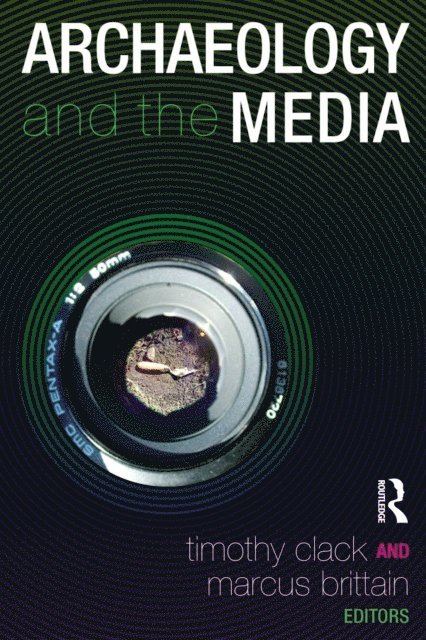
Archaeology and the Media
Av Marcus Brittain, Timothy Clack
E-bok, 2016
785 kr
Lägg i varukorg
The public’s fascination with archaeology has meant that archaeologists have had to deal with media more regularly than other scholarly disciplines. How archaeologists communicate their research to the public through the media and how the media view archaeologists has become an important feature …
Archaeology and the Media
Av Marcus Brittain, Timothy Clack
E-bok, 2016
768 kr
Lägg i varukorg
The public’s fascination with archaeology has meant that archaeologists have had to deal with media more regularly than other scholarly disciplines. How archaeologists communicate their research to the public through the media and how the media view archaeologists has become an important feature …
Archaeology and the Media
Av Timothy Clack, Marcus Brittain
Inbunden, 2007
2578 kr
Lägg i varukorg
The public’s fascination with archaeology has meant that archaeologists have had to deal with media more regularly than other scholarly disciplines. How archaeologists communicate their research to the public through the media and how the media view archaeologists has become an important feature in …
Archaeology and the Media
Av Timothy Clack, Marcus Brittain
Häftad, 2009
665 kr
Lägg i varukorg
The public’s fascination with archaeology has meant that archaeologists have had to deal with media more regularly than other scholarly disciplines. How archaeologists communicate their research to the public through the media and how the media view archaeologists has become an important feature in …
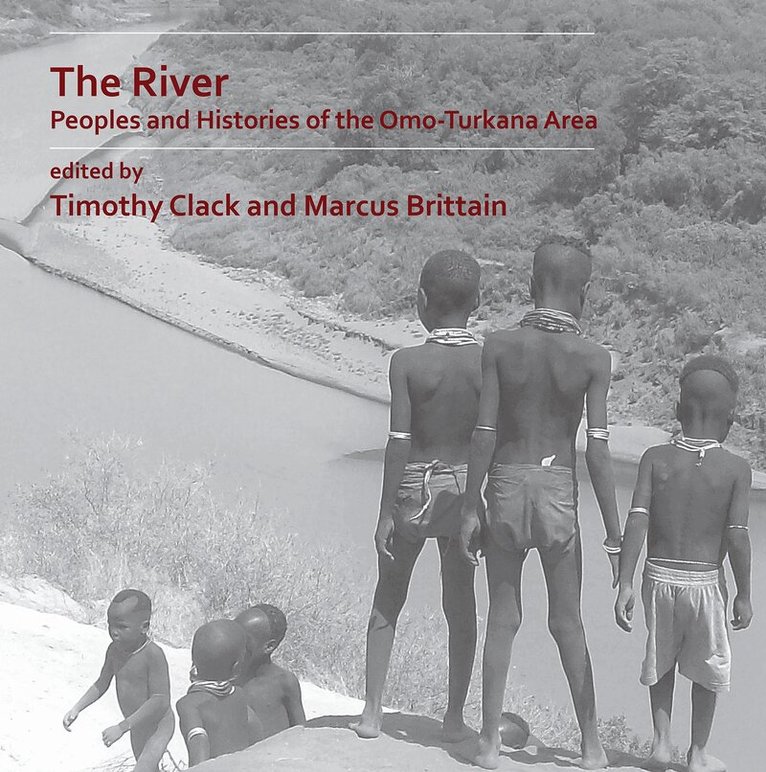
River: Peoples and Histories of the Omo-Turkana Area
Av Timothy Clack, Marcus Brittain
Häftad, 2018
637 kr
Lägg i varukorg
The Omo-Turkana area is unlike any place on earth. Spanning parts of Ethiopia, South Sudan and Kenya, the area is today home to a unique diversity of peoples and cultures. Extraordinary fossil finds from the locale have illuminated the evolutionary origins of our species and archaeological and …