Marcus Wood - Böcker
Visar alla böcker från författaren Marcus Wood. Handla med fri frakt och snabb leverans.
7 produkter
7 produkter
1 322 kr
Skickas inom 3-6 vardagar
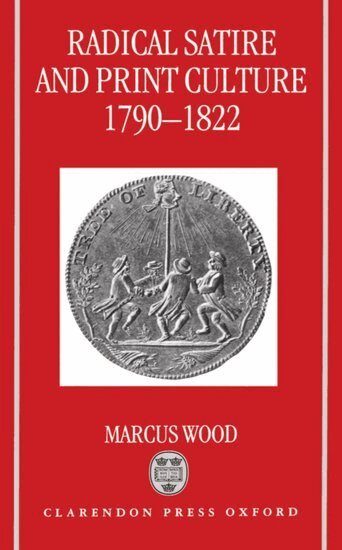
Radical Satire and Print Culture 1790-1822 focuses on the work produced collaboratively between 1816 and 1822 by the poet and radical journalist William Hone and the brilliant young graphic satirist George Cruikshank.Dr Wood provides a much needed analytical framework for Regency radical satire uncovering a set of new sources and previously unknown cultural contexts for Hone and Cruikshank's work, which is shown to combine modernity and tradition in thrilling ways. Hone fused the literary and political inheritance of eighteenth-century satire with contemporary developments in advertising , popular publishing and mass marketing; Cruikshank combined the sophisticated conventions of the political print with the most up-to-date methods of advertizing, politics and propaganda.Entertaining and original, this is an important contribution to the study of radical satire, which sheds new light on the relations between popular political authors and graphic artists and the major Romantic writers of the period.
1 146 kr
Skickas inom 7-10 vardagar
Collects the most important works of poetry generated by English and North American slavery. Mixing poetry by the major Anglo-American Romantic poets (Blake, Coleridge, Wordsworth, Shelley, Keats, Whittier, Longfellow, Lowell, Whitman, Melville, Dickinson) with curious, and sometimes brilliant verse by a range of now forgotten literary figures, the anthology is designed to aid students and teachers address the Anglo-American cultural inheritance of slavery.
2 071 kr
Skickas inom 5-8 vardagar
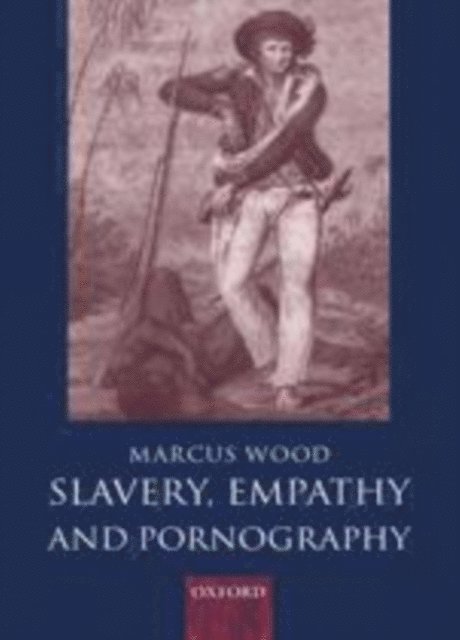
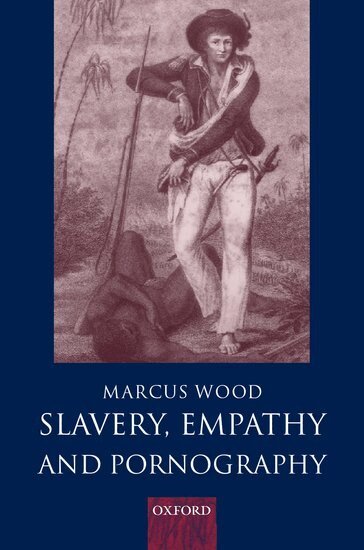
Slavery, Empathy, and Pornography considers the operations of slavery and of abolition propaganda on the thought and literature of English from the late-eighteenth to the mid-nineteenth centuries. Incorporating materials ranging from canonical literatures to the lowest form of street publication, Marcus Wood writes from the conviction that slavery was, and still is, a dilemma for everyone in England, and seeks to explain why English society has constructed Atlantic slavery in the way it has. He takes on the works of canonic eighteenth- and nineteenth-century white authors which claimed, when written, to 'account' for slavery, and asks with some scepticism what kind of 'truth' they hold.Taking an interdisciplinary approach, chapters focus on the writings of the major Romantic poets, English Radicals William Cobbett and John Thelwall, the Surinam writings of John Stedman, the full range of slavery texts generated by Harriet Martineau, John Newton, and the social prophets Carlyle and Ruskin. Slavery, Empathy, and Pornography also contains a radical new critique of the operations of slavery within the work of Austen and Charlotte Brontë.
1 961 kr
Skickas inom 7-10 vardagar
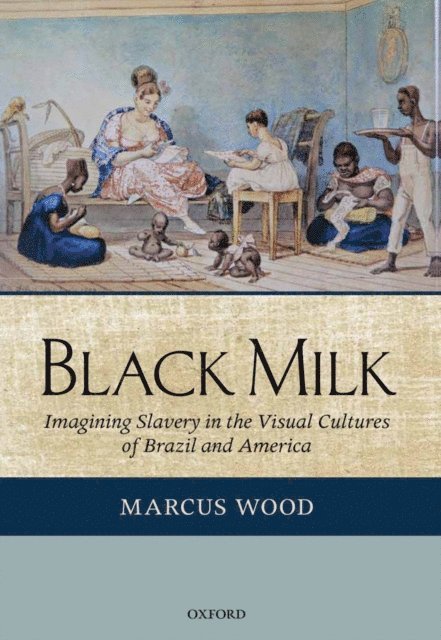
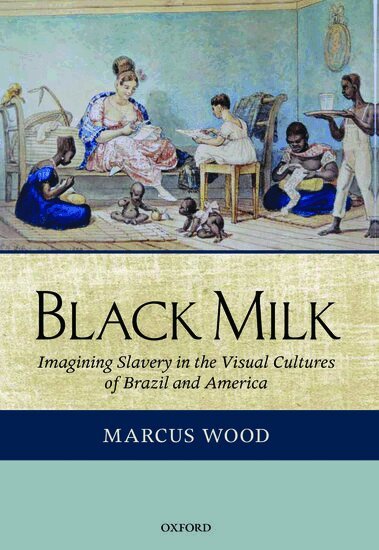
Black Milk is the first in-depth analysis of the visual archives that effloresced around slavery in Brazil and North America in the eighteenth and nineteenth centuries. In its latter stages the book also explores the ways in which the museum cultures of North America and Brazil have constructed slavery over the last hundred years. These institutional legacies emerge as startlingly different from each other at almost every level. Working through comparative close readings of a myriad art objects - including prints, photographs, oil paintings, watercolours, sculptures, ceramics, and a host of ephemera - Black Milk celebrates just how radically alternative Brazilian artistic responses to Atlantic slavery were. Despite its longevity and vastness, Brazilian slavery as a cultural phenomenon has remained hugely neglected, in both academic and popular studies, particularly when compared to North American slavery. Consequently much of Black Milk is devoted to uncovering, celebrating, and explaining the hidden treasury of visual material generated by artists working in Brazil when they came to record and imaginatively reconstruct their slave inheritance. There are painters of genius (most significantly Jean Baptiste Debret), printmakers (discussion is focussed on Angelo Agostini the 'Brazilian Daumier') and some of the greatest photographers of the nineteenth century, lead by Augusto Stahl. The radical alterity of the Brazilian materials is revealed by comparing them at every stage with a series of related but fascinatingly and often shockingly dissimilar North American works of art. Black Milk is a mould-breaking study, a bold comparative analysis of the visual arts and archives generated by slavery within the two biggest and most important slave holding nations of the Atlantic Diaspora.
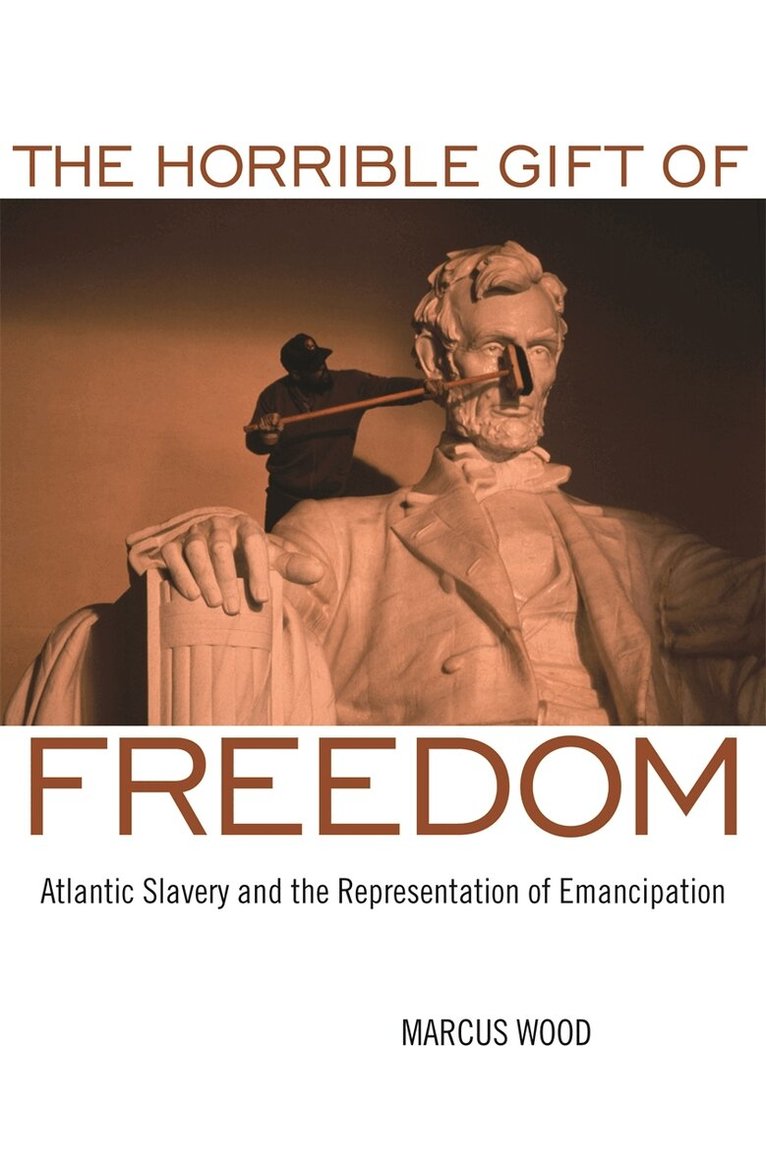
Horrible Gift of Freedom
Atlantic Slavery and the Representation of Emancipation
Häftad, Engelska, 2010
664 kr
Skickas inom 7-10 vardagar
In his tour de force Blind Memory, Marcus Wood read the visual archive of slavery in eighteenth- and nineteenth-century America and Britain with a closeness and rigor that until then had been applied only to the written texts of that epoch. Blind Memory changed the way we look at everything from a Turner seascape to a crude woodcut in a runaway slave advertisement. The Horrible Gift of Freedom brings the same degree of rigor to an analysis of the visual culture of Atlantic emancipation.Wood takes a troubled and troubling look at the iconography inspired by the abolition of slavery across the Atlantic diaspora. Why, he asks, did imagery showing the very instant of the birth of black slave freedom invariably personify Liberty as a white woman? Where did the image of the enchained kneeling slave, ubiquitous in abolitionist visual culture on both sides of the Atlantic, come from? And, most important, why was freedom invariably depicted as a gift from white people to black people? In order to assess what the inheritance of emancipation imagery means now and to speculate about where it may travel in the future, Wood spends the latter parts of this book looking at the 2007 bicentenary of the 1807 Slave Trade Abolition Act. In this context a provocative range of material is analyzed including commemorative postage stamps, museum exhibits, street performances, religious ceremonies, political protests, and popular film.By taking a new look at the role of the visual arts in promoting the “great emancipation swindle,” Wood brings into the open the manner in which the slave power and its inheritors have single-mindedly focused on celebratory cultural myths that function to diminish both white culpability and black outrage. This book demands that the living lies developed around the memory of the emancipation moment in Europe and America need to be not only reassessed but demolished.
1 237 kr
Skickas inom 10-15 vardagar
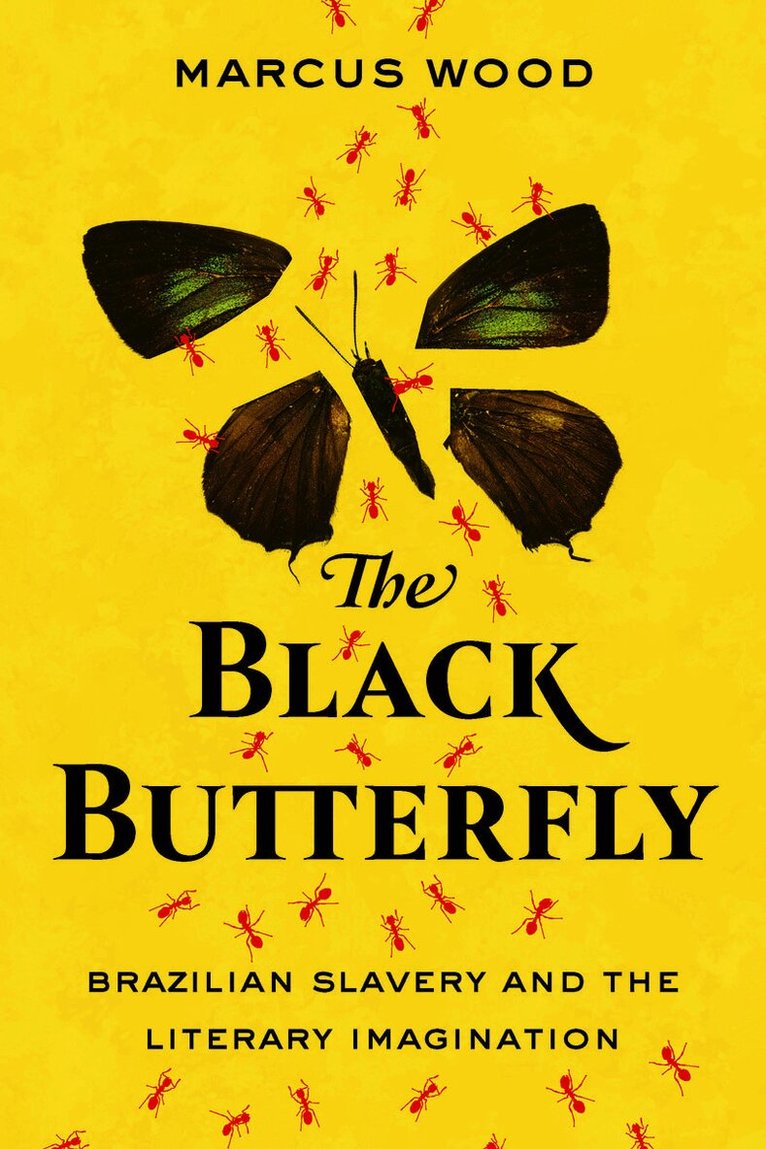
The Black Butterfly focuses on the slavery writings of three of Brazil's literary giants—Machado de Assis, Castro Alves, and Euclides da Cunha. These authors wrote in the late nineteenth and early twentieth centuries, as Brazil moved into and then through the 1888 abolition of slavery. Assis was Brazil's most experimental novelist; Alves was a Romantic poet with passionate liberationist politics, popularly known as "the poet of the slaves"; and da Cunha is known for the masterpiece Os Sertões (The Backlands), a work of genius that remains strangely neglected in the scholarship of transatlantic slavery.Wood finds that all three writers responded to the memory of slavery in ways that departed from their counterparts in Europe and North America, where emancipation has typically been depicted as a moment of closure. He ends by setting up a wider literary context for his core authors by introducing a comparative study of their great literary abolitionist predecessors Luís Gonzaga Pinto da Gama and Joaquim Nabuco. The Black Butterfly is a revolutionary text that insists Brazilian culture has always refused a clean break between slavery and its aftermath. Brazilian slavery thus emerges as a living legacy subject to continual renegotiation and reinvention.
392 kr
Skickas inom 10-15 vardagar
The Black Butterfly focuses on the slavery writings of three of Brazil’s literary giants—Machado de Assis, Castro Alves, and Euclides da Cunha. These authors wrote in the late nineteenth and early twentieth centuries, as Brazil moved into and then through the 1888 abolition of slavery. Assis was Brazil’s most experimental novelist; Alves was a Romantic poet with passionate liberationist politics, popularly known as “the poet of the slaves”; and da Cunha is known for the masterpiece Os Sertões (The Backlands), a work of genius that remains strangely neglected in the scholarship of transatlantic slavery.Wood finds that all three writers responded to the memory of slavery in ways that departed from their counterparts in Europe and North America, where emancipation has typically been depicted as a moment of closure. He ends by setting up a wider literary context for his core authors by introducing a comparative study of their great literary abolitionist predecessors Luís Gonzaga Pinto da Gama and Joaquim Nabuco. The Black Butterfly is a revolutionary text that insists Brazilian culture has always refused a clean break between slavery and its aftermath. Brazilian slavery thus emerges as a living legacy subject to continual renegotiation and reinvention.