Margaret M. Chin - Böcker
Visar alla böcker från författaren Margaret M. Chin. Handla med fri frakt och snabb leverans.
4 produkter
4 produkter
548 kr
Skickas inom 3-6 vardagar
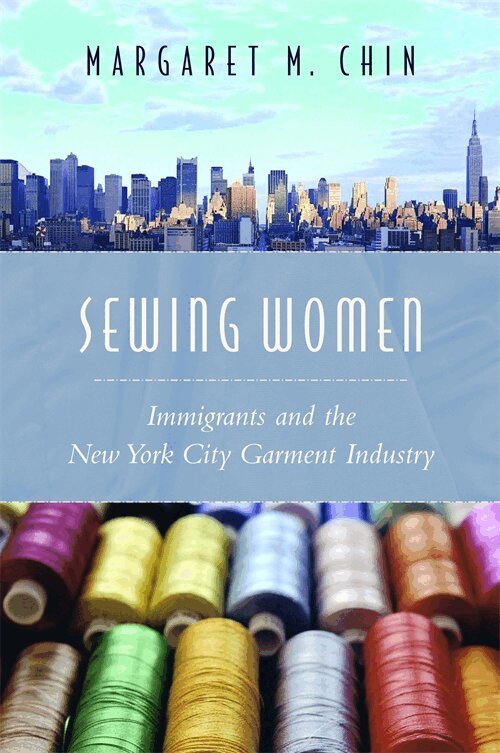
Many Latino and Chinese women who immigrated to New York City over the past several decades found work in the garment industry-an industry well known for both hiring immigrants and its harsh working conditions. In the 1990s, the garment industry was one of the largest immigrant employers in New York City and workers in Chinese- and Korean-owned factories produced 70 percent of all manufactured clothing in New York City. Based on extensive interviews with workers and employers, Margaret M. Chin offers a detailed and complex portrait of the work lives of Chinese and Latino garment workers. Chin, whose mother and aunts worked in Chinatown's garment industry, also explores how immigration status, family circumstances, ethnic relations, and gender affect the garment industry workplace. In turn, she analyzes how these factors affect whom employers hire and what wages and benefits are given to the employees. Chin's study contrasts the working conditions and hiring practices of Korean- and Chinese-owned factories. Her comparison of the two practices illuminates how ethnic ties both improve and hinder opportunities for immigrants.While both sectors take advantage of workers and are characterized by low wages and lax enforcement of safety regulations-there are crucial differences. In the Chinese sector, owners encourage employees, almost entirely female, to recruit new workers, especially friends and family. Though Chinese workers tend to be documented and unionized, this work arrangement allows owners to maintain a more paternalistic relationship with their employees. Gender also plays a major role in channeling women into the garment industry, as Chinese immigrants, particularly those with children, tend to maintain traditional gender roles in the workplace. Korean-owned shops, however, hire mostly undocumented Mexican and Ecuadorian workers, both male and female. These workers tend not to have children and are thus less tied to traditional gender roles. Unlike their Chinese counterparts, Korean employers hire workers on their own terms and would rather not allow current employees to influence their decisions. Chin's work also provides an overview of the history of the garment industry, examines immigration strategies, and concludes with a discussion of changes in the industry in the aftermath of 9/11.
331 kr
Skickas inom 10-15 vardagar
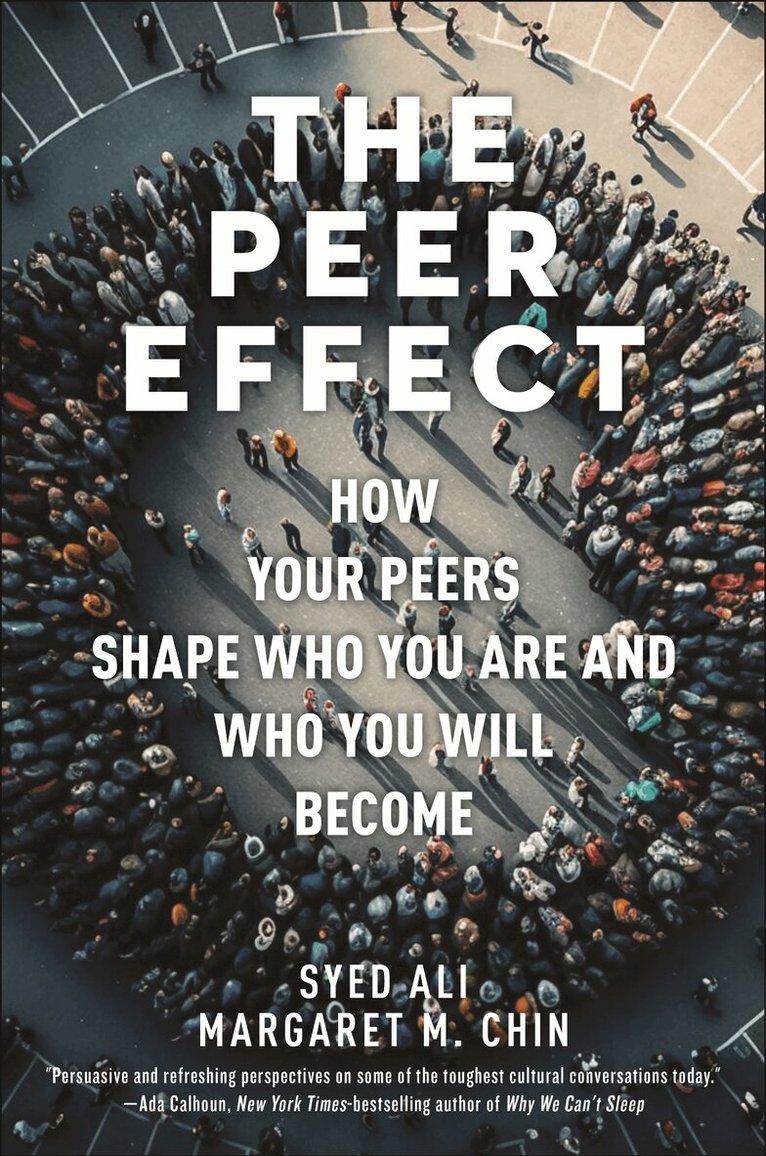
How the power of peers and peer culture shapes individual behavior and future successFor decades, parents across America have asked their kids, "If your friends jumped off a bridge, would you?" The answer is, "Duh, yes." Peers, as parents well know, have a tremendous impact on who their kids are and what they will become. And even while they insist otherwise, parents know that they're largely powerless to change this. But the effect of peers is not just a story about kids; peers can also affect adult behavior—they affect what we do and who we are well into old age. Noted sociologists Syed Ali and Margaret M. Chin call this "the peer effect." In their book, they take readers on a tour of how our peers, and the peer cultures they create, shape our behavior in schools and the workplace. Ali and Chin begin their look at the peer effect at the high school from which they both graduated: New York City's prestigious Stuyvesant High School, arguably the best public high school in the nation. Through a fascinating and often humorous narrative, they show how peers can influence each other—in this case, how highly motivated students can create a culture of influence to achieve success in learning and in admission to elite colleges. They also show the many other ways that peers can influence one another beyond school performance, from hookup culture to school bullying and youth suicide.Ali and Chin are also interested in the extent to which the peer effect can last. Through interviews with adult graduates of Stuyvesant, they investigate the long-lasting effects of high school peer culture. They also examine the peer effect in post–high school settings, notably around workplace misconduct, including the steroid culture in baseball and the use of excessive force by the police. The Peer Effect ultimately offers ways to understand the power of peer influence and apply this understanding to resolving issues regarding schools, college graduation rates, workplace culture, and police violence. In the tradition of big idea books like The Tipping Point, The Peer Effect will forever change the way we look at the world of human behavior.
309 kr
Skickas inom 10-15 vardagar
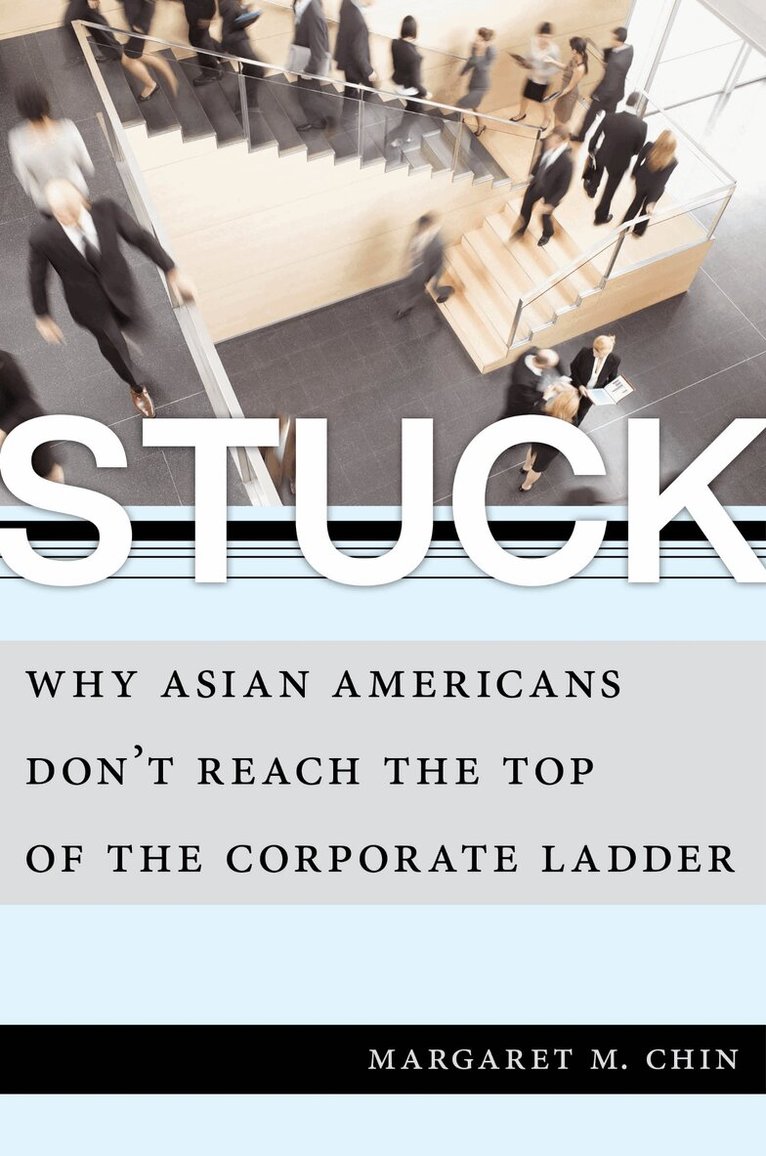
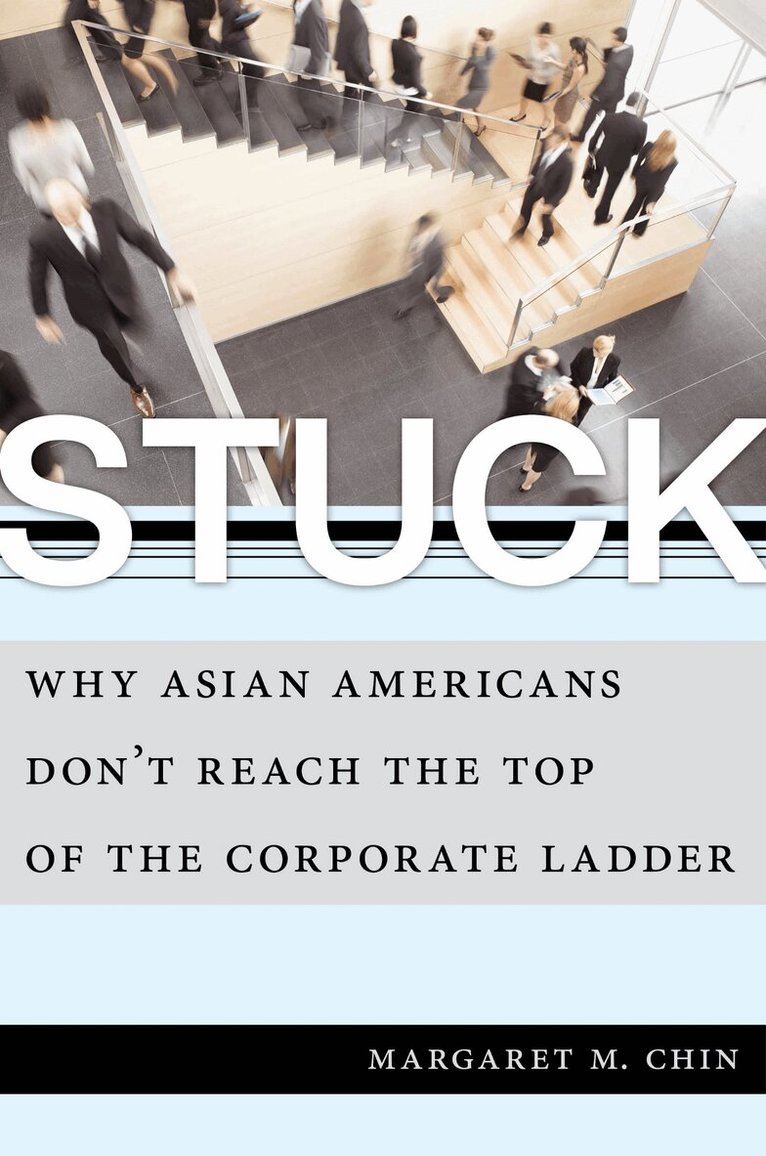
Winner, 2022 Max Weber Award for Distinguished Scholarship, given by the American Sociological Association's Section on Organizations, Occupations, and WorkWinner, 2021 PROSE Award in the Business, Finance & Management CategoryA behind-the-scenes examination of Asian Americans in the workplaceIn the classroom, Asian Americans, often singled out as so-called "model minorities," are expected to be top of the class. Often they are, getting straight As and gaining admission to elite colleges and universities. But the corporate world is a different story. As Margaret M. Chin reveals in this important new book, many Asian Americans get stuck on the corporate ladder, never reaching the top.In Stuck, Chin shows that there is a "bamboo ceiling" in the workplace, describing a corporate world where racial and ethnic inequalities prevent upward mobility. Drawing on interviews with second-generation Asian Americans, she examines why they fail to advance as fast or as high as their colleagues, showing how they lose out on leadership positions, executive roles, and entry to the coveted boardroom suite over the course of their careers. An unfair lack of trust from their coworkers, absence of role models, sponsors and mentors, and for women, sexual harassment and prejudice especially born at the intersection of race and gender are only a few of the factors that hold Asian American professionals back.Ultimately, Chin sheds light on the experiences of Asian Americans in the workplace, providing insight into and a framework of who is and isn't granted access into the upper echelons of American society, and why.
160 kr
Skickas
Winner, 2022 Max Weber Award for Distinguished Scholarship, given by the American Sociological Association's Section on Organizations, Occupations, and WorkWinner, 2021 PROSE Award in the Business, Finance & Management CategoryA behind-the-scenes examination of Asian Americans in the workplaceIn the classroom, Asian Americans, often singled out as so-called "model minorities," are expected to be top of the class. Often they are, getting straight As and gaining admission to elite colleges and universities. But the corporate world is a different story. As Margaret M. Chin reveals in this important new book, many Asian Americans get stuck on the corporate ladder, never reaching the top.In Stuck, Chin shows that there is a "bamboo ceiling" in the workplace, describing a corporate world where racial and ethnic inequalities prevent upward mobility. Drawing on interviews with second-generation Asian Americans, she examines why they fail to advance as fast or as high as their colleagues, showing how they lose out on leadership positions, executive roles, and entry to the coveted boardroom suite over the course of their careers. An unfair lack of trust from their coworkers, absence of role models, sponsors and mentors, and for women, sexual harassment and prejudice especially born at the intersection of race and gender are only a few of the factors that hold Asian American professionals back.Ultimately, Chin sheds light on the experiences of Asian Americans in the workplace, providing insight into and a framework of who is and isn't granted access into the upper echelons of American society, and why.