Margaret M. Gold - Böcker
Visar alla böcker från författaren Margaret M. Gold. Handla med fri frakt och snabb leverans.
5 produkter
5 produkter
1 618 kr
Skickas inom 10-15 vardagar
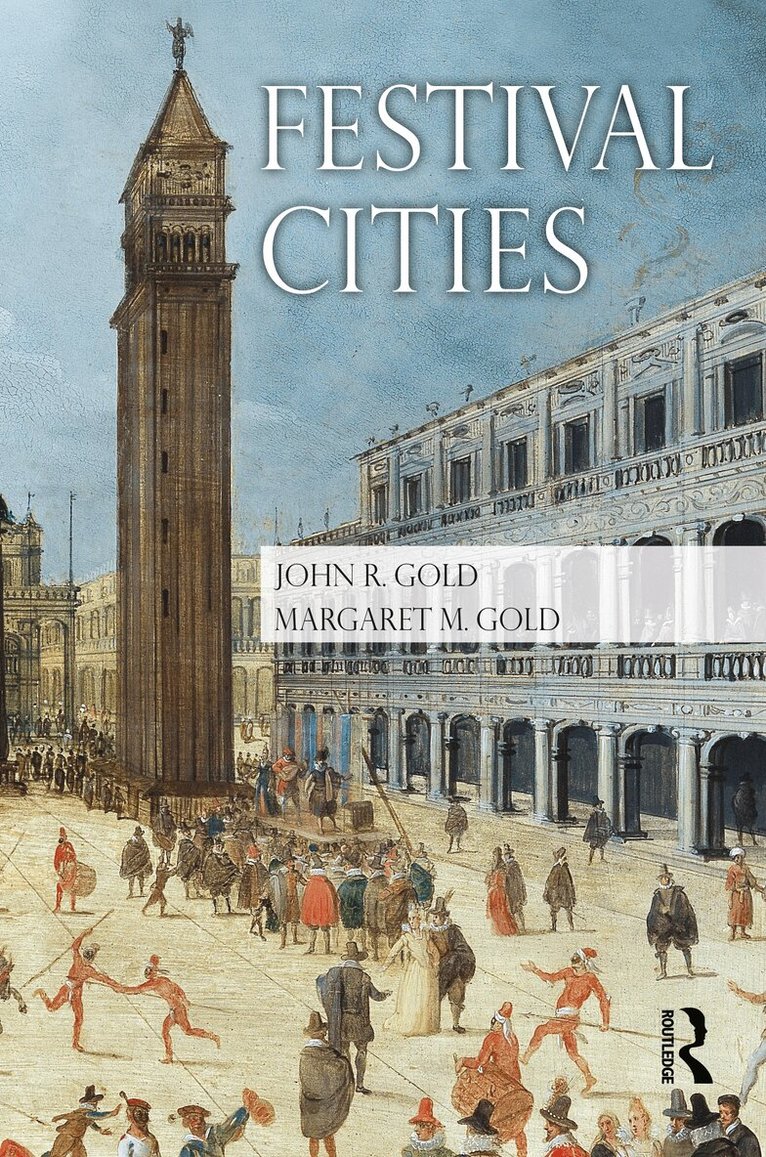
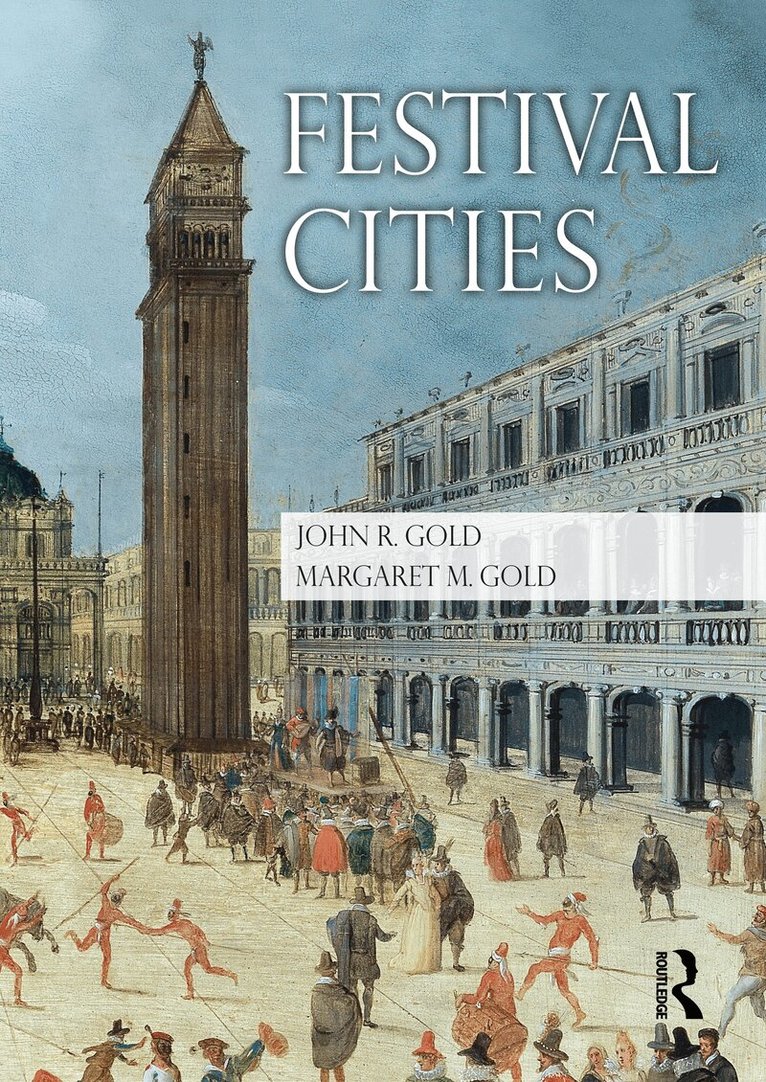
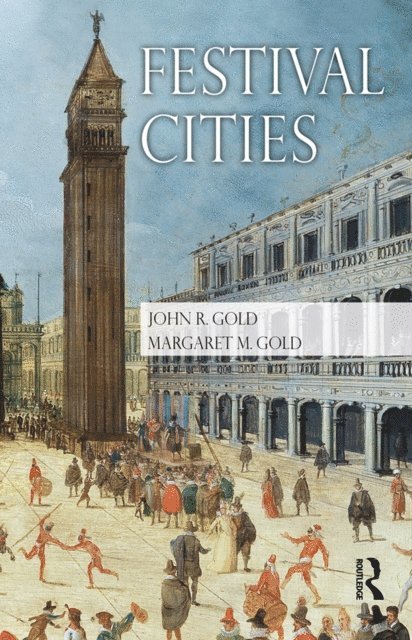
Festivals have always been part of city life, but their relationship with their host cities has continually changed. With the rise of industrialization, they were largely considered peripheral to the course of urban affairs. Now they have become central to new ways of thinking about the challenges of economic and social change, as well as repositioning cities within competitive global networks. In this timely and thought-provoking book, John and Margaret Gold provide a reflective and evidence-based historical survey of the processes and actors involved, charting the ways that regular festivals have now become embedded in urban life and city planning.Beginning with David Garrick’s rain-drenched Shakespearean Jubilee and ending with Sydney’s flamboyant Mardi Gras celebrations, it encompasses the emergence and consolidation of city festivals. After a contextual historical survey that stretches from Antiquity to the late nineteenth century, there are detailed case studies of pioneering European arts festivals in their urban context: Venice’s Biennale, the Salzburg Festival, the Cannes Film Festival and Edinburgh’s International Festival. Ensuing chapters deal with the worldwide proliferation of arts festivals after 1950 and with the ever-increasing diversifycation of carnival celebrations, particularly through the actions of groups seeking to assert their identity. The conclusion draws together the book’s key themes and sketches the future prospects for festival cities.Lavishly illustrated, and copiously researched, this book is essential reading not just for urban geographers, social historians and planners, but also for anyone interested in contemporary festival and events tourism, urban events strategy, urban regeneration regeneration, or simply building a fuller understanding of the relationship between culture, planning and the city.
549 kr
Skickas inom 10-15 vardagar
Festivals have always been part of city life, but their relationship with their host cities has continually changed. With the rise of industrialization, they were largely considered peripheral to the course of urban affairs. Now they have become central to new ways of thinking about the challenges of economic and social change, as well as repositioning cities within competitive global networks. In this timely and thought-provoking book, John and Margaret Gold provide a reflective and evidence-based historical survey of the processes and actors involved, charting the ways that regular festivals have now become embedded in urban life and city planning.Beginning with David Garrick’s rain-drenched Shakespearean Jubilee and ending with Sydney’s flamboyant Mardi Gras celebrations, it encompasses the emergence and consolidation of city festivals. After a contextual historical survey that stretches from Antiquity to the late nineteenth century, there are detailed case studies of pioneering European arts festivals in their urban context: Venice’s Biennale, the Salzburg Festival, the Cannes Film Festival and Edinburgh’s International Festival. Ensuing chapters deal with the worldwide proliferation of arts festivals after 1950 and with the ever-increasing diversifycation of carnival celebrations, particularly through the actions of groups seeking to assert their identity. The conclusion draws together the book’s key themes and sketches the future prospects for festival cities.Lavishly illustrated, and copiously researched, this book is essential reading not just for urban geographers, social historians and planners, but also for anyone interested in contemporary festival and events tourism, urban events strategy, urban regeneration regeneration, or simply building a fuller understanding of the relationship between culture, planning and the city.
12 816 kr
Skickas inom 10-15 vardagar
In the first forty or so years following its revival at the end of the nineteenth century, the burdens placed on cities hosting a modern Olympic Games were relatively modest. However, as the Games have grown in size and stature, morphing from a small-scale summer festival into an intensively mediated global lollapalooza, demands on host cities have massively increased, resulting in the construction of vast and expensive new stadia, Olympic villages, and associated infrastructure. Moreover, after the Second World War, host cities have increasingly used the Olympics as a means to achieve ambitious non-sporting policy goals.Edited and introduced by two leading scholars, this new four-volume collection from Routledge brings together key primary-source materials and the best scholarship and serious commentary to elucidate and explore the planning, making, and generation of Olympic cities. The gathered materials (some of which are reproduced in facsimile to give users a strong sense of immediacy to the original texts) cover topics such as how cities have embraced the Olympics into their town-planning strategies; built new stadia and sports facilities; and constructed new transport and other communications networks. From what is widely seen as the paradigm of Olympics-led urban regeneration (Barcelona, 1992) to the planning disaster of Montreal, 1976, issues around the short-term impact, and longer-term legacy, of the Olympics on various cities are also closely interrogated.Fully indexed and with a comprehensive introduction, newly written by the editors, which places the collected material in its historical and intellectual context, The Making of Olympic Cities is an essential work of reference. It is destined to be welcomed as a vital one-stop research tool.
565 kr
Skickas inom 10-15 vardagar
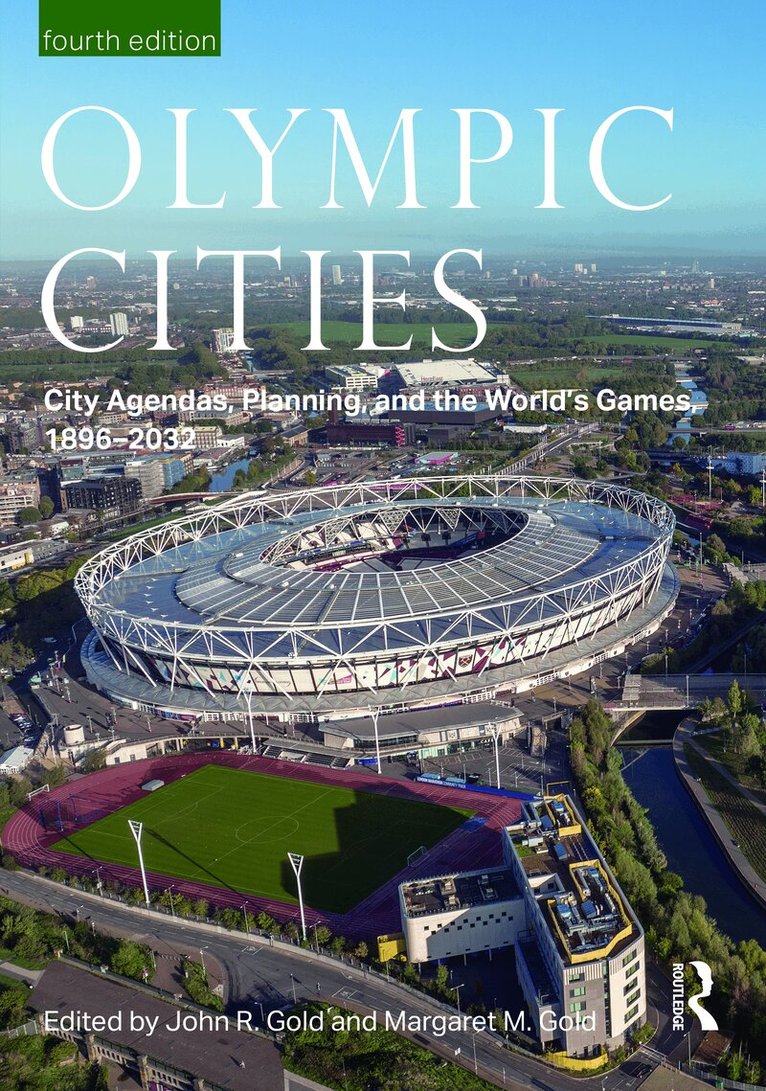
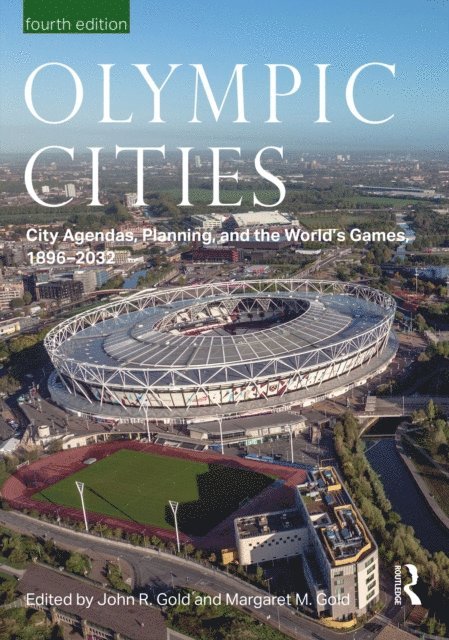
The first edition of Olympic Cities, published in 2007, provided a pioneering overview of the changing relationship between cities and the modern Olympic Games. This substantially revised and much enlarged fourth edition builds on the success of its predecessors. The first of its three parts provides overviews of the urban legacy of the four component Olympic festivals: the Summer Games; Winter Games; Cultural Olympiads; and the Paralympics. The second part comprises systematic surveys of six key aspects of activity involved in staging the Olympics and Paralympics: finance; sustainability; the creation of Olympic Villages; security; urban regeneration; and tourism. The final part consists of ten chronologically arranged portraits of host cities from 1960 to 2032, with complete coverage of the Summer Games of the twenty-first century.As controversy over the growing size and expense of the Olympics, with associated issues of democratic accountability and legacy, continues unabated, this book’s incisive and timely assessment of the Games’ development and the complex agendas that host cities attach to the event will be essential reading for a wide audience. This will include not just urban and sports historians, urban geographers, event managers, and city planners, but also anyone with an interest in the staging of mega-events and concerned with building a better understanding of the relationship between cities, sport, and culture.
2 150 kr
Skickas inom 10-15 vardagar
The first edition of Olympic Cities, published in 2007, provided a pioneering overview of the changing relationship between cities and the modern Olympic Games. This substantially revised and much enlarged fourth edition builds on the success of its predecessors. The first of its three parts provides overviews of the urban legacy of the four component Olympic festivals: the Summer Games; Winter Games; Cultural Olympiads; and the Paralympics. The second part comprises systematic surveys of six key aspects of activity involved in staging the Olympics and Paralympics: finance; sustainability; the creation of Olympic Villages; security; urban regeneration; and tourism. The final part consists of ten chronologically arranged portraits of host cities from 1960 to 2032, with complete coverage of the Summer Games of the twenty-first century.As controversy over the growing size and expense of the Olympics, with associated issues of democratic accountability and legacy, continues unabated, this book’s incisive and timely assessment of the Games’ development and the complex agendas that host cities attach to the event will be essential reading for a wide audience. This will include not just urban and sports historians, urban geographers, event managers, and city planners, but also anyone with an interest in the staging of mega-events and concerned with building a better understanding of the relationship between cities, sport, and culture.