Margaret Sankey - Böcker
Visar alla böcker från författaren Margaret Sankey. Handla med fri frakt och snabb leverans.
3 produkter
3 produkter
Jacobite Prisoners of the 1715 Rebellion
Preventing and Punishing Insurrection in Early Hanoverian Britain
Inbunden, Engelska, 2005
2 026 kr
Skickas inom 7-10 vardagar
The Jacobite rebellion of 1715 was a dramatic but ultimately unsuccessful challenge to the new Hanoverian regime in Great Britain. It did, however, reveal serious fault lines in the political foundations of the new regime which enormously restricted the government's freedom of action in the suppression of the rebellion, and effectively made the treatment of the rebels in its aftermath the true test of the new dynasty's legitimacy and stability. Whilst the rulers of England had traditionally dealt harshly with internal rebellion, monarchs and their ministers had to find a delicate balance between showing the power of the regime through the candid exercise of force while maintaining their own reputation for justice and clemency. As such George I and his government had to tailor their reaction to the 1715 rebellion in such a way that it effectively discouraged further participation in Jacobite insurgency, undercut the rebels' ability to challenge the state, and made clear the regime's intention to use a firm hand in preventing rebellion. At the same time it could not cross the line into tyranny with excessive or sadistic executions and had to avoid giving offence to powerful magnates and foreign powers likely to petition for the lives of the captured rebels. To accomplish this feat, the Hanoverian Whig regime used a programme far more subtle and calculated than has generally been appreciated. The scheme it put into effect had three components, to put fear into the rank-and-file of the rebels through a limited programme of execution and transportation, to cripple the Catholic community through imprisonment and property confiscation, and, most crucially, to entertain petitions from members of the elite on behalf of imprisoned rebels. By following such a strategy of retribution tempered with clemency, this book argues that the Hanoverian regime was able to quell the immediate dangers posed by the rebellion, and bring its leaders back into the orbit of the government, beginning the process of reintegrating them back into political mainstream.
1 531 kr
Skickas inom 10-15 vardagar
This collection of original essays brings international and multidisciplinary perspectives to the problem of how to understand and practice editorial mediation: How does editing alter what it seeks to represent? How does it condition the relationship between texts and readers? The different concerns shared by editors of a variety of genres, literary and otherwise, emerge here as constructive new approaches to the theory and practice of editing are explored. The essays make a concerted attempt to assess the implications of postmodern thought on one of the oldest and most fundamental cultural activities, editing The section on theory covers such important subjects as editorial responsibility, the death of the author, and the nature of the authorial voice. The practice section covers actual editing situations in various literary areas and in musicology, recorded music, and the preservation of oral literature. The multidisciplinary volume will find its readers among students of textual criticism, literature, music, and folklore as well as any readers of postmodern criticism.
324 kr
Tillfälligt slut
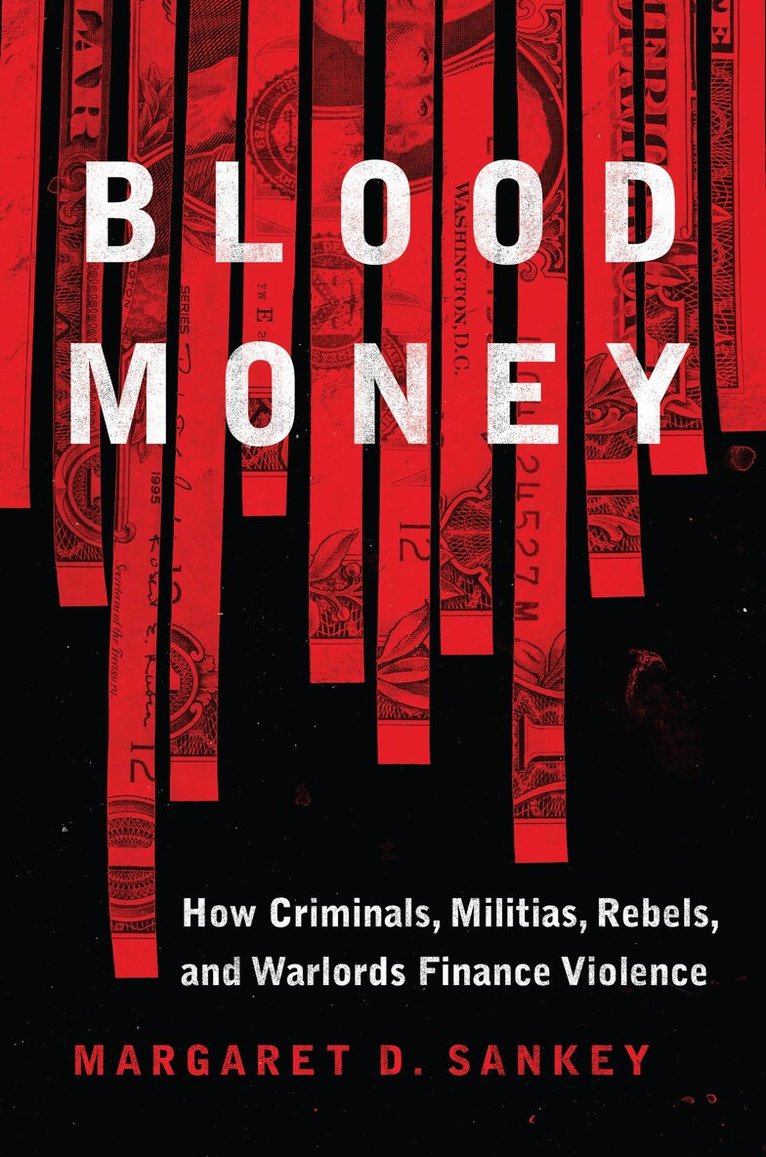
It is convenient to think that bad guys are drumming up money for their activities far away and in shady back alleys, but the violent non-state actors (VNSAs) of the world are hiding in plain sight. They peddle knockoff sneakers, pass the hat at ethnic festivals, take a cut of untaxed booze sales, swindle senior citizens with bogus phone calls about needing bail in Mexico, and run money through mainstream banks to buy up rental properties (just to name a few). On a grand scale, their behavior erodes rule of law, creates moral injuries from corruption, and emboldens bad actors to steal and back violent tactics with impunity. Blood Money analyzes the ways in which VNSAs find money for their operations and sustainment, from controlling a valuable commodity to harnessing the grievances of a networked diaspora, and it looks at the channels through which they can flip the positives of globalization into flat, fast, and frictionless movement of people, funds, and materials needed to terrorize and coerce their opponents. Author Margaret Sankey highlights the mundane and everyday nature of these tactics, occurring under our noses online, in legitimate marketplaces, and with the aegis of intelligence services and national governments. While reforms attempt to curtail these options, their utility and efficacy as tools of finance have proved inadequate for sovereign states. VNSAs' defiance of rules and their capable adaptation and innovation make them extremely difficult to pin down or prosecute. Many security publications stress legislation and enforcement or frame illicit finance as a military or police problem. With Blood Money, Sankey points out the many ways VNSAs evade law enforcement, and she offers options for involving consumers and activists in exercising agency and choices in how they apply their money and where it goes. Blood Money also provides context for whole-of-government approaches to attacking underlying supports for illicit financing channels. How these groups finance themselves is key to understanding how they function and what actions might be taken to derail their plans or dismantle their structure.