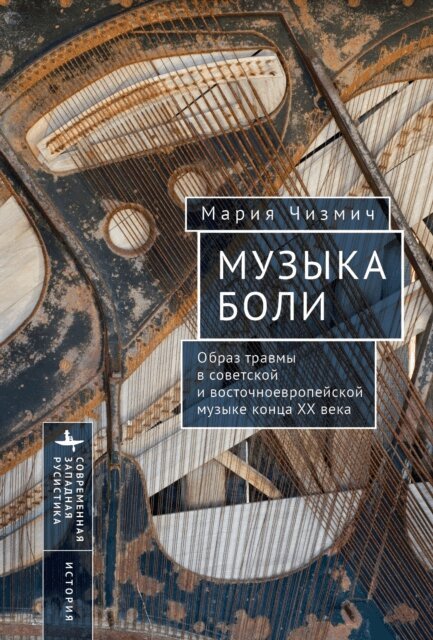
Maria Čizmić – författare
Visar alla böcker från författaren Maria Čizmić. Handla med fri frakt och snabb leverans.
5 produkter
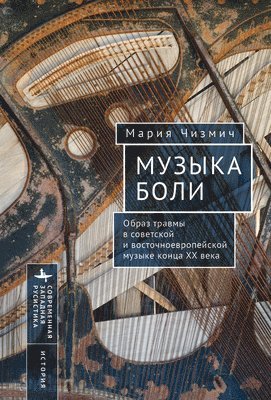
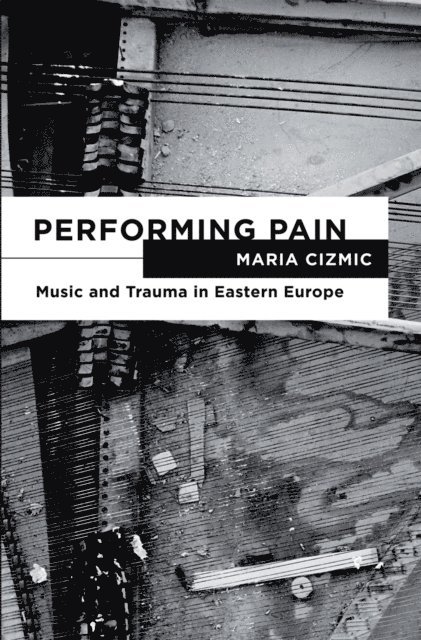
Performing Pain
Music and Trauma in Eastern Europe
Av Maria Čizmić
Inbunden, 2024
502 kr
Lägg i varukorg
ENGPerforming Pain explores music’s relationships to trauma and grief by focusing upon the late 20 th century in Eastern Europe. The 1970s and 80s witnessed a cultural preoccupation with WWII and the Stalinist era. Journalists, historians, writers, artists, and filmmakers explored themes related to …
Performing Pain
Music and Trauma in Eastern Europe
Av Maria Cizmic
E-bok, 2011
1265 kr
Lägg i varukorg
Time after time, people turn to music when coping with traumatic life events. Music can help process emotions, interpret memories, and create a sense of collective identity. In Performing Pain , author Maria Cizmic focuses on the late 20th century in Eastern Europe as she uncovers music''s …
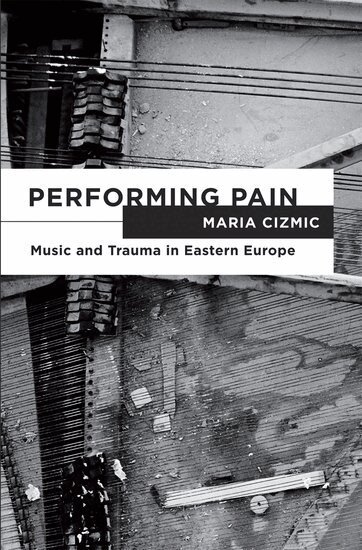
Performing Pain
Music and Trauma in Eastern Europe
Av Maria Cizmic
Inbunden, 2012
1950 kr
Lägg i varukorg
Again and again people turn to music in order to assist them make sense of traumatic life events. Music can help process emotions, interpret memories, and create a sense of collective identity. While the last decade has seen a surge in academic studies on trauma and loss in both the humanities and …
Performing Pain
Music and Trauma in Eastern Europe
Av Maria Cizmic
E-bok, 2011
1265 kr
Lägg i varukorg
Time after time, people turn to music when coping with traumatic life events. Music can help process emotions, interpret memories, and create a sense of collective identity. In Performing Pain , author Maria Cizmic focuses on the late 20th century in Eastern Europe as she uncovers music''s …
Performing Pain
Music and Trauma in Eastern Europe
Av Maria Cizmic
E-bok, 2024
714 kr
Lägg i varukorg
ENGPerforming Pain explores musics relationships to trauma and grief by focusing upon the late 20 th century in Eastern Europe. The 1970s and 80s witnessed a cultural preoccupation with WWII and the Stalinist era. Journalists, historians, writers, artists, and filmmakers explored themes related to …