Maria Mayo Robbins – författare
Visar alla böcker från författaren Maria Mayo Robbins. Handla med fri frakt och snabb leverans.
4 produkter
4 produkter
E-bok
PDF, Engelska, 20101 135 kr
Läs direkt efter köp
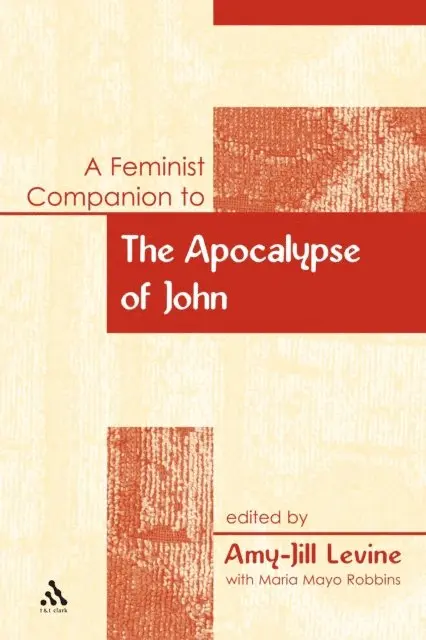
The thirteenth volume in this landmark series examines the Revelation of John through the categories of post-colonial thought, deconstruction, ethics, Roman social discourse, masculinization, virginity, and violence. The reach of this volume therefore goes beyond that of most feminist studies of Revelation, which frequently focus on the female imagery: the Thyatiran prophet called ''Jezebel'', the ''Woman Clothed with the Sun'', the ''Whore of Babylon'', and the ''Bride''/the ''Heavenly Jerusalem''. The symbols of Revelation remain open and interpetations continue. Some readers will refuse to rejoice at the dismemberment of the Woman-who-is-Babylon; they will resist the (masochistic? infantile?) self-abasement before this imperial Deity who rules by patriarchal domination. Others will conclude that these descriptions are ''only'' metaphors, separate form from substance, and worship the transcendent to which the metaphors imperfectly point. Some readers will understand, if not fully condone, John''s rhetoric by seeking his political and social location; others will condone, if not fully understand, how the Apocalypse can provide comfort to those undergoing persecution or deprivation. Some readers may reject the coercive aspects of a choice between spending eternity in praise of the divine or being ''tortured'' with fire and sulfer; others may rejoice in their own salvation while believing that those being tortured deserve every pain inflicting upon them; still others may use mimicry or parody or anachronistic analogy to challenge, defang, or replace John''s message. What we find behind the veil may be beautiful, or terrifying, or both, but we cannot avert our eyes: John''s vision is too influential today, in our own political climate, not to look for ourselves. The Feminist Companion to the Apocalypse of John includes contributions by David L. Barr, Mary Ann Beavis, Greg Carey, Adela Yarbro Collins, Lynn R. Huber, Catherine Keller, John Marshall, Stephen Moore, Jorunn Økland, Hanna Stenström, Pamela Thimmes, and Carolyn Vander Stichele. There is an introduction by Amy-Jill Levine and a comprehensive bibliography.
Inbunden, Engelska, 2010
2 645 kr
Skickas inom 10-15 vardagar
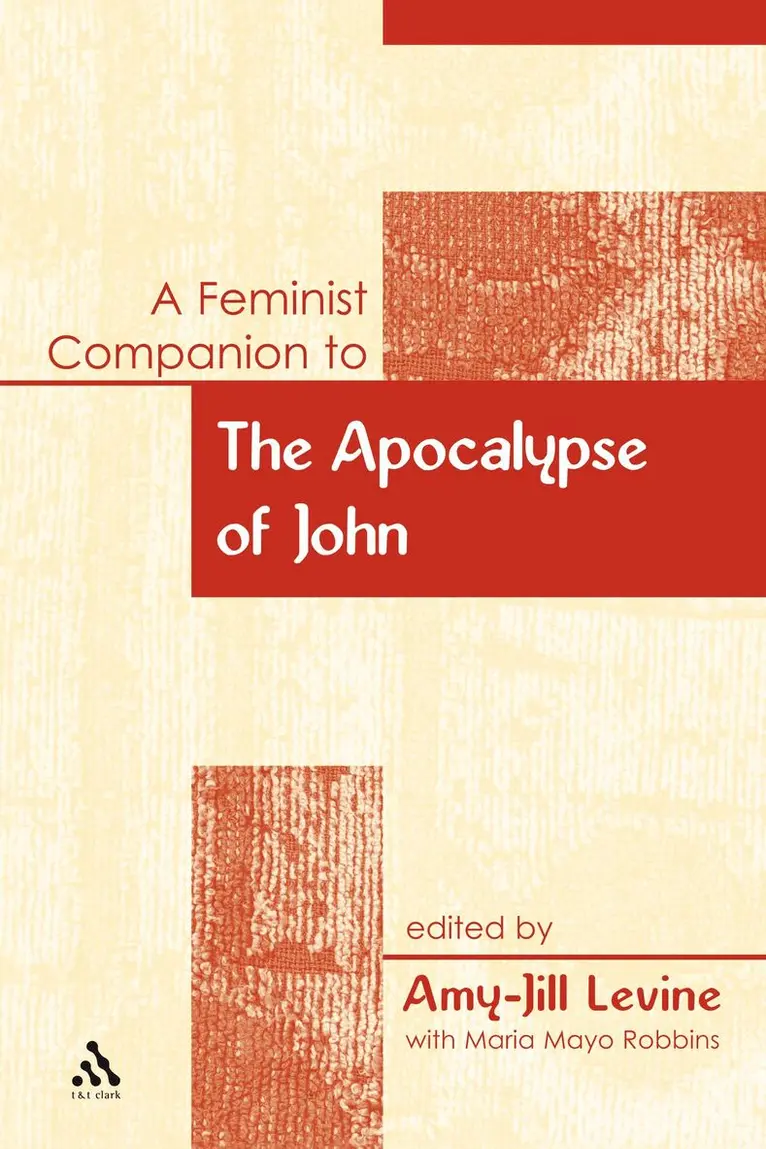
The thirteenth volume in the series examines New Testament Apocalypitc literature through the categories of post-colonial thought, deconstruction, ethics, Roman social discourse, masculinization, virginity, and violence.The volume includes contributions by David L. Barr, Mary Ann Beavis, Greg Carey, Adela Yarbro Collins, Lynn R. Huber, Catherine Keller, John Marshall, Stephen Moore, Jorunn Okland, Hanna Stenstrom, Pamela Thimmes, and Carolyn Vander Stichele. There is an introduction by the editor and a comprehensive bibliography.
Häftad, Engelska, 2010
1 048 kr
Skickas inom 10-15 vardagar
The thirteenth volume in the series examines New Testament Apocalypitc literature through the categories of post-colonial thought, deconstruction, ethics, Roman social discourse, masculinization, virginity, and violence.The volume includes contributions by David L. Barr, Mary Ann Beavis, Greg Carey, Adela Yarbro Collins, Lynn R. Huber, Catherine Keller, John Marshall, Stephen Moore, Jorunn Okland, Hanna Stenstrom, Pamela Thimmes, and Carolyn Vander Stichele. There is an introduction by the editor and a comprehensive bibliography.
Häftad, Engelska, 2006
1 257 kr
Skickas inom 10-15 vardagar
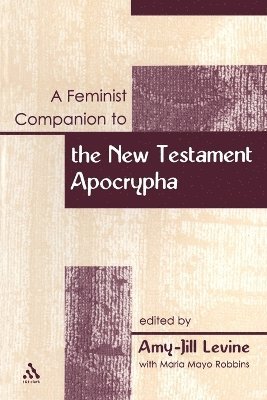
The eleventh volume in this series examines New Testament Apocryphal texts, including the Acts of Paul and Thecla, the Acts of John, the Gospel of Thomas, the Gospel of Peter, the Martyrdom of Perpetua, the Acts of Xanthippe and Polyxena, the Acts of Andrew, the Acts of Thomas, and the Apocalypse of Peter, as well as Joseph and Asenath, the Irish apocrypha, and the Greek novels. In this diverse collection the contributors utilize a variety of approaches to explore topics such as the construction of Christian identity, the Christian martyr, heterodoxy and orthodoxy, conjugal ethics and apostolic homewreckers, trials and temptations, the rhetoric of the body, asceticism, and eroticism.