Maria Rosa Menocal – författare
Visar alla böcker från författaren Maria Rosa Menocal. Handla med fri frakt och snabb leverans.
14 produkter
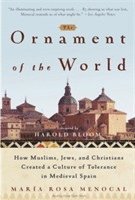
Ornament Of The World
Häftad, 2003
5,0 utav 5 stjärnor. Totalt antal röster: (1)
217 kr
Lägg i varukorg
This classic bestseller - the inspiration for the PBS series - is an "illuminating and even inspiring" portrait of medieval Spain that explores the golden age when Muslims, Jews, and Christians lived together in an atmosphere of tolerance (Los Angeles Times). This enthralling history, widely hailed …
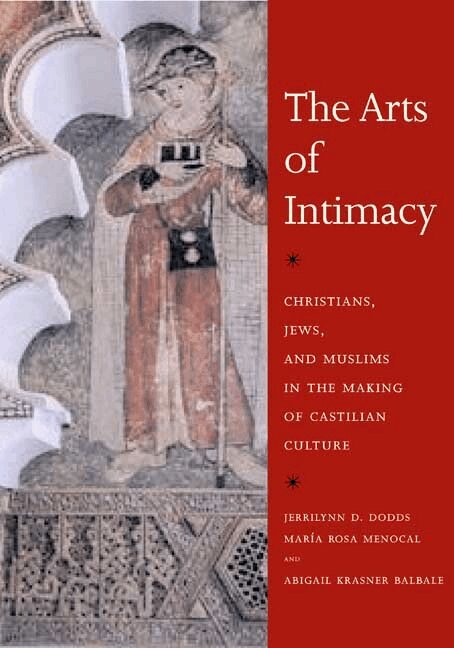
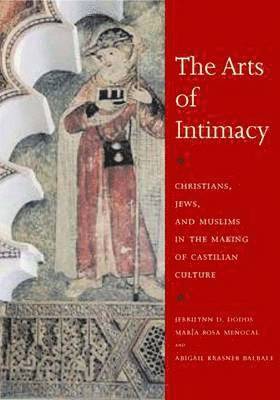
Arts of Intimacy
Christians, Jews, and Muslims in the Making of Castilian Culture
Av Jerrilynn D. Dodds, María Rosa Menocal m. fl.
Häftad, 2009
270 kr
Lägg i varukorg
A dynamic vision of medieval Castilian culture and the Arabic, Hebrew, and Latin strands that are woven into its fabricNamed a Book of the Year by the Times Literary Supplement, this lavishly illustrated work explores the vibrant interaction among different and sometimes opposing cultures, and how …
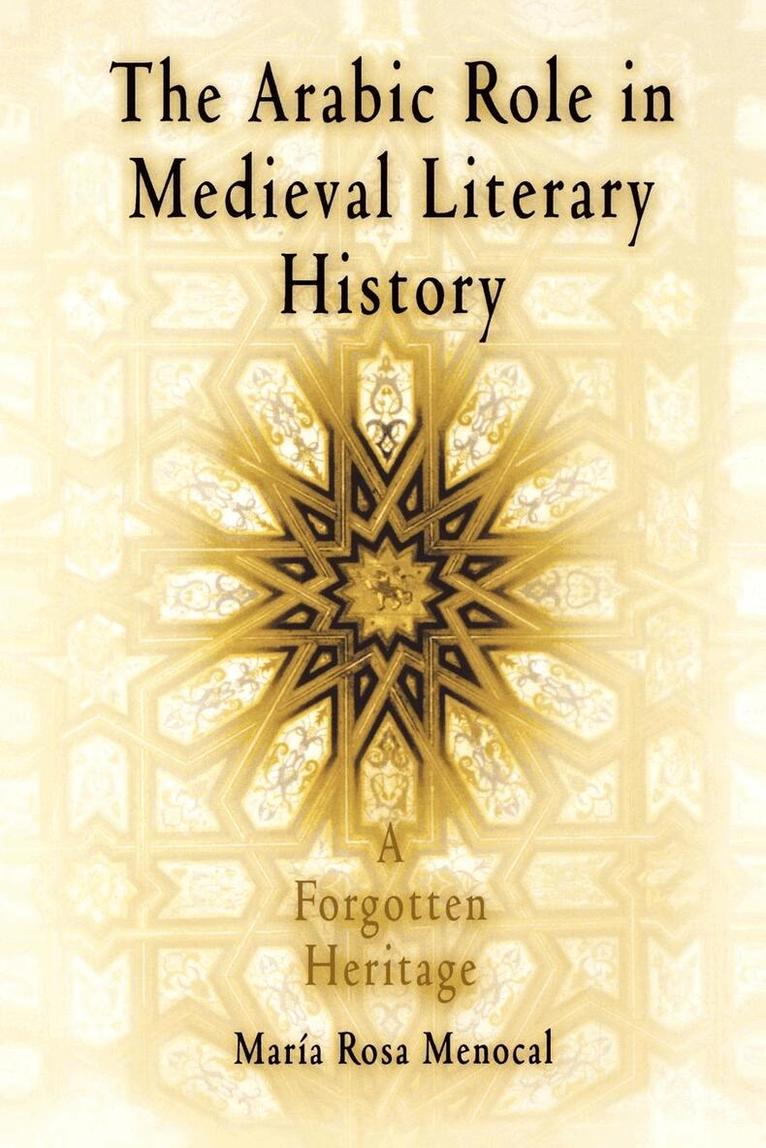
Arabic Role in Medieval Literary History
A Forgotten Heritage
E-bok, 2010
562 kr
Lägg i varukorg
Arabic culture was a central and shaping phenomenon in medieval Europe, yet its influence on medieval literature has been ignored or marginalized for the last two centuries. In this ground-breaking book, now returned to print with a new afterword by the author, MarÍa Rosa Menocal argues that major …
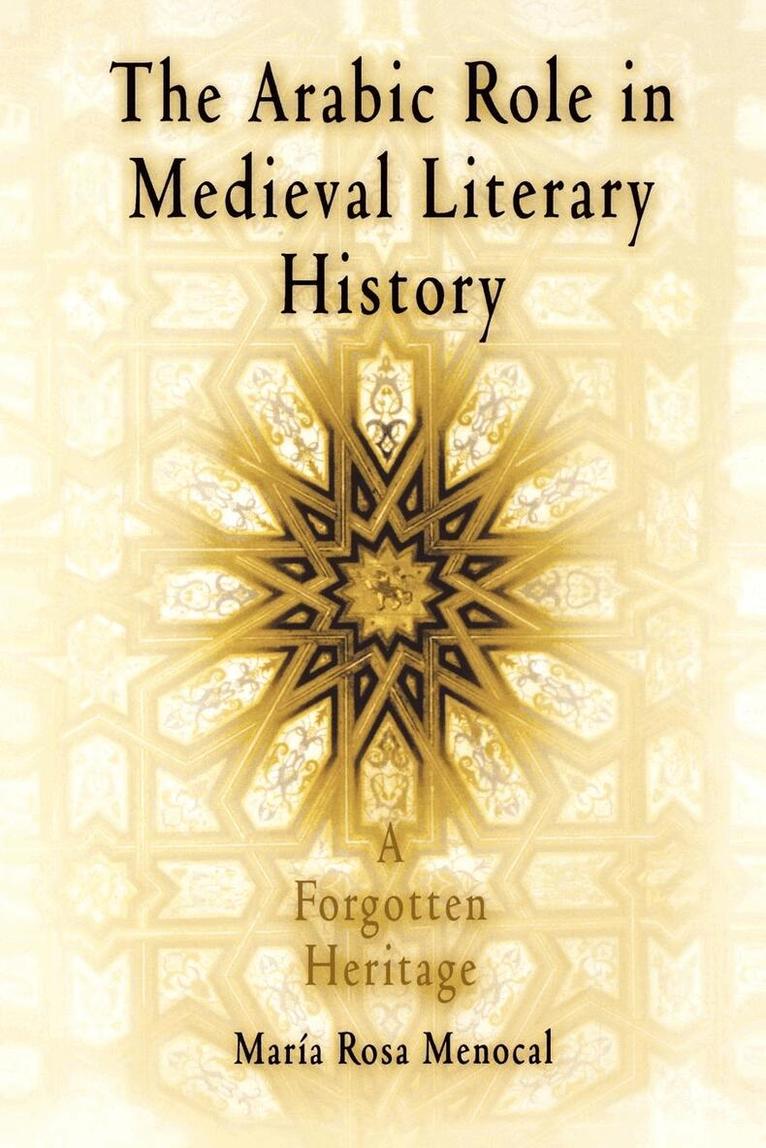
Arabic Role in Medieval Literary History
A Forgotten Heritage
Häftad, 1990
445 kr
Lägg i varukorg
Arabic culture was a central and shaping phenomenon in medieval Europe, yet its influence on medieval literature has been ignored or marginalized for the last two centuries. In this ground-breaking book, now returned to print with a new afterword by the author, MarÍa Rosa Menocal argues that major …
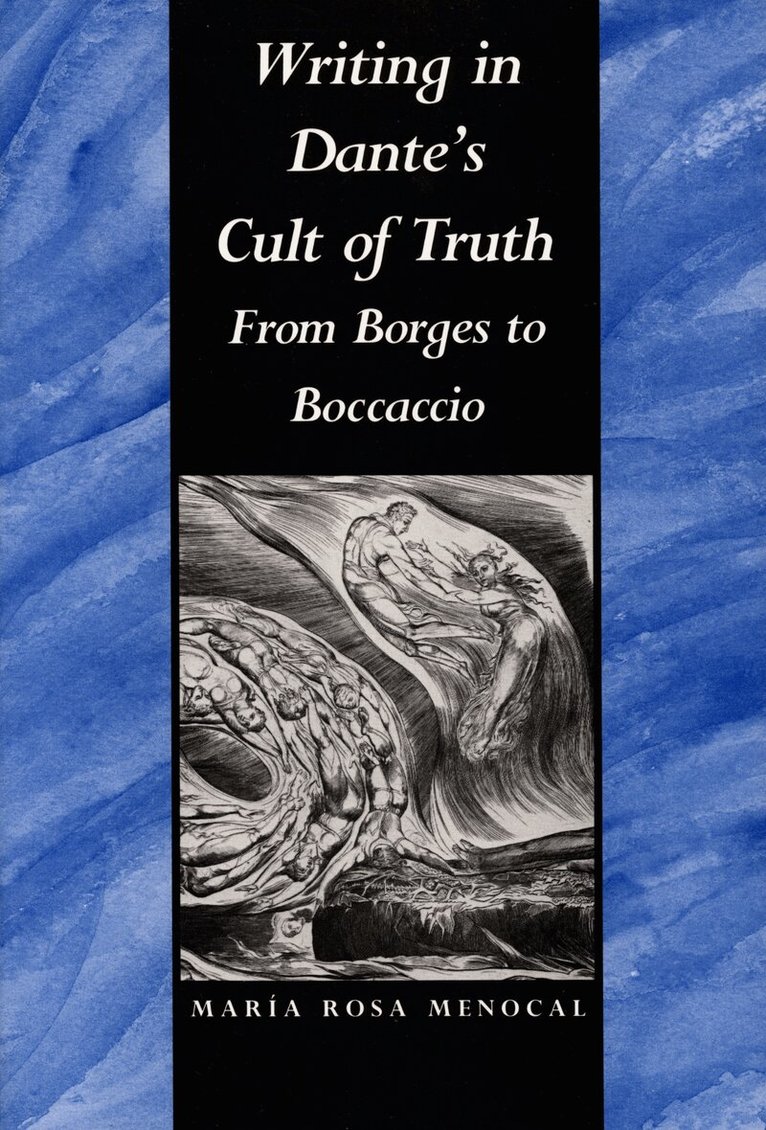
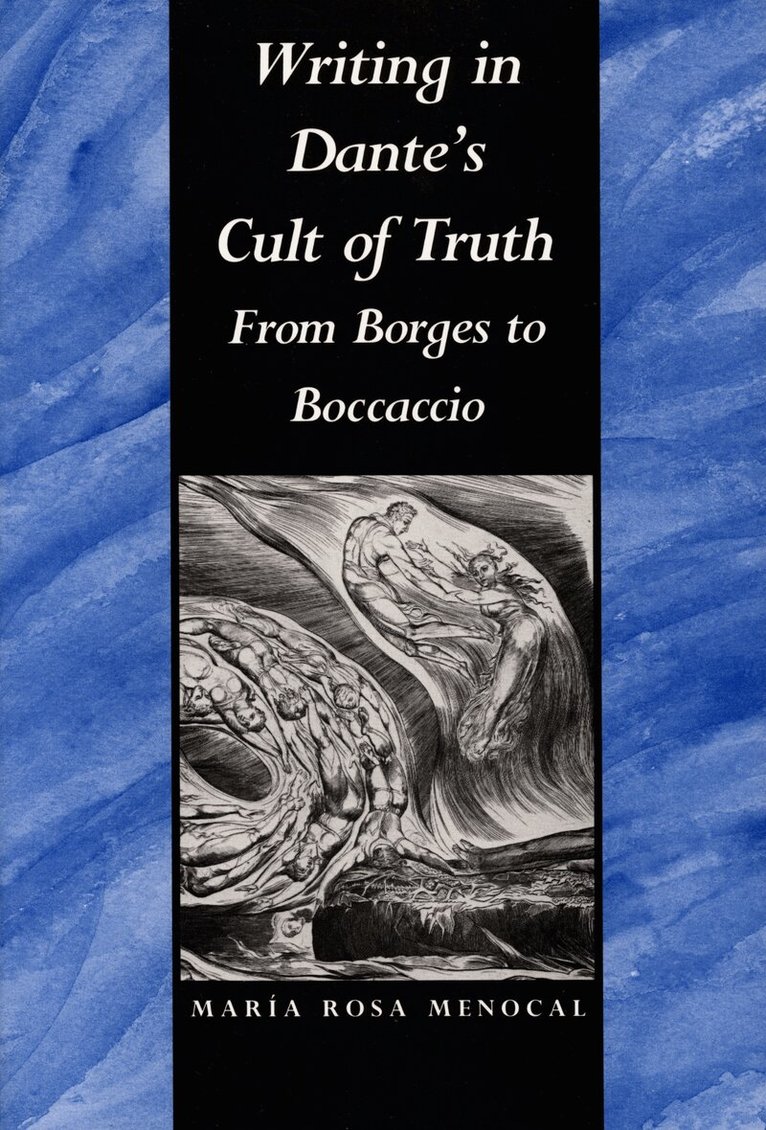
Writing in Dante's Cult of Truth
From Borges to Bocaccio
Häftad, 1991
393 kr
Lägg i varukorg
Using the works of Dante as its critical focus, MarÍa Rosa Menocal’s original and imaginative study examines questions of truth, ideology, and reality in poetry as they occur in a series of texts and in the relationship between those texts across time. In each case, Menocal raises theoretical …
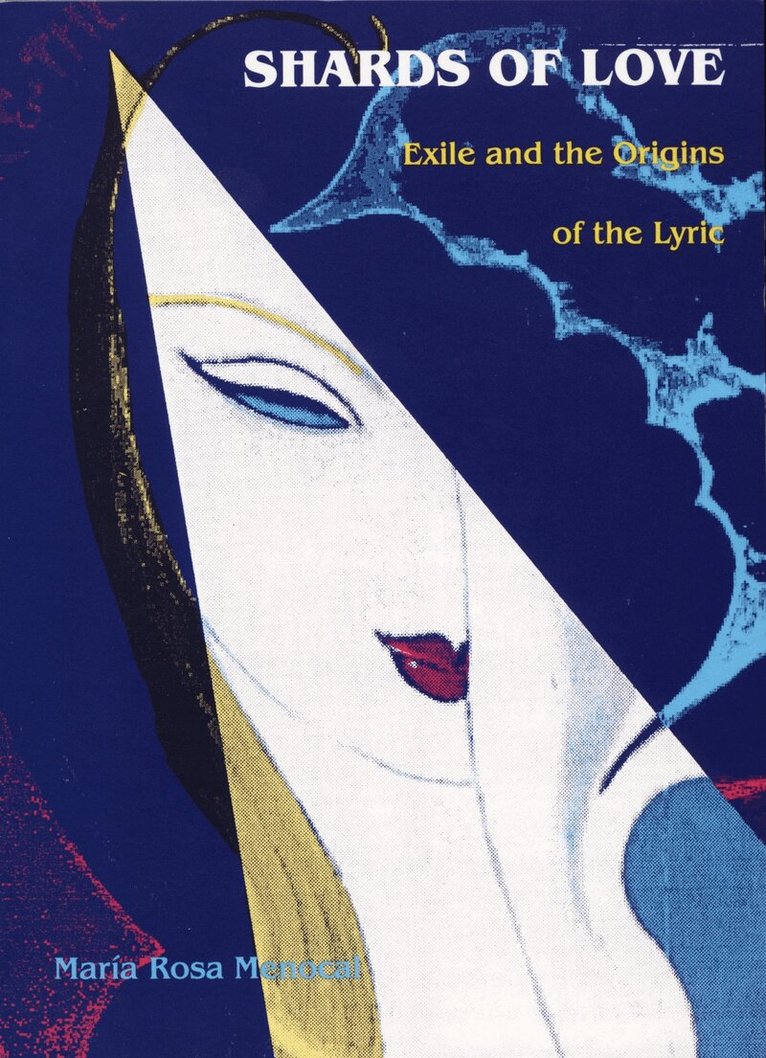
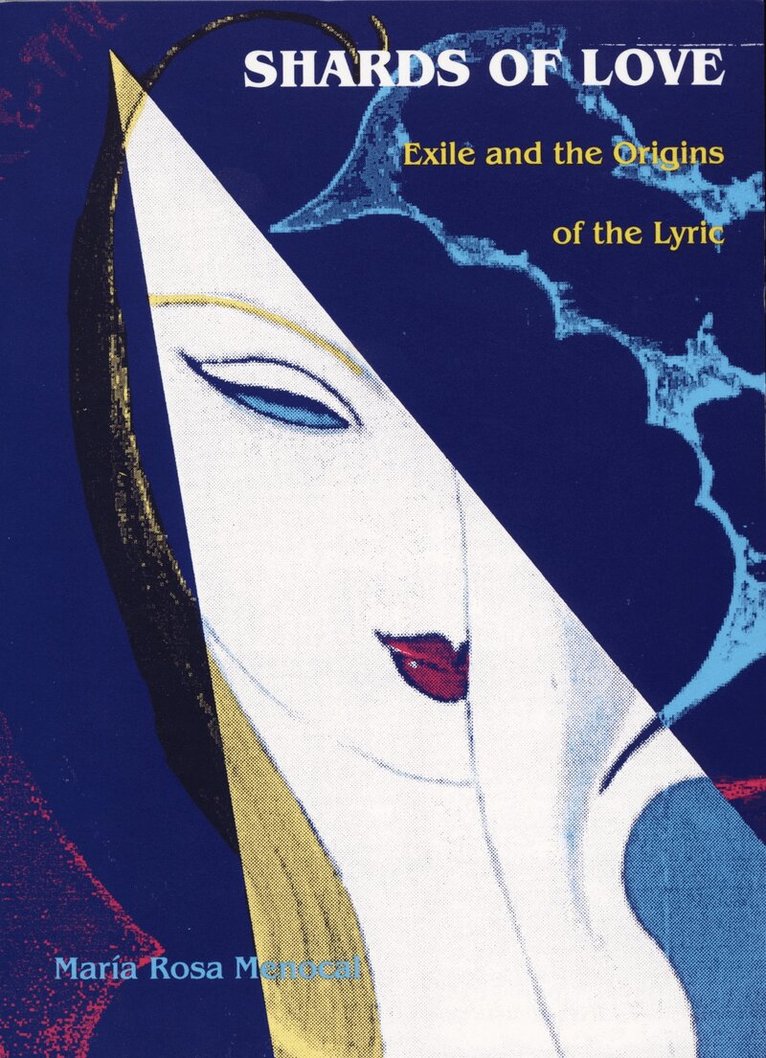
Shards of Love
Exile and the Origins of the Lyric
Häftad, 1993
441 kr
Lägg i varukorg
With the Spanish conquest of Islamic Granada and the expulsion of the Jews from Spain, the year 1492 marks the exile from Europe of crucial strands of medieval culture. It also becomes a symbolic marker for the expulsion of a diversity in language and grammar that was disturbing to the Renaissance …
Shards of Love
Exile and the Origins of the Lyric
E-bok, 1993
655 kr
Lägg i varukorg
With the Spanish conquest of Islamic Granada and the expulsion of the Jews from Spain, the year 1492 marks the exile from Europe of crucial strands of medieval culture. It also becomes a symbolic marker for the expulsion of a diversity in language and grammar that was disturbing to the Renaissance …
Writing in Dante's Cult of Truth
From Borges to Bocaccio
E-bok, 1991
580 kr
Lägg i varukorg
Using the works of Dante as its critical focus, María Rosa Menocal’s original and imaginative study examines questions of truth, ideology, and reality in poetry as they occur in a series of texts and in the relationship between those texts across time. In each case, Menocal raises theoretical …
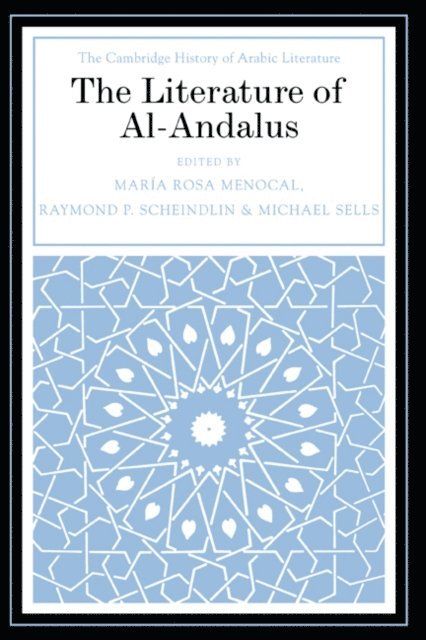
Literature of Al-Andalus
Av Michael Sells, Raymond P. Scheindlin m. fl.
E-bok, 2000
1818 kr
Lägg i varukorg
The Literature of Al-Andalus is an exploration of the culture of Iberia, present-day Spain and Portugal, during the period when it was an Islamic, mostly Arabic-speaking territory, from the eighth to the thirteenth century, and in the centuries following the Christian conquest when Arabic continued …
Literature of Al-Andalus
Av Michael Sells, Raymond P. Scheindlin m. fl.
E-bok, 2000
1818 kr
Lägg i varukorg
The Literature of Al-Andalus is an exploration of the culture of Iberia, present-day Spain and Portugal, during the period when it was an Islamic, mostly Arabic-speaking territory, from the eighth to the thirteenth century, and in the centuries following the Christian conquest when Arabic continued …
Arts of Intimacy
Christians, Jews, and Muslims in the Making of Castilian Culture
Av Jerrilynn D. Dodds, María Rosa Menocal m. fl.
Inbunden, 2008
410 kr
Tillfälligt slut
This splendidly illustrated book is a history of medieval Castile from the 11th to 14th centuries, told from a largely cultural standpoint. Whilst the political narrative of these centuries may emphasise war and intolerance - the inexorable forward march of the reconquista, the authors argue that …
Writing in Dante's Cult of Truth
From Borges to Bocaccio
Inbunden, 1991
1420 kr
Tillfälligt slut
Using the works of Dante as its critical focus, MarÍa Rosa Menocal’s original and imaginative study examines questions of truth, ideology, and reality in poetry as they occur in a series of texts and in the relationship between those texts across time. In each case, Menocal raises theoretical …
Shards of Love
Exile and the Origins of the Lyric
Inbunden, 1993
1516 kr
Tillfälligt slut
With the Spanish conquest of Islamic Granada and the expulsion of the Jews from Spain, the year 1492 marks the exile from Europe of crucial strands of medieval culture. It also becomes a symbolic marker for the expulsion of a diversity in language and grammar that was disturbing to the Renaissance …
Writing Without Footnotes: The Role of the Medievalist in Contemporary Intellectual Life
Bernardo Lecture Series, No. 10
Av Maria Rosa Menocal, Sandro Sticca
Häftad, 2001
262 kr
Tillfälligt slut
Argues that academics' intellectual engagement with a public beyond the walls of their own specialties, and even beyond the walls of the academy, was long a commonplace and significant part of the work of professors and writers in the humanities.Writing Without Footnotes: The Role of the …