Maria-Sophia Quine – författare
Visar alla böcker från författaren Maria-Sophia Quine. Handla med fri frakt och snabb leverans.
8 produkter
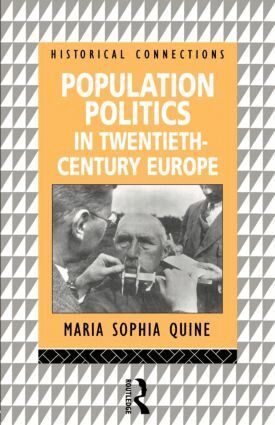
Population Politics in Twentieth Century Europe
Fascist Dictatorships and Liberal Democracies
Häftad, 1995
648 kr
Lägg i varukorg
Maria Sophia Quine demystifies the population policies of fascist regimes by looking at them in the wider context of how societies in general reacted to the profound economic changes brought by industrialization. Population Politics in Twentieth Century Europe:* provides an original, comparative …
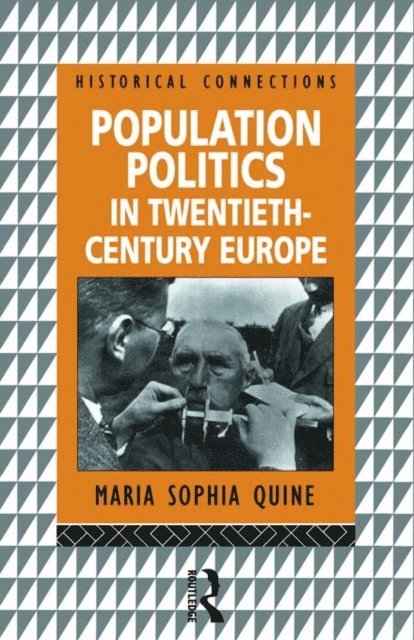
Population Politics in Twentieth Century Europe
Fascist Dictatorships and Liberal Democracies
E-bok, 2013
785 kr
Lägg i varukorg
Maria Sophia Quine demystifies the population policies of fascist regimes by looking at them in the wider context of how societies in general reacted to the profound economic changes brought by industrialization. Population Politics in Twentieth Century Europe: * provides an original, comparative …
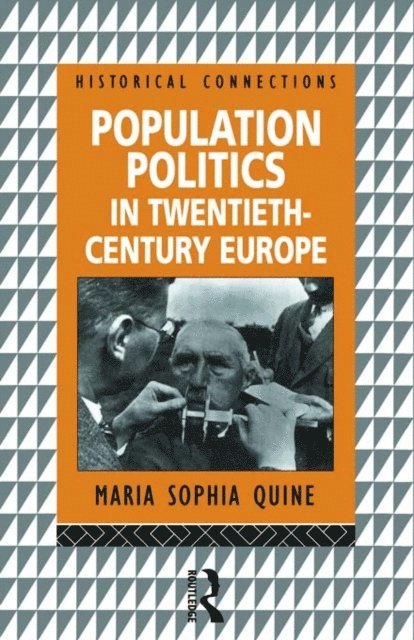
Population Politics in Twentieth Century Europe
Fascist Dictatorships and Liberal Democracies
E-bok, 2013
768 kr
Lägg i varukorg
Maria Sophia Quine demystifies the population policies of fascist regimes by looking at them in the wider context of how societies in general reacted to the profound economic changes brought by industrialization. Population Politics in Twentieth Century Europe: * provides an original, comparative …
Population Politics in Twentieth Century Europe
Fascist Dictatorships and Liberal Democracies
Inbunden, 2017
3067 kr
Lägg i varukorg
Maria Sophia Quine demystifies the population policies of fascist regimes by looking at them in the wider context of how societies in general reacted to the profound economic changes brought by industrialization. Population Politics in Twentieth Century Europe: provides an original, comparative …
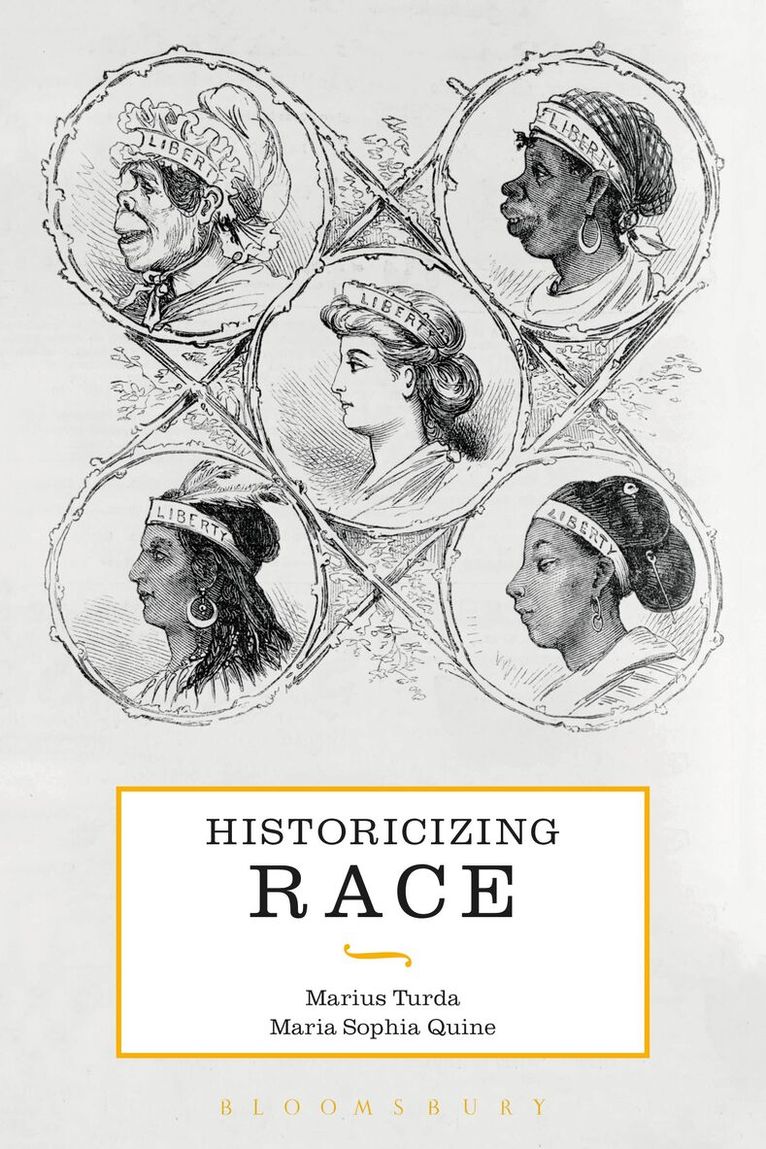
Historicizing Race
Av Marius Turda, Maria Sophia Quine
Häftad, 2018
401 kr
Lägg i varukorg
The idea of race may be outdated, as many commentators and scholars, working in a broad range of different fields in the sciences and humanities, have argued over many years. Nevertheless, it remains one of the most persistent forms of human classification. Theories of race primitivism (the idea …
Historicizing Race
Av Marius Turda, Maria Sophia Quine
E-bok, 2018
420 kr
Lägg i varukorg
The idea of race may be outdated, as many commentators and scholars, working in a broad range of different fields in the sciences and humanities, have argued over many years. Nevertheless, it remains one of the most persistent forms of human classification. Theories of race primitivism (the idea …
Historicizing Race
Av Marius Turda, Maria Sophia Quine
E-bok, 2018
424 kr
Lägg i varukorg
The idea of race may be outdated, as many commentators and scholars, working in a broad range of different fields in the sciences and humanities, have argued over many years. Nevertheless, it remains one of the most persistent forms of human classification. Theories of race primitivism (the idea …
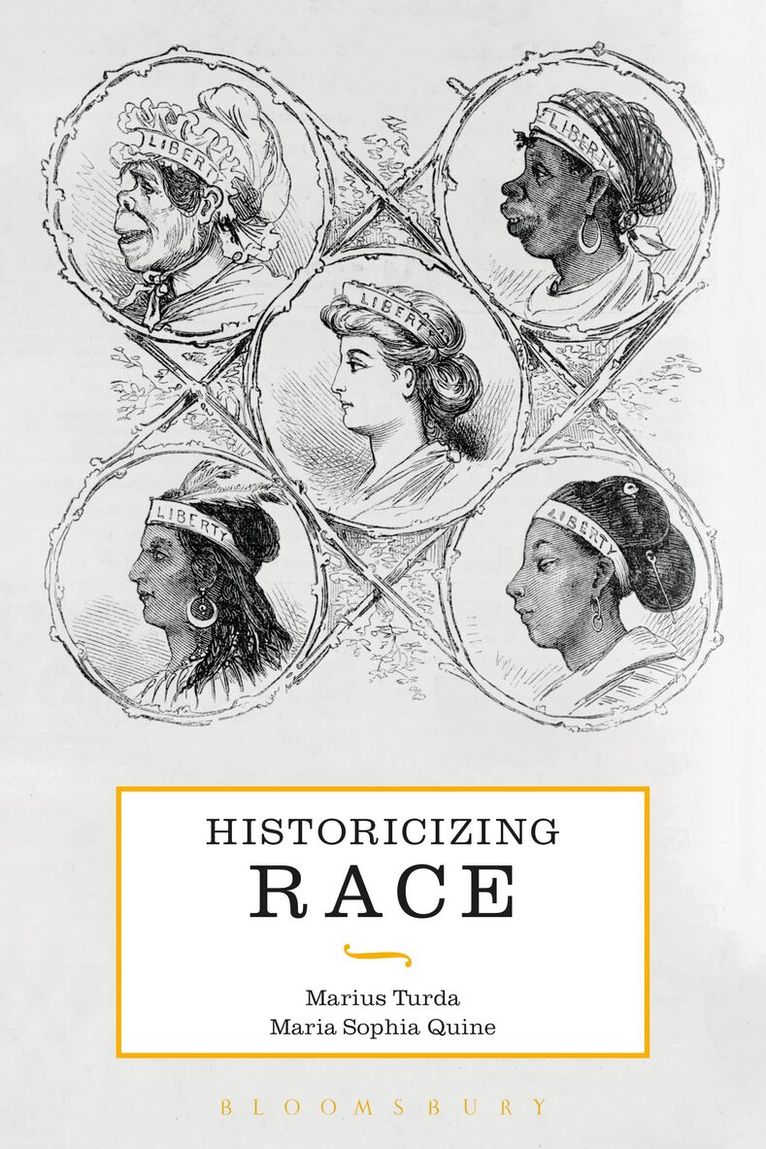
Historicizing Race
Av Marius Turda, Maria Sophia Quine
Inbunden, 2018
1393 kr
Lägg i varukorg
What led so many intellectuals, politicians and scientists to believe in, and insist on, the existence of race? In exploring this question this book examines themes in the history of race, including nationalism, imperialism, colonialism, eugenics, biopolitics, fascism, Nazism and communism, from …