Marian Mikolajczyk – författare
Visar alla böcker från författaren Marian Mikolajczyk. Handla med fri frakt och snabb leverans.
7 produkter
7 produkter
Inbunden, Engelska, 1998
1 633 kr
Skickas inom 10-15 vardagar
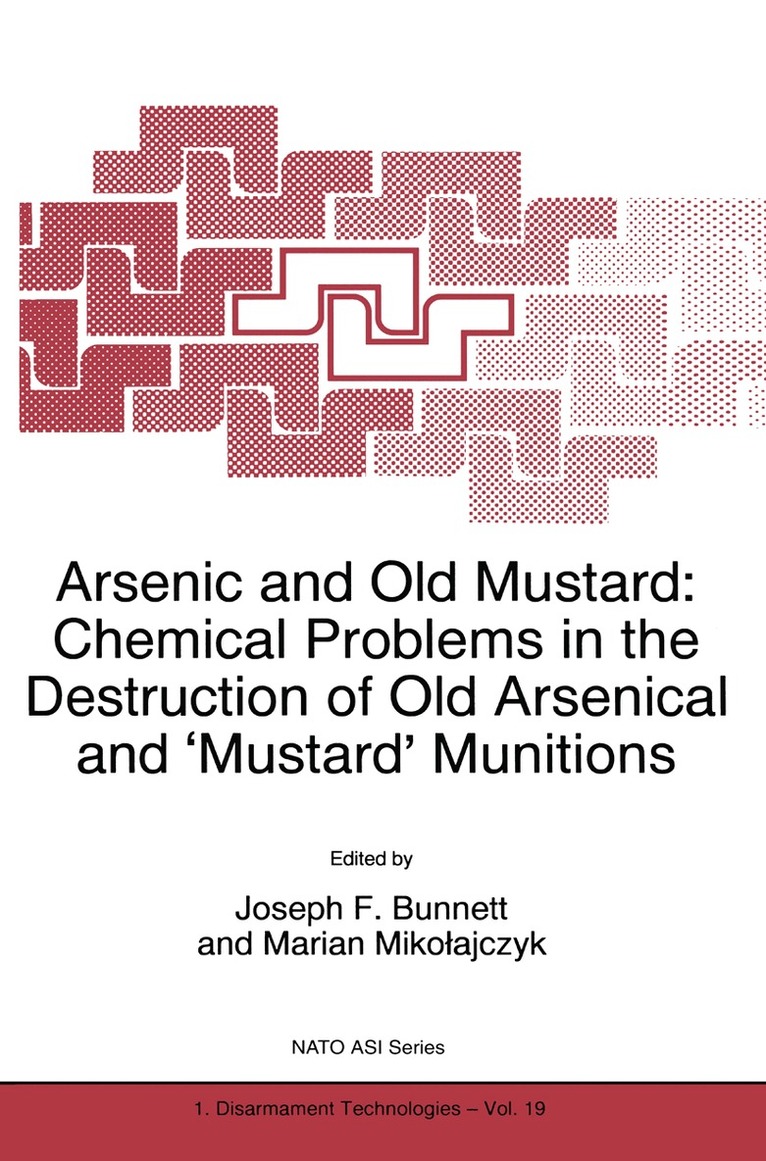
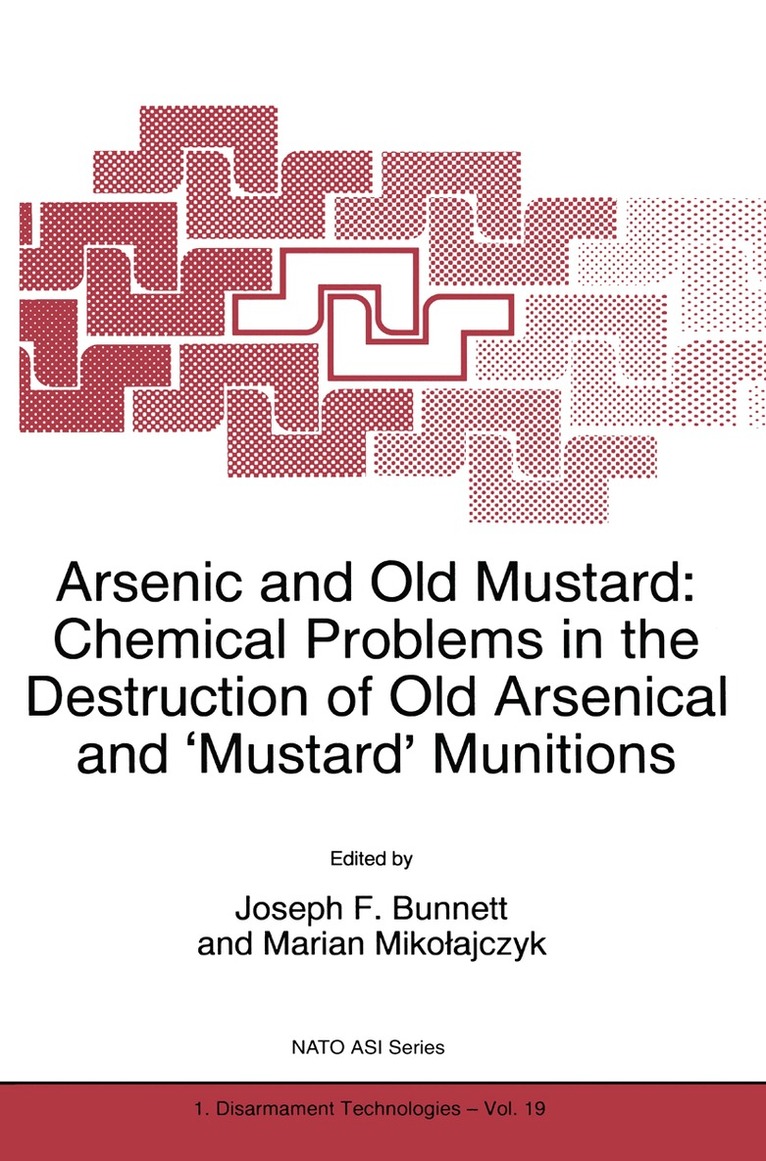
More than ten million "poison gas" shells, mortar bombs and so forth, lie hidden in Europe, many of them relics from World War I. Some were fired and failed to detonate, others were abandoned in old ammunition dumps. Most retain their load of chemical warfare (CW) agents. They are turned up daily in the course of farming and construction. Many European nations have permanent departments concerned with their collection and destruction. Old munitions, when discovered, are usually heavily corroded and difficult to identify. Is it a CW munition? Or an explosive? If CW, what agent does it contain? Once identified, one has to select a destruction method. Some of the methods that have been proposed are less than perfect, and are often complicated by the presence of extraneous chemicals, either mixed with the CW agents during manufacture or formed over decades in the ground. Of particular interest should be the insiders' reports on the German CW programmes of both World Wars, and the current status of Russian chemical armaments.
Del 33 - NATO Science Partnership Subseries: 1
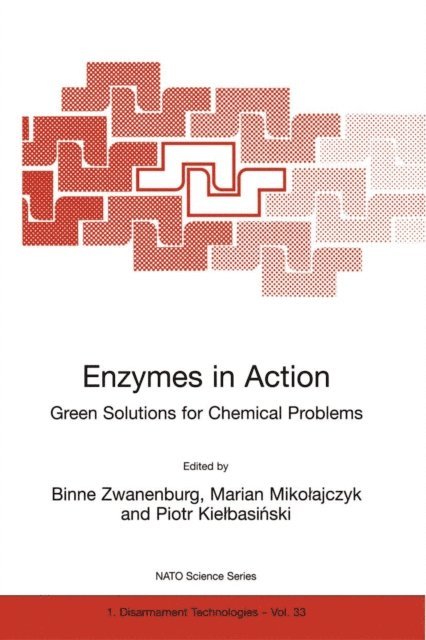
Enzymes in Action Green Solutions for Chemical Problems
Häftad, Engelska, 2001
549 kr
Skickas inom 10-15 vardagar
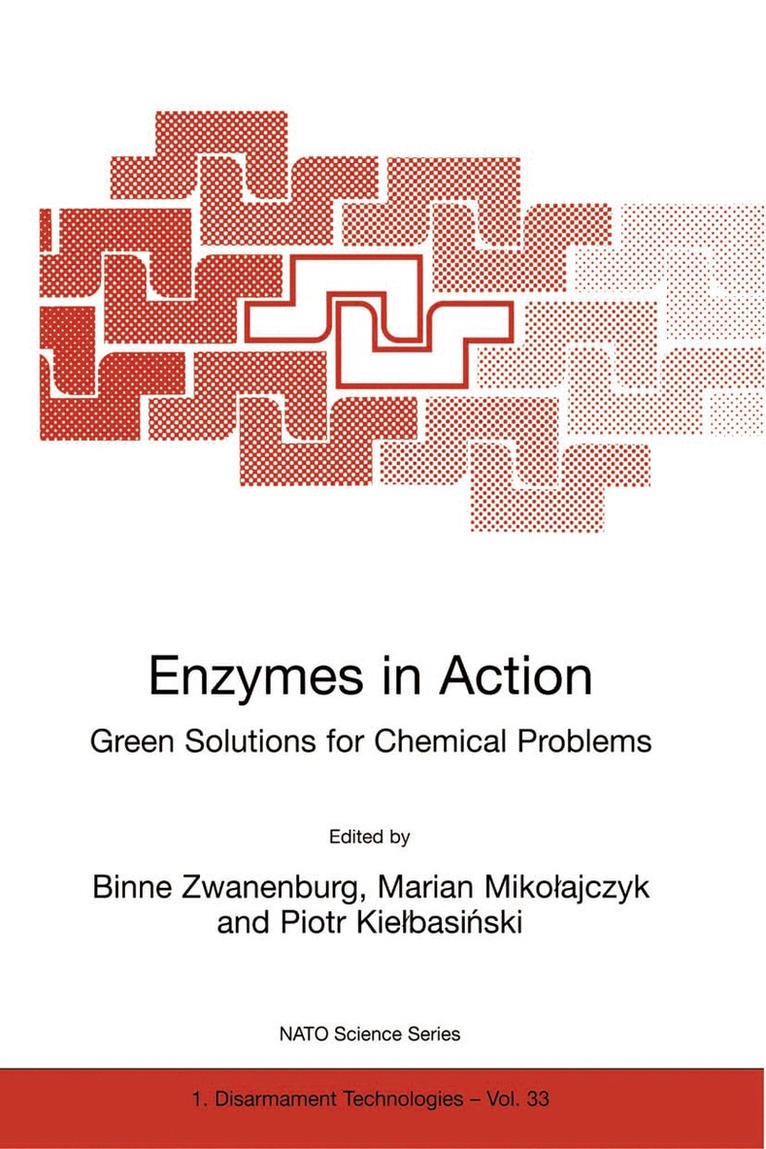
Enzymes in Action is a timely survey of a modern development in organic chemistry. It is clear that bioreagents demand that organic chemists think in a different way. If they do so, they will open up new avenues of exciting, new chemistry that will permit problems to be solved in an elegant way. The first section covers the concepts necessary to understand enzymes in molecular operations. The second section covers heteroatom enzyme chemistry, with considerable attention being given to the use of enzymes in the detoxification of chemical warfare agents and their application in environmental problems. The final section highlights the strategic use of enzymes in organic chemistry. It is clear that the term `green chemistry' is appropriate, since enzyme mediated processes occur under mild, environmentally benign conditions, and enzymes enable chemists to perform new chemical operations that would otherwise be difficult to achieve at all.
E-bok
PDF, Engelska, 2025471 kr
Läs direkt efter köp
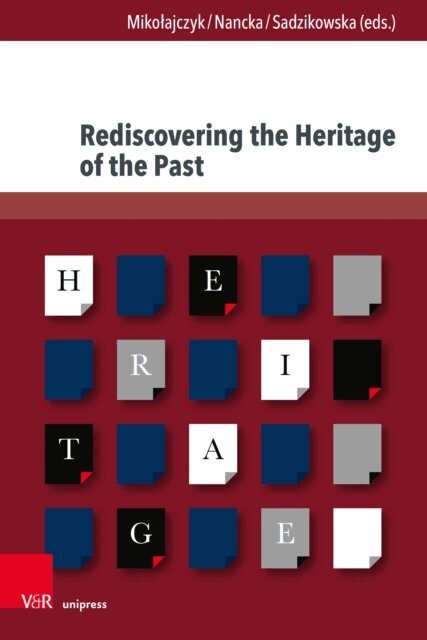
The contributions included in this volume address issues related to contemporary problems of publishing archival sources, legal aspects of access to archival sources created in the 20th century, electronic documents - their mass nature, peculiarities and gaps in the 20th century documentation, as well as sources serving to transfer values and knowledge between generations. The subject of the articles is the description of a wide spectrum of issues concerning the everyday lives of prominent individuals and the documentation thereof. It is imperative to acknowledge the foundational significance of this element in the context of civilisation's evolution, the shaping of international relations, and the dynamics of geopolitics.
Inbunden, Engelska, 2025
592 kr
Skickas inom 3-6 vardagar
Häftad, Engelska, 2010
1 633 kr
Skickas inom 10-15 vardagar
More than ten million `poison gas' shells, mortar bombs, etc., lie hidden in Europe, many of them relics from World War I. Some were fired and failed to detonate, others were abandoned in old ammunition dumps. Most retain their load of chemical warfare (CW) agents. They are turned up daily in the course of farming and construction. Many European nations have permanent departments concerned with their collection and destruction. Old munitions, when discovered, are usually heavily corroded and difficult to identify. Is it a CW munition? Or an explosive? If CW, what agent does it contain? Once identified, one has to select a destruction method. Some of the methods that have been proposed are less than perfect, and are often complicated by the presence of extraneous chemicals, either mixed with the CW agents during manufacture or formed over decades in the ground. Of particular interest are the insiders' reports on the German CW programmes of both World Wars, and the current status of Russian chemical armaments.
E-bok
PDF, Engelska, 2012687 kr
Läs direkt efter köp
Enzymes in Action is a timely survey of a modern development in organic chemistry. It is clear that bioreagents demand that organic chemists think in a different way. If they do so, they will open up new avenues of exciting, new chemistry that will permit problems to be solved in an elegant way. The first section covers the concepts necessary to understand enzymes in molecular operations. The second section covers heteroatom enzyme chemistry, with considerable attention being given to the use of enzymes in the detoxification of chemical warfare agents and their application in environmental problems. The final section highlights the strategic use of enzymes in organic chemistry. It is clear that the term `green chemistry'' is appropriate, since enzyme mediated processes occur under mild, environmentally benign conditions, and enzymes enable chemists to perform new chemical operations that would otherwise be difficult to achieve at all.
E-bok
PDF, Engelska, 20131 977 kr
Läs direkt efter köp
More than ten million `poison gas'' shells, mortar bombs, etc., lie hidden in Europe, many of them relics from World War I. Some were fired and failed to detonate, others were abandoned in old ammunition dumps. Most retain their load of chemical warfare (CW) agents. They are turned up daily in the course of farming and construction. Many European nations have permanent departments concerned with their collection and destruction. Old munitions, when discovered, are usually heavily corroded and difficult to identify. Is it a CW munition? Or an explosive? If CW, what agent does it contain? Once identified, one has to select a destruction method. Some of the methods that have been proposed are less than perfect, and are often complicated by the presence of extraneous chemicals, either mixed with the CW agents during manufacture or formed over decades in the ground. Of particular interest are the insiders'' reports on the German CW programmes of both World Wars, and the current status of Russian chemical armaments.