
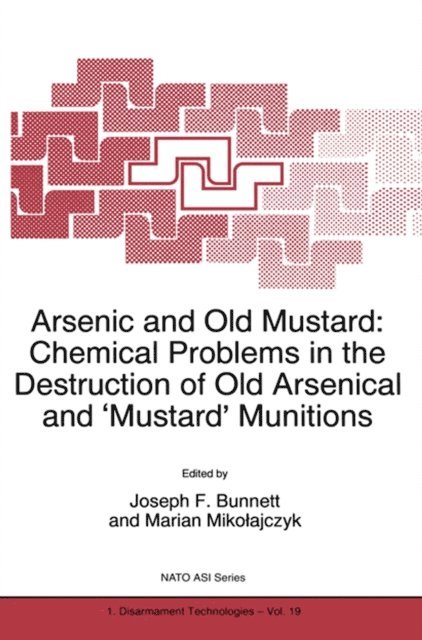
Arsenic and Old Mustard: Chemical Problems in the Destruction of Old Arsenical and `Mustard' Munitions
Marian Mikolajczyk, J.F. Bunnett
E-bok
20132 044 kr
AvJ.F. Bunnett,Marian Mikolajczyk
Del 19 i serien NATO Science Partnership Subseries: 1
1 653 kr
Beställningsvara. Skickas inom 10-15 vardagar. Fri frakt över 249 kr.
Marian Mikolajczyk, J.F. Bunnett
2 044 kr
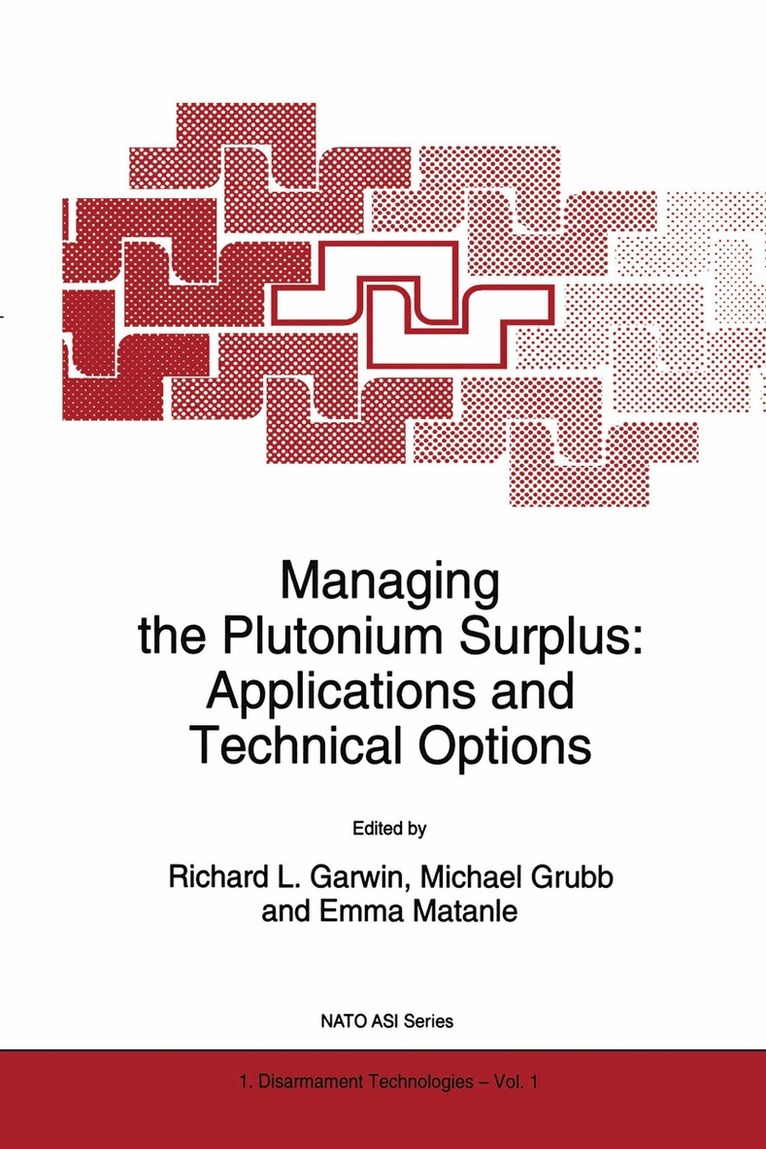
Richard L. Garwin, M.J. Grubb, Emma Matanle
Inbunden, 1994
1 102 kr
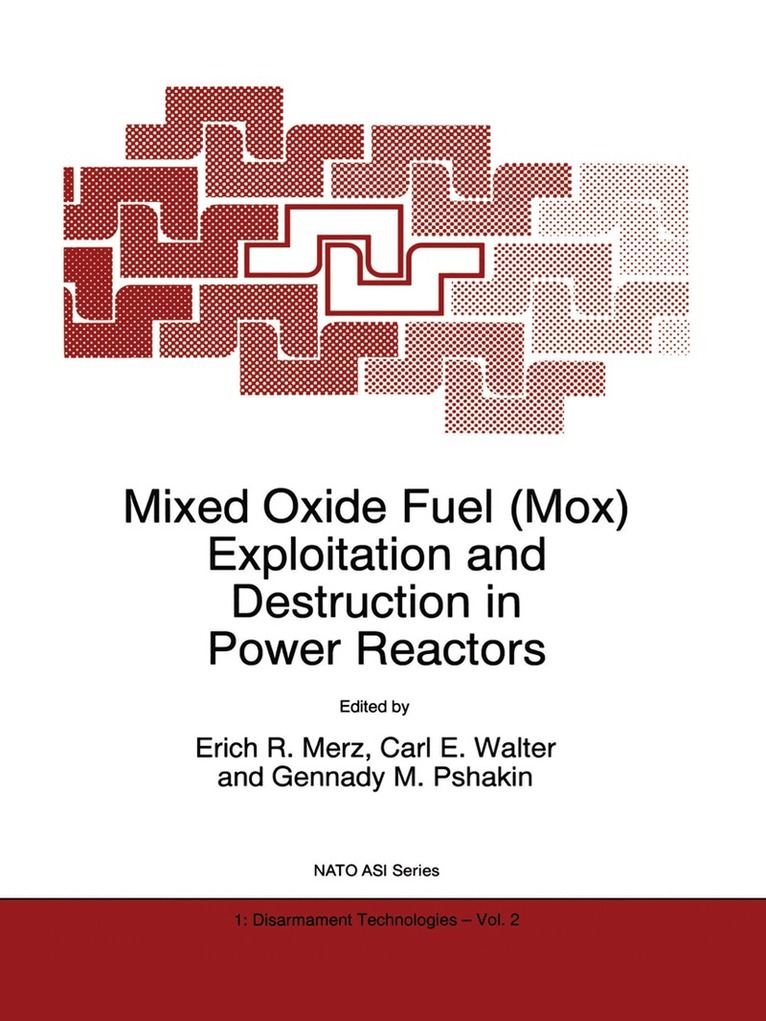
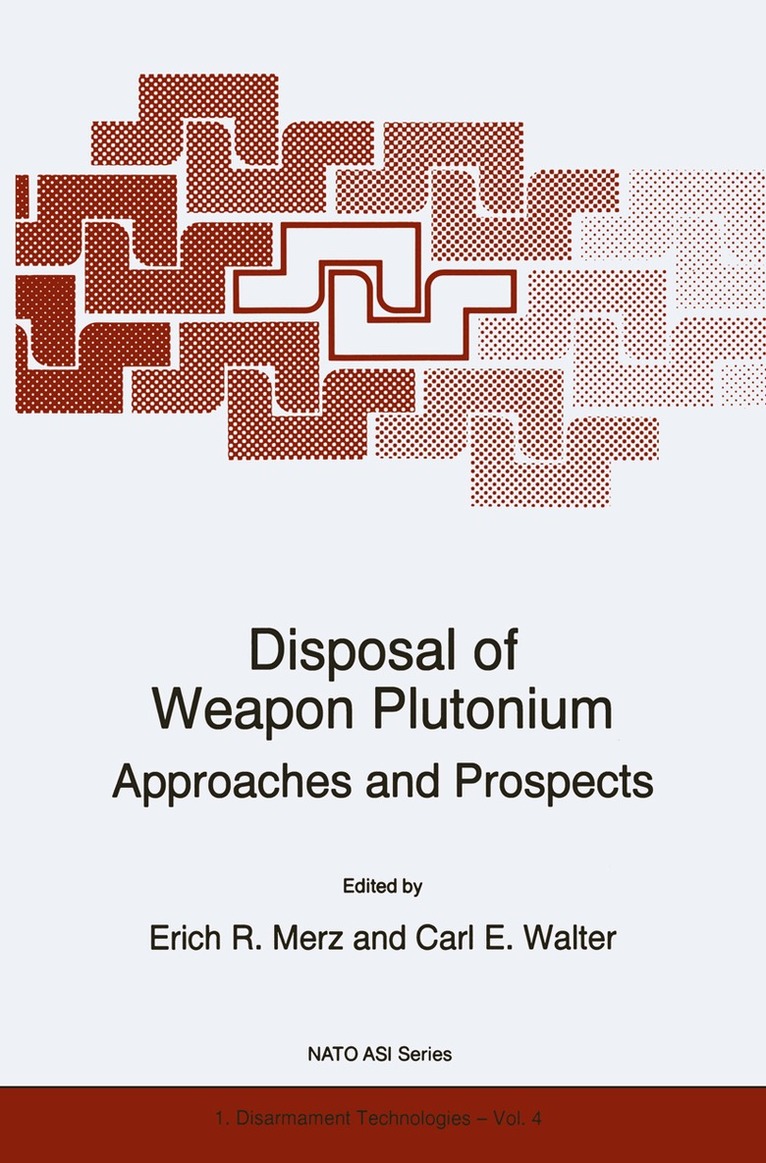
E.R. Merz, Carl E. Walter, Gennady M. Pshakin
Inbunden, 1995
1 649 kr
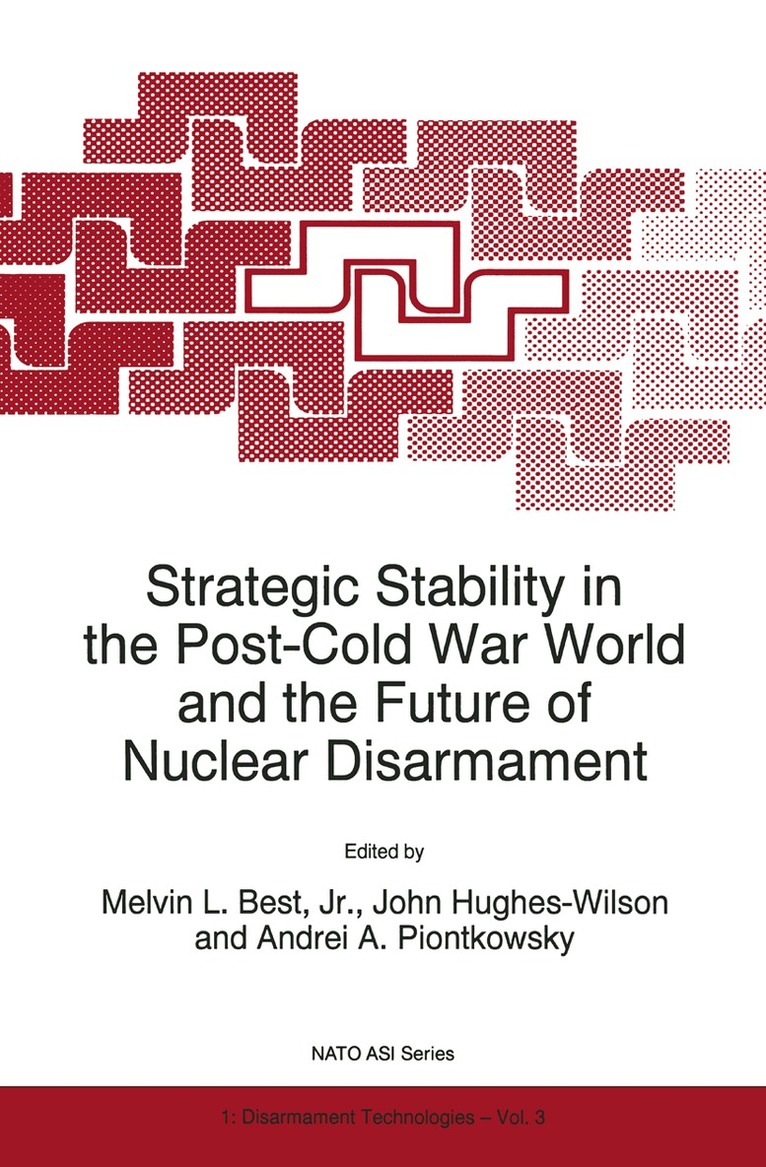
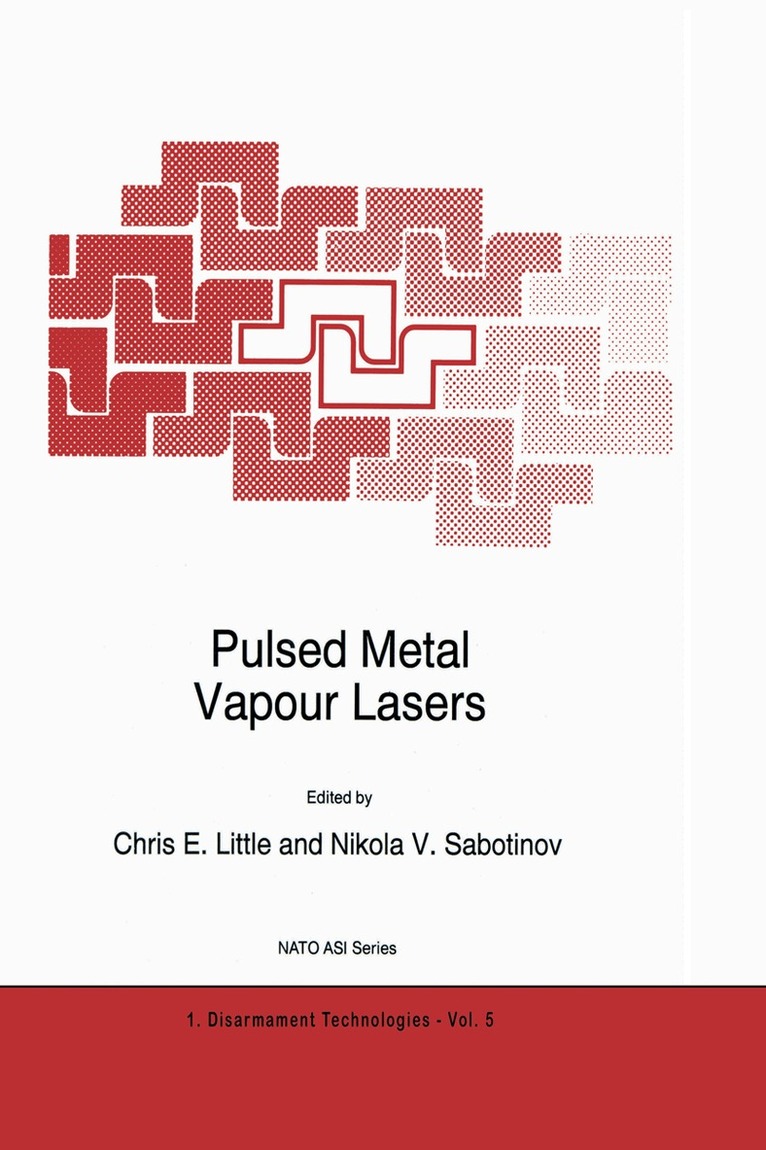
Melvin L. Best, Jr., John Hughes-Wilson, Andrei A. Piontkowsky
Inbunden, 1995
2 262 kr
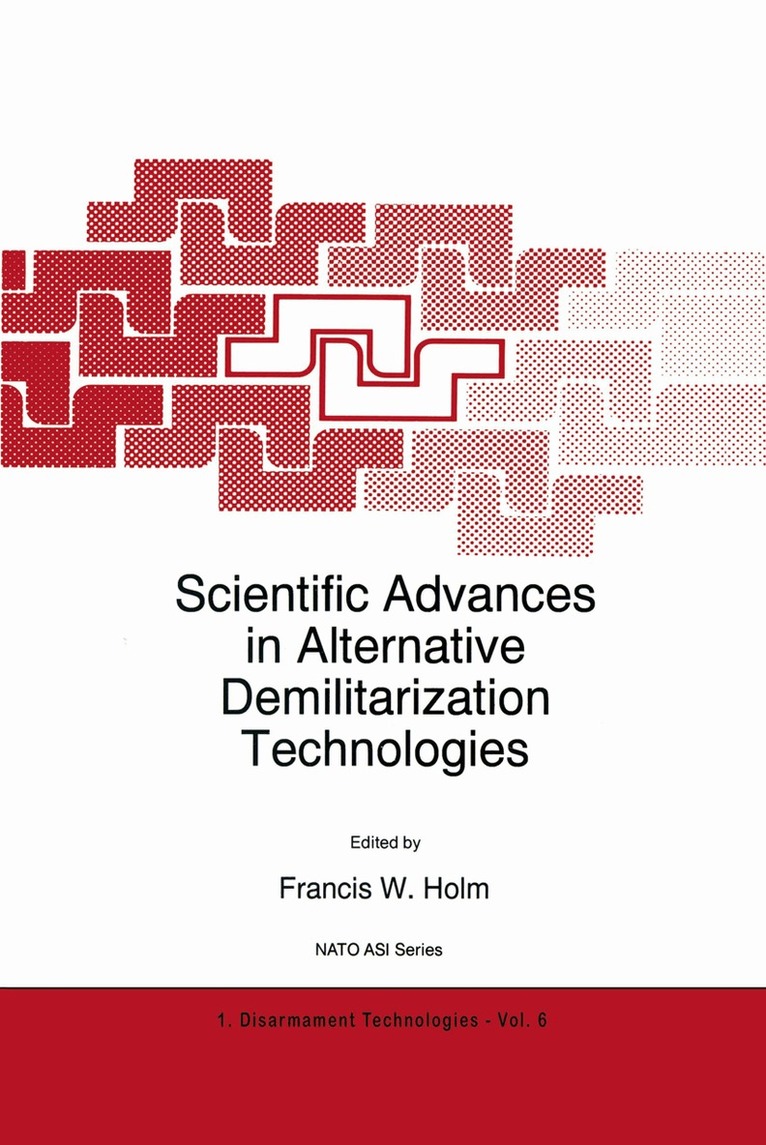
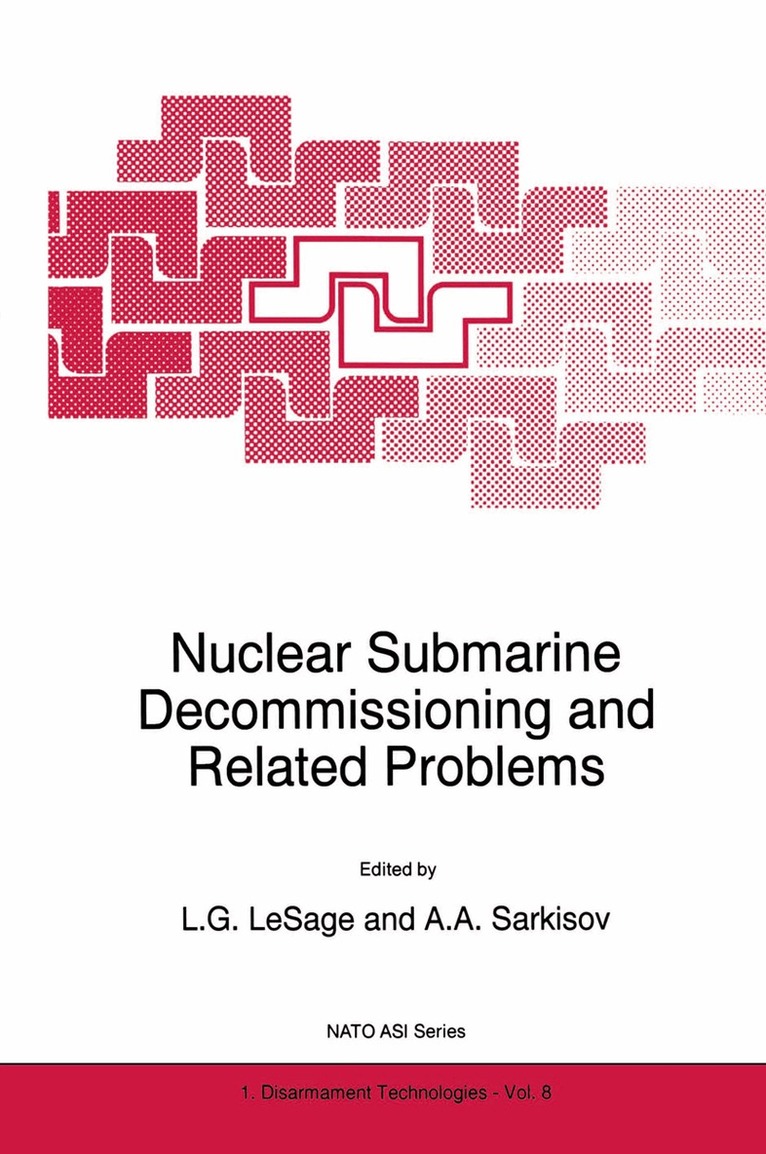
L.G. LeSage, Ashot A. Sarkisov
Inbunden, 1996
2 197 kr
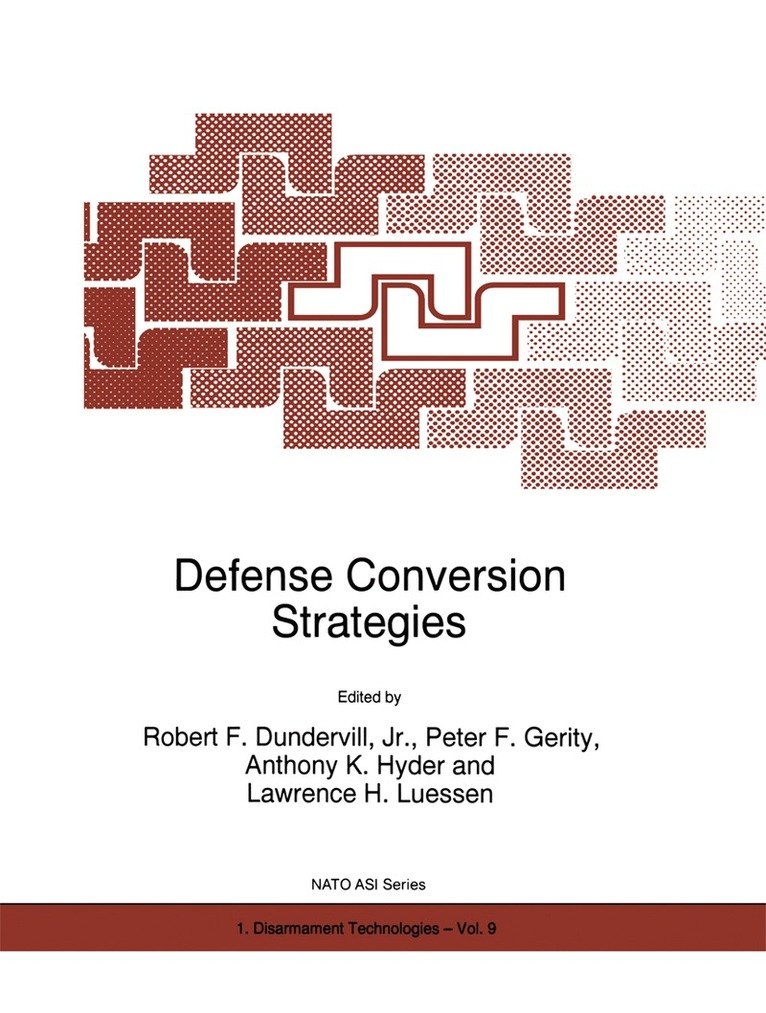
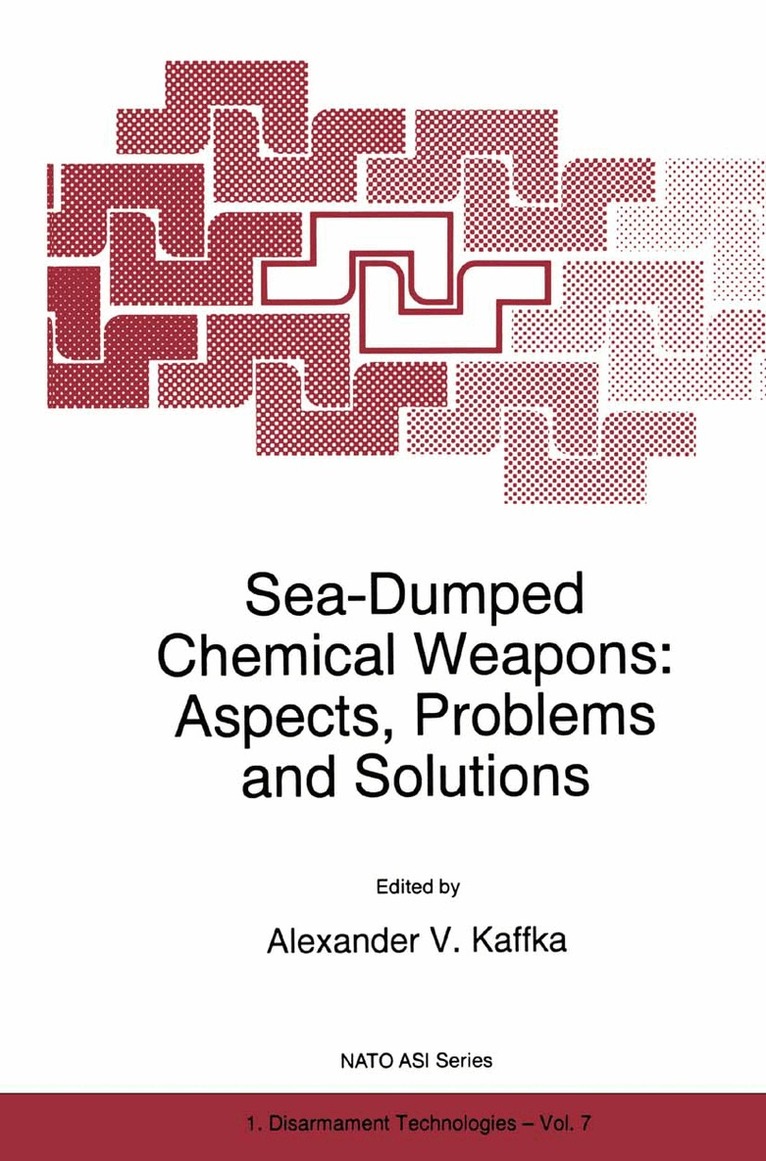
Robert E. Dundervill, Jr., Peter F. Gerity, Anthony K. Hyder, Lawrence H. Luessen
Inbunden, 1996
3 291 kr
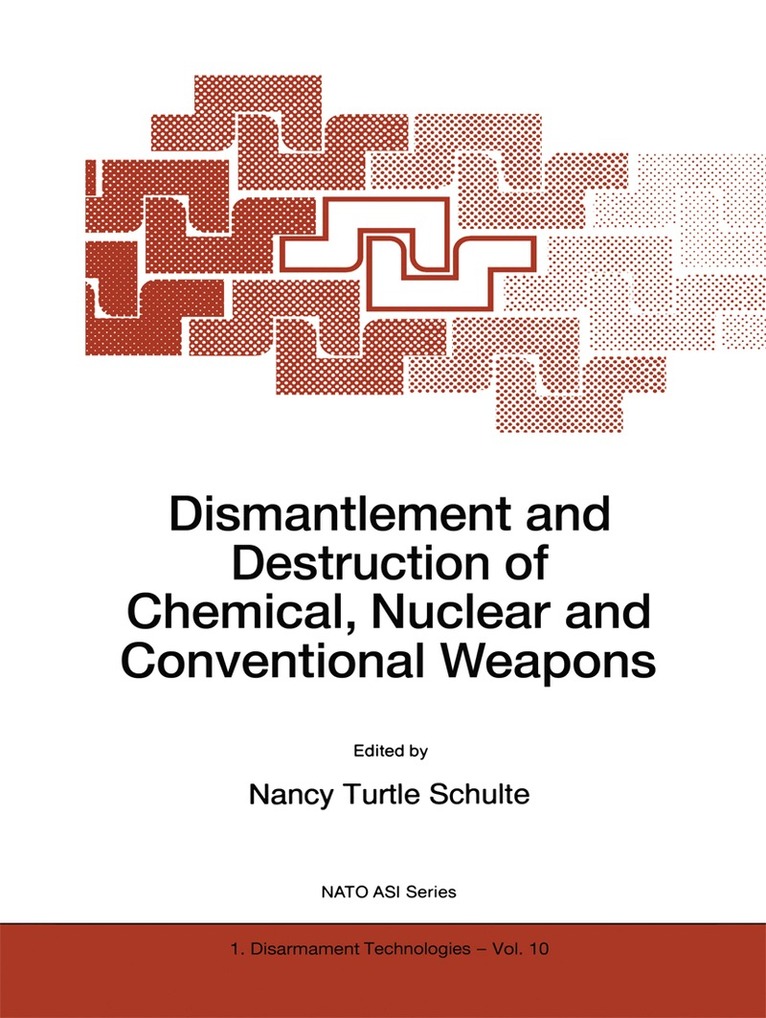
N. Schulte
Inbunden, 1997
1 649 kr

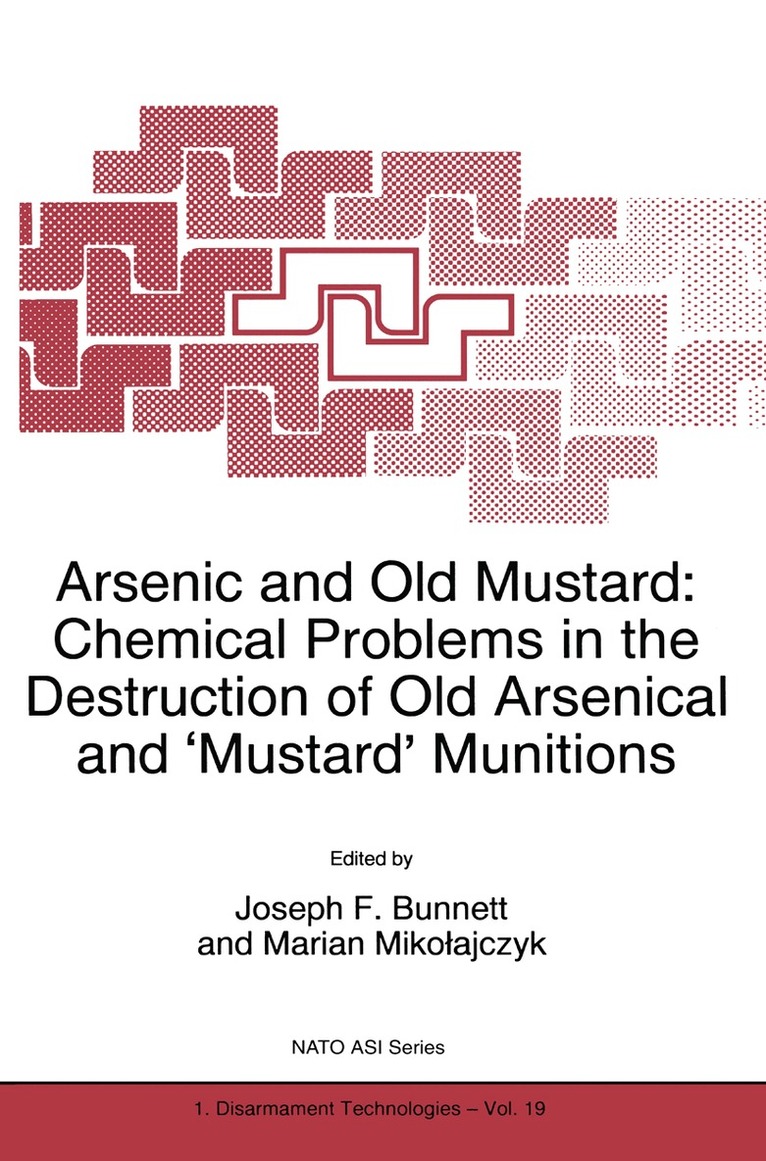
J.F. Bunnett, Marian Mikolajczyk
Inbunden, 1998
1 649 kr
Marian Mikolajczyk, J.F. Bunnett
2 044 kr
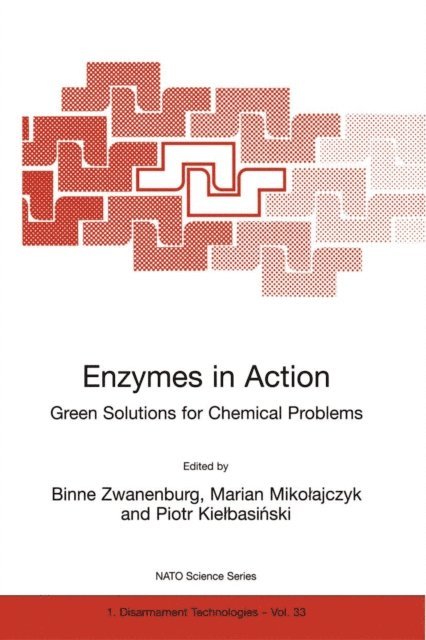
Piotr Kielbasinski, Marian Mikolajczyk, Binne Zwanenburg
710 kr


Lucyna Sadzikowska, Grzegorz Nancka, Marian Mikolajczyk
491 kr
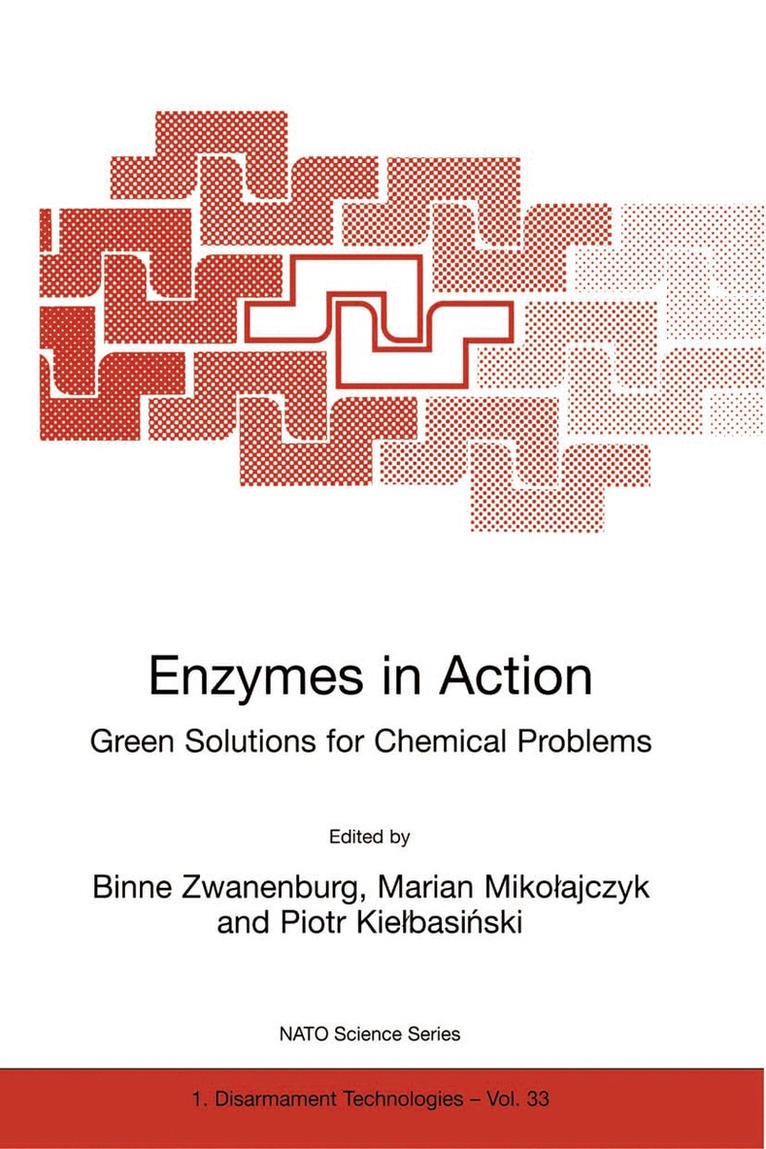
Binne Zwanenburg, Marian Mikolajczyk, Piotr Kielbasinski
Häftad, 2001
554 kr


AvJ.F. Bunnett,Marian Mikolajczyk
Del 19 i serien NATO Science Partnership Subseries: 1
1 653 kr
Beställningsvara. Skickas inom 10-15 vardagar. Fri frakt över 249 kr.
Marian Mikolajczyk, J.F. Bunnett
2 044 kr
Richard L. Garwin, M.J. Grubb, Emma Matanle
Inbunden, 1994
1 102 kr
E.R. Merz, Carl E. Walter, Gennady M. Pshakin
Inbunden, 1995
1 649 kr
Melvin L. Best, Jr., John Hughes-Wilson, Andrei A. Piontkowsky
Inbunden, 1995
2 262 kr
L.G. LeSage, Ashot A. Sarkisov
Inbunden, 1996
2 197 kr
Robert E. Dundervill, Jr., Peter F. Gerity, Anthony K. Hyder, Lawrence H. Luessen
Inbunden, 1996
3 291 kr
N. Schulte
Inbunden, 1997
1 649 kr
J.F. Bunnett, Marian Mikolajczyk
Inbunden, 1998
1 649 kr
Marian Mikolajczyk, J.F. Bunnett
2 044 kr
Piotr Kielbasinski, Marian Mikolajczyk, Binne Zwanenburg
710 kr
Lucyna Sadzikowska, Grzegorz Nancka, Marian Mikolajczyk
491 kr
Binne Zwanenburg, Marian Mikolajczyk, Piotr Kielbasinski
Häftad, 2001
554 kr
AvJ.F. Bunnett,Marian Mikolajczyk
Del 19 i serien NATO Science Partnership Subseries: 1
1 653 kr
Beställningsvara. Skickas inom 10-15 vardagar. Fri frakt över 249 kr.
Marian Mikolajczyk, J.F. Bunnett
2 044 kr
Richard L. Garwin, M.J. Grubb, Emma Matanle
Inbunden, 1994
1 102 kr
E.R. Merz, Carl E. Walter, Gennady M. Pshakin
Inbunden, 1995
1 649 kr
Melvin L. Best, Jr., John Hughes-Wilson, Andrei A. Piontkowsky
Inbunden, 1995
2 262 kr
L.G. LeSage, Ashot A. Sarkisov
Inbunden, 1996
2 197 kr
Robert E. Dundervill, Jr., Peter F. Gerity, Anthony K. Hyder, Lawrence H. Luessen
Inbunden, 1996
3 291 kr
N. Schulte
Inbunden, 1997
1 649 kr
J.F. Bunnett, Marian Mikolajczyk
Inbunden, 1998
1 649 kr
Marian Mikolajczyk, J.F. Bunnett
2 044 kr
Piotr Kielbasinski, Marian Mikolajczyk, Binne Zwanenburg
710 kr
Lucyna Sadzikowska, Grzegorz Nancka, Marian Mikolajczyk
491 kr
Binne Zwanenburg, Marian Mikolajczyk, Piotr Kielbasinski
Häftad, 2001
554 kr