Marianna Pavlovskaya - Böcker
Visar alla böcker från författaren Marianna Pavlovskaya. Handla med fri frakt och snabb leverans.
4 produkter
4 produkter
2 370 kr
Skickas inom 10-15 vardagar
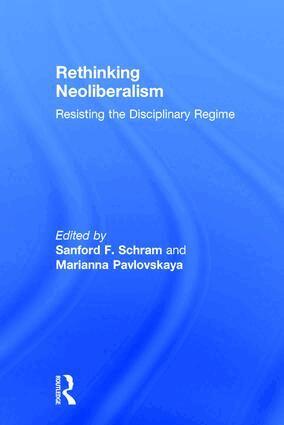
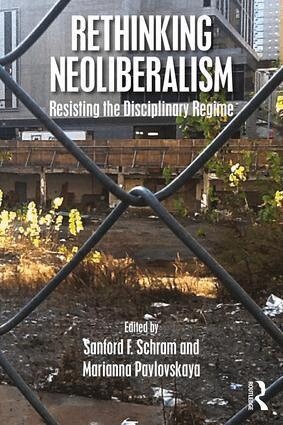
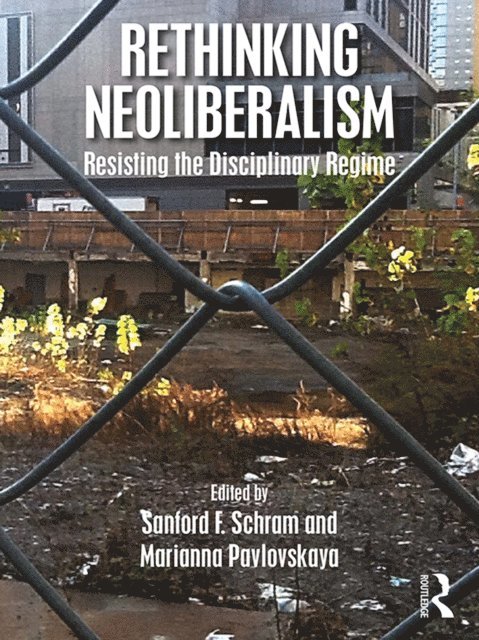
Neoliberalism remains a flashpoint for political contestation around the world. For decades now, neoliberalism has been in the process of becoming a globally ascendant default logic that prioritizes using economic rationality for all major decisions, in all sectors of society, at the collective level of state policymaking as well as the personal level of individual choice-making. Donald Trump's recent presidential victory has been interpreted both as a repudiation and as a validation of neoliberalism’s hegemony. Rethinking Neoliberalism brings together theorists, social scientists, and public policy scholars to address neoliberalism as a governing ethic for our times. The chapters interrogate various dimensions of debates about neoliberalism while offering engaging empirical examples of neoliberalism’s effects on social and urban policy in the USA, Europe, Russia, and elsewhere. Themes discussed include:Relationship between neoliberalism, the state, and civil societyNeoliberalism and social policy to discipline citizens Urban policy and how neoliberalism reshapes urban governance What it will take politically to get beyond neoliberalism.Written in a clear and accessible style, Rethinking Neoliberalism is a sophisticated synthesis of theory and practice, making it a compelling read for students of Political Science, Public Policy, Sociology, Geography, Urban Planning, Social Work and related fields, at both the advanced undergraduate and graduate levels.
655 kr
Skickas inom 10-15 vardagar
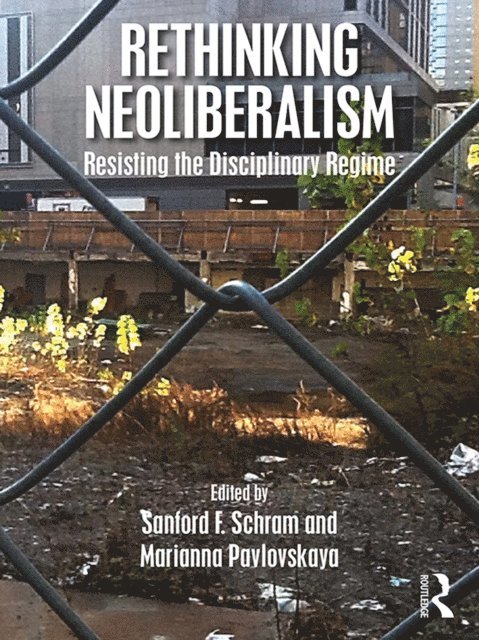
Neoliberalism remains a flashpoint for political contestation around the world. For decades now, neoliberalism has been in the process of becoming a globally ascendant default logic that prioritizes using economic rationality for all major decisions, in all sectors of society, at the collective level of state policymaking as well as the personal level of individual choice-making. Donald Trump's recent presidential victory has been interpreted both as a repudiation and as a validation of neoliberalism’s hegemony. Rethinking Neoliberalism brings together theorists, social scientists, and public policy scholars to address neoliberalism as a governing ethic for our times. The chapters interrogate various dimensions of debates about neoliberalism while offering engaging empirical examples of neoliberalism’s effects on social and urban policy in the USA, Europe, Russia, and elsewhere. Themes discussed include:Relationship between neoliberalism, the state, and civil societyNeoliberalism and social policy to discipline citizens Urban policy and how neoliberalism reshapes urban governance What it will take politically to get beyond neoliberalism.Written in a clear and accessible style, Rethinking Neoliberalism is a sophisticated synthesis of theory and practice, making it a compelling read for students of Political Science, Public Policy, Sociology, Geography, Urban Planning, Social Work and related fields, at both the advanced undergraduate and graduate levels.
1 186 kr
Skickas inom 7-10 vardagar
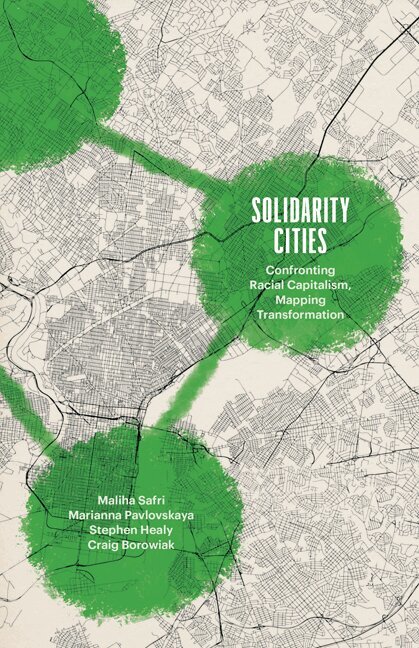
Mapping the transformative effects of America’s urban solidarity economiesSolidarity economies, characterized by diverse practices of cooperation and mutual support, have long played pivotal but largely invisible roles in fostering shared survival and envisioning alternatives to racial capitalism globally and in the United States. This book maps the thriving existence of these cooperative networks in three differently sized American cities, highlighting their commitment to cooperation, democracy, and inclusion and demonstrating the desire-and the pressing need-to establish alternative foundations for social and economic justice. Collectively authored by four social scientists, Solidarity Cities analyzes the deeply entrenched racial and economic divides from which cooperative networks emerge as they work to provide unmet basic needs, including food security, affordable housing, access to fair credit, and employment opportunities. Examining entities such as community gardens, credit unions, cooperatives, and other forms of economic solidarity, the authors highlight how relatively small yet vital interventions into public life can expand into broader movements that help bolster the overall well-being of their surrounding communities. Bringing together insights from geography, political economy, and political science with mapping and spatial analysis methodologies, surveys, and in-depth interviews, Solidarity Cities illuminates the extensive footprints of solidarity economies and the roles they play in communities. The authors show how these initiatives act as bulwarks against gentrification, exploitation, and economic exclusion, helping readers see them as part of the past, present, and future of more livable and just cities. Retail e-book files for this title are screen-reader friendly with images accompanied by short alt text and/or extended descriptions.
282 kr
Skickas inom 7-10 vardagar
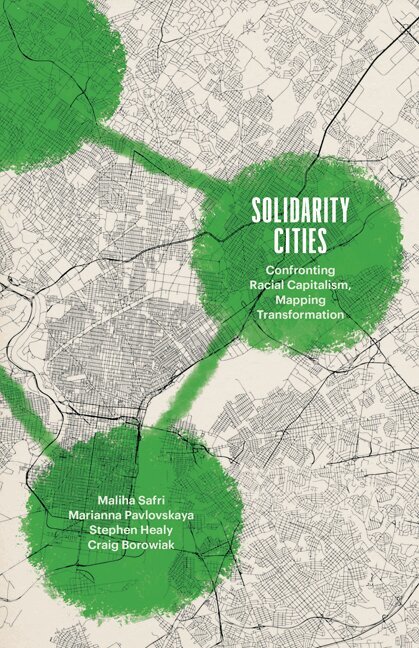
Mapping the transformative effects of America’s urban solidarity economiesSolidarity economies, characterized by diverse practices of cooperation and mutual support, have long played pivotal but largely invisible roles in fostering shared survival and envisioning alternatives to racial capitalism globally and in the United States. This book maps the thriving existence of these cooperative networks in three differently sized American cities, highlighting their commitment to cooperation, democracy, and inclusion and demonstrating the desire-and the pressing need-to establish alternative foundations for social and economic justice. Collectively authored by four social scientists, Solidarity Cities analyzes the deeply entrenched racial and economic divides from which cooperative networks emerge as they work to provide unmet basic needs, including food security, affordable housing, access to fair credit, and employment opportunities. Examining entities such as community gardens, credit unions, cooperatives, and other forms of economic solidarity, the authors highlight how relatively small yet vital interventions into public life can expand into broader movements that help bolster the overall well-being of their surrounding communities. Bringing together insights from geography, political economy, and political science with mapping and spatial analysis methodologies, surveys, and in-depth interviews, Solidarity Cities illuminates the extensive footprints of solidarity economies and the roles they play in communities. The authors show how these initiatives act as bulwarks against gentrification, exploitation, and economic exclusion, helping readers see them as part of the past, present, and future of more livable and just cities. Retail e-book files for this title are screen-reader friendly with images accompanied by short alt text and/or extended descriptions.