Marianne Legault – författare
Visar alla böcker från författaren Marianne Legault. Handla med fri frakt och snabb leverans.
6 produkter
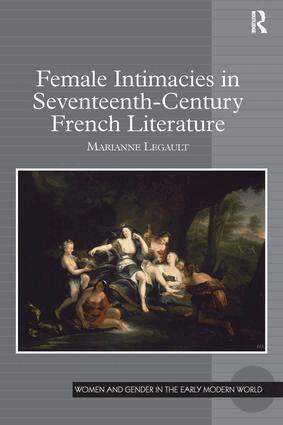
Female Intimacies in Seventeenth-Century French Literature
Inbunden, 2012
2888 kr
Lägg i varukorg
Examining literary discourses on female friendship and intimacy in seventeenth-century France, this study takes as its premise the view that, unlike men, women have been denied for centuries the possibility of same sex friendship. The author explores the effect of this homosocial and …
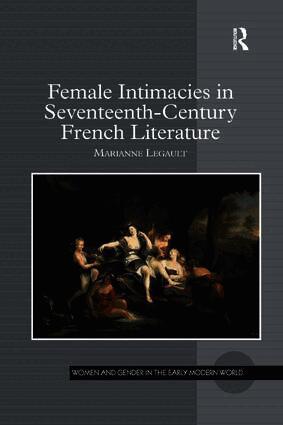
Female Intimacies in Seventeenth-Century French Literature
Häftad, 2016
1066 kr
Lägg i varukorg
Examining literary discourses on female friendship and intimacy in seventeenth-century France, this study takes as its premise the view that, unlike men, women have been denied for centuries the possibility of same sex friendship. The author explores the effect of this homosocial and …
Female Intimacies in Seventeenth-Century French Literature
E-bok, 2016
1227 kr
Lägg i varukorg
Examining literary discourses on female friendship and intimacy in seventeenth-century France, this study takes as its premise the view that, unlike men, women have been denied for centuries the possibility of same sex friendship. The author explores the effect of this homosocial and …
Female Intimacies in Seventeenth-Century French Literature
E-bok, 2016
1255 kr
Lägg i varukorg
Examining literary discourses on female friendship and intimacy in seventeenth-century France, this study takes as its premise the view that, unlike men, women have been denied for centuries the possibility of same sex friendship. The author explores the effect of this homosocial and …
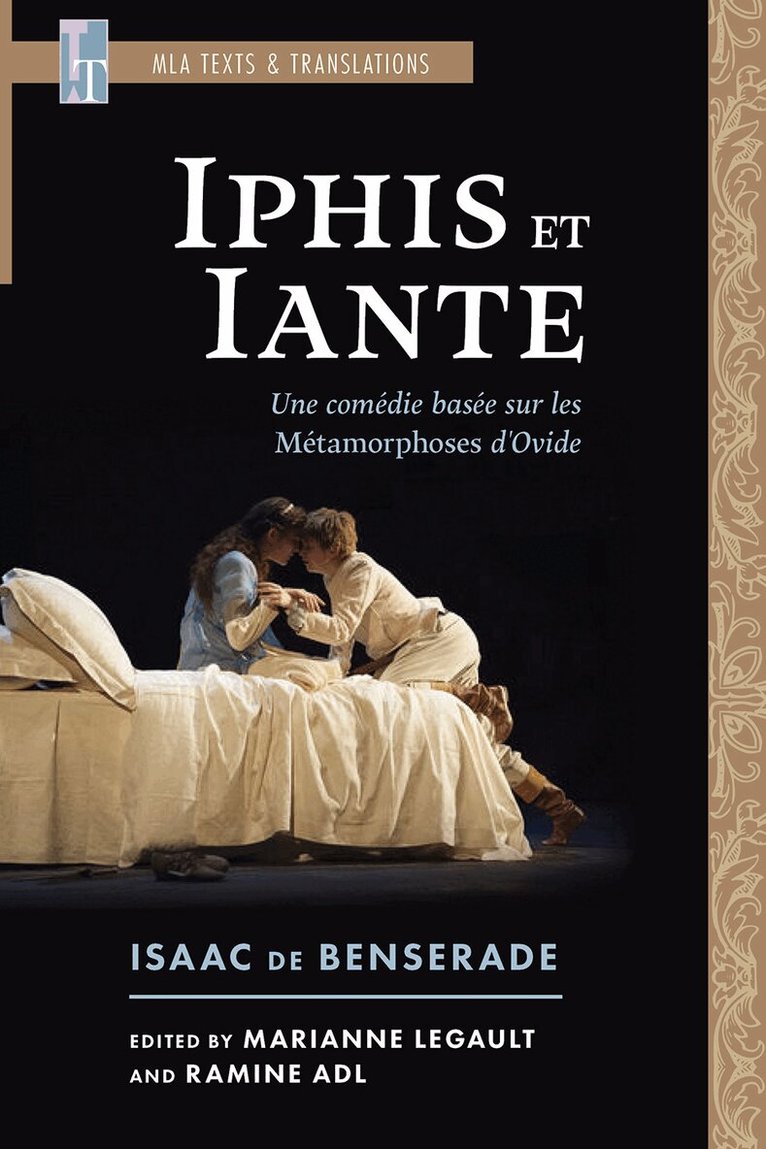
Iphis Et Iante
Une Comédie Basée Sur Les Métamorphoses D'Ovide
Av Isaac de Benserade, Marianne Legault m. fl.
Häftad, 2025
331 kr
Lägg i varukorg
A lesbian romance from seventeenth-century FranceIphis and Iante are about to be married, but Iphis has a secret: when she was born, her mother disguised her as a boy in order to save her life. Although Iphis loves Iante passionately, Iphis's mother tries to prevent the marriage in order to conceal …
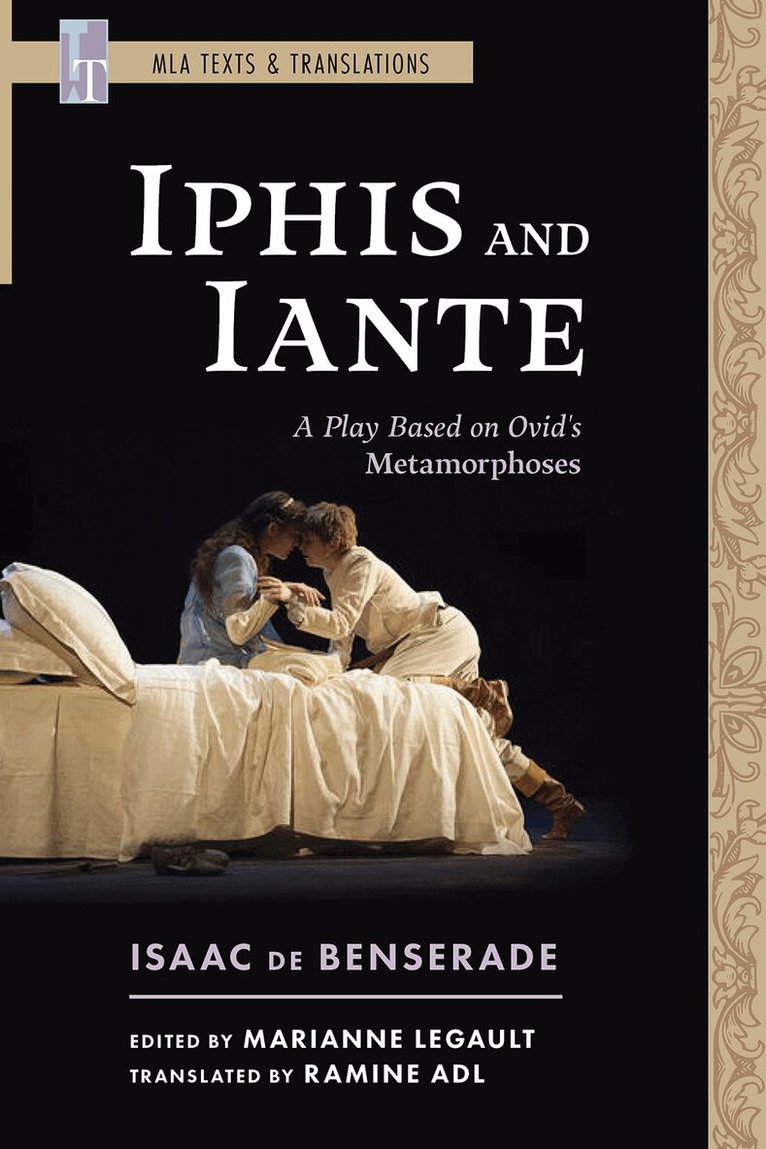
Iphis and Iante
A Play Based on Ovid's Metamorphoses
Av Isaac de Benserade, Marianne Legault
Häftad, 2025
331 kr
Lägg i varukorg
A lesbian romance from seventeenth-century FranceIphis and Iante are about to be married, but Iphis has a secret: when she was born, her mother disguised her as a boy in order to save her life. Although Iphis loves Iante passionately, Iphis's mother tries to prevent the marriage in order to conceal …