Marianne Vedeler – författare
Visar alla böcker från författaren Marianne Vedeler. Handla med fri frakt och snabb leverans.
2 produkter
2 produkter
E-bok
Engelska, 2021123 kr
Läs direkt efter köp
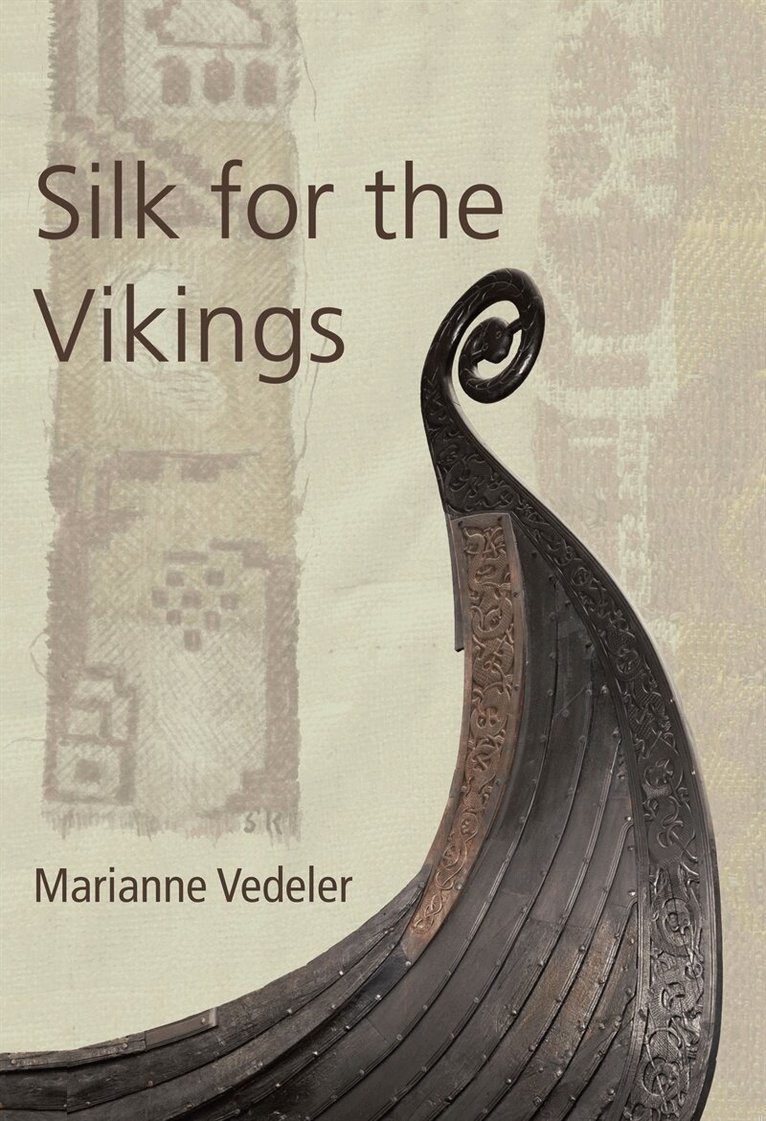
The analysis of silk is a fascinating topic for research in itself but here, focusing on the 9th and 10th centuries, Marianne Vedeler takes a closer look at the trade routes and the organization of production, trade and consumption of silk during the Viking Age. Beginning with a presentation of the silk finds in the Oseberg burial, the richest Viking burial find ever discovered, the other silk finds from high status graves in Scandinavia are discussed along with an introduction to the techniques used to produce raw silk and fabrics. Later chapters concentrate on trade and exchange, considering the role of silk items both as trade objects and precious gifts, and in the light of coin finds. The main trade routes of silk to Scandinavia along the Russian rivers, and comparable Russian finds are described and the production and regulation of silk in Persia, early Islamic production areas and the Byzantine Empire discussed. The final chapter considers silk as a social actor in various contexts in Viking societies compared to the Christian west.
Inbunden, Engelska, 2026
2 075 kr
Skickas inom 5-8 vardagar
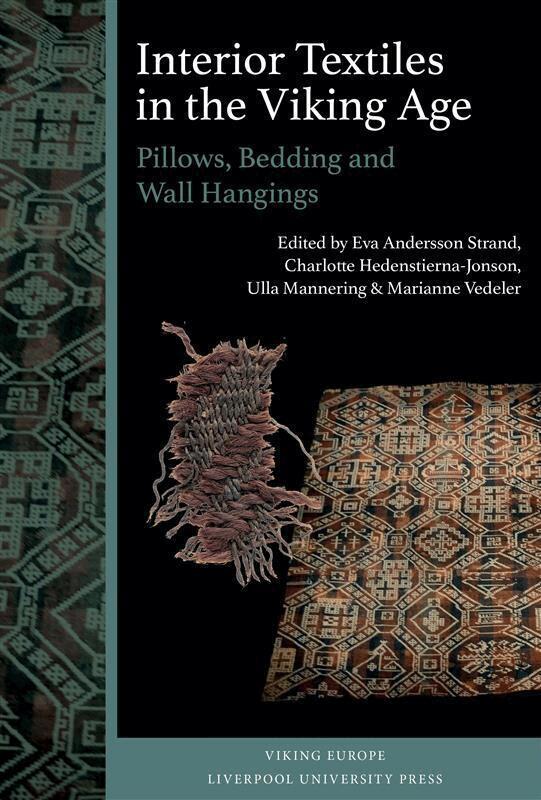
When Viking Age house interiors are reconstructed, the focus is usually on the fireplace and the placement of tables, benches and beds. These features help us understand how people lived. However, we often forget that textiles, such as blankets, sheets, tablecloths and wall hangings, were also important in everyday life. Textiles were used for comfort, cleaning and decoration, and they helped tell stories as well as signal a person’s or family’s social status. Most Viking Age textiles that have survived are found in graves. These include not only clothing but also bedding, pillows and fabrics used to wrap objects. A burial can be seen as a kind of room for the dead, filled with items that reflect how people lived and what they valued. Because of this, grave finds are important when discussing the interior textiles used in Viking Age houses. Wall hangings are mentioned as status symbols in the Icelandic sagas, and examples from the late Viking Age and early medieval period have been found and preserved in churches, giving us insight into their use and value. Old Norse texts also mention soft furnishings such as tablecloths and handcloths, and the use of interior textiles can be seen on the Bayeux embroidery. Other types of iconography, such as on rune stones and picture stones, help us understand how interior textiles may have been used. By combining information from textiles, written sources and iconography, and by applying different approaches, the chapters in this book offer various perspectives on how interior textiles were used in the Viking Age, why they were needed and how valuable they were.