Eva Andersson Strand – författare
Visar alla böcker från författaren Eva Andersson Strand. Handla med fri frakt och snabb leverans.
3 produkter
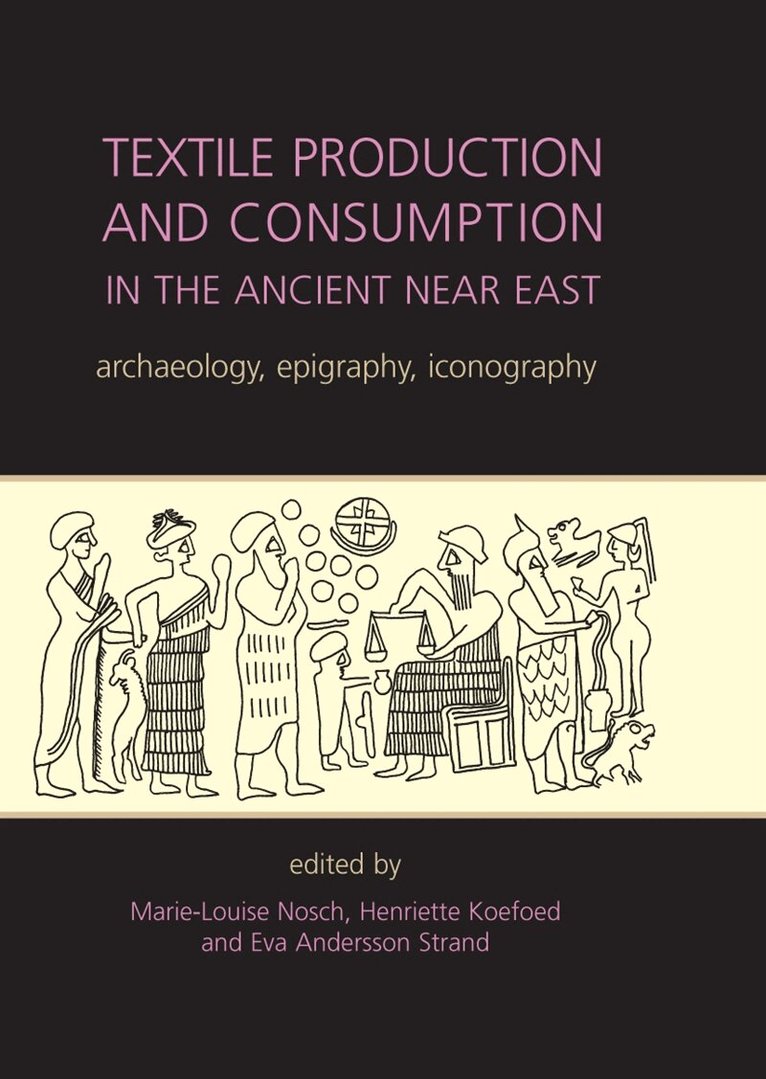
Textile Production and Consumption in the Ancient Near East
archaeology, epigraphy, iconography
Av Marie-Louise Nosch, Henriette Koefoed m. fl.
E-bok, 2021
127 kr
Lägg i varukorg
In the past, textile production was a key part of all ancient societies. The Ancient Near East stands out in this respect with the overwhelming amount of documentation both in terms of raw materials, line of production, and the distribution of finished products. The thirteen intriguing chapters in …
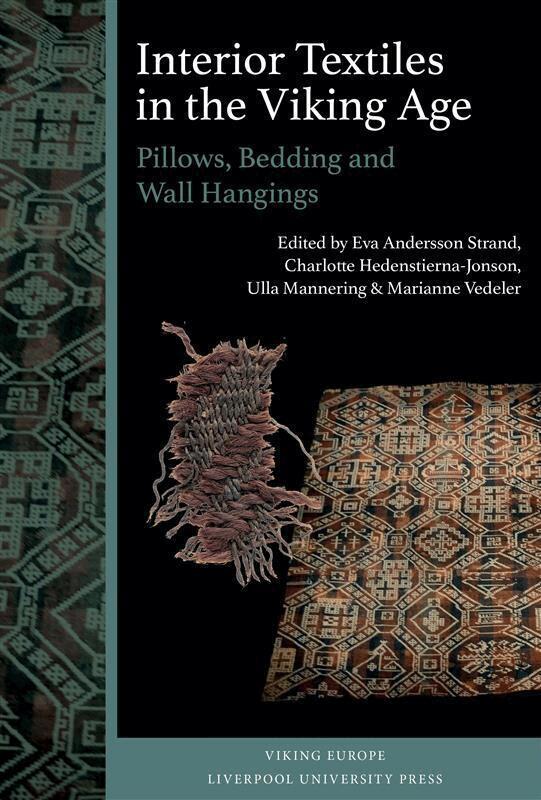
Interior Textiles in the Viking Age
Pillows, Bedding and Wall Hangings: Beðr, ver og húsbúnaðr
Av Eva Andersson Strand, Eva Andersson Strand m. fl.
Inbunden, 2026
2129 kr
Lägg i varukorg
When Viking Age house interiors are reconstructed, the focus is usually on the fireplace and the placement of tables, benches and beds. These features help us understand how people lived. However, we often forget that textiles, such as blankets, sheets, tablecloths and wall hangings, were also …
Textile Production and Consumption in the Ancient Near East
Archaeology, Epigraphy, Iconography
Av Marie-Louise Nosch, Henriette Koefoed m. fl.
Inbunden, 2013
675 kr
Tillfälligt slut
In the past, textile production was a key part of all ancient societies. The Ancient Near East stands out in this respect with the overwhelming amount of documentation both in terms of raw materials, line of production, and the distribution of finished products. The thirteen intriguing chapters in …