Marie-Louise Nosch – författare
Visar alla böcker från författaren Marie-Louise Nosch. Handla med fri frakt och snabb leverans.
15 produkter
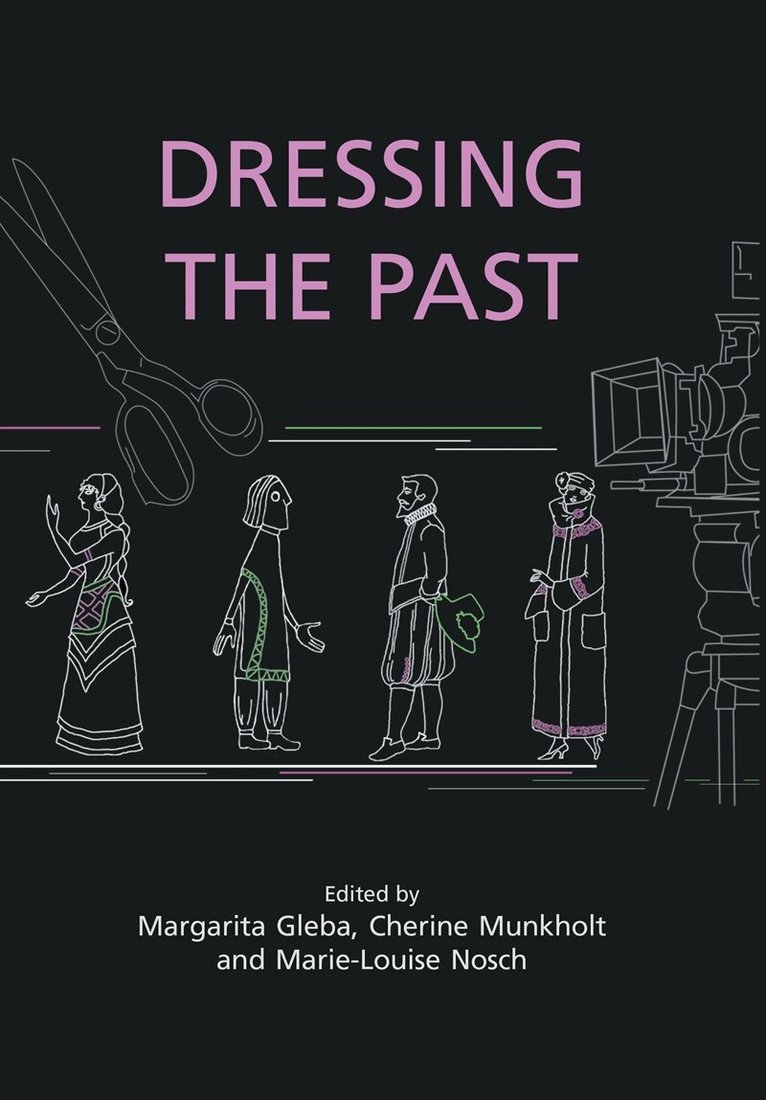
Dressing the Past
Av Marie-Louise Nosch, Margarita Gleba m. fl.
E-bok, 2021
127 kr
Lägg i varukorg
Minoan ladies, Scythian warriors, Roman and Sarmatian merchants, prehistoric weavers, gold sheet figures, Vikings, Medieval saints and sinners, Renaissance noblemen, Danish peasants, dressmakers and Hollywood stars appear in the pages of this anthology. This is not necessarily how they dressed in …
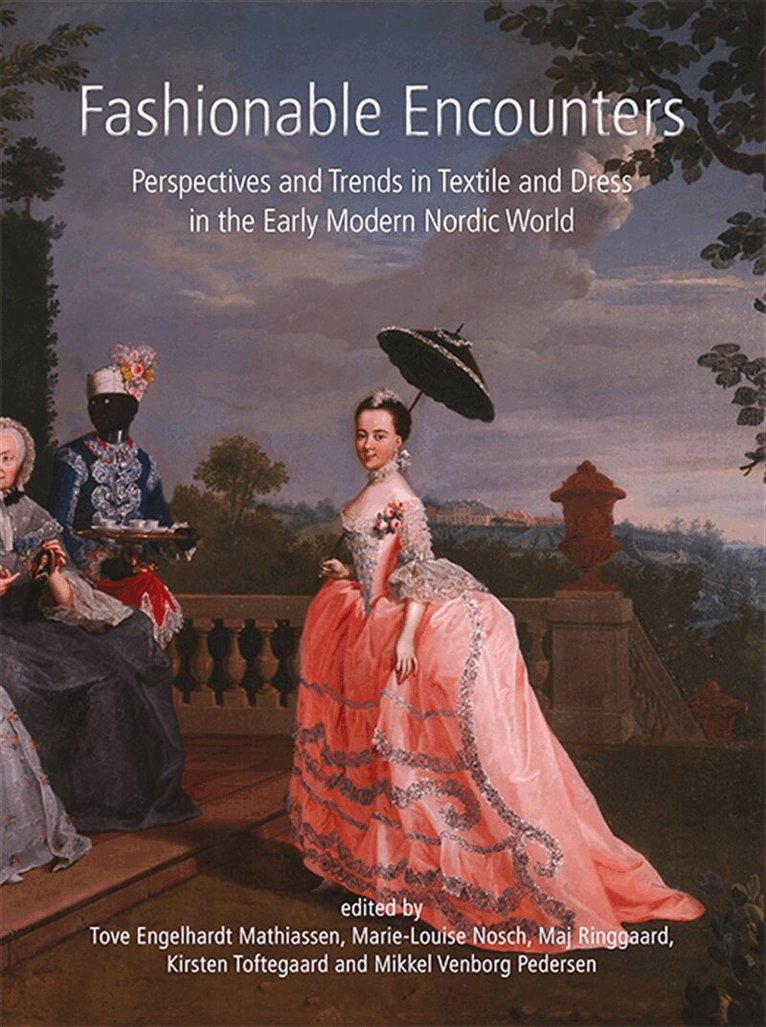
Fashionable Encounters
Perspectives and trends in textile and dress in the Early Modern Nordic World
Av Marie-Louise Nosch, Tove Engelhardt Mathiassen m. fl.
E-bok, 2021
127 kr
Lägg i varukorg
At the heart of this anthology lies the world of fashion: a concept that pervades the realm of clothes and dress; appearances and fashionable manners; interior design; ideas and attitudes. Here sixteen papers focus on the Nordic world (Denmark, Norway, Sweden Finland, Iceland, the Faroe Isles and …
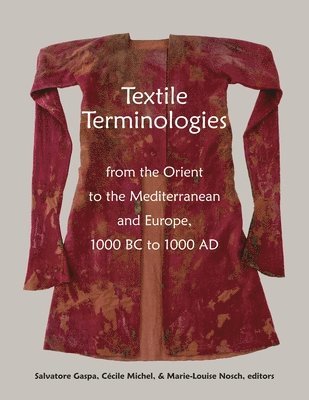
Textile Terminologies from the Orient to the Mediterranean and Europe, 1000 BC to 1000 AD
Av Salvatore Gaspa, Cécile Michel m. fl.
Häftad, 2017
529 kr
Lägg i varukorg
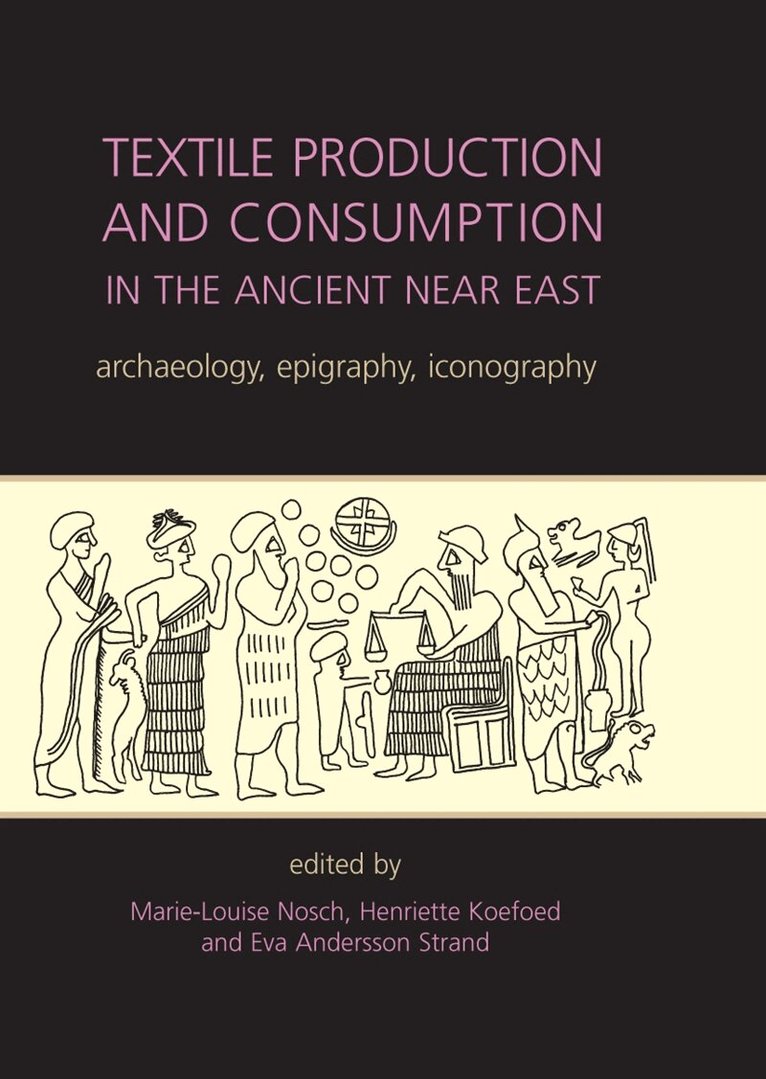
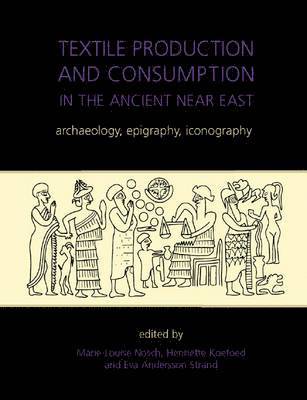
Textile Production and Consumption in the Ancient Near East
archaeology, epigraphy, iconography
Av Marie-Louise Nosch, Henriette Koefoed m. fl.
E-bok, 2021
127 kr
Lägg i varukorg
In the past, textile production was a key part of all ancient societies. The Ancient Near East stands out in this respect with the overwhelming amount of documentation both in terms of raw materials, line of production, and the distribution of finished products. The thirteen intriguing chapters in …
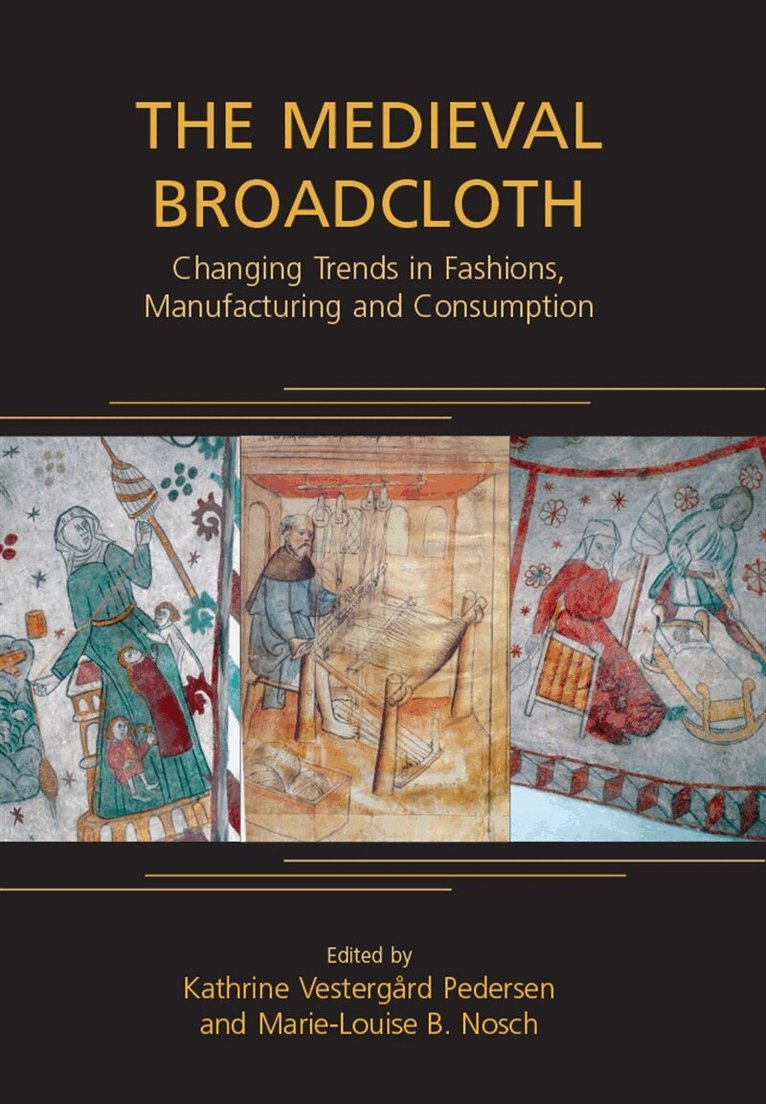
The Medieval Broadcloth
Changing Trends in Fashions, Manufacturing and Consumption
Av Marie-Louise Nosch, Kathrine Vestergard Pedersen
E-bok, 2021
127 kr
Lägg i varukorg
The eight papers presented here provide a useful introduction to medieval broadcloth, and an up-to-date synthesis of current research. The word broadcloth is nowadays used as an overall term for the woven textiles mass-produced and exported all over Europe. It was first produced in Flanders as a …
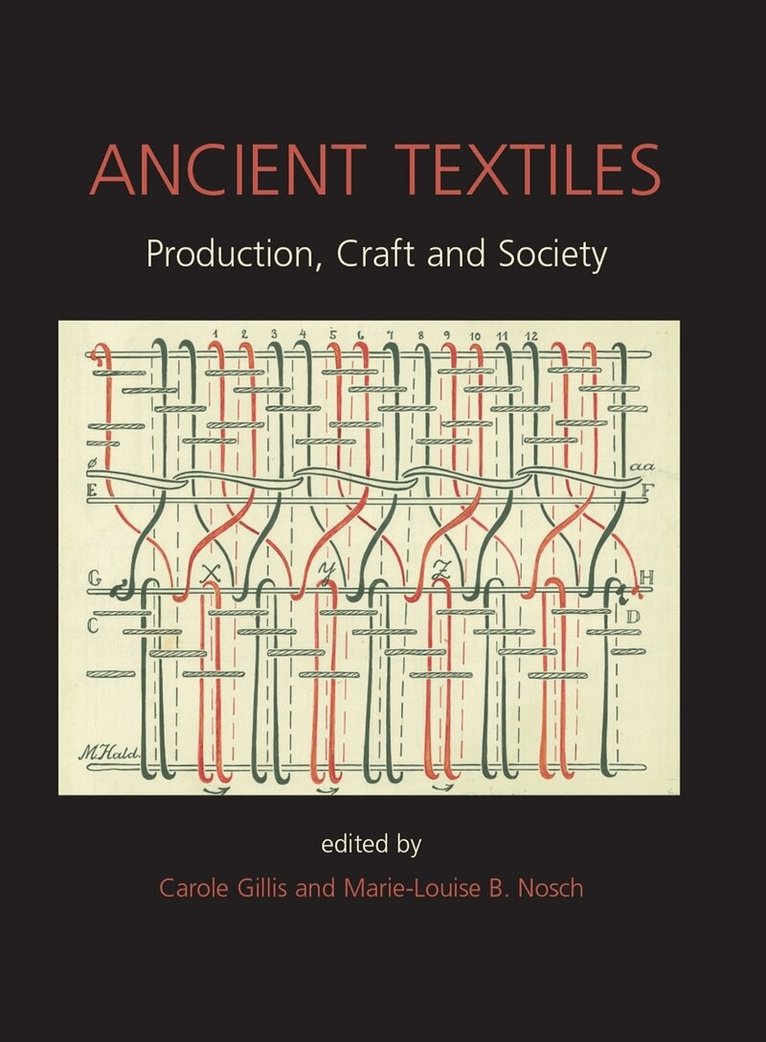
Ancient Textiles
Production, Crafts and Society
Av Marie-Louise Nosch, C. Gillis
E-bok, 2021
127 kr
Lägg i varukorg
An understanding of textiles and the role they played in the past is important for anyone interested in past societies. Textiles served and in fact still do as both functional and symbolic items. The evidence for ancient textiles in Europe is split quite definitely along a north-south divide, with …
Ancient Textiles
Production, Crafts and Society
Av C Gillis, Marie-Louise Nosch
E-bok, 2007
110 kr
Lägg i varukorg
An understanding of textiles and the role they played in the past is important for anyone interested in past societies. Textiles served and in fact still do as both functional and symbolic items. The evidence for ancient textiles in Europe is split quite definitely along a north-south divide, with …
First Aid for the Excavation of Archaeological Textiles
Av Marie-Louise Nosch, C. Gillis
E-bok, 2021
79 kr
Lägg i varukorg
This small booklet is an important conservation guide. It deals with the special care required in order to deal with these delicate fabrics during their excavation and recording. It is included as an appendix in Ancient Textiles: Production, Crafts and Society
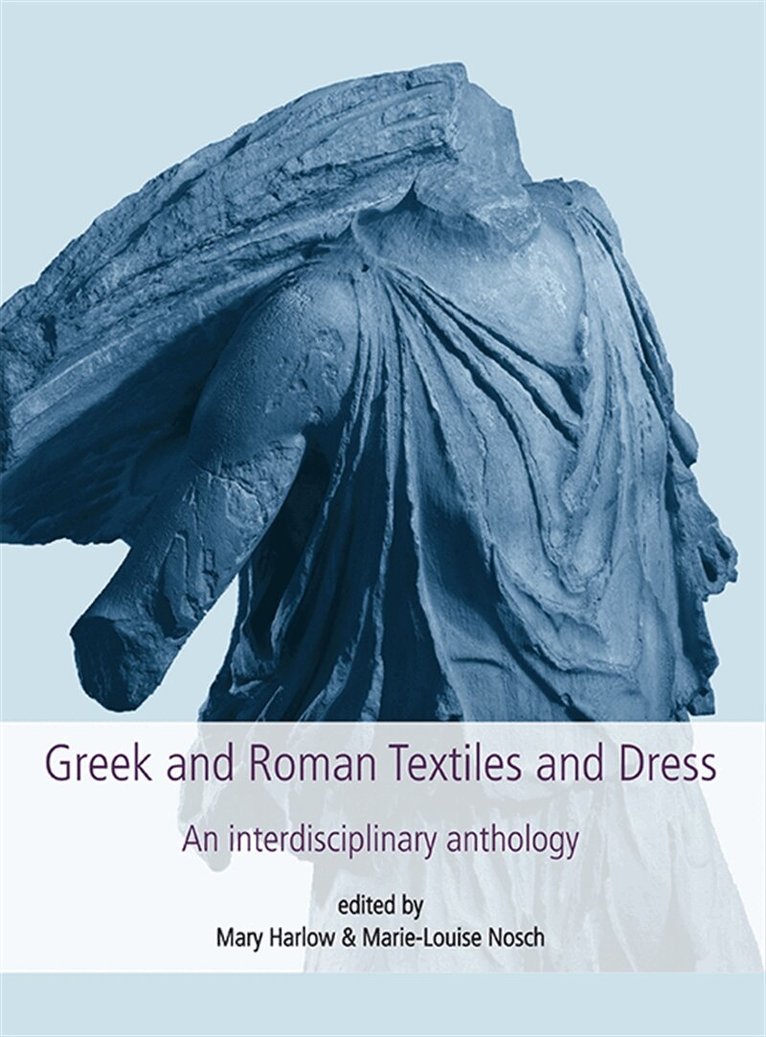
Greek and Roman Textiles and Dress
An Interdisciplinary Anthology
Av Mary Harlow, Marie-Louise Nosch
E-bok, 2021
127 kr
Lägg i varukorg
Twenty chapters present the range of current research into the study of textiles and dress in classical antiquity, stressing the need for cross and inter-disciplinarity study in order to gain the fullest picture of surviving material. Issues addressed include: the importance of studying textiles to …
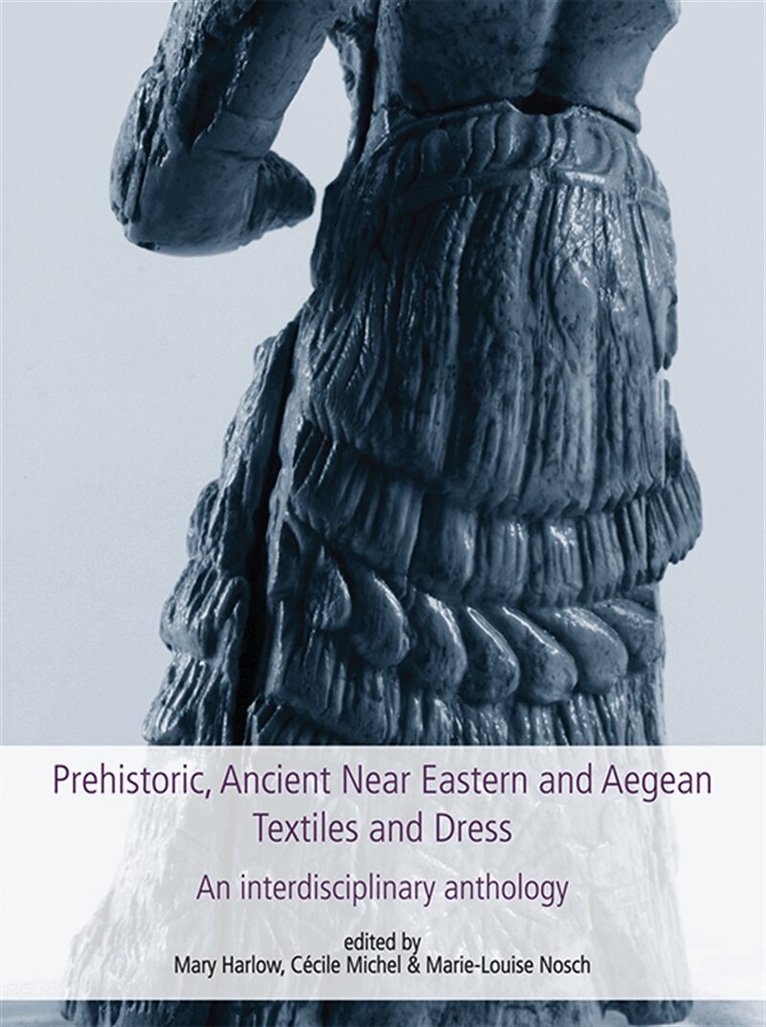
Prehistoric, Ancient Near Eastern & Aegean Textiles and Dress
Av Cécile Michel, Mary Harlow m. fl.
E-bok, 2021
127 kr
Lägg i varukorg
Textile and dress production, from raw materials to finished items, has had a significant impact on society from its earliest history. The essays in this volume offer a fresh insight into the emerging interdisciplinary research field of textile and dress studies by discussing archaeological, …
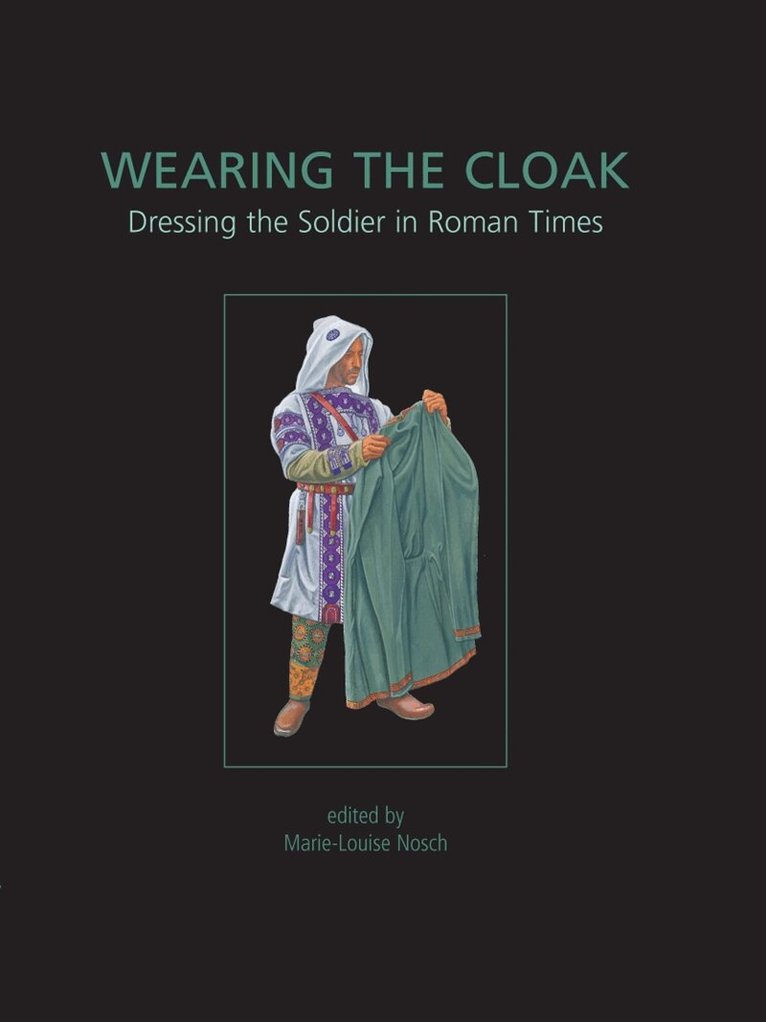
Wearing the Cloak
Dressing the Soldier in Roman Times
Av Marie-Louise Nosch, Henriette Koefoed
E-bok, 2021
127 kr
Lägg i varukorg
Wearing the Cloak contains nine stimulating chapters on Roman military textiles and equipment that take textile research to a new level. Hear the sounds of the Roman soldiers' clacking belts and get a view on their purchase orders with Egyptian weavers. Could armour be built of linen? Who had …
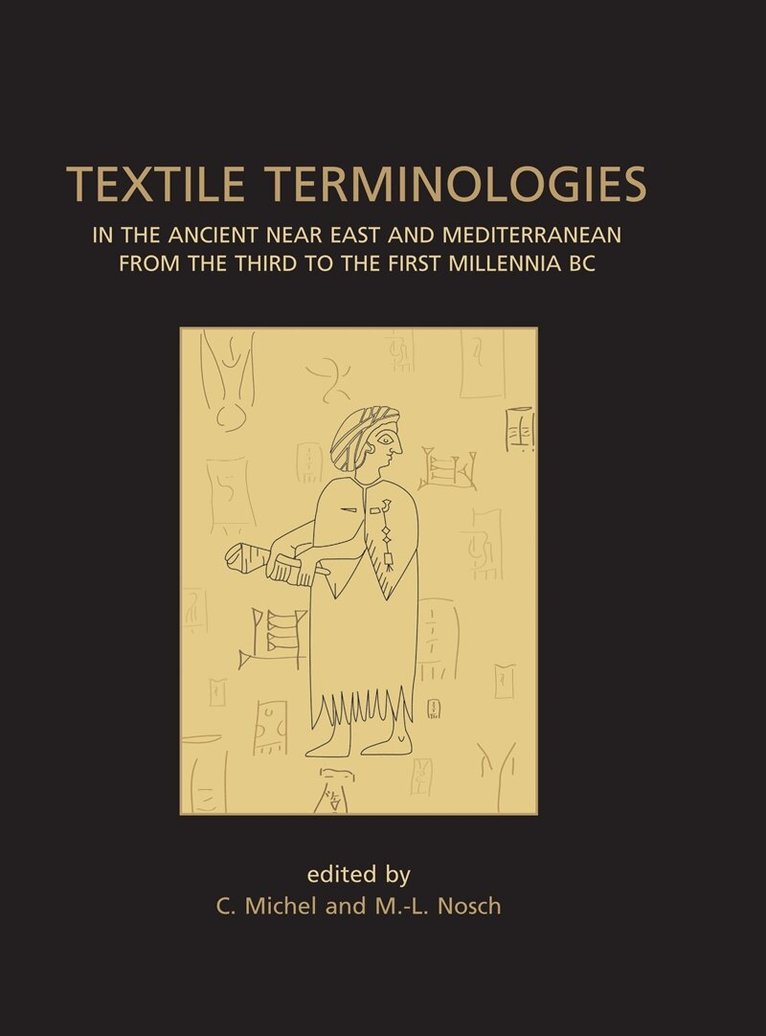
Textile Terminologies in the Ancient Near East and Mediterranean from the Third to the First Millennnia BC
Av Cécile Michel, Marie-Louise Nosch
E-bok, 2021
127 kr
Lägg i varukorg
Written sources from the ancient Near East and eastern Mediterranean, from the third to the first millennia BC, provide a wealth of terms for textiles. The twenty-two chapters in the present volume offer the first comprehensive survey of this important material, with special attention to evidence …
Common Thread: Collected Essays in Honour of Eva Andersson Strand
Av Ulla Mannering, Marie-Louise Nosch
Häftad
2262 kr
Lägg i varukorg
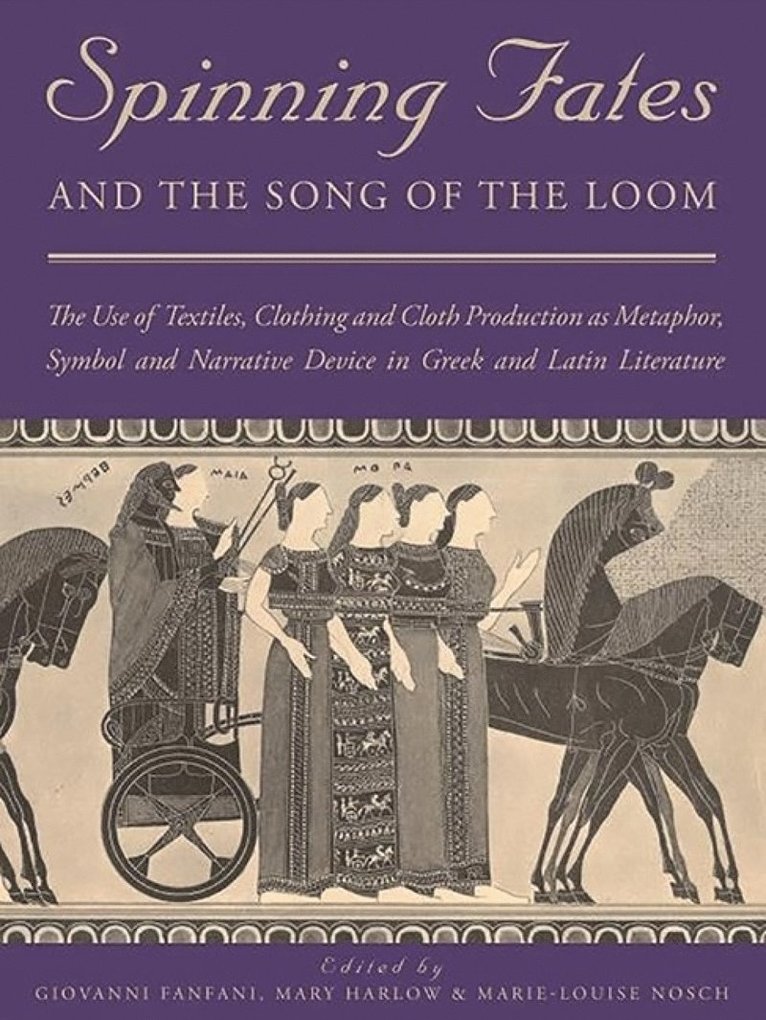
Spinning Fates and the Song of the Loom
The Use of Textiles, Clothing and Cloth Production as Metaphor, Symbol and Narrative Device in Greek and Latin Literature
Av Giovanni Fanfani, Mary Harlow m. fl.
Häftad, 2023
632 kr
Tillfälligt slut
Textile imagery is pervasive in classical literature. An awareness of the craft and technology of weaving and spinning, of the production and consumption of clothing items, and of the social and religious significance of garments is key to the appreciation of how textile and cloth metaphors work as …
Textile Production and Consumption in the Ancient Near East
Archaeology, Epigraphy, Iconography
Av Marie-Louise Nosch, Henriette Koefoed m. fl.
Inbunden, 2013
675 kr
Tillfälligt slut
In the past, textile production was a key part of all ancient societies. The Ancient Near East stands out in this respect with the overwhelming amount of documentation both in terms of raw materials, line of production, and the distribution of finished products. The thirteen intriguing chapters in …