Marie Gaitzsch - Böcker
Visar alla böcker från författaren Marie Gaitzsch. Handla med fri frakt och snabb leverans.
2 produkter
2 produkter
401 kr
Kommande
Combining historical and contemporary treatments of weather and climate in art, this catalog features masterworks from 1500 through the present day that engage with weather, meteorology, and climate.Facing the Elements is uniting two exhibitions at the Worcester Art Museum in Massachusetts. Essays on the four elements, women and weather, peril, and satire reveal changing attitudes following the Scientific evolution, while interviews with a climate scientist and a psychologist, and an essay on an immersive nstallation by artists Christa Donner and Andrew S. Yang explore our physical relationship with climate today. From ersonifications to the sense of touch, and from storm-tossed peril to scientific progress, these artworks foreground the human connection to our atmosphere. Plates include unique graphic interventions by Donner and Yang made exclusively for the publication.
554 kr
Skickas inom 5-8 vardagar
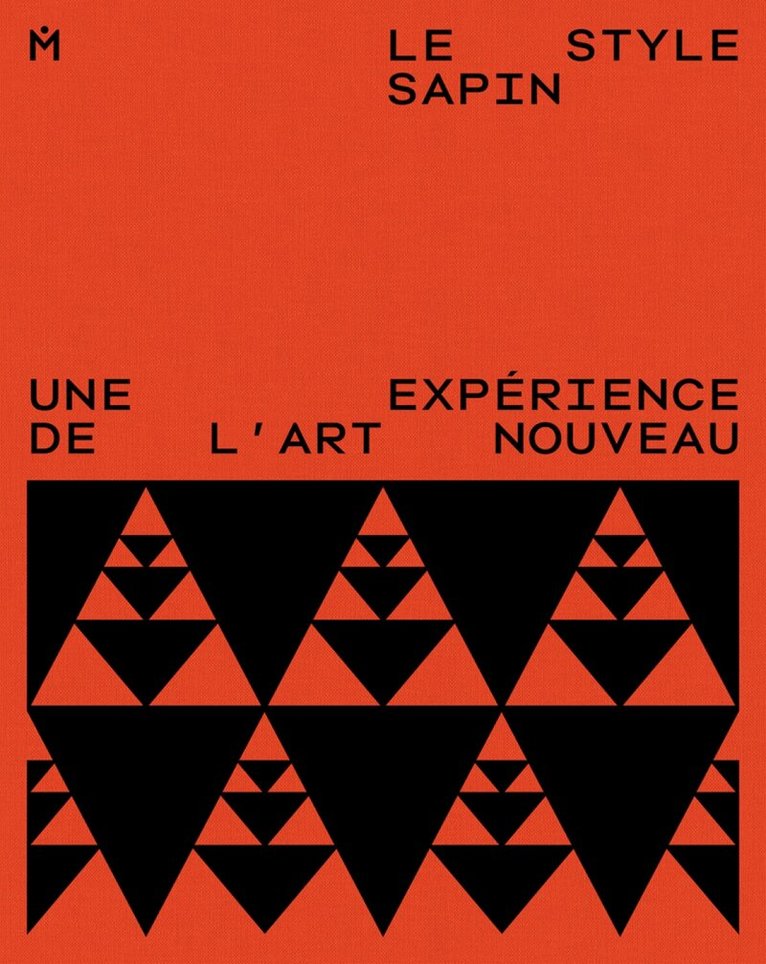
Situated at around 3,300 ft above sea level in the mountains of the Swiss Jura region, the town of La Chaux-de-Fonds experienced significant economic development towards the end of the 19th century, which went hand in hand with much building activity. There are few other places in Switzerland in which the influence of art nouveau is so clearly visible. Significantly inspired by the painter and architect Charles L’Eplattenier (1874-1946), and his art and decoration course at the local school of applied arts in 1905, a local variant of art nouveau developed, the so-called Style sapin or “fir style.” Protagonists of this movement accorded special importance in their works to the use of symbolic motifs that reflect the nature of the Jura landscape and especially its fir forests.This book offers a comprehensive survey of the Style sapin and builds bridges into the 21st century. It places the “fir style” within the international context of art nouveau and also addresses in detail the local facets of this movement, which has left traces that are still visible today in watchmaking, applied arts, and architecture. Moreover, it draws attention for the first time to the previously scarcely acknowledged female artists of the Style sapin.Text in French.