Marieke Louis – författare
Visar alla böcker från författaren Marieke Louis. Handla med fri frakt och snabb leverans.
6 produkter
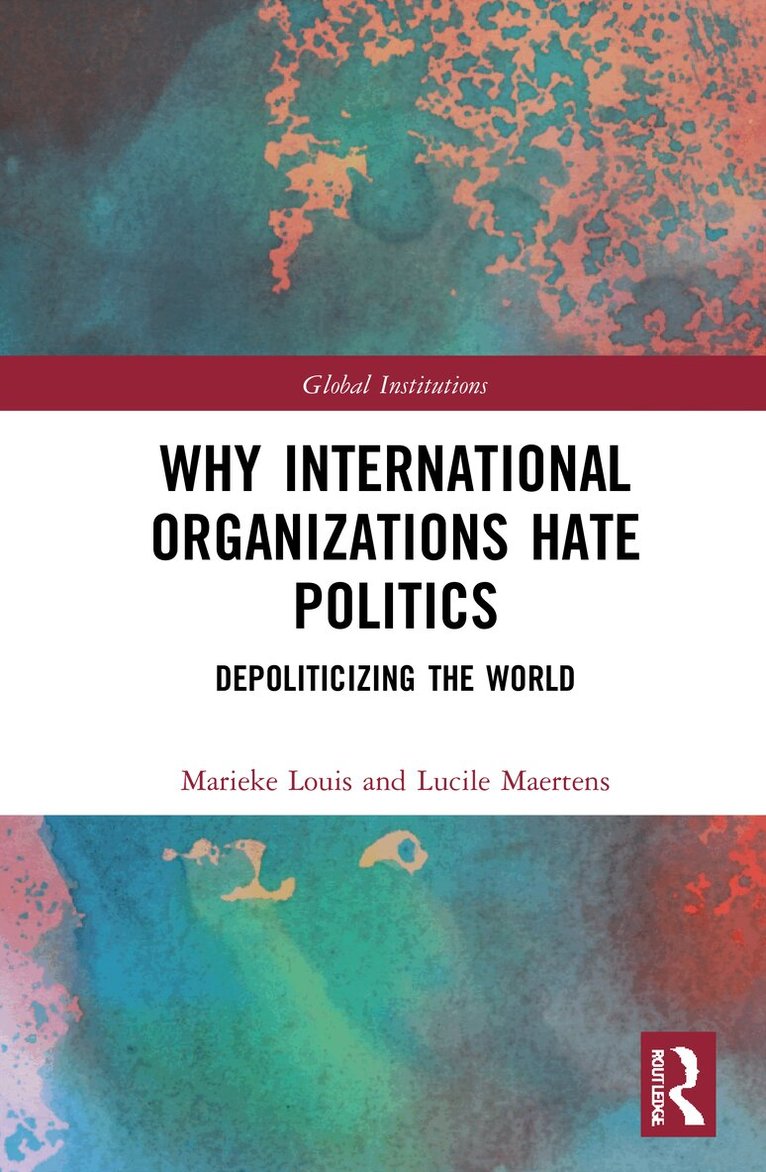
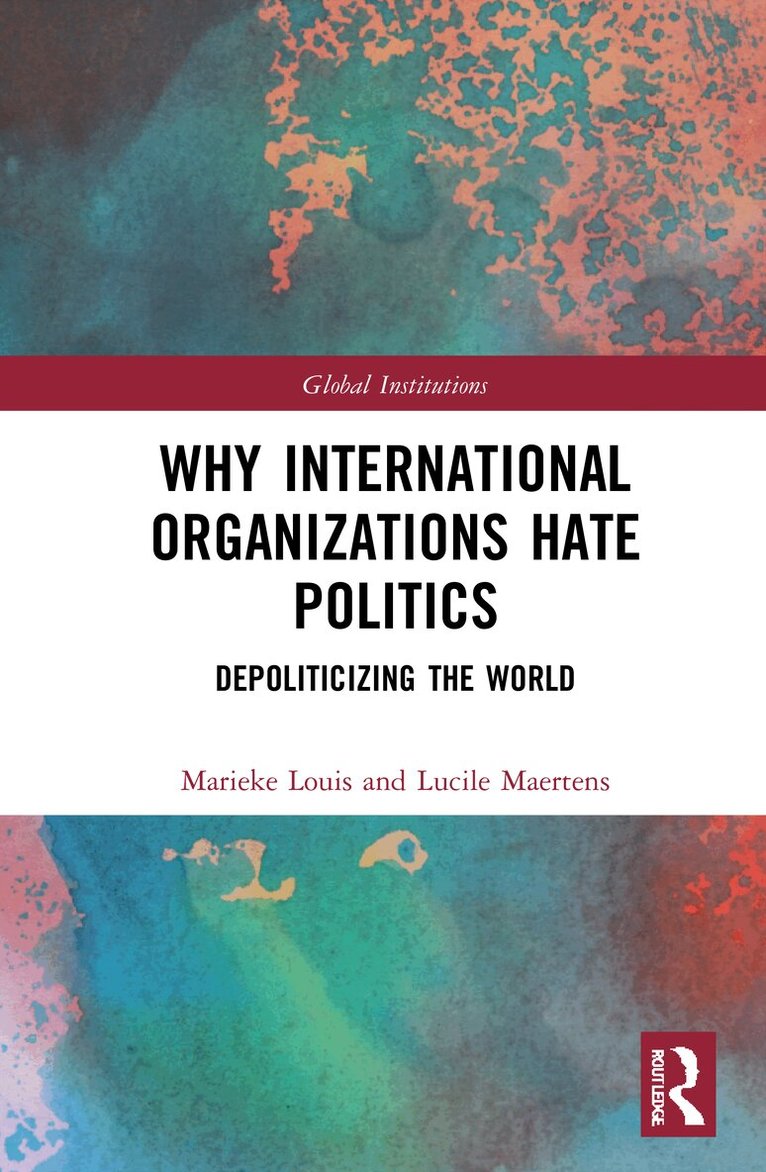
Why International Organizations Hate Politics
Depoliticizing the World
Av Marieke Louis, Lucile Maertens
Häftad, 2023
646 kr
Lägg i varukorg
Building on the concept of depoliticization, this book provides a first systematic analysis of International Organizations (IO) apolitical claims. It shows that depoliticization sustains IO everyday activities while allowing them to remain engaged in politics, even when they pretend not to. Delving …
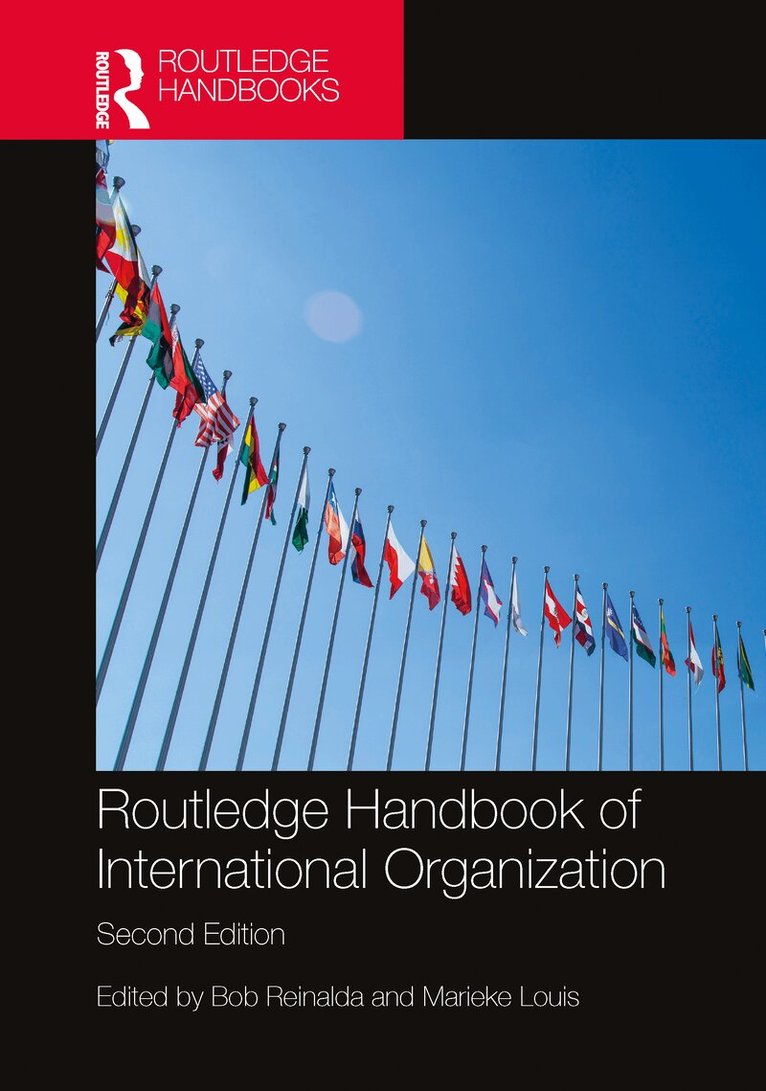
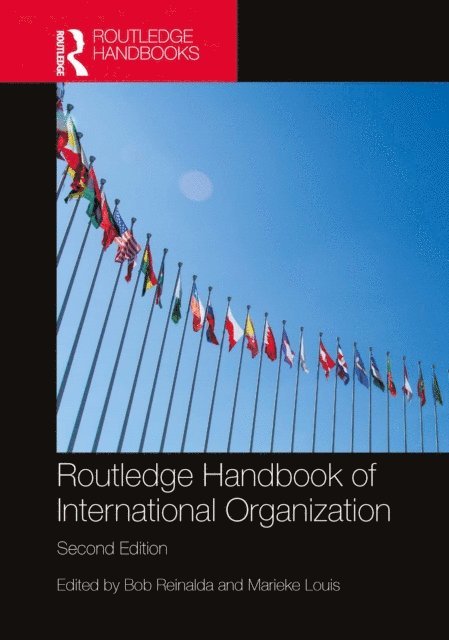
Routledge Handbook of International Organization
Av Bob Reinalda, Marieke Louis
Inbunden, 2024
3479 kr
Lägg i varukorg
This completely revised and rewritten handbook gives an overview of international organization (IO) as a dynamic field of research that adds to our understanding of global and regional relations and related domestic politics. Bringing together international scholars from a range of disciplines, it …
Routledge Handbook of International Organization
Av Bob Reinalda, Marieke Louis
Häftad, 2026
728 kr
Lägg i varukorg
This completely revised and rewritten handbook gives an overview of international organization (IO) as a dynamic field of research that adds to our understanding of global and regional relations and related domestic politics. Bringing together international scholars from a range of disciplines, it …
Routledge Handbook of International Organization
Av Marieke Louis, Bob Reinalda
E-bok, 2024
876 kr
Lägg i varukorg
This completely revised and rewritten handbook gives an overview of international organization (IO) as a dynamic field of research that adds to our understanding of global and regional relations and related domestic politics. Bringing together international scholars from a range of disciplines, it …
Routledge Handbook of International Organization
Av Marieke Louis, Bob Reinalda
E-bok, 2024
857 kr
Lägg i varukorg
This completely revised and rewritten handbook gives an overview of international organization (IO) as a dynamic field of research that adds to our understanding of global and regional relations and related domestic politics. Bringing together international scholars from a range of disciplines, it …
Why International Organizations Hate Politics
Depoliticizing the World
Av Marieke Louis, Lucile Maertens
Inbunden, 2021
2504 kr
Lägg i varukorg
Building on the concept of depoliticization, this book provides a first systematic analysis of International Organizations (IO) apolitical claims. It shows that depoliticization sustains IO everyday activities while allowing them to remain engaged in politics, even when they pretend not to. Delving …