Marija Todorova - Böcker
Visar alla böcker från författaren Marija Todorova. Handla med fri frakt och snabb leverans.
7 produkter
7 produkter
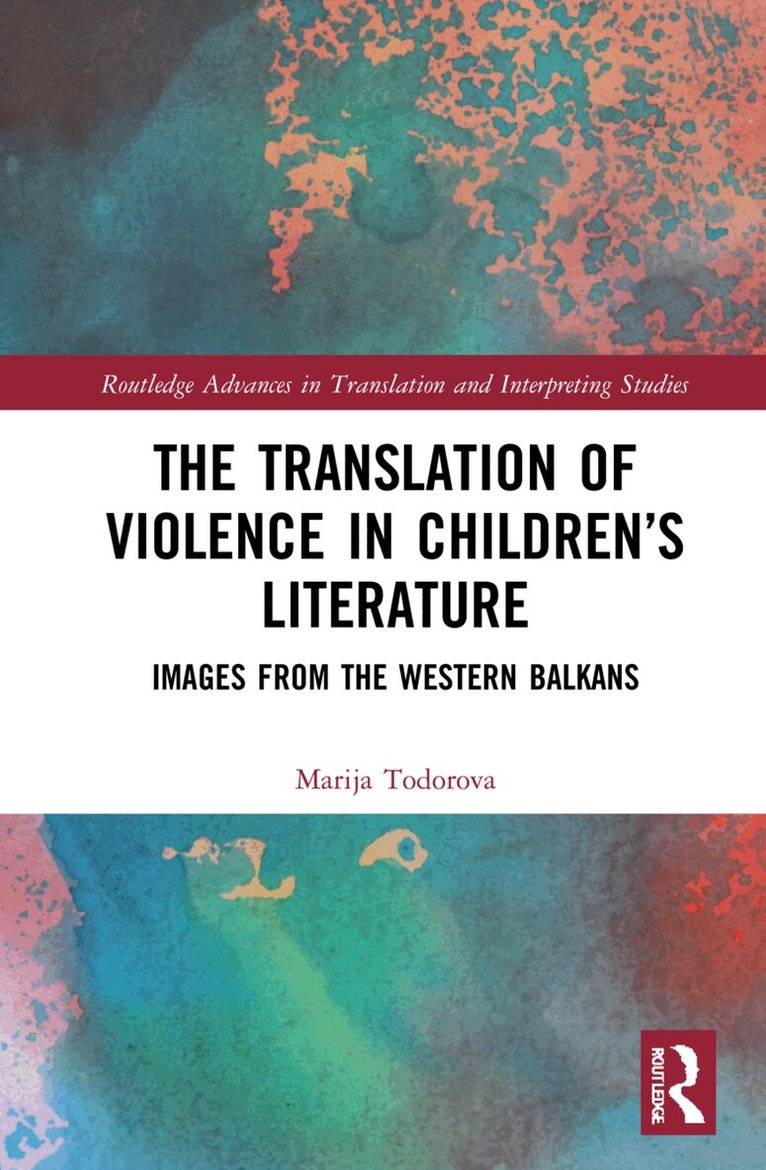
Translation of Violence in Children’s Literature
Images from the Western Balkans
Inbunden, Engelska, 2021
2 419 kr
Skickas inom 10-15 vardagar
Considering children’s literature as a powerful repository for creating and proliferating cultural and national identities, this monograph is the first academic study of children’s literature in translation from the Western Balkans. Marija Todorova looks at a broad range of children’s literature, from fiction to creative non-fiction and picture books, across five different countries in the Western Balkans, with each chapter including detailed textual and visual analysis through the predominant lens of violence. These chapters raise questions around who initiates and effectuates the selection of children’s literature from the Western Balkans for translation into English, and interrogate the role of different stakeholders, such as translators, publishers and cultural institutions in the representation and construction of these countries in translated children’s literature, both in text and visually.Given the combination of this study’s interdisciplinary nature and Todorova’s detailed analysis, this book will prove to be an essential resource for professional translators, researchers and students in courses in translation studies, children’s literature or area studies, especially that of countries in the Western Balkans..
Translation of Violence in Children’s Literature
Images from the Western Balkans
Häftad, Engelska, 2023
661 kr
Skickas inom 10-15 vardagar
Considering children’s literature as a powerful repository for creating and proliferating cultural and national identities, this monograph is the first academic study of children’s literature in translation from the Western Balkans. Marija Todorova looks at a broad range of children’s literature, from fiction to creative non-fiction and picture books, across five different countries in the Western Balkans, with each chapter including detailed textual and visual analysis through the predominant lens of violence. These chapters raise questions around who initiates and effectuates the selection of children’s literature from the Western Balkans for translation into English, and interrogate the role of different stakeholders, such as translators, publishers and cultural institutions in the representation and construction of these countries in translated children’s literature, both in text and visually.Given the combination of this study’s interdisciplinary nature and Todorova’s detailed analysis, this book will prove to be an essential resource for professional translators, researchers and students in courses in translation studies, children’s literature or area studies, especially that of countries in the Western Balkans..
1 900 kr
Skickas inom 10-15 vardagar
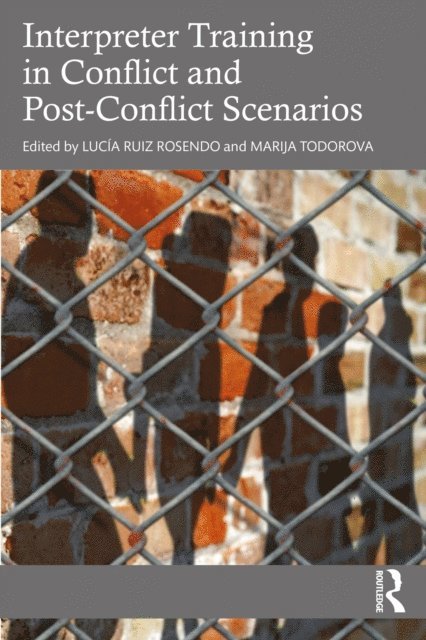
The role of interpreters in conflict situations is of increasing real world importance. There are ethical, cultural, and professional issues that have yet to be explored, and there is a need for specialised training that addresses the specific contexts in which interpreters perform their duties, considering the situated nature of interpreting in these contexts.This volume is structured around interpreter training in different contexts of conflict and post-conflict, from military operations and international tribunals to asylum-seeking and refugee, humanitarian, and human rights missions. Themes covered include risk management and communication, ethics and professional demeanour, language technology and its use, intercultural mediation, training in specific contexts, such as conflict resolution and negotiation, and working with trauma. Chapters are authored by experts from around the world with a range of different profiles: military personnel, scholars, the staff of international organisations, and representatives from refugee and asylum-seeker-assisting institutions.Interpreter Training in Conflict and Post-Conflict Scenarios is key reading both for students and scholars researching interpreting in conflict zones and conflict-related scenarios and for practising and trainee interpreters and mediators working for international organisations and the military.
656 kr
Skickas inom 10-15 vardagar
The role of interpreters in conflict situations is of increasing real world importance. There are ethical, cultural, and professional issues that have yet to be explored, and there is a need for specialised training that addresses the specific contexts in which interpreters perform their duties, considering the situated nature of interpreting in these contexts.This volume is structured around interpreter training in different contexts of conflict and post-conflict, from military operations and international tribunals to asylum-seeking and refugee, humanitarian, and human rights missions. Themes covered include risk management and communication, ethics and professional demeanour, language technology and its use, intercultural mediation, training in specific contexts, such as conflict resolution and negotiation, and working with trauma. Chapters are authored by experts from around the world with a range of different profiles: military personnel, scholars, the staff of international organisations, and representatives from refugee and asylum-seeker-assisting institutions.Interpreter Training in Conflict and Post-Conflict Scenarios is key reading both for students and scholars researching interpreting in conflict zones and conflict-related scenarios and for practising and trainee interpreters and mediators working for international organisations and the military.
3 419 kr
Skickas inom 10-15 vardagar
The Routledge Handbook of Translating and Interpreting Conflict offers a comprehensive exploration of the roles translators and interpreters play in conflict settings. Spanning diverse geographical regions and historical periods, this volume examines how language professionals contribute to military operations, humanitarian aid, peacebuilding, and asylum processes. The Handbook addresses pressing issues such as the recruitment and protection of interpreters, ethical dilemmas, emotional and psychological challenges, and the evolving use of technology in conflict zones. It also includes emerging topics such as the role of women interpreters, the translation of peace agreements, and the impact of environmental conflicts. Drawing on a wide range of case studies—from the medieval Iberian peninsula to the ongoing conflict in Ukraine—the book blends historical insights with contemporary examples, offering a truly global perspective.Methodologically diverse chapters range from archival research and ethnographic studies to interviews, memoir and documentary film analyses, and micro-histories of individual interpreters. This volume is an essential resource for researchers, practitioners, students, and anyone interested in understanding how language shapes and responds to the complexities of conflict. It highlights the critical yet often overlooked contributions of translators and interpreters in some of the world’s most challenging situations.Chapter 23 of this book is freely available as a downloadable Open Access PDF at http://www.taylorfrancis.com under a Creative Commons [Attribution-Non Commercial-No Derivatives (CC BY-NC-ND)] 4.0 license.
1 465 kr
Skickas inom 10-15 vardagar
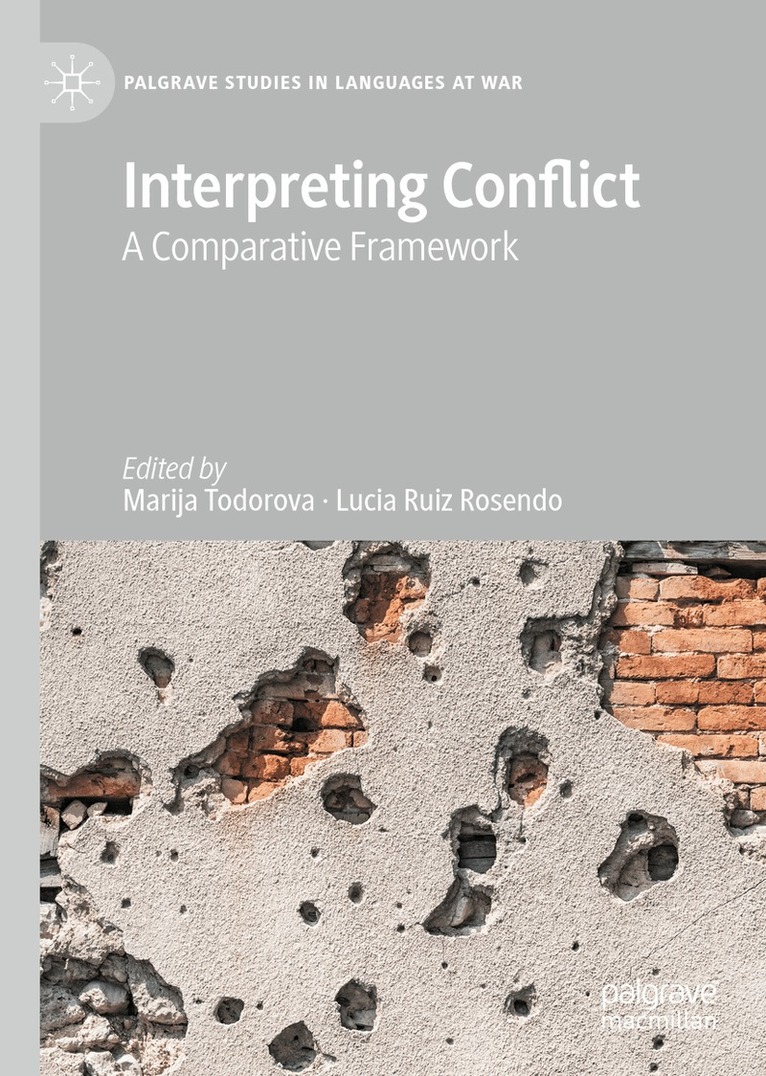
This edited book examines the role of interpreting in conflict situations, bringing together studies from different international and intercultural contexts, with contributions from military personnel, humanitarian interpreters and activists as well as academics.
1 465 kr
Skickas inom 10-15 vardagar
This edited book examines the role of interpreting in conflict situations, bringing together studies from different international and intercultural contexts, with contributions from military personnel, humanitarian interpreters and activists as well as academics.