Mario Levesque - Böcker
Visar alla böcker från författaren Mario Levesque. Handla med fri frakt och snabb leverans.
2 produkter
2 produkter
506 kr
Skickas inom 7-10 vardagar
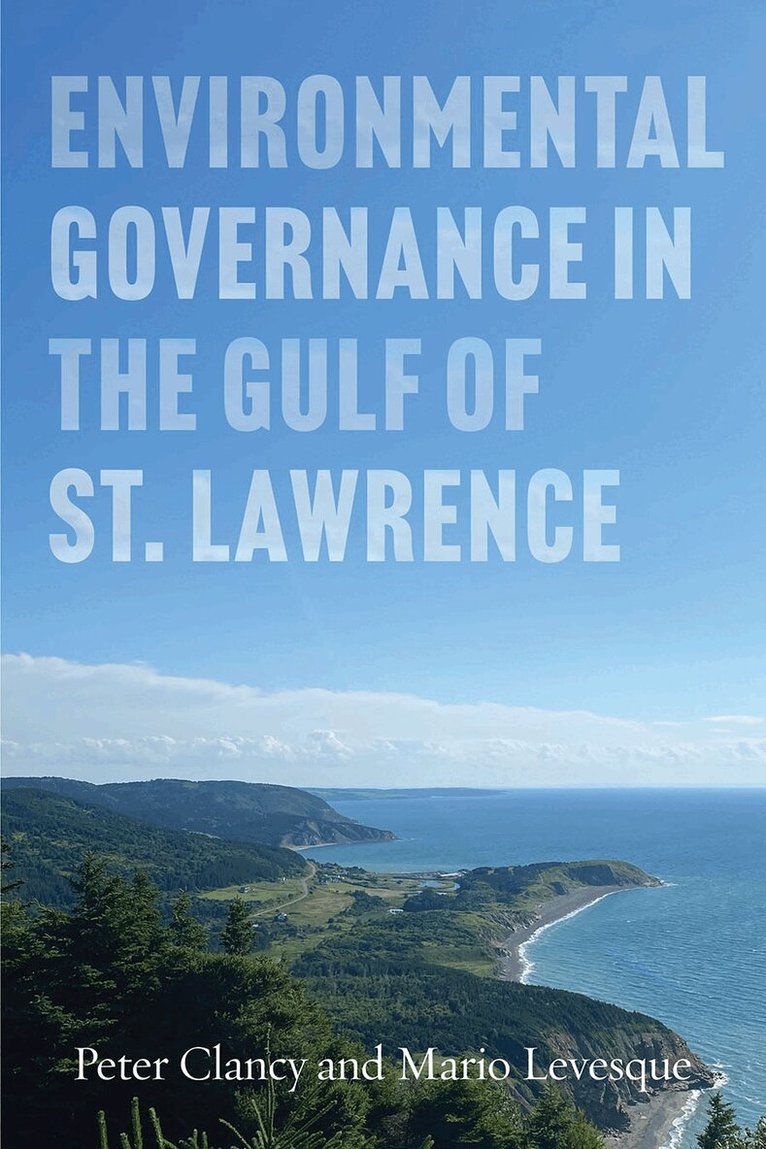
The Gulf of St. Lawrence is one of Canada's largest and most complex marine systems, bordering on five provinces with 250,000 people living in proximity to the coast. Managing the aquatic environment of this vast territory must consider not only biophysical processes but also human use, policy jurisdiction, and politics. Environmental Governance in the Gulf of St. Lawrence focuses on the coastal margin and deepwater Gulf in a series of policy studies, covering topics such as marine infrastructure, fisheries, offshore petroleum, coastal zones, marine transport, aquaculture, large ocean management, protected areas, and Indigenous governance. The authors examine each semi-autonomous field of environmental action within a geopolitical context, and then compare them as parts of a policy whole, with the goal of understanding the management of this vital region.This yields a picture of polycentric politics, where environmental policy subnetworks interact. Building on this, Environmental Governance poses questions about possible reform agendas.
548 kr
Kommande
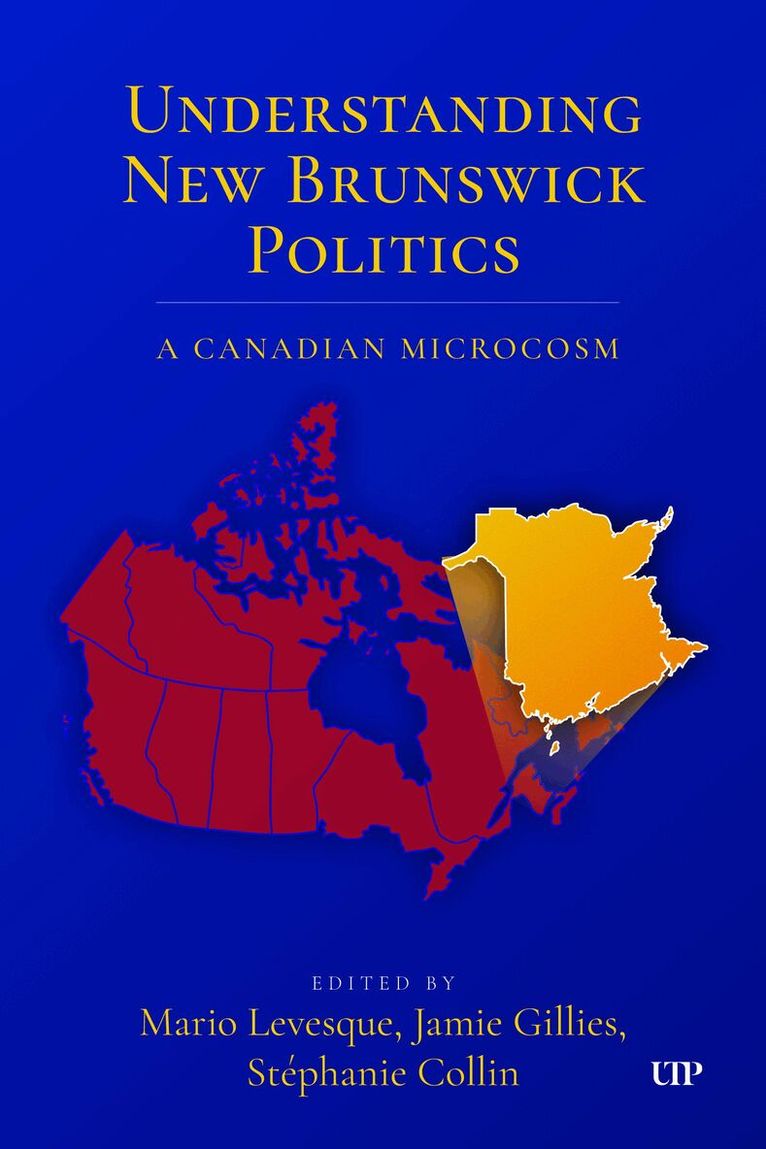
New Brunswick is an interesting study in governance. It is one of Canada’s geographically smallest and least populated provinces, yet it contains all of the different historic, cultural, linguistic, political, economic, and social experiences and challenges found in the rest of the country. This volume questions what we can learn from New Brunswick’s post-2000 experience that can ultimately inform governance and policy-making elsewhere in Canada.New Brunswick Politics begins by situating the province’s social, linguistic, and economic dynamics regionally and nationally. Contributors then examine the governments of Bernard Lord, Shawn Graham, David Alward, Brian Gallant, and Blaine Higgs and their policies to reveal how their governance and policy directions reflected broader trends in Canadian politics while, at other times, they provided opportunities for unique new policy directions to emerge. Key issues examined include the residual welfare state, language politics, healthcare reform, equity-denied groups, and housing.This is the first comprehensive book on New Brunswick politics in sixty-five years, and it presents a province struggling to address questions of conflict, power, marginalization, and governance as it carves out its unique path in addressing pressing public policy questions.